

YELLOWKNIFE– A KLM (KL) Boeing 787-10 Dreamliner operating flight KL601 from Amsterdam Schiphol Airport (AMS) to Los Angeles International Airport (LAX) made an unscheduled landing at Yellowknife Airport on Sunday, October 5, 2025, following the death of a passenger onboard.
The flight had been en route across the North American Arctic when the crew declared a medical emergency. Despite immediate medical intervention both in the air and upon landing, the 34-year-old female passenger was pronounced dead at a local hospital.
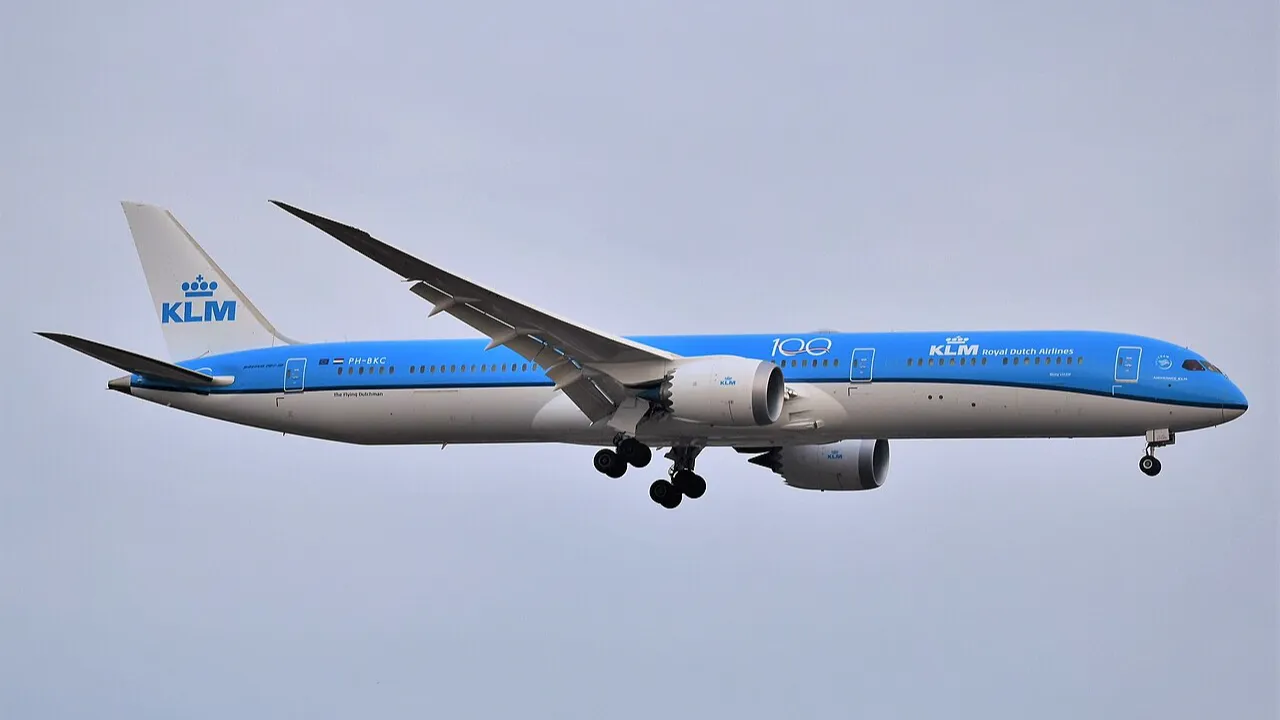
https://commons.wikimedia.org/wiki/File:KLM_Royal_Dutch_Airlines_Boeing_787-10_Dreamliner_PH-BKC_approaching_JFK_Airport.jpg
Passenger Dies on KLM Flight
According to reports, the emergency began mid-flight when the passenger became unresponsive. Cabin crew immediately initiated first aid and sought assistance from medical professionals onboard.
According to AirNav Radar, the aircraft touched down safely just before 15:00 local time after traveling more than 6,300 kilometers over nearly 13 hours of flight. Local authorities, including the Royal Canadian Mounted Police, met the aircraft on arrival.
Those lifesaving efforts continued until the Dreamliner diverted to Yellowknife, where emergency personnel were waiting.
KLM confirmed that all necessary procedures were followed with professionalism and care. Airline representatives expressed condolences to the family of the deceased, emphasizing that the safety and well-being of passengers and crew remain the carrier’s top priority.
In-Flight Response Protocols
Airlines train flight attendants extensively to handle in-flight medical emergencies.
According to the International Air Transport Association (IATA), crews are required to perform cardiopulmonary resuscitation (CPR) until one of several conditions is met, such as recovery of breathing, exhaustion of the crew, or landing of the aircraft.
When lifesaving attempts are unsuccessful, the captain coordinates with ground authorities to manage the situation with discretion and respect.
Cabin crew typically seat and cover the deceased with a blanket if no body bag is available, ensuring privacy and dignity for both the passenger and fellow travelers.

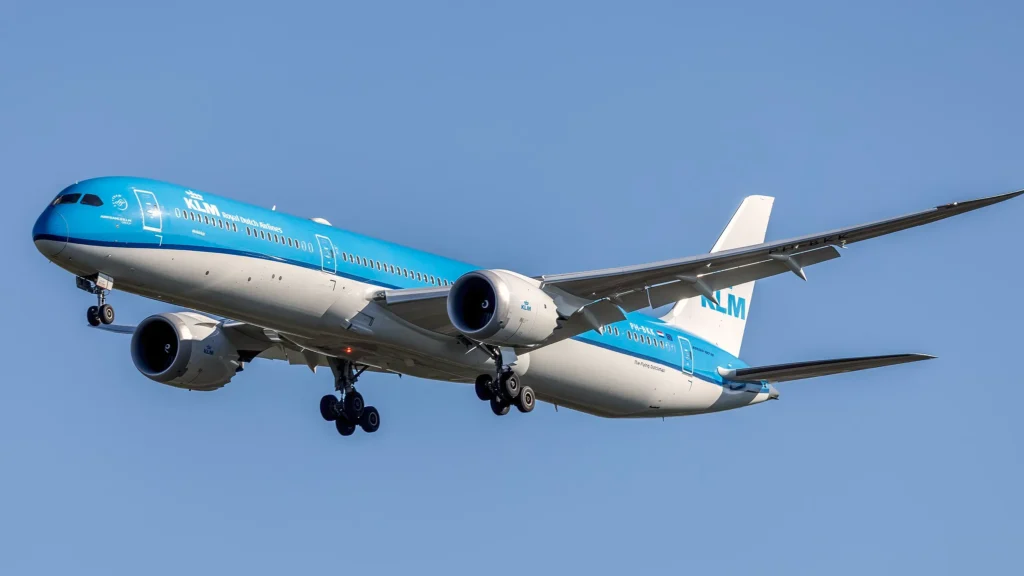
https://commons.wikimedia.org/wiki/File:KLM_Royal_Dutch_Airlines_Boeing_787-10_Dreamliner_PH-BKA_(100_Years_livery).jpg
Rare But Real Occurrences
Authorities in Yellowknife are cooperating with the airline to manage formalities following the incident.
The passenger’s identity has not been released out of respect for privacy. After the diversion, the aircraft remained on the ground for several hours before continuing its journey to Los Angeles.
Fatal medical incidents aboard aircraft remain rare. Research published in the American Journal of Emergency Medicine estimates around 18.2 medical incidents per million passengers, with less than one death per million.
Despite the low frequency, airlines maintain rigorous protocols to handle such emergencies with composure and compassion.
Experts note that cabin crew face unique challenges in these situations. They must balance emergency response with the continued management of hundreds of passengers, maintaining calm and professionalism throughout.
Bottom Line
In-flight fatalities are uncommon, but they underscore the importance of medical preparedness at altitude.
Most global carriers equip their aircraft with emergency medical kits, defibrillators, and trained personnel capable of responding effectively to a wide range of health crises.
Nevertheless, such unfortunate incidents are a part of life, and of aviation, too.
Stay tuned with us. Further, follow us on social media for the latest updates.
Join us on Telegram Group for the Latest Aviation Updates. Subsequently, follow us on Google News
