

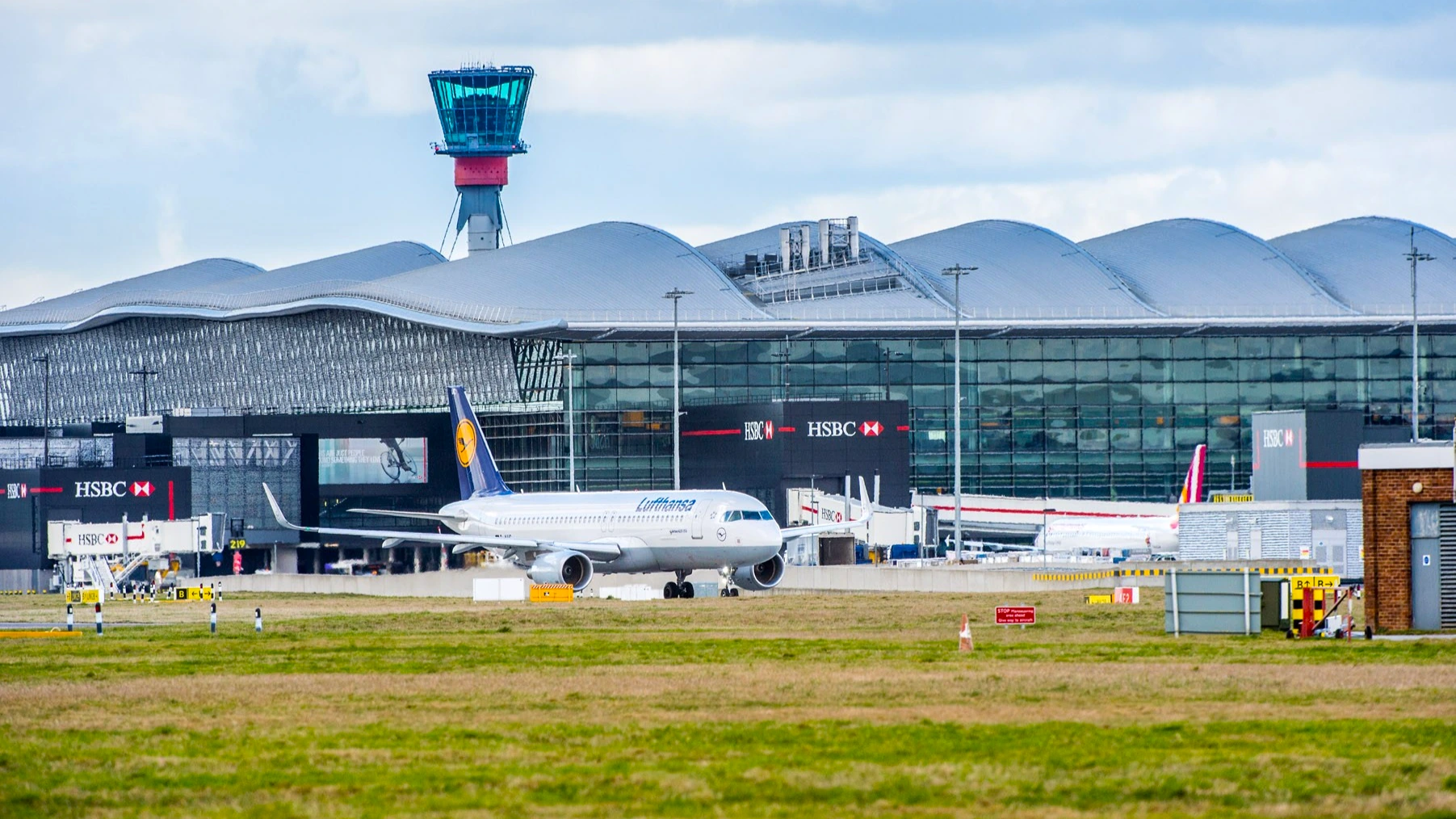
LONDON – Plans to build a third runway at Heathrow Airport (LHR), the United Kingdom’s busiest airport, have encountered another major obstacle after a parliamentary committee questioned whether the proposed expansion would deliver sufficient economic benefits to justify its enormous cost.
In a report published on November 26, 2026, the House of Commons Transport Committee said the government had not presented a convincing case for the project. MPs called for further economic and environmental assessments before ministers proceed with the proposed £33 billion infrastructure development.
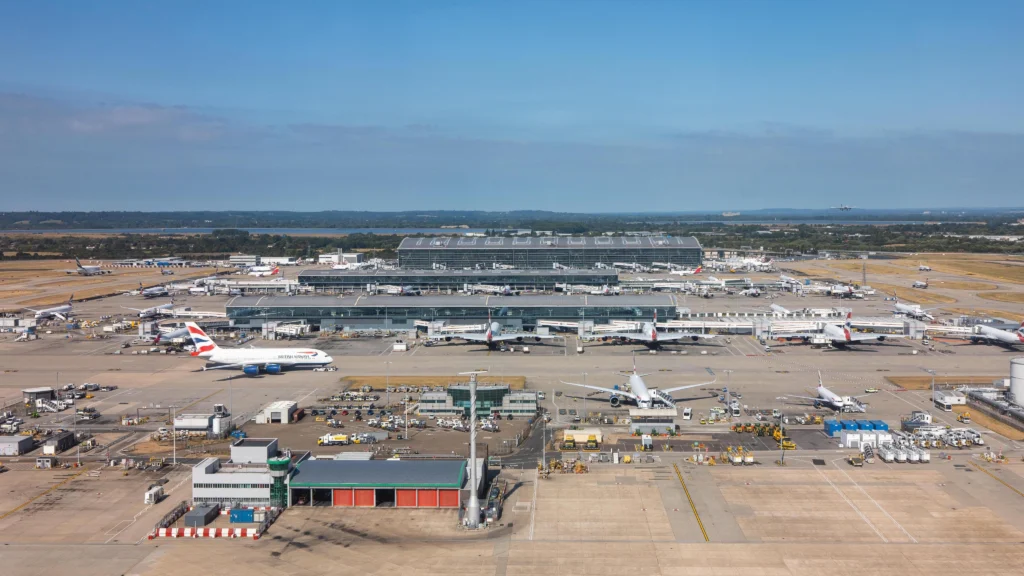
Heathrow Economic Case Questioned
The committee’s concerns centre on government-commissioned economic modelling, which estimates that a third runway would increase annual UK GDP by approximately 0.05% by 2056 compared with the baseline scenario.
The projection represents a substantial reduction from earlier expectations. In 2015, the Airports Commission estimated that additional Heathrow capacity could increase GDP by between 0.65% and 0.75% by 2050.
The Department for Transport’s (DfT) separate economic assessment also identified significant financial and societal challenges.
Its analysis estimated a negative net present value (NPV) of between £15 billion and £53 billion, indicating that wider social and environmental costs could outweigh the anticipated benefits.
However, the committee acknowledged that the government has not yet completed a comprehensive analysis combining its GDP modelling with the wider economic assessment.
It urged ministers to provide a fully reviewed evaluation before finalising the Heathrow Expansion National Policy Statement.
The committee also questioned the proposed designation of Heathrow expansion as Critical National Growth Infrastructure, arguing that the projected economic contribution does not sufficiently justify such a classification.
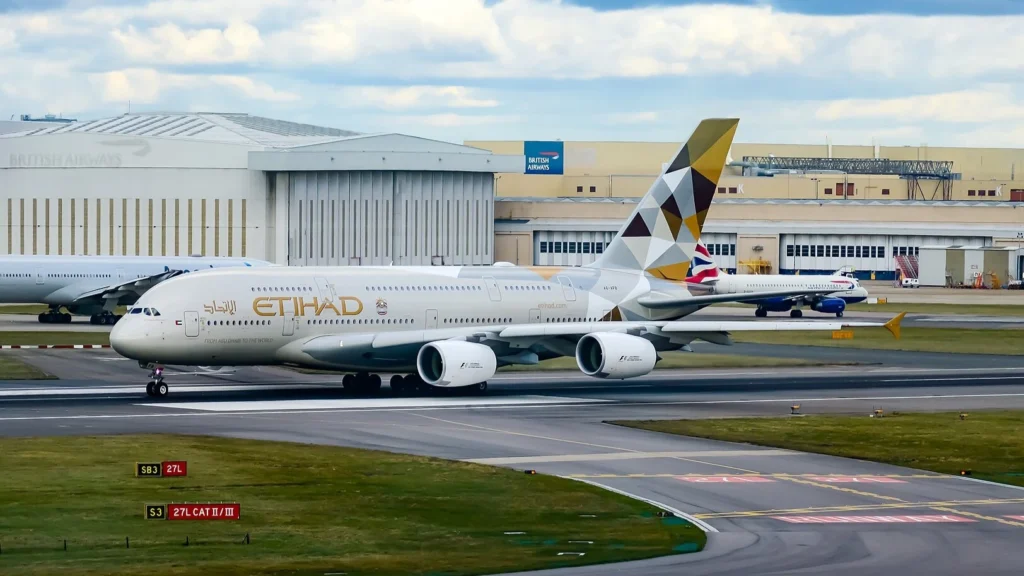
Climate And Transport Concerns
Environmental considerations present another significant challenge for the proposed runway. The Climate Change Committee has warned that Heathrow expansion is currently incompatible with the UK’s legally binding carbon budgets and net-zero targets under existing policies.
The parliamentary committee questioned the government’s reliance on future technologies, including sustainable aviation fuel (SAF) and engineered carbon removals, to manage the additional emissions.
It recommended that ministers establish clear decarbonisation policies and contingency measures before granting development consent.
Transport infrastructure is also a major concern. MPs highlighted the absence of fully funded and committed plans to improve rail and other public transport connections to an expanded Heathrow, particularly routes approaching the airport from the west and south.
The committee warned that increased passenger and aircraft movements could place additional pressure on surrounding roads. It called for independently verified funding arrangements and measurable limits on additional road traffic before construction receives approval.
Concerns also extend to airport charges. International Airlines Group (IAG), the parent company of British Airways, has challenged the affordability of Heathrow’s wider £49 billion expansion programme, warning that higher airport charges could increase costs for airlines and passengers.
The committee cautioned that excessive landing charges could discourage airlines from using the additional capacity, potentially undermining the economic benefits that expansion is expected to generate.
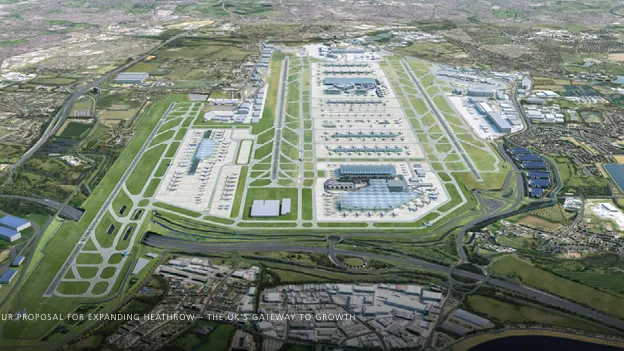
Industry Continues To Support Expansion
Despite the parliamentary criticism, the proposed third runway continues to receive support from sections of the aviation and construction industries.
GMB, the trade union representing Heathrow workers across construction, ground handling, security and hospitality, has urged the government to continue with the project.
Regional organiser Alex Maguire argued that expansion could create thousands of jobs, apprenticeships and opportunities for British manufacturers, PM TODAY reported.
He also highlighted the potential benefits for domestic supply chains, particularly the country’s steel industry, which could receive additional demand through large-scale infrastructure development.
Heathrow maintains that additional runway capacity is essential to strengthening Britain’s international connectivity, attracting overseas investment and improving its long-term competitiveness.
The government, meanwhile, has maintained that expansion must satisfy four conditions covering economic growth, climate change, air quality and aircraft noise. The Transport Committee has called for substantial improvements to the existing proposals before ministers take the next step.
The report does not formally reject the third runway, but it creates another significant hurdle for the project. Ministers must now address the economic uncertainties, environmental concerns and infrastructure funding gaps before the expansion policy can progress.
The committee has also stressed that the government must publish a broader national aviation strategy, explaining how Heathrow and other UK airports will contribute to economic development while meeting environmental obligations.
Stay tuned with us. Further, follow us on social media for the latest updates.
Join us on Telegram Group for the Latest Aviation Updates. Subsequently, follow us on Google News
