

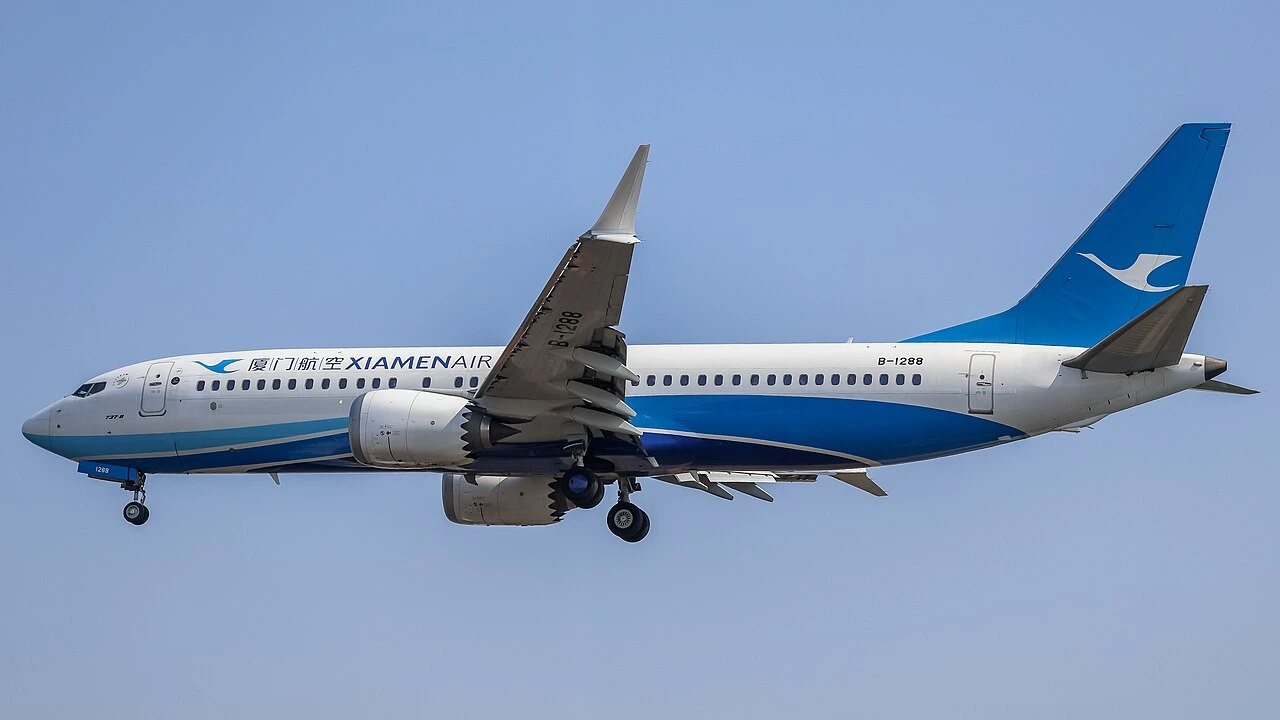
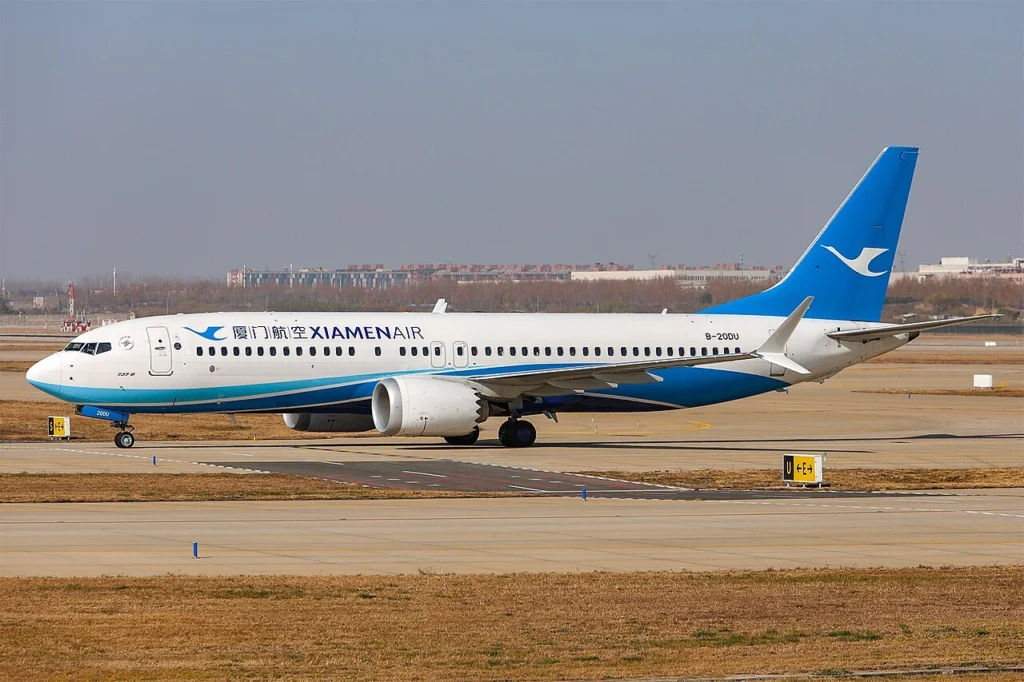
HONG KONG – China Southern Airlines (CZ) has secured a major aircraft purchase agreement through its subsidiary Xiamen Airlines (MF), which has agreed to acquire 50 Boeing 737 MAX 8 aircraft. The deal marks Boeing’s largest aircraft order from a Chinese airline in nearly a decade and signals a potential improvement in the US manufacturer’s position in one of the world’s largest aviation markets.
Announced on November 24, 2026, the agreement carries an estimated list price of $7.4 billion. However, the actual transaction value will be lower following discounts offered by Boeing. The aircraft will arrive in batches between 2031 and 2034, subject to shareholder approval and authorization from relevant Chinese government authorities.
Boeing Secures Major China Order
The agreement represents an important development for Boeing after years of limited new business from Chinese airlines.
Trade tensions between Washington and Beijing have restricted the manufacturer’s access to the Chinese market since 2017, although Boeing has continued delivering aircraft from previously placed orders.
China Southern owns a 55% stake in Xiamen Airlines, which will operate the newly ordered aircraft. According to the parent company’s announcement, the purchase will help the subsidiary strengthen its fleet and prepare for future expansion.
The agreement also comes several months after China committed to purchasing 200 Boeing aircraft during a May 2026 summit between US President Donald Trump and Chinese President Xi Jinping in Beijing.
Financial analysts believe the Xiamen Airlines agreement could represent the first conversion of that commitment into a firm aircraft order.
However, China Southern’s announcement did not confirm whether the 50 aircraft form part of the previously announced 200-jet commitment.
Xiamen Airlines Plans Major Fleet Expansion
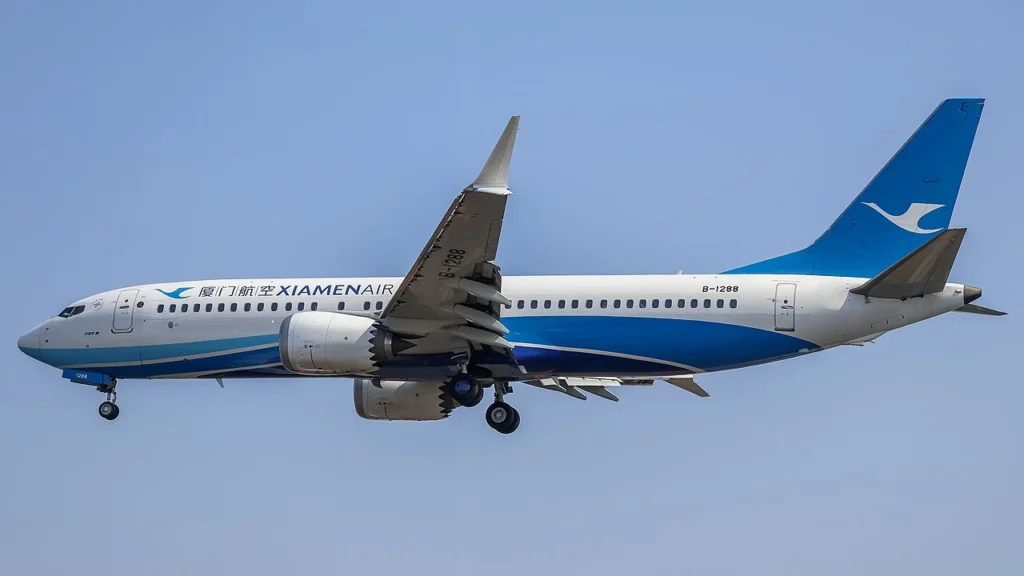
Xiamen Airlines expects the new aircraft to support its long-term development plans, particularly its transition to the new Xiamen Xiang’an International Airport in Fujian province. The airline intends to use the additional capacity to strengthen its regional aviation hub and improve its fleet structure.
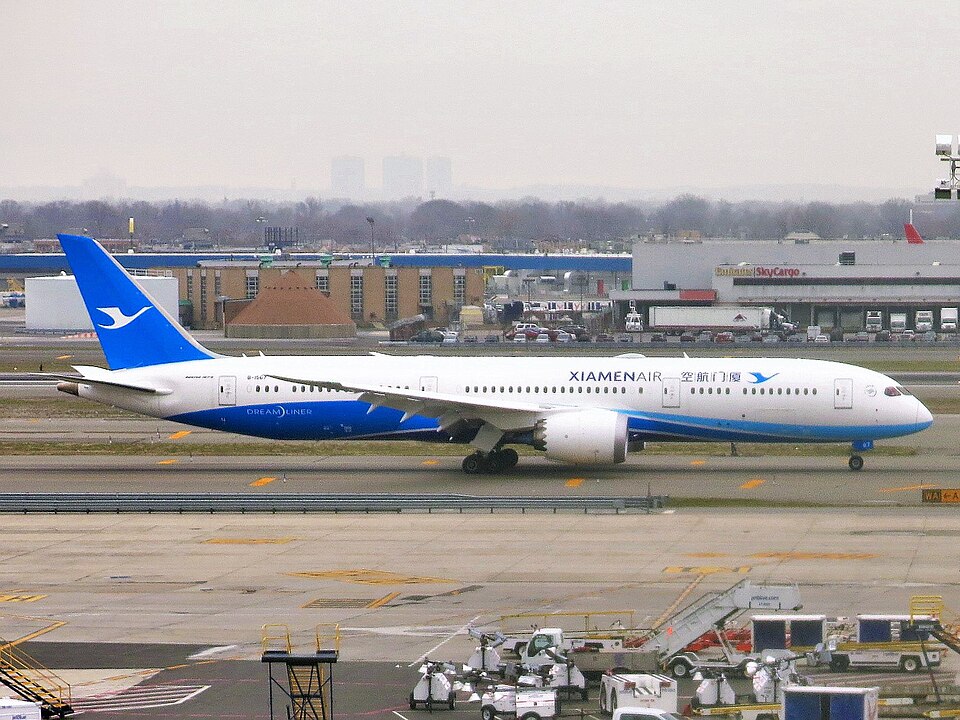
The Boeing agreement also reflects a change in the airline’s traditionally Boeing-focused fleet strategy. Xiamen Airlines operated an exclusively Boeing fleet for almost four decades before introducing its first Airbus A321neo in early 2023 through an operating lease.
In April 2026, China Southern and Xiamen Airlines also agreed to purchase 137 Airbus A320neo family aircraft. The latest Boeing order therefore adds another major aircraft programme to the group’s long-term fleet expansion plans.
The combination of Boeing and Airbus aircraft will give the group additional flexibility as it prepares for future passenger demand and airport development.
China Aircraft Demand Continues Growing Rapidly
The agreement comes as China remains a major growth market for the global aircraft manufacturing industry. Boeing and Airbus estimate that Chinese airlines will require approximately 9,000 new aircraft by 2045, representing one of the largest projected aircraft demands worldwide.
US President Donald Trump also suggested on November 23 that China could purchase another 250 Boeing aircraft. However, he did not provide details, and Chinese authorities have not confirmed any additional commitment.
Boeing declined to comment on the latest agreement. Its shares increased approximately 1% on November 24 following the announcement, The Straits Times reported.
Although the 50-aircraft agreement does not establish the full scale of China’s future Boeing purchases, it provides the US manufacturer with a significant opportunity to rebuild its commercial relationship with Chinese airlines.
With deliveries extending into the next decade, the order also highlights how airlines are making long-term fleet decisions to accommodate expected traffic growth and changing aviation infrastructure.
Stay tuned with us. Further, follow us on social media for the latest updates.
Join us on Telegram Group for the Latest Aviation Updates. Subsequently, follow us on Google News
