

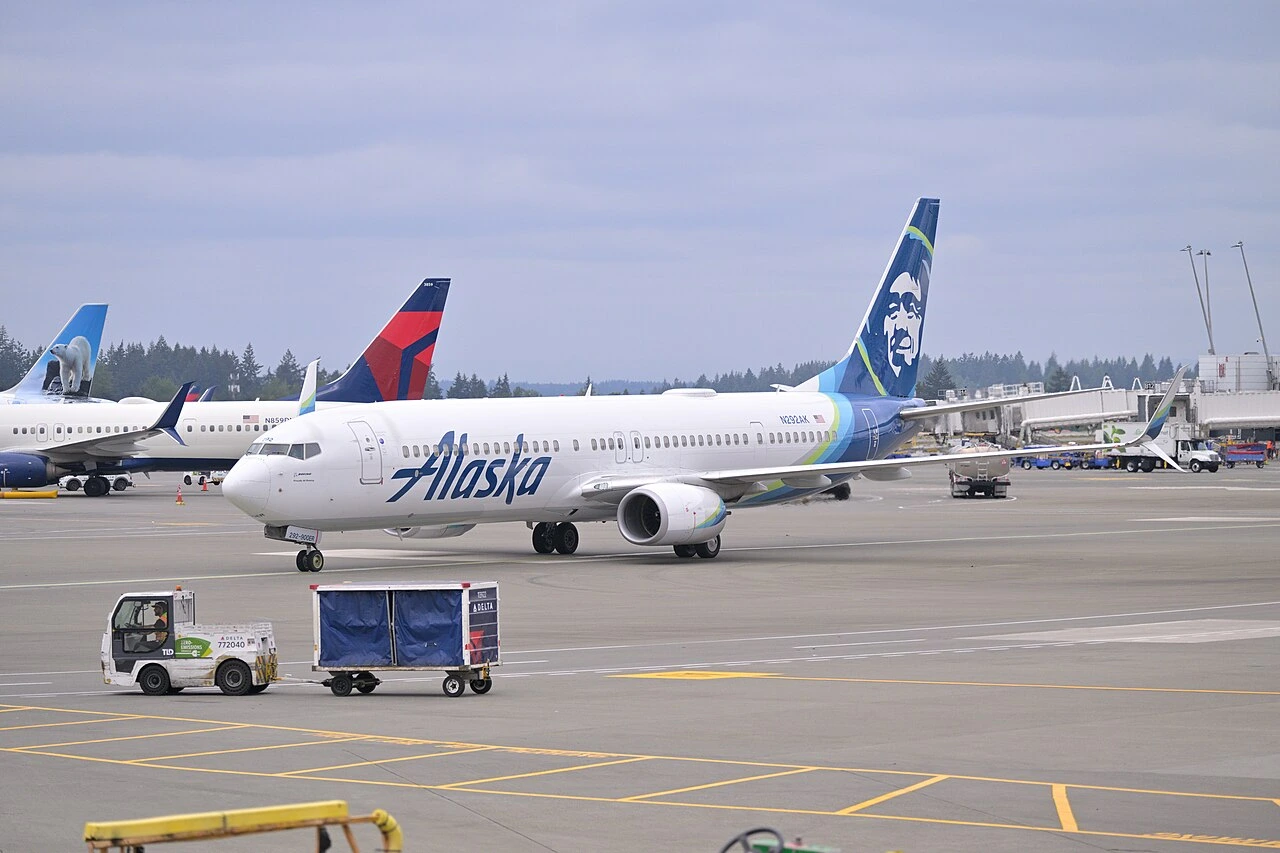
NEW YORK – A catering truck struck an Alaska Airlines Boeing 737-800 while the aircraft was parked at the gate at New York’s John F. Kennedy International Airport (JFK) on Monday, November 23, 2026. The collision damaged part of the aircraft’s left winglet, although the reported damage was classified as minor and no injuries were reported.
The aircraft, registered as N548AS, was scheduled to operate Alaska Airlines (AS) Flight AS41 from New York to San Francisco International Airport (SFO). The incident occurred at approximately 22:30 UTC, or 5:30 p.m. local time, while the aircraft was stationary at the airport terminal. The collision raised questions about ground vehicle movements around aircraft during busy airport operations.
Catering Truck Damages Left Winglet at JFK
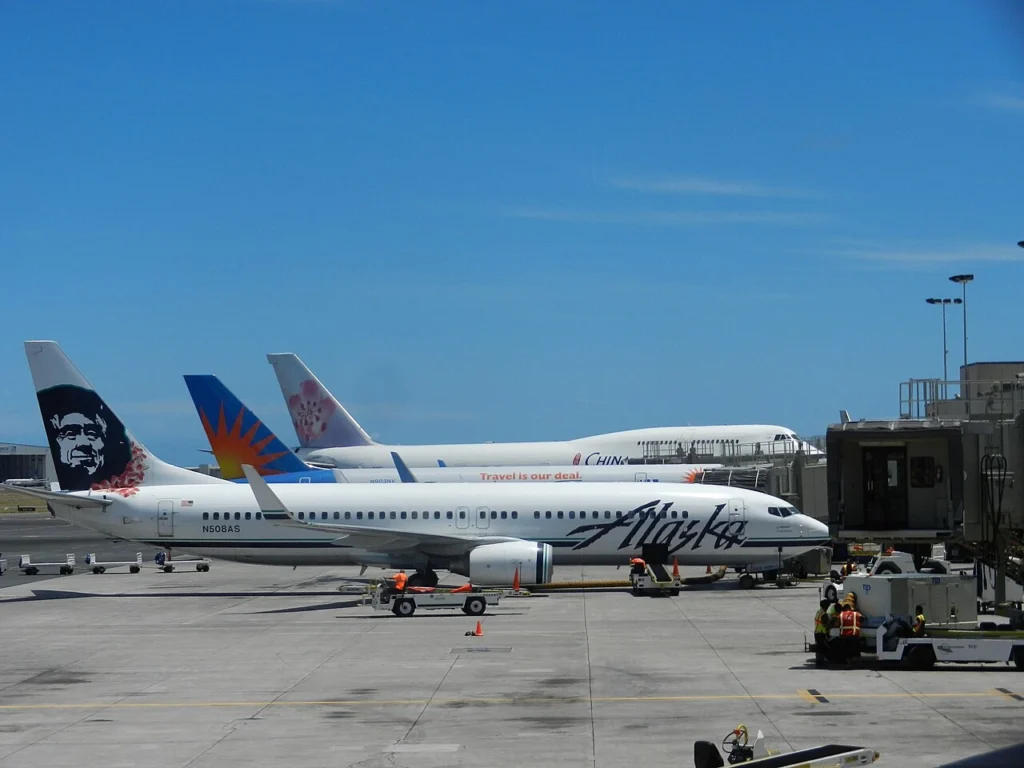
The catering vehicle struck the ventral strake beneath the left split scimitar winglet of the Boeing 737-800. The Aviation Safety Network (ASN) recorded the occurrence as an incident and described the damage as minor.
A split scimitar winglet is an aerodynamic structure fitted to the wingtips of certain Boeing 737 aircraft. It features an upward-facing blade and a smaller downward-facing component known as the ventral strake.
These components help reduce aerodynamic drag and improve fuel efficiency by managing airflow around the wingtips. However, the lower section also extends beneath the wingtip, making it vulnerable to contact with ground service vehicles operating close to the aircraft.
The incident occurred while the aircraft was receiving ground services before its scheduled departure. Catering trucks regularly approach aircraft to load food and beverages, requiring operators to manoeuvre carefully around wings, engines and other sensitive structures.
Flight AS41 Operational Status and Delays
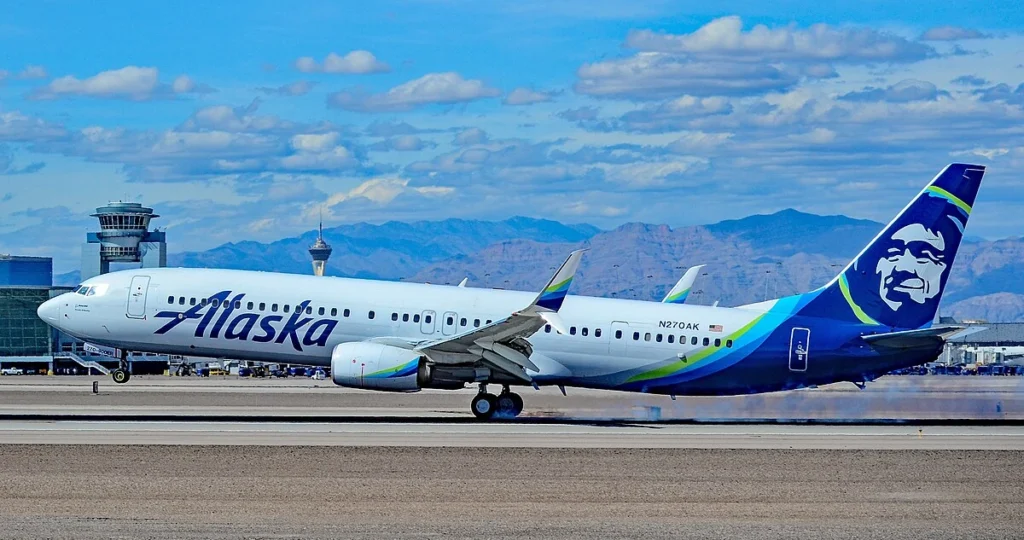
According to Alaska Airlines’ flight-status information, AS41 was scheduled to operate using N548AS, a Boeing 737-800. The aircraft’s flight information identifies it as a 737-800 operating under the registration involved in the incident.
The available incident report indicates that the aircraft subsequently departed JFK, but it does not provide a confirmed departure time or establish the full extent of any passenger delay. Therefore, the operational impact on passengers travelling to San Francisco remains unclear.
The aircraft is a Boeing 737-890 manufactured at Boeing’s Renton facility in Washington. It was delivered to Alaska Airlines in July 2005 and is powered by two CFM56-series engines.
Fleet records show that N548AS spent time in storage at Oakland and Oklahoma City during the COVID-19 pandemic before returning to service in June 2021. The aircraft was reconfigured in September 2025 with 16 first-class seats and 145 economy-class seats.
No official statement from Alaska Airlines regarding the collision was available in the incident information at the time of reporting. Further details about the inspection, repairs and possible disruption have not been confirmed.
Ground Handling Safety Risks at Airports
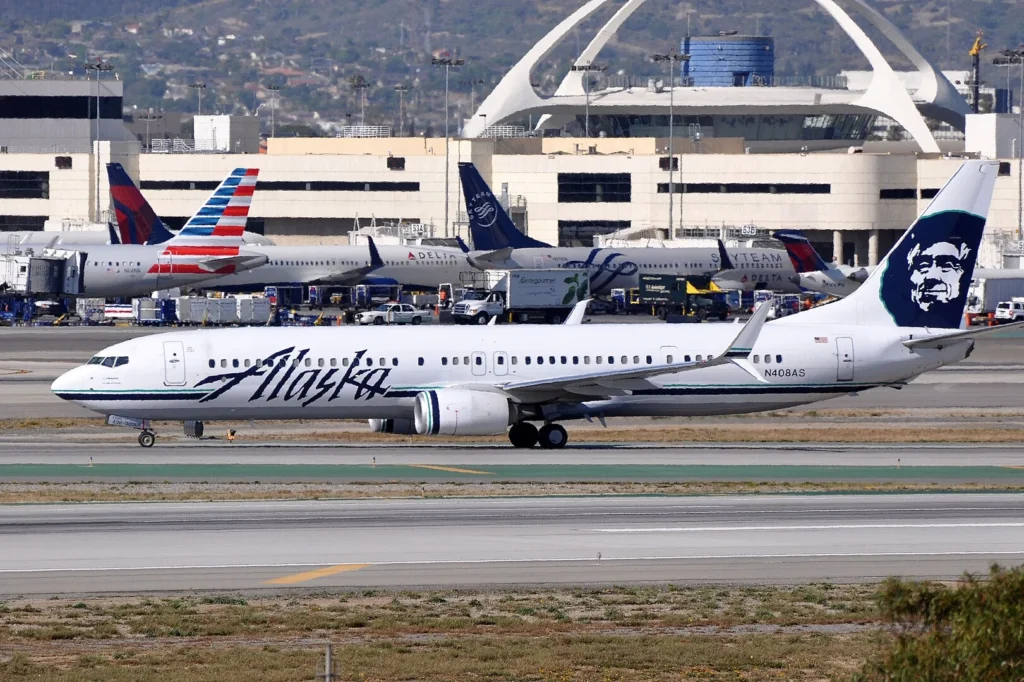
The incident highlights the risks associated with ground handling operations, where catering vehicles, baggage loaders, passenger stairs and pushback equipment operate in close proximity to aircraft.
Even relatively minor contact can require an engineering inspection before an aircraft returns to service. Damage to aerodynamic components such as winglets may also require repairs or replacement, potentially affecting aircraft availability and flight schedules.
The International Air Transport Association (IATA) identifies aircraft ground damage as an important safety concern. Its 2025 safety report recorded 16 ramp-related accidents involving ground support equipment between 2015 and 2025, including 11 cases in which ground equipment struck an aircraft, The Aviation Hub reported.
Stay tuned with us. Further, follow us on social media for the latest updates.
Join us on Telegram Group for the Latest Aviation Updates. Subsequently, follow us on Google News

