

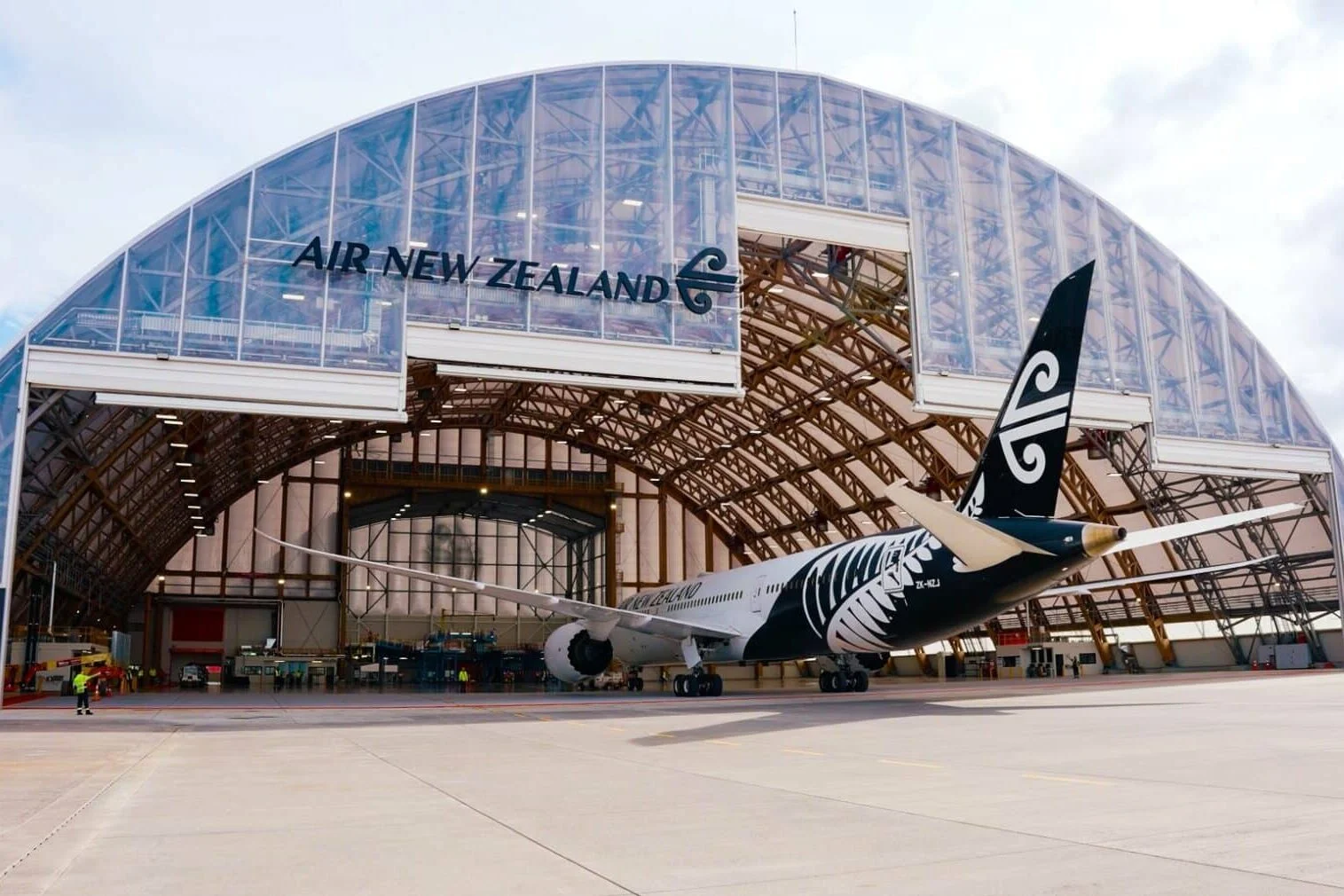
Air New Zealand (NZ) is the national carrier of New Zealand and one of the Pacific region’s most recognisable airlines. From its main base in Auckland, the airline operates domestic services connecting cities and regional communities, alongside international flights to Australia, the Pacific Islands, Asia and North America.
Its fleet includes Airbus A320 and A321neo aircraft, Boeing 777s and 787 Dreamliners, and ATR 72 and De Havilland Dash 8 turboprops. This combination of regional, short-haul and long-haul aircraft creates a particularly varied maintenance environment.
Unlike airlines that operate a single aircraft family, Air New Zealand requires engineering teams capable of supporting several aircraft types with different maintenance schedules, technical systems and operational demands.
The airline’s Engineering and Maintenance division plays a vital role in keeping these aircraft operational. Maintenance professionals work across line maintenance, aircraft servicing, heavy maintenance, component workshops and specialist engineering functions.
For Aircraft Maintenance Technicians and Engineers, Air New Zealand offers an opportunity to develop technical expertise while working within a well-established aviation organisation. Salaries vary according to experience, qualifications, licensing and the level of responsibility attached to each position.
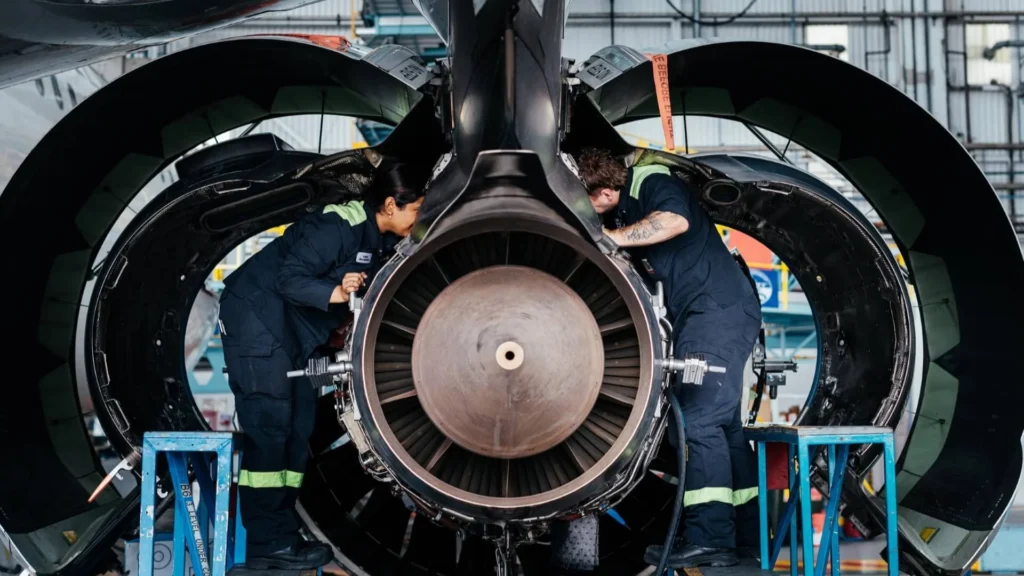
What Do Aircraft Engineers and Technicians Do?
Aircraft maintenance at Air New Zealand covers everything from quick inspections between domestic flights to major technical work on long-haul aircraft. Engineers and technicians work closely together, although their responsibilities and certification privileges are not necessarily the same.
Aircraft Maintenance Engineer
Aircraft Maintenance Engineers are responsible for inspecting, troubleshooting and maintaining aircraft systems. Appropriately licensed and authorised engineers may also certify completed maintenance and approve aircraft for return to service.
At Air New Zealand, the role can involve working on narrowbody aircraft, long-haul jets or regional turboprops, depending on the employee’s qualifications and assigned maintenance location.
Typical responsibilities include:
- Investigating technical defects reported by flight crews.
- Inspecting aircraft structures, engines, and mechanical systems.
- Diagnosing electrical, avionics and hydraulic problems.
- Supervising complex maintenance activities where required.
- Reviewing aircraft maintenance records and technical documentation.
- Ensuring maintenance complies with Civil Aviation Authority of New Zealand requirements.
- Certifying completed maintenance within the engineer’s approved privileges.
Engineers with extensive experience on Boeing 787 or 777 aircraft may undertake particularly specialised work involving advanced aircraft systems and complex maintenance procedures.
Aircraft Maintenance Technician
Aircraft Maintenance Technicians perform much of the practical work required to keep aircraft safe and serviceable.
Their duties can differ considerably between line maintenance, component workshops and heavy maintenance facilities. Some technicians work directly on aircraft, while others specialise in engines, avionics, structures or individual components.
Common responsibilities include:
- Carrying out routine inspections and servicing.
- Removing and replacing defective aircraft components.
- Assisting with engine and landing gear maintenance.
- Performing mechanical and electrical repairs.
- Supporting engineers during technical investigations.
- Maintaining tools, equipment and workshop standards.
- Recording completed maintenance work accurately.
Technicians are essential to the airline’s day-to-day operation, and many use their practical experience as a foundation for pursuing aircraft maintenance licensing.
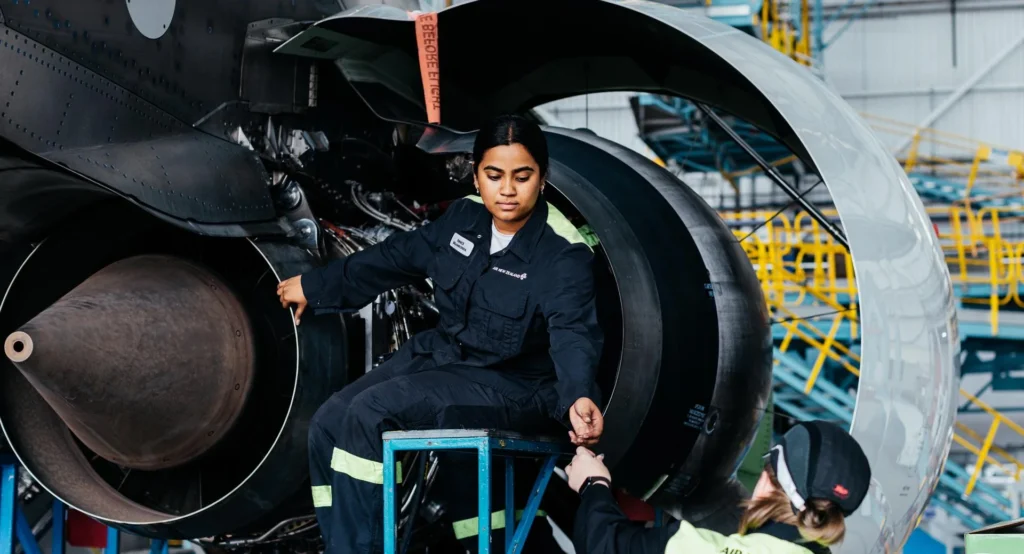
Requirements to Join as an Engineer or Technician
Air New Zealand recruits maintenance professionals with a range of technical backgrounds. Some enter through apprenticeships or trainee positions, while others join after gaining substantial experience with airlines or maintenance organisations.
Qualifications must be appropriate to the position, particularly when the employee is expected to hold certification privileges.
Basic Requirements
Applicants generally need:
- A recognised aviation maintenance qualification or relevant technical training.
- Good understanding of aircraft systems and maintenance practices.
- Strong English communication skills.
- Ability to interpret technical manuals and maintenance instructions.
- Commitment to aviation safety and regulatory compliance.
- Willingness to work shifts, weekends and public holidays.
- Eligibility to work in New Zealand or obtain the necessary work authorisation.
For Aircraft Maintenance Engineers
Candidates applying for licensed engineering positions may require:
- A recognised Aircraft Maintenance Engineer Licence accepted by the Civil Aviation Authority of New Zealand.
- Appropriate licence categories and aircraft type ratings.
- Previous experience in commercial aircraft maintenance.
- Knowledge of applicable New Zealand aviation regulations.
- Experience in aircraft defect diagnosis and technical inspections.
- Employer-issued certification authorisation where required.
Engineers with qualifications relevant to the airline’s Airbus, Boeing or regional aircraft fleets may have an advantage when applying for specialist positions.
For Aircraft Maintenance Technicians
Technician applicants are generally expected to possess:
- An aircraft maintenance qualification, apprenticeship or equivalent technical background.
- Practical mechanical, electrical or avionics skills.
- Familiarity with maintenance tools and inspection equipment.
- Understanding of workplace safety and aircraft documentation.
- Previous maintenance experience for positions above entry level.
- Willingness to undertake further training and develop specialist qualifications.
Air New Zealand’s maintenance environment can provide a pathway for technicians seeking to become licensed engineers, although progression requires meeting the applicable experience, examination and licensing standards.
ALSO READ: All Nippon Airways Engineer and Technician Salary in 2026
Air New Zealand Technician and Engineer Salary in 2026
Aircraft maintenance salaries in New Zealand are influenced by technical qualifications, licensing, aircraft experience and the type of maintenance performed. At Air New Zealand, there is also a distinction between non-licensed maintenance personnel, Licensed Aircraft Maintenance Engineers (LAMEs), and professionals employed in engineering support or airworthiness roles.
In 2026, Aircraft Maintenance Engineers without full certifying privileges can expect estimated annual earnings of approximately NZ$70,000 to NZ$95,000 (US$41,000 to US$55,000), depending on their qualifications and experience. These positions may involve aircraft inspections, defect rectification, and maintenance activities performed under appropriate supervision.
Engineers with several years of practical experience can move towards NZ$95,000 to NZ$120,000 per year (US$55,000 to US$70,000), particularly when working in specialist maintenance areas or taking on additional technical responsibilities.
Licensed Aircraft Maintenance Engineers generally have stronger earning potential. Experienced licensed engineers at Air New Zealand may earn approximately NZ$115,000 to NZ$140,000 annually (US$67,000 to US$81,000), with actual compensation depending on aircraft approvals, certification responsibilities and working arrangements.
Engineers holding relevant type ratings on aircraft such as the Boeing 787, Boeing 777 or Airbus A320 family can be particularly valuable to the airline. However, an aircraft type rating does not automatically guarantee a higher salary, as individual employment terms and authorisations also matter.
For engineers progressing into technical operations, aircraft reliability or airworthiness positions, the salary picture can be slightly different. Some Air New Zealand engineering vacancies in 2026 have advertised annual salaries of approximately NZ$100,000 to NZ$126,000 (US$58,000 to US$73,000).
Senior engineering specialists and supervisors may earn approximately NZ$130,000 to NZ$160,000 per year (US$75,000 to US$93,000), although the higher end is more representative of specialist or leadership positions than ordinary maintenance roles.
Aircraft Maintenance Technicians typically begin on lower salaries because they do not necessarily hold the same licensing or certification privileges as experienced engineers.
Entry-level technicians and newly qualified maintenance personnel may receive approximately NZ$55,000 to NZ$70,000 per year (US$32,000 to US$41,000). At this stage, employees are generally developing practical experience and working towards greater technical independence.
Technicians with several years of airline maintenance experience can earn around NZ$70,000 to NZ$85,000 annually (US$41,000 to US$49,000). Their responsibilities may include more complex component replacement, troubleshooting and scheduled maintenance tasks.
Experienced technicians specialising in avionics, aircraft structures, engines or other technical areas may earn approximately NZ$85,000 to NZ$105,000 per year (US$49,000 to US$61,000), depending on their qualifications and position.
On a monthly basis, this places estimated technician earnings at approximately NZ$4,600 to NZ$8,750 (US$2,700 to US$5,100), while experienced licensed engineers may earn around NZ$9,600 to NZ$11,700 per month (US$5,600 to US$6,800).
These figures are indicative salary ranges rather than a universal Air New Zealand pay scale. Shift allowances, overtime, specialist duties and employment agreements can affect the final amount received.
ALSO READ: Japan Airlines AME and Technician Salary in 2026
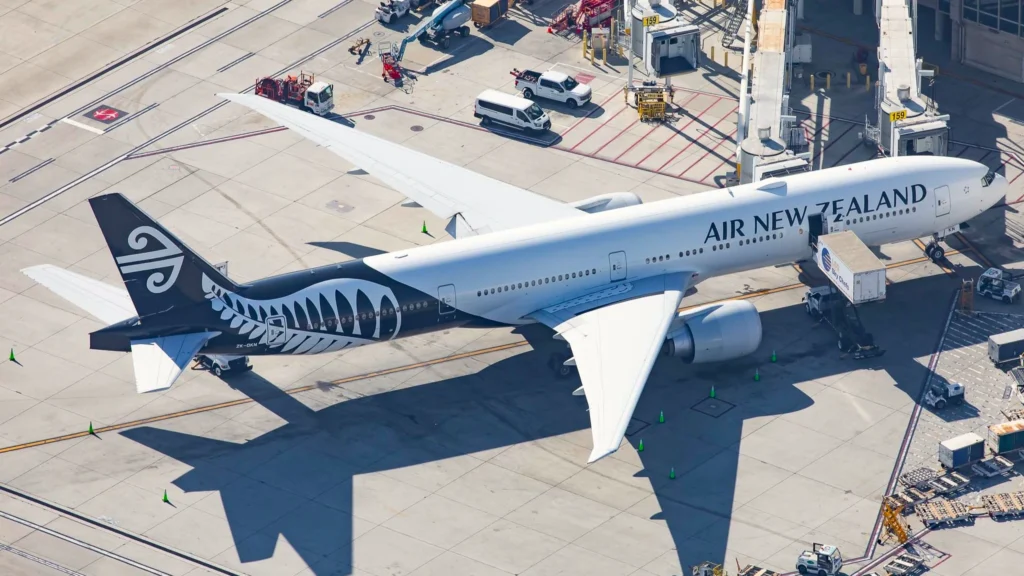
Benefits and Perks at Air New Zealand Engineering
Working within Air New Zealand’s Engineering and Maintenance division comes with the following benefits.
- Staff Travel Privileges: Eligible employees can access discounted domestic and international flights. Certain travel benefits may also extend to family members and other eligible companions.
- Retirement Contributions: Air New Zealand offers KiwiSaver-related retirement benefits, including employer contributions under applicable employment arrangements.
- Health and Wellbeing Support: Employees can access wellbeing resources, assistance programmes and certain healthcare-related benefits designed to support their physical and mental health.
- Annual Leave: Maintenance professionals receive paid annual leave, with additional leave options available through applicable company programmes.
- FlexiLeave Programme: Eligible employees may have the opportunity to purchase additional annual leave, providing greater flexibility when planning holidays or family commitments.
- Technical Development: Engineers and technicians can gain practical experience across different aircraft types, maintenance systems and specialist technical disciplines.
- Career Progression: Opportunities exist to move into licensed engineering, technical operations, maintenance planning, quality assurance and supervisory positions.
- Employee Discounts: Staff may receive discounts on hotels, retail purchases, banking, insurance, fitness memberships and other services from Air New Zealand’s partners.
- Professional Experience: Working within a major international airline allows maintenance personnel to develop experience in a highly regulated environment with established safety and engineering standards.
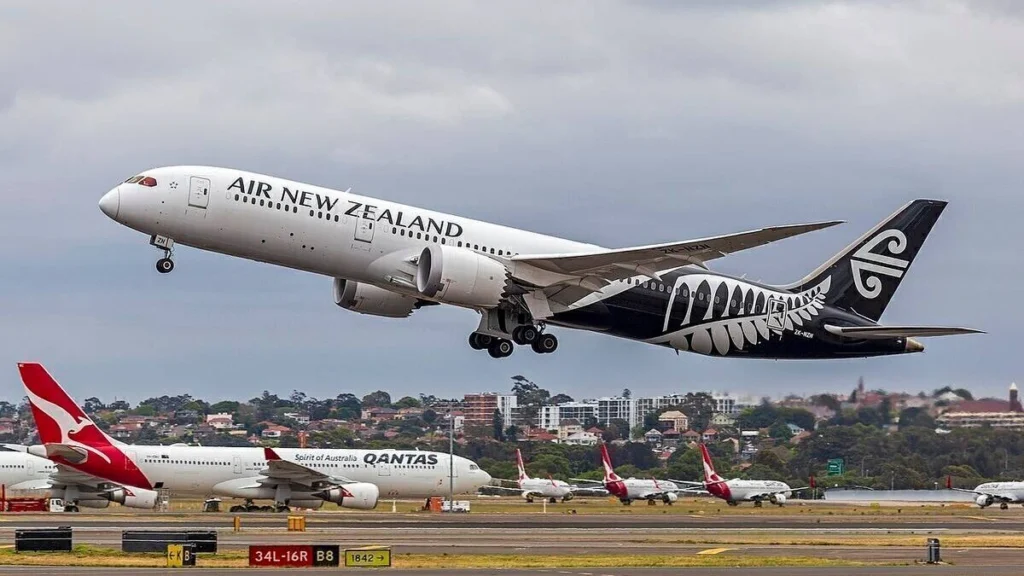
Bottom Line
Air New Zealand offers a worthwhile career opportunity for Aircraft Maintenance Technicians and Engineers in 2026, particularly for professionals seeking experience with a varied fleet and a well-established maintenance organisation.
Aircraft Maintenance Technicians may earn approximately NZ$55,000 to NZ$105,000 per year (US$32,000 to US$61,000), depending on experience and specialisation.
Aircraft Maintenance Engineers generally have higher earning potential, with experienced licensed professionals earning around NZ$115,000 to NZ$140,000 annually (US$67,000 to US$81,000). Senior specialists and engineering leaders may receive higher compensation.
Beyond salary, the airline’s travel privileges, professional development opportunities and employee benefits can make it an appealing long-term employer.
For technicians, obtaining recognised qualifications and progressing towards an aircraft maintenance licence can improve career prospects. Licensed engineers, meanwhile, can strengthen their earning potential through additional aircraft approvals, specialist experience and greater technical responsibility.
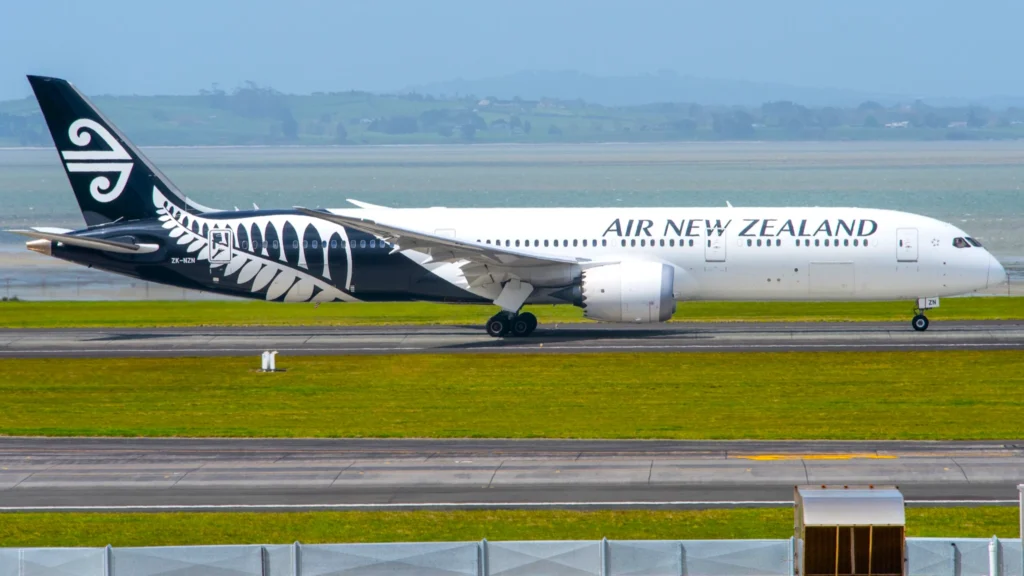
FAQs
Aircraft Maintenance Technicians may earn approximately NZ$55,000 to NZ$105,000 per year (US$32,000 to US$61,000), depending on experience, qualifications and specialisation. Newly qualified technicians generally earn less than experienced maintenance personnel.
Licensed and certifying positions generally require an appropriate aircraft maintenance licence recognised by the Civil Aviation Authority of New Zealand, along with relevant aircraft ratings and employer authorisations. Some non-certifying maintenance and engineering positions have different qualification requirements.
Yes. Overseas engineers may be eligible for suitable vacancies, provided they meet the employer’s requirements and applicable New Zealand immigration and licensing conditions. Recognition of overseas qualifications, aircraft experience, and the ability to obtain the necessary work authorisation can influence recruitment eligibility.
Stay tuned with us. Further, follow us on social media for the latest updates.
Join us on Telegram Group for the Latest Aviation Updates. Subsequently, follow us on Google News
