

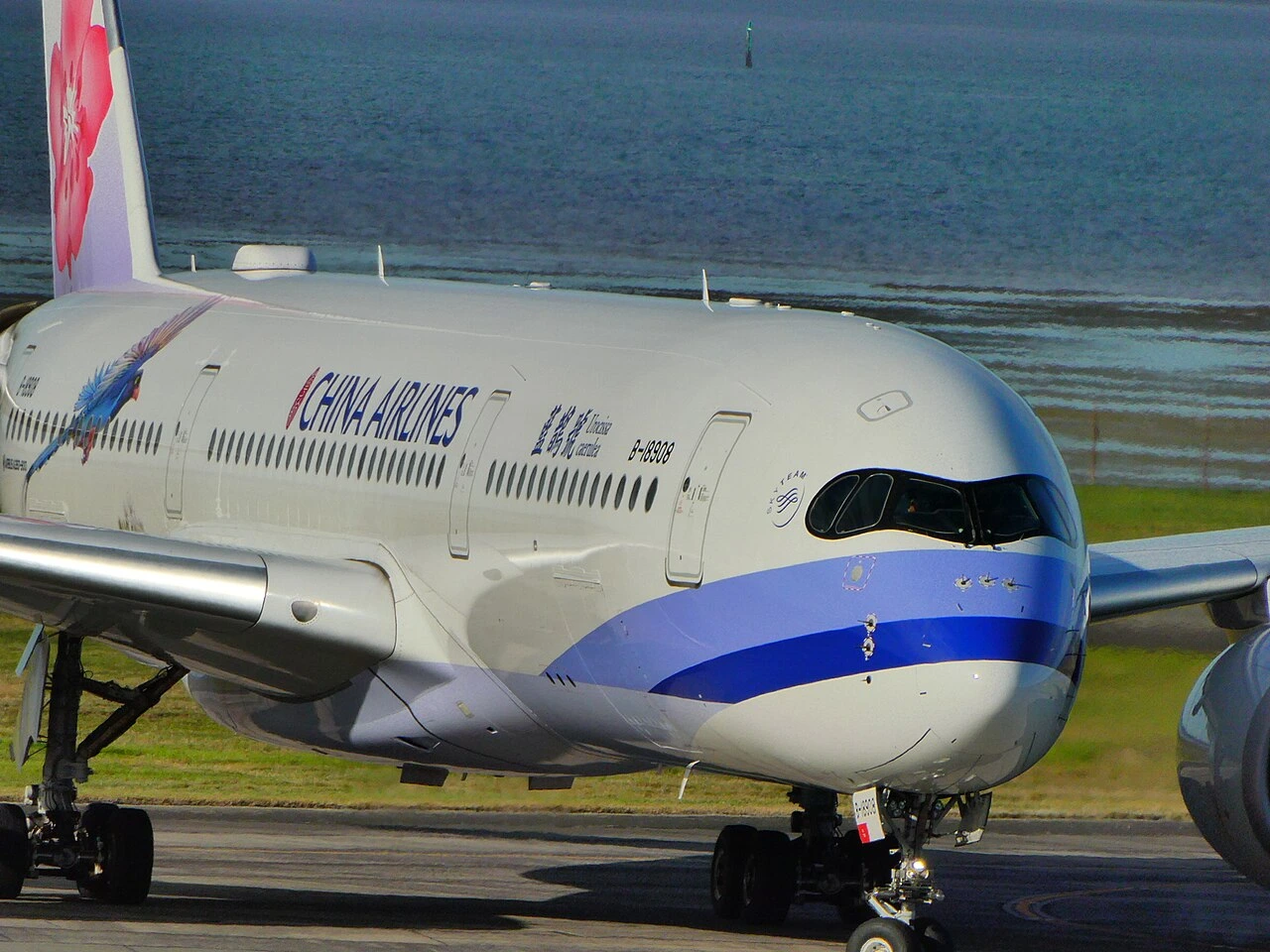
ISLAMABAD — Taiwan’s two largest international carriers, China Airlines (CI) and EVA Air (BR), have resumed flights through Russian airspace after avoiding it for more than four years. The route changes began on October 25, 2026, as the airlines adjusted services between Taiwan Taoyuan International Airport (TPE) and European destinations following reports that Pakistan had restricted their access to its airspace under Beijing’s One China policy.
The development highlights how geopolitical tensions can reshape international flight paths, even when airlines have not announced a formal change in their routing policies. However, Pakistan’s Civil Aviation Authority subsequently approved overflights by both carriers from October 28, 2026, through March 27, 2027, leaving questions about the reported restriction and its reversal.
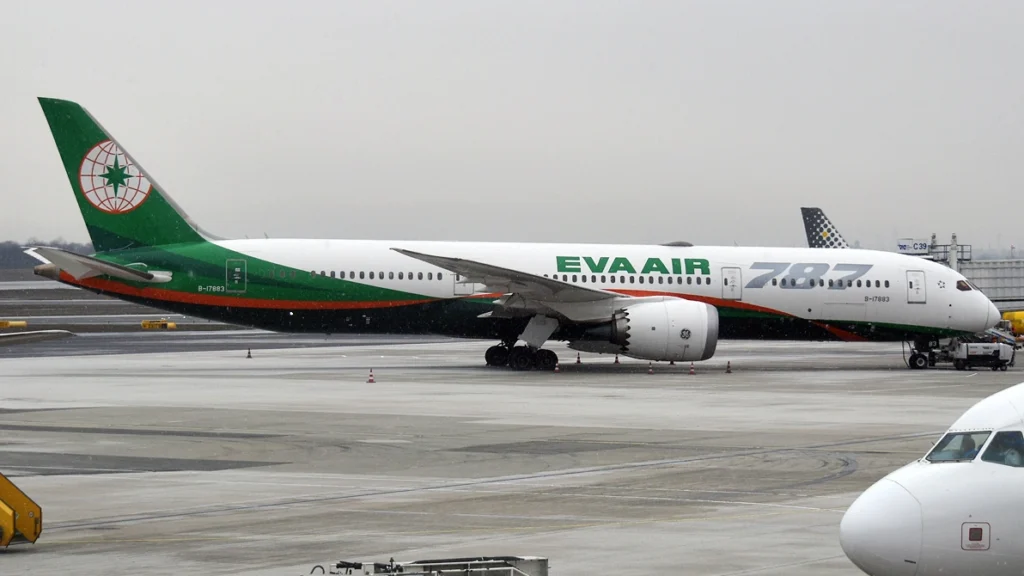
Flights Rerouted Over Russia
Flight-tracking data showed that China Airlines and EVA Air began avoiding Pakistani airspace over the weekend, prompting several services to take alternative routes through Russia. At least a dozen flights connecting Asia and Europe reportedly used Russian airspace after the changes began.
China Airlines Flight CI75, operating from Taiwan to Rome Fiumicino Airport (FCO), was among the services observed using the northern route.
EVA Air also resumed Russian overflights on services connecting Paris Charles de Gaulle Airport (CDG) with Taipei, while other flights continued using southern routes that bypassed Pakistan.
Before the changes, the airlines generally routed European services through parts of South Asia and the Middle East. Avoiding both Pakistani and mainland Chinese airspace can limit their options, potentially increasing flight distances, fuel consumption and operating costs.
The carriers had avoided Russian airspace since Russia launched its full-scale invasion of Ukraine in February 2022. However, reports indicate that this was a voluntary operational restriction rather than a formal Russian ban on Taiwanese airlines.
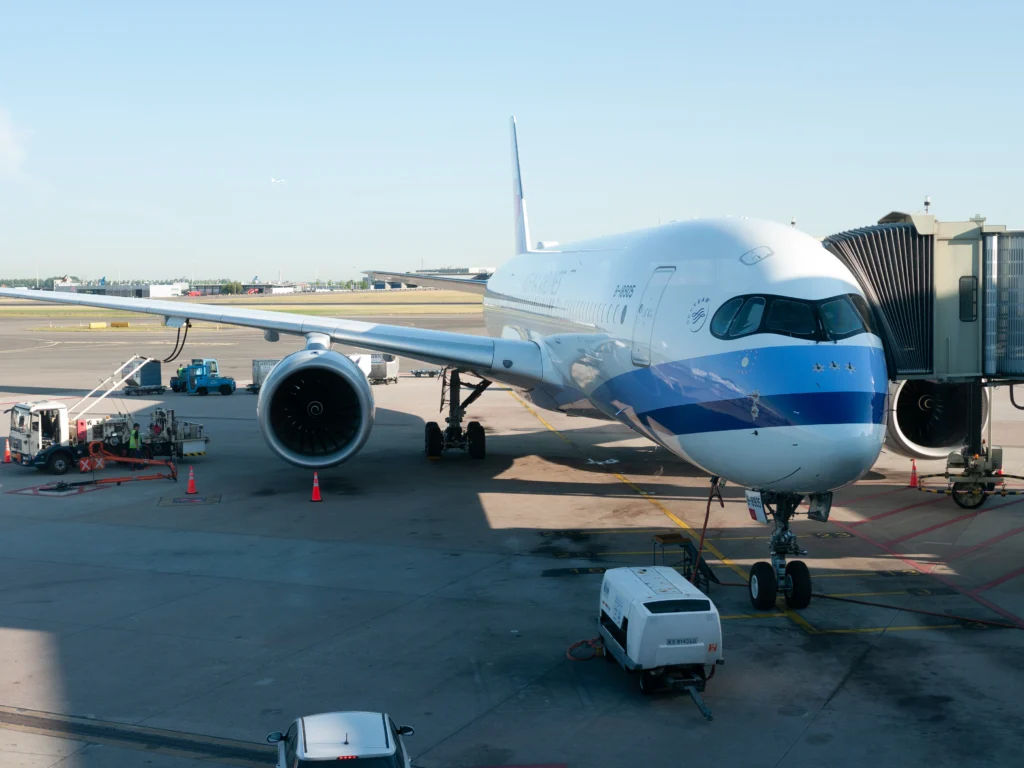
One China Policy Dispute
Pakistan’s reported restriction was linked to its longstanding support for Beijing’s One China policy. Pakistani Defence Minister Khawaja Asif told Bloomberg that the country’s aviation division followed the policy and permitted only mainland Chinese airlines to fly through its airspace.
Beijing considers Taiwan part of its territory, while Taiwan operates under its own government. The dispute has influenced international diplomatic relations, with China opposing formal recognition of Taiwan as an independent state.
Pakistan’s reported position appeared to go further than mainland China’s own aviation practice, as Taiwanese airlines have continued to operate flights through Chinese airspace. The episode also demonstrated how diplomatic decisions can affect commercial aviation beyond the countries directly involved.
Neither China Airlines nor EVA Air publicly commented on the reported route changes. Taiwan’s aviation authorities also did not directly explain the airlines’ decisions to resume flights over Russia.
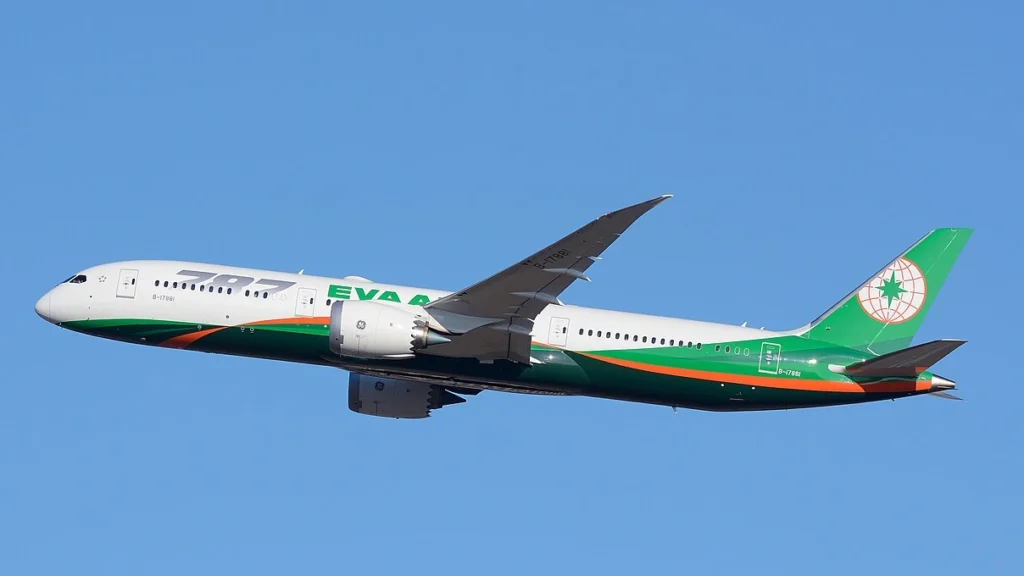
Pakistan Restores Access
The situation changed on October 28, when Pakistan’s Civil Aviation Authority issued overflight approvals for both Taiwanese carriers.
Documents cited by Pakistani media covered passenger and cargo flights from October 28, 2026, to March 27, 2027, PYOK flagged.
The approvals did not explicitly refer to an earlier ban or explain whether the authorities had reversed a formal restriction. Pakistani officials had not publicly clarified the discrepancy as of October 29.
For the airlines, restored access to Pakistani airspace could provide greater flexibility when planning European services. Whether they return to their previous southern routes or continue using Russian airspace will depend on operational considerations, costs and the permissions available to them.
The episode underscores the connection between international aviation and geopolitical policy.
Although the reported restriction appears to have been short-lived, it prompted route changes across multiple long-haul services and brought the One China dispute into sharper focus for Taiwan’s airline industry.
Stay tuned with us. Further, follow us on social media for the latest updates.
Join us on Telegram Group for the Latest Aviation Updates. Subsequently, follow us on Google News
