


CHICAGO- United Airlines (UA) is facing criticism after a MileagePlus 1K member reported that a flight attendant removed a small backpack from an overhead bin in the United Polaris business-class cabin to make room for an economy passenger’s larger carry-on. The passenger said the incident occurred during an 11-hour international flight.
The complaint describes crowded boarding, interrupted pre-departure drink service, and disagreements over overhead-bin access. The passenger did not disclose the flight number, route, or airport, so the departure and arrival airport codes cannot be confirmed.
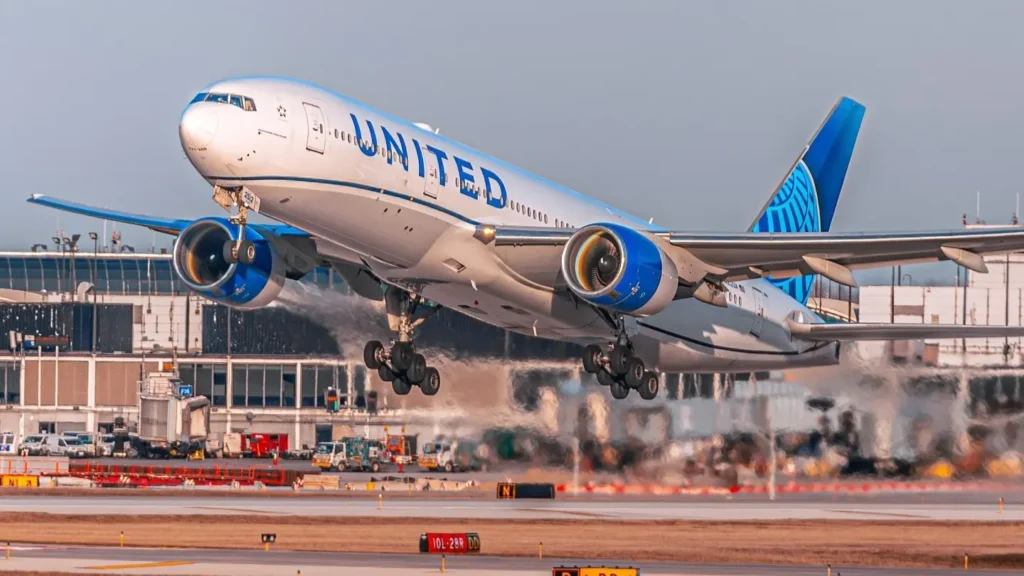
United Polaris Passenger Reports Overhead Bin Dispute
The passenger described the incident in a Reddit post published on October 25, 2026. According to the account, the traveler had checked their larger luggage and brought only a small backpack containing fragile items that they did not want to place in checked baggage.
The passenger, who identified as a United MileagePlus 1K member, said the problems began when boarding reached Groups 5 and 6. According to the post, flight attendants working in economy directed passengers toward the Polaris business-class cabin to find available overhead-bin space.
The traveler estimated that between 50 and 70 passengers entered the business-class cabin to look for room. Passengers reportedly opened overhead compartments and placed their bags inside, creating congestion that interrupted the predeparture beverage service.
The passenger said someone had already placed a full-size carry-on in the overhead bin above their seat. Shortly afterward, an economy flight attendant moved the backpack onto the floor and placed another large carry-on in its former position.
When the passenger questioned why the flight attendant had not asked before moving the backpack, the crew member reportedly replied that overhead bins were intended for large bags and instructed the traveler to place the backpack under the seat.
The passenger also complained that they did not receive their pre-departure drink or an apology.
In an edit to the Reddit post, the passenger clarified that the flight attendant had not actually thrown the backpack onto the floor. The attendant had placed it there, possibly intending to retrieve it later. The passenger also reported eventually finding space for the backpack in another overhead bin three or four compartments away.
The account generated mixed reactions. Some commenters criticized the handling of the passenger’s belongings, while others argued that overhead-bin space should be shared across the aircraft when capacity allows. Other passengers described similar boarding situations, although some questioned the estimated crowd size and the claim that the backpack could safely fit in the Polaris footwell.

Do United Airlines Rules Allow Backpacks in Overhead Bins?
The dispute raises a common question about airline baggage policies: must smaller bags go under the seat, even when overhead space remains available?
United Airlines publishes carry-on baggage requirements that address permitted items and baggage restrictions. However, the policy discussion cited in the original report does not establish a blanket rule that all small backpacks must stay under the seat or that overhead bins are exclusively for larger suitcases.
United’s baggage policy is available on its official carry-on baggage page.
The distinction between a personal item and a carry-on bag remains important. Smaller personal items are generally intended to fit under the seat, while larger carry-on bags normally use the overhead compartment. The actual storage arrangement can depend on the aircraft, available space, and airline procedures.
The US Federal Aviation Administration (FAA) also requires airlines to ensure that carry-on baggage is properly stowed for taxi, takeoff and landing. Airlines operate under approved baggage programs, and passengers must follow crew instructions on safe baggage storage.
These safety requirements do not automatically establish that every passenger is entitled to a dedicated overhead bin. They also do not, by themselves, resolve whether moving an already stowed backpack was the best way to manage the reported boarding problem.
United’s contract of carriage provides additional conditions governing passenger baggage and airline operations.
The central issue is therefore not simply whether a backpack belongs overhead. It is how the airline allocates available storage space, communicates its instructions, and manages luggage when the economy cabin runs short of room, View from the Wing reported.
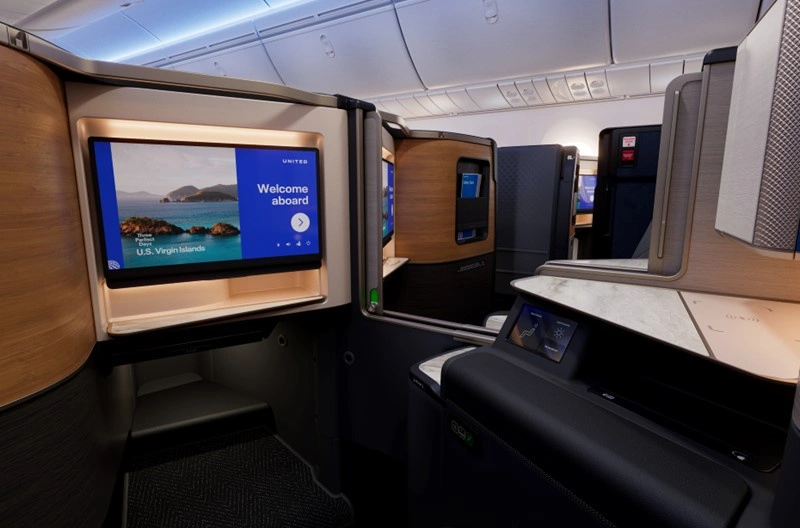
Polaris Footwell Restrictions Add Another Layer
The instruction to move the backpack under the seat also raises questions about storage space in the Polaris business-class cabin.
United Polaris seats have different layouts and footwell arrangements from standard economy seats. A bag that fits under an ordinary seat may not fit comfortably in a premium-cabin suite without affecting the passenger’s legroom or interfering with seat mechanisms.
The location of the bag matters. Placing an item on an ottoman or in a storage shelf beneath the entertainment screen is different from placing it entirely underneath the ottoman.
The passenger argued that the backpack could fit beneath the ottoman. Other commenters disputed whether bags could be kept in the footwell during all phases of the flight. The distinction is important because passengers must store belongings in approved locations and comply with crew instructions, particularly before taxi, takeoff and landing.
The available account does not establish the aircraft type, exact Polaris seat configuration or the backpack’s dimensions and weight. Those details would help determine whether the suggested footwell storage arrangement was suitable.
Consequently, the incident cannot establish that the flight attendant’s instruction violated an aviation safety rule. It does, however, highlight the importance of giving passengers clear guidance about storage restrictions in premium cabins.

Sharing Empty Bins Is Different From Removing a Stowed Bag
Overhead-bin space is shared cabin space, not personal property automatically assigned to the passenger sitting beneath a particular compartment.
Airlines have a practical reason to use available storage efficiently. If overhead space remains empty while other passengers must place their carry-on bags elsewhere or check them, the aircraft’s storage capacity is not being used effectively.
However, filling an empty bin is different from creating space by removing another passenger’s belongings.
In the reported incident, the passenger said a large carry-on had already been placed in the compartment above their seat before the backpack was moved. The passenger objected to the way the crew member handled the situation, rather than simply questioning whether economy passengers could use business-class storage.
A coordinated approach could allow Polaris passengers to stow their belongings during boarding before staff direct other passengers toward genuinely available space. If the cabin becomes crowded, flight attendants can identify suitable compartments, reorganize bags where necessary and arrange gate checks when the available capacity cannot accommodate them.
Crew members may need to move baggage to keep the cabin safe and use the available space effectively. However, explaining the reason for a change and handling a passenger’s belongings carefully can prevent a routine storage issue from becoming a customer-service complaint.
Passengers should also avoid moving other travelers’ bags themselves. Decisions about cabin storage should remain with the crew, which is responsible for ensuring that baggage is stowed safely.
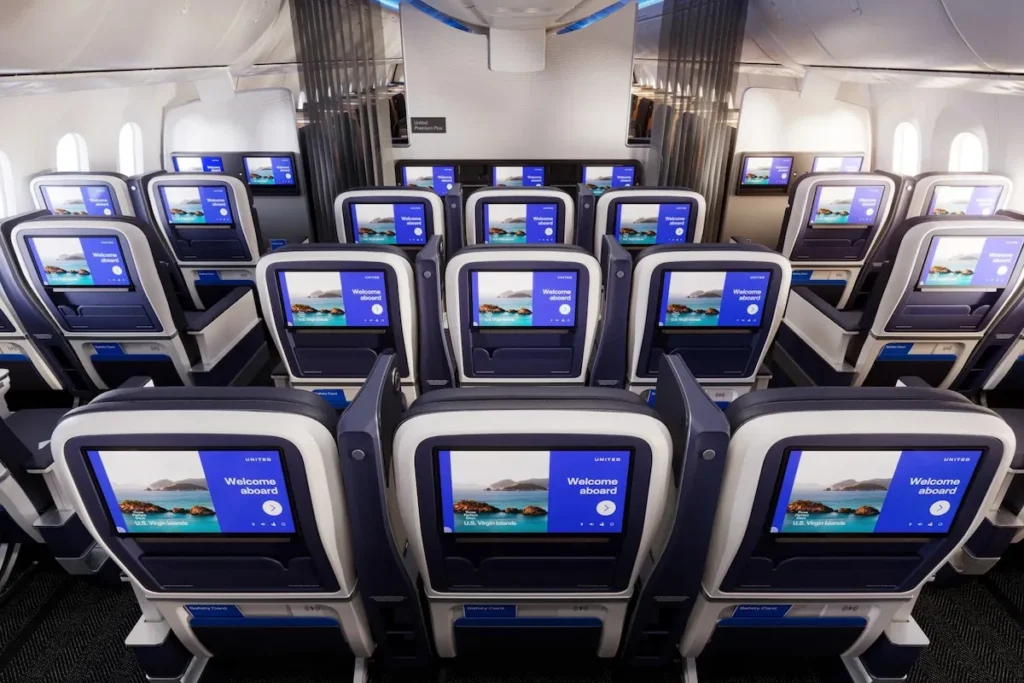
United’s Premium Service Promise Faces Scrutiny
The complaint comes as United Airlines continues to promote improvements in its onboard experience, technology and customer service.
In its October 20, 2026, third-quarter earnings announcement, United reported its highest third-quarter customer satisfaction score, measured by net promoter score, since 2022. The airline also highlighted its investments in onboard technology, Wi-Fi and customer experience.
Those company-wide results provide useful context, but they do not establish what happened during the reported flight or indicate how frequently similar incidents occur.
For a passenger travelling in business class on an 11-hour international journey, the experience involves more than the seat, food and onboard technology. Boarding procedures, access to storage space and interactions with flight attendants also shape the passenger’s overall impression of the service.
The reported interruption to predeparture drinks and the alleged exchange over the backpack illustrate how cabin-management decisions can affect that experience.
United must also balance competing operational demands. Economy passengers need somewhere to store their carry-on bags, while premium-cabin passengers expect the airline to manage their cabin in an organized manner. These requirements do not necessarily conflict, provided the crew communicates clearly and uses available space systematically.
A single online complaint cannot establish a broader decline in service quality. Nevertheless, it demonstrates why boarding procedures and staff communication matter alongside investments in aircraft interiors and digital services.
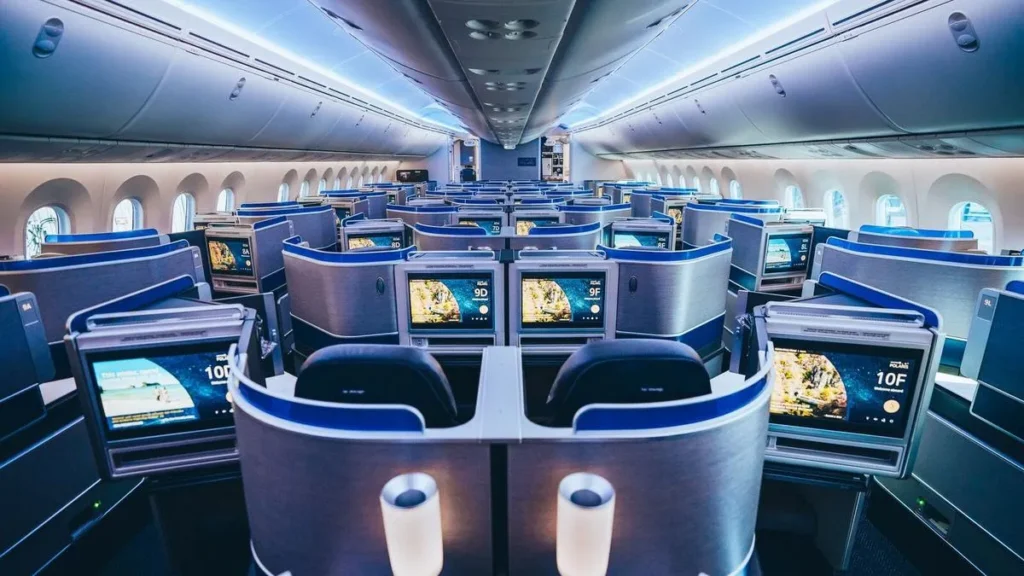
Crew Training and Accountability Matter More Than Union Status
The incident also raises a broader question about how airlines train staff to resolve disagreements during boarding.
Union membership alone does not determine the quality of passenger service. Hiring standards, training, staffing levels, operating procedures and management accountability all influence how employees handle difficult situations.
Flight attendants sometimes have to make quick decisions about baggage placement, especially when passengers arrive late in the boarding process and overhead compartments are nearly full. Consistent procedures can help crew members manage those situations without creating unnecessary confrontations.
United has previously faced intense scrutiny over passenger handling following the 2017 incident in which a passenger was forcibly removed from a United Express flight. The airline’s subsequent emphasis on de-escalation provides relevant background to the broader discussion of conflict management.
In the current case, the reported problem was not a refusal to follow a safety instruction. It concerned the removal of an already stowed backpack, the allocation of space to another passenger’s bag and the manner in which the change was communicated.
A clear boarding process could help prevent similar situations. Economy cabin crew could coordinate with the Polaris team before directing a large number of passengers into the premium cabin. Staff could also identify available bins before asking passengers to rearrange belongings.
The passenger’s account remains an individual report, and the available information does not independently verify every detail of the incident. However, the complaint highlights a practical challenge for United: using cabin storage efficiently while maintaining the organized boarding process and service standards expected by passengers across all cabins.
Stay tuned with us. Further, follow us on social media for the latest updates.
Join us on Telegram Group for the Latest Aviation Updates. Subsequently, follow us on Google News
