

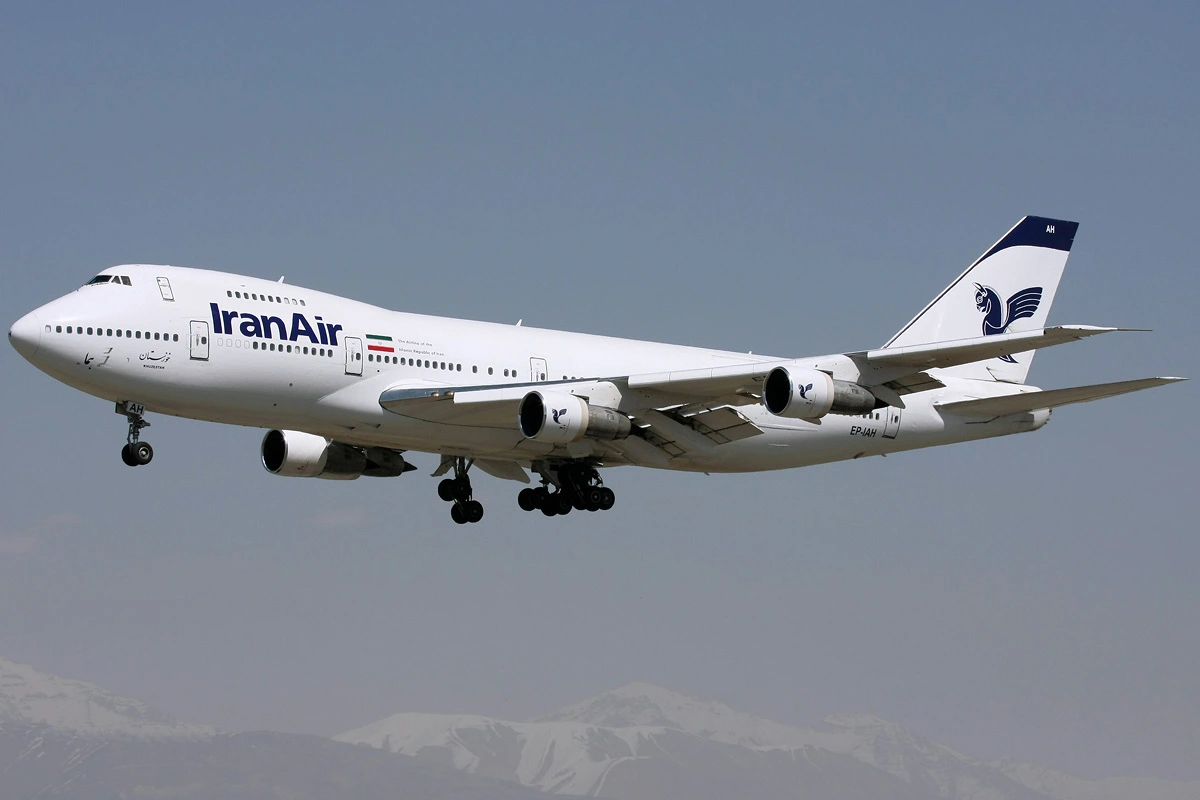
TEHRAN- Iran Air (IR) has begun an extensive maintenance programme on its only Boeing 747-200 Combi, registration EP-ICD, at Tehran Imam Khomeini International Airport (IKA). The 38-year-old aircraft requires major structural inspections after reaching the threshold of 20,000 flight cycles.
The aircraft last operated on routes connecting Tehran with Tianjin Binhai International Airport (TSN) in China in September 2026. Its return date remains uncertain, with reports indicating different timelines for the work amid ongoing parts shortages and Western sanctions.
Iran Air’s Boeing 747 Undergoes Major Overhaul
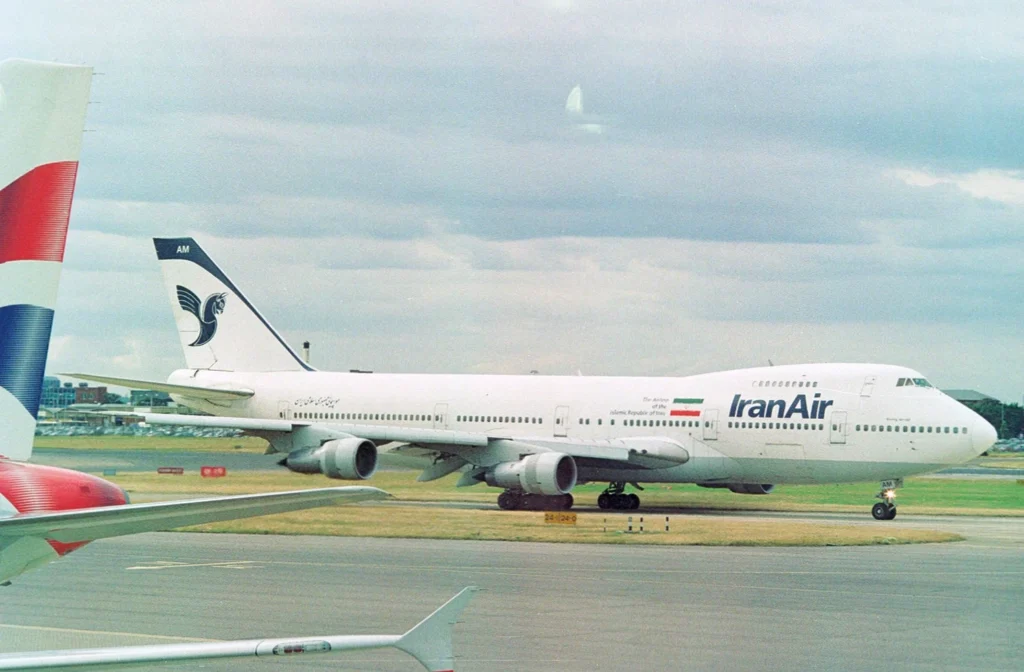
Iran Air has started one of its most extensive maintenance projects on the Boeing 747-200 Combi EP-ICD. The work began in late September 2026 and includes a D-check and an inspection linked to the aircraft reaching 20,000 flight cycles.
According to aeroTELEGRAPH, the combined maintenance programme represents a first for Iran, with the airline carrying out the heavy inspections using its own engineering capabilities. The project is particularly important because the aircraft is Iran Air’s only Boeing 747 and has experienced periods of inactivity because of difficulties obtaining parts.
The aircraft must undergo these checks to continue operating safely. A flight cycle generally consists of one takeoff and one landing. Repeated pressurisation and depressurisation place stress on the fuselage, potentially causing metal fatigue over decades of operation.
The maintenance programme includes detailed structural inspections to identify fatigue cracks and other damage that may develop after thousands of flights. The aircraft’s forward fuselage is among the areas requiring additional examination.
Maintenance Timeline Remains Uncertain
Iran Air CEO Taher Abdolhai discussed the aircraft’s maintenance requirements at a press conference on October 19, 2026. He initially estimated that the work would take approximately one and a half to two months, suggesting that the aircraft could return before the end of the year.
However, an updated timetable published by Iran Air on Telegram reportedly indicated that the maintenance would take at least six months, according to aeroTELEGRAPH.
A separate report published by ch-aviation on October 27 repeated the CEO’s earlier estimate. The difference between the reported timelines means the exact return-to-service date remains unclear. The aircraft’s actual availability will depend on the findings of the inspections and the completion of the necessary repairs.
Structural Repairs and Landing Gear Work
The D-check is among the most extensive routine maintenance procedures performed on an aircraft. Engineers inspect major structural components, including areas that are difficult to access during ordinary maintenance.
For EP-ICD, the work also includes reinforcing the structure around the landing gear attachment points and completely overhauling the landing gear. Technicians will disassemble and inspect the relevant components, replacing critical parts and components that have reached their approved service-life limits.
The maintenance programme also involves adjustments to the aircraft’s horizontal stabilizer, the movable surface on the tail that helps control pitch. These activities are intended to address the aircraft’s accumulated wear and ensure it meets the necessary technical and safety requirements.
Iran Air has reportedly developed specialised tools for the project. This approach reflects the airline’s need to perform more maintenance in-house because international sanctions restrict its access to replacement parts, specialised equipment and manufacturer support, Simple Flying reported.
EP-ICD’s Final Flights Before Maintenance
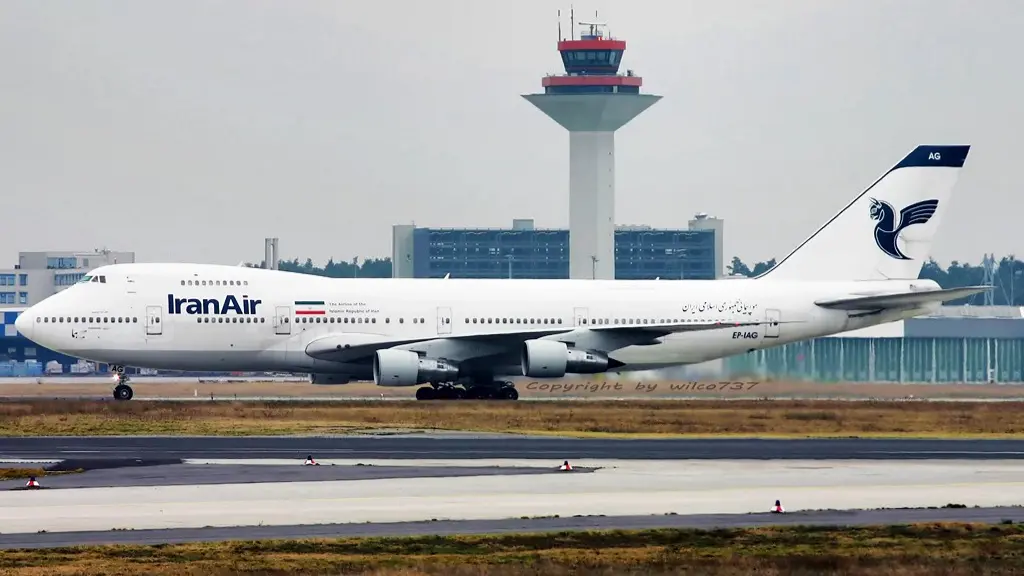
Before entering maintenance, EP-ICD remained active on several international cargo services. The aircraft primarily operated between Tehran and Tianjin in recent months, while August 2026 also saw multiple flights to Macau International Airport (MFM).
The aircraft had previously been grounded following the military attacks on Iran in late February 2026. It returned to service on May 9, 2026, and subsequently resumed international operations.
Its activity declined in September as Iran Air prepared the aircraft for the extended maintenance programme. Flight-tracking data records services between Tehran and Tianjin during the month, with the aircraft returning to Tehran in the second half of September before entering maintenance.
The grounding removes an important aircraft from Iran Air’s already constrained fleet. The airline will need to complete the inspections, resolve any technical issues and confirm the aircraft’s airworthiness before it can resume commercial operations.
Iran Air Faces Fleet and Parts Shortages
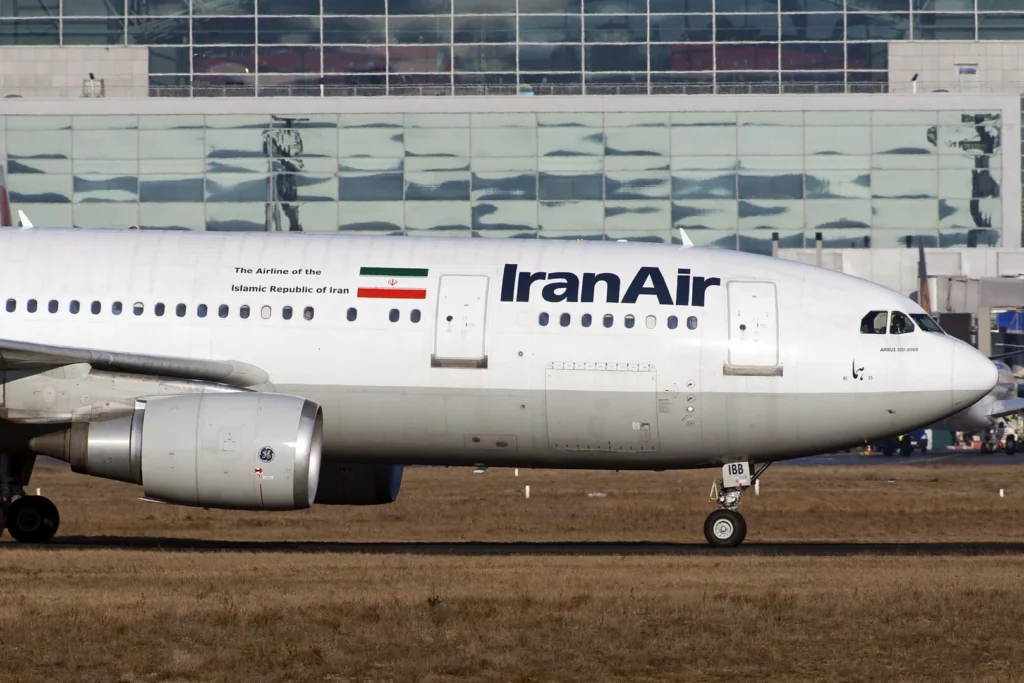
The maintenance programme comes as Iran Air continues to face substantial operational challenges. At the October 19 press conference, Abdolhai said the airline had only six active aircraft, highlighting the extent of its fleet limitations.
Sanctions have made it difficult for Iranian airlines to obtain aircraft components, specialised maintenance equipment and direct support from international manufacturers. These restrictions complicate the repair of older aircraft, particularly when maintenance requires specialised parts or extensive structural work.
Abdolhai has also identified accumulated debt and reduced international operations as challenges for the airline. Returning grounded aircraft to service therefore requires more than completing technical inspections. Iran Air must also secure the necessary components and financial resources while meeting safety requirements.
EP-ICD’s maintenance project illustrates the challenge of keeping older aircraft operational under these conditions. The Boeing 747’s eventual return could restore an important cargo capability, although its operational impact will depend on the airline’s wider fleet and route requirements.
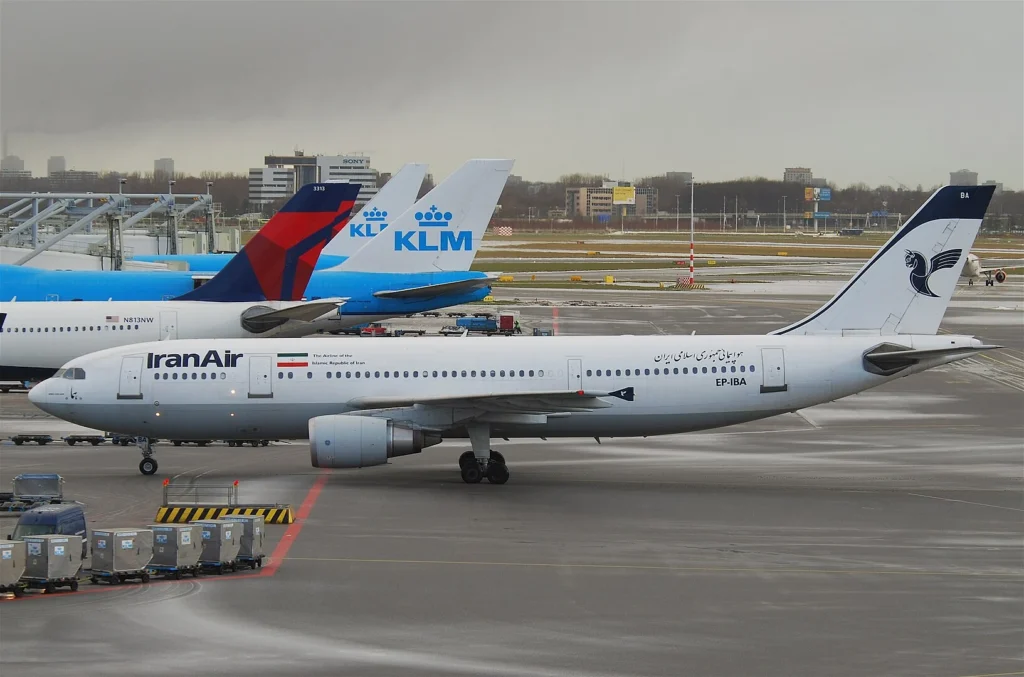
From Martinair to Iran Air: A Long Aircraft History
The Boeing 747-200 Combi entered service with Dutch carrier Martinair in September 1988 as PH-MCF. Its original configuration allowed it to carry passengers and freight on the same aircraft, providing greater flexibility than a conventional passenger or all-cargo aircraft.
During its career with Martinair, the aircraft was also leased to Australian airline Qantas for operations carrying a mixture of passengers and cargo. Martinair eventually converted the aircraft to an all-cargo configuration in 2006.
The aircraft left Martinair in October 2007 and briefly operated under Turkish charter airline Ankair as TC-AKZ in 2008. It joined Iran Air in June 2008 and received its current registration, EP-ICD.
The aircraft is now configured exclusively for cargo operations. After approximately 38 years of service, its future depends on the successful completion of the heavy maintenance programme and the availability of the resources needed to return it to commercial service.
Stay tuned with us. Further, follow us on social media for the latest updates.
Join us on Telegram Group for the Latest Aviation Updates. Subsequently, follow us on Google News
