

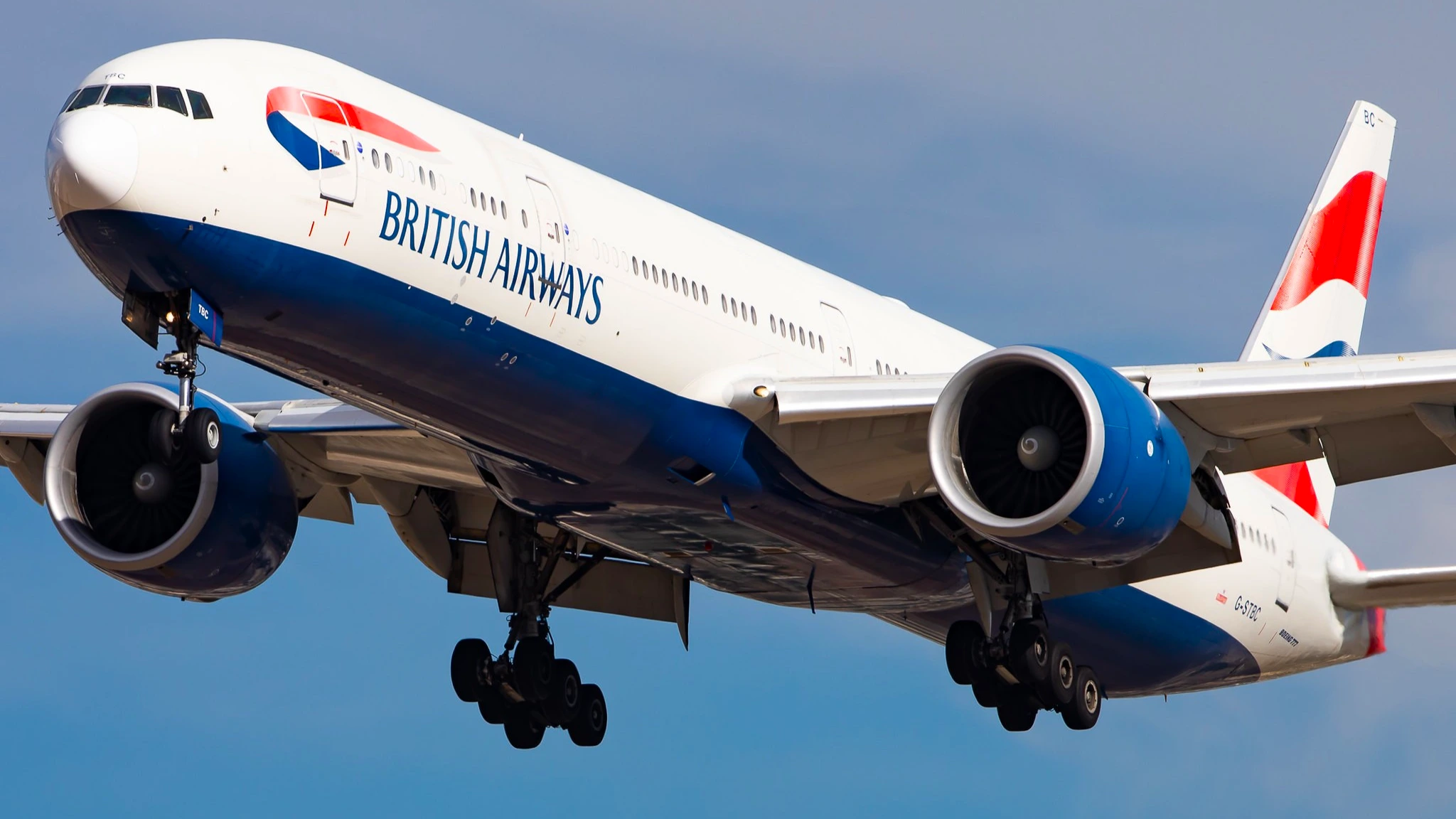
LONDON- A British Airways (BA) Boeing 777 reportedly bound for New York encountered a fast-moving, unidentified silver object shortly after departing London Heathrow Airport (LHR) on June 24, 2026. The object passed close to the aircraft as it climbed through 5,800 feet, prompting an investigation by the UK Airprox Board.
The pilot described the object as metallic, reflective, and approximately the “size of four toasters.” Although the crew initially suspected a drone, investigators could not determine its identity. The Board classified the encounter as Category A, indicating that a definite risk of collision may have existed.

British Airways 777 Reports Close Encounter Near Heathrow
According to the UK Airprox Board’s official report, the incident occurred at 12:08 UTC, approximately four nautical miles northeast of Guildford, Surrey. The Boeing 777 was climbing towards 6,000 feet after departing Heathrow when the pilot spotted the object travelling rapidly in the opposite direction.
The pilot reported that the object passed no more than 50 feet above the aircraft’s altitude and very close to its right wing. The encounter occurred while the aircraft was climbing through 5,800 feet, leaving the flight crew little time to assess the unidentified object.
The pilot reported the sighting to air traffic control. A controller at the London Terminal Control Centre recorded the crew’s description of a fast-moving object that appeared silver, metallic, and reflective.
When asked to estimate its size, the pilot compared it to four toasters. However, the report did not establish precise dimensions or confirm that the object was a drone. The official record lists the object as unidentified rather than a confirmed unmanned aircraft.
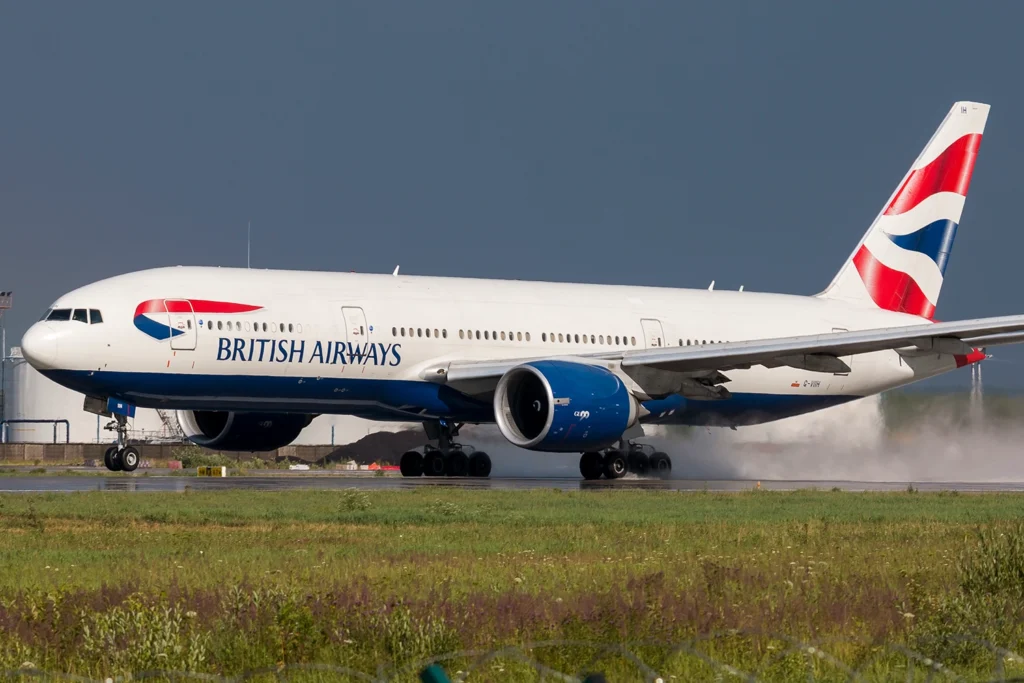
UK Airprox Board Could Not Identify the Object
The UK Airprox Board reviewed the encounter during its meeting on September 16, 2026, under case number 2026127.
As part of the investigation, NATS Safety Investigations reviewed radar data from the time of the reported sighting. The review found no associated radar contacts that could confirm the presence or movement of the suspected drone.
The absence of a corresponding radar contact meant investigators could not independently establish what the pilot had seen. The Board concluded that the reported altitude and description were insufficient to determine the nature of the unknown object.
Despite the uncertainty surrounding its identity, the Board assigned the incident an ICAO Category A risk rating. Its assessment stated that providence had played a major part in the incident and/or that a definite risk of collision had existed.
The classification highlighted the potential danger of an unidentified object operating close to a passenger aircraft. However, the investigation did not establish that the object was a drone or identify anyone responsible for it.
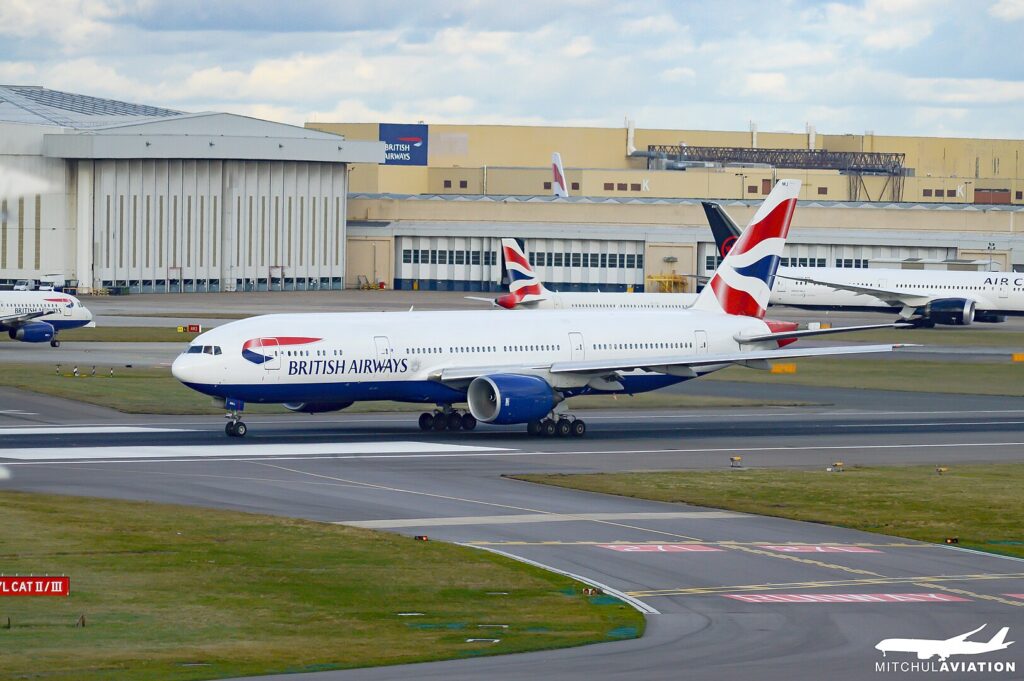
British Airways Says Aircraft Continued Its Flight
According to the initial reports, the aircraft did not need to make an evasive manoeuvre and continued towards its destination as planned.
A British Airways spokesperson said the airline takes such incidents seriously and expects pilots to report them so the relevant authorities can investigate and take appropriate action.
The encounter did not result in a reported flight disruption. However, the unidentified object’s proximity to the aircraft raised concerns about the risks posed by objects operating near commercial flight paths.
Media reports identified the aircraft as a British Airways flight bound for New York City. The UK Airprox Board’s official summary, however, records the aircraft only as a Boeing 777 and does not independently confirm the airline, flight number, or destination.
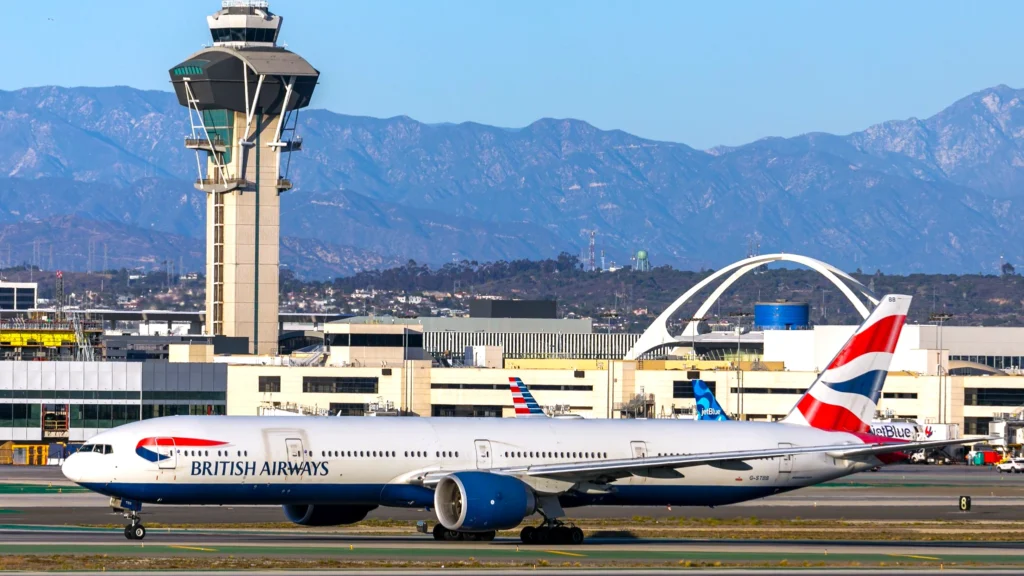
Why Unidentified Objects Near Aircraft Raise Safety Concerns
Objects operating close to passenger aircraft can create safety concerns, particularly when pilots encounter them during climb or descent. Flight crews must assess potential hazards while maintaining control of the aircraft and complying with air traffic control instructions.
In this case, the object’s speed, reflective appearance, and reported proximity made it difficult to establish its identity. The radar review also failed to provide independent evidence that could resolve the uncertainty.
The investigation therefore left a central question unanswered: what crossed the Boeing 777’s flight path near Guildford? While the pilot initially suspected a drone, the available evidence did not allow investigators to confirm that identification.
The incident demonstrates why reports of potential conflicts between aircraft and unidentified objects require formal investigation, even when a flight continues without a reported disruption.
Stay tuned with us. Further, follow us on social media for the latest updates.
Join us on Telegram Group for the Latest Aviation Updates. Subsequently, follow us on Google News
