


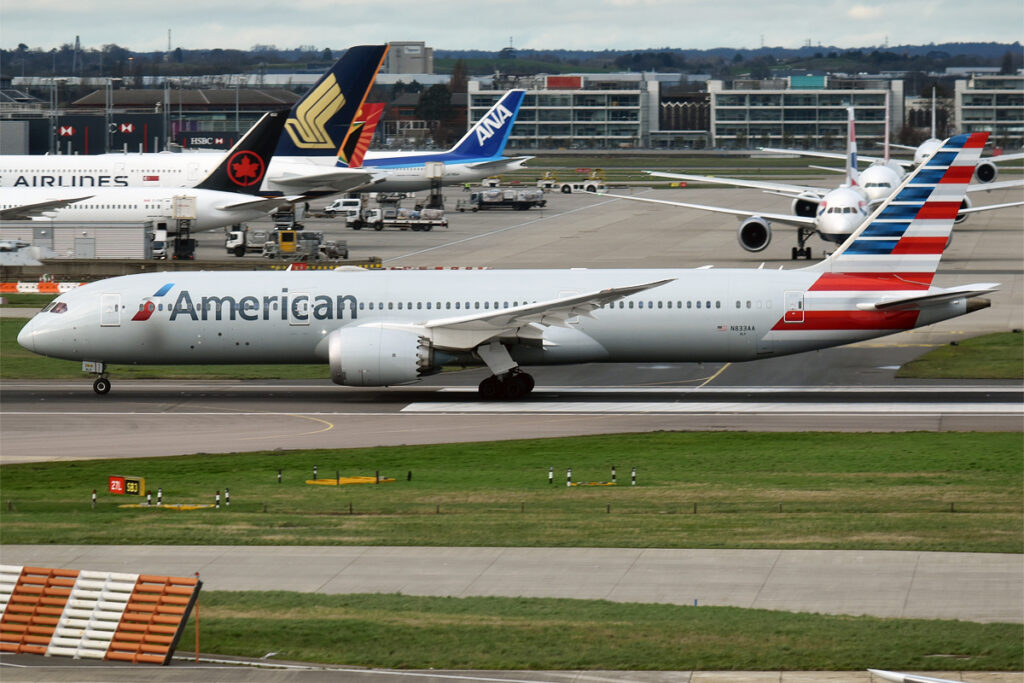
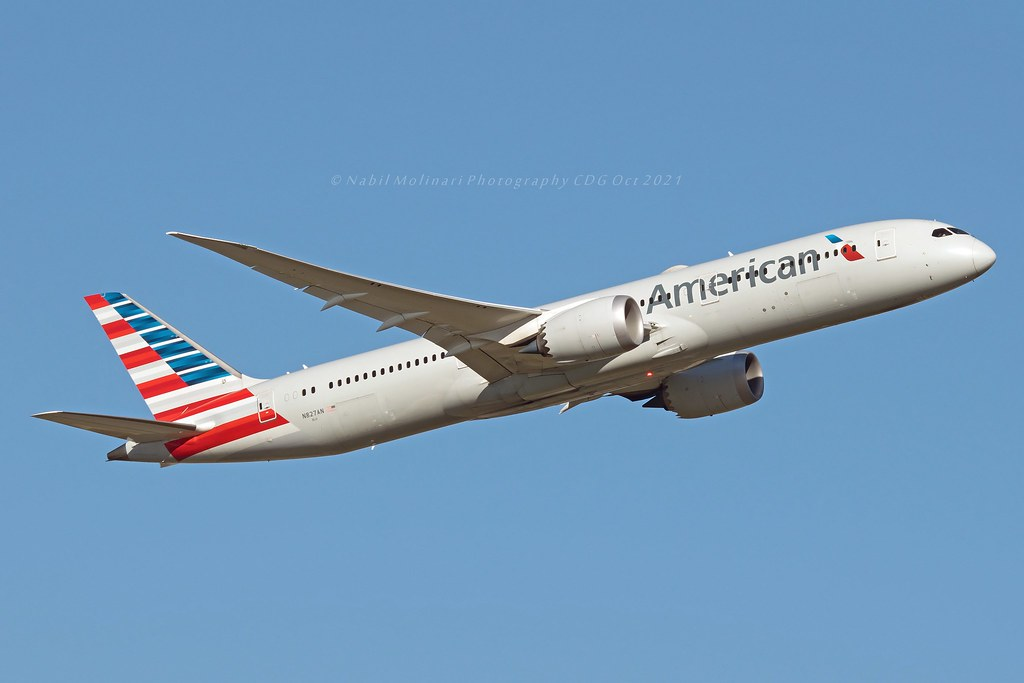
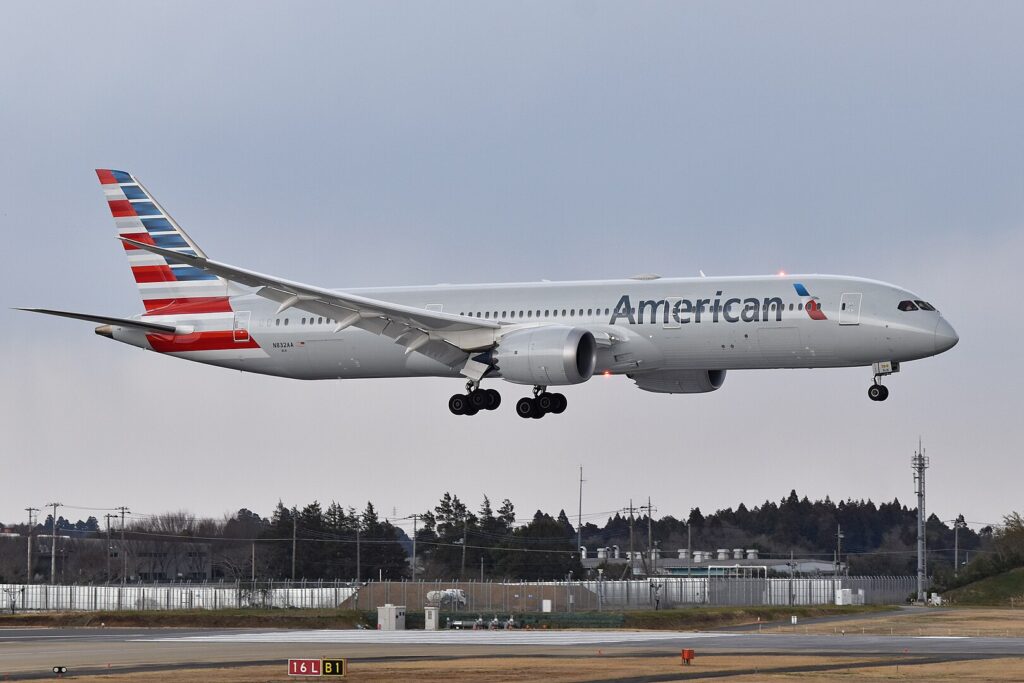
FORT WORTH- American Airlines (AA) Boeing 787 pilot, C.W. Lemoine, says he left a job paying more than $300,000 a year after commuting, overnight flights and limited recovery time affected his quality of life.
His experience involved a Miami assignment linked to Miami International Airport (MIA), pandemic-era career disruptions and dissatisfaction with long-haul flying. He eventually resigned and moved into law enforcement helicopter aviation.
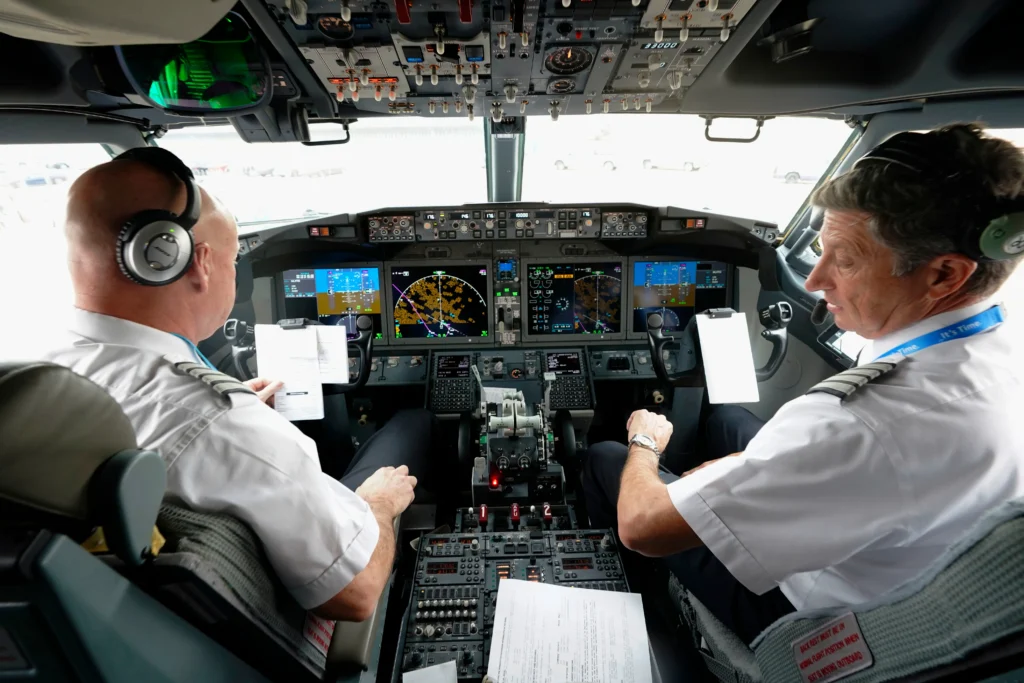
Why Well-Paid American Airlines Pilot Chose to Leave
The pilot’s decision to leave American Airlines was not primarily about salary. According to his account, the job offered strong compensation but did not provide the work-life balance he wanted.
Lemoine says he had enough of commuting, overnight flights and spending his days off recovering. He wanted to be home, and he did not recover well from overnight flying. He also complains about management.
According to View from the Wing, Lemoine says American threatened him over a contract dispute and showed little interest when he walked away.
The pilot says he emailed his resignation to the Miami chief pilots but received no response. His scheduled trips then disappeared, and his employee login stopped working four days later.
Although he viewed the lack of a response as part of a disappointing departure, the removal of employee system access after resignation is a routine administrative and security measure. The access change alone does not establish unusual treatment by the airline.
His experience highlights a broader career consideration for airline pilots: a high salary and valuable seniority do not necessarily make a job suitable for every individual’s lifestyle.
From Military Aviation to American Airlines
Before entering airline flying, the pilot built an extensive military aviation background. He flew F-16 fighter aircraft, Navy F/A-18s and T-38s before moving into commercial aviation.
He was excited when American Airlines offered him a position. His first interview took place by video, and he later recalled that he decided not to wear pants for the interview.
At the time, he lived in New Orleans and wanted to be based in Miami. However, his initial assignment options were both described as New York-based Boeing 737 positions. He eventually obtained a Miami base, but commuting to that location remained a source of frustration.
The source account says he was earning more than $300 an hour and had a job with annual compensation exceeding $300,000. Despite the financial benefits, the travel demands and schedule did not match his preferred lifestyle.
Pandemic Leave Disrupted His Career Plans
The pilot expected to move to the Boeing 757 and 767 in 2020. American Airlines retired those aircraft during the COVID-19 pandemic, changing his anticipated career path.
He then took paid pandemic leave, followed by unpaid leave and personal leave. According to his account, he did not fly for American Airlines between 2020 and 2024.
Eventually, the airline required him to return to active flying, and he resumed work on the Boeing 787.
This extended absence created a significant break in his airline career. It also left him returning to a fleet assignment that he later concluded was not the best fit for his preferences.
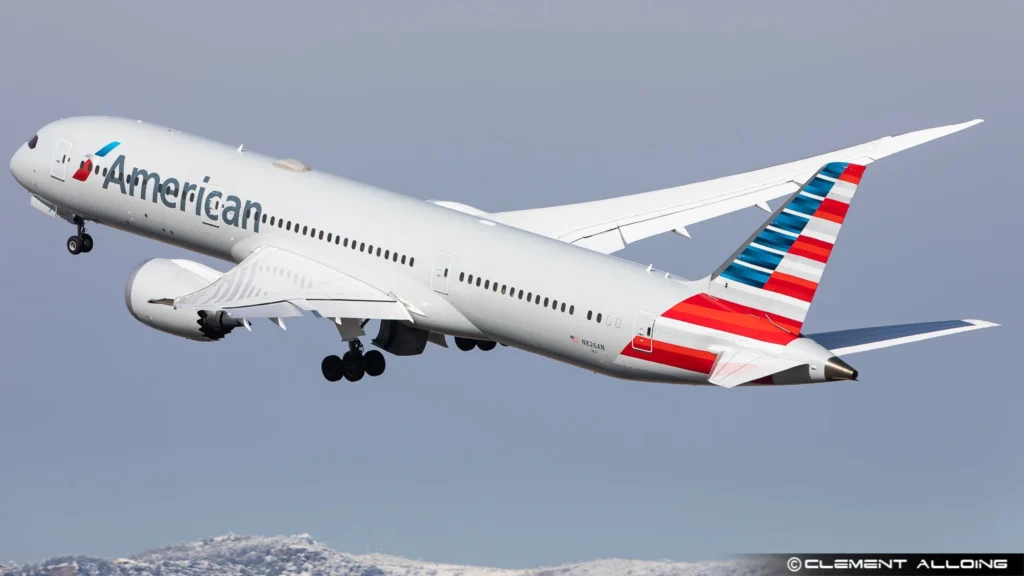
Why Boeing 787 Did Not Suit His Lifestyle
After returning to American Airlines, the pilot subsequently went out on medical leave again. He wanted to fly Boeing 777 aircraft from Dallas but remained assigned to the 787.
His main preference was domestic flying rather than the long-haul schedule associated with the widebody operation he described. Overnight trips and the recovery time they required made it difficult for him to enjoy his days off.
Looking back, he believes he should have used his seniority to move to Airbus narrowbody aircraft.
“That’s where I basically screwed up,” he said, acknowledging that his fleet choices contributed to the mismatch between his career and his preferred lifestyle.
His assessment is important because it places some responsibility on his own career decisions rather than attributing the entire problem to the airline. He believes a different aircraft assignment could have offered a more suitable schedule without requiring him to leave American.
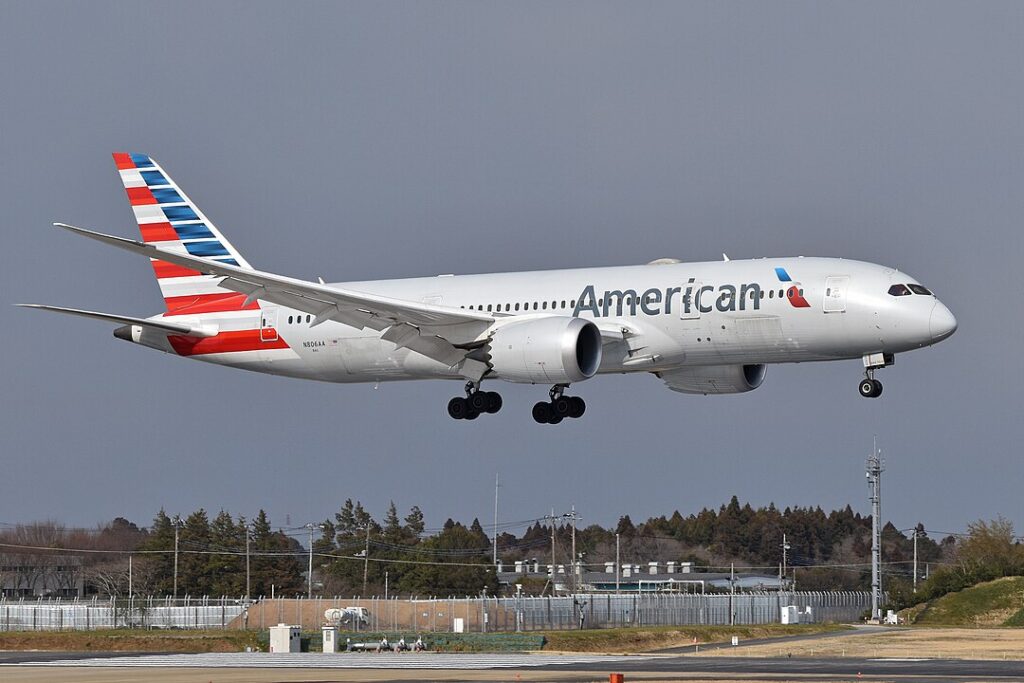
Scheduling and Quality-of-Life Concerns
The pilot’s complaints also fit into a broader discussion about airline schedules and working conditions.
The account notes that, in 2023, an American Airlines pilot union leader advised junior pilots to apply to Delta Air Lines instead, citing quality-of-life and scheduling concerns.
That episode provides context for the wider debate about working conditions, although it does not independently establish the circumstances of this pilot’s experience.
Airline flying involves constraints that can affect pilots across carriers, including commuting, overnight stays, irregular schedules, and time spent recovering between trips. The severity of these issues depends on the route structure, fleet assignment, base and individual circumstances.
For the pilot, the central problem was not simply American Airlines management. It was also the nature of the flying he had chosen and his realization that it did not fit the life he wanted.
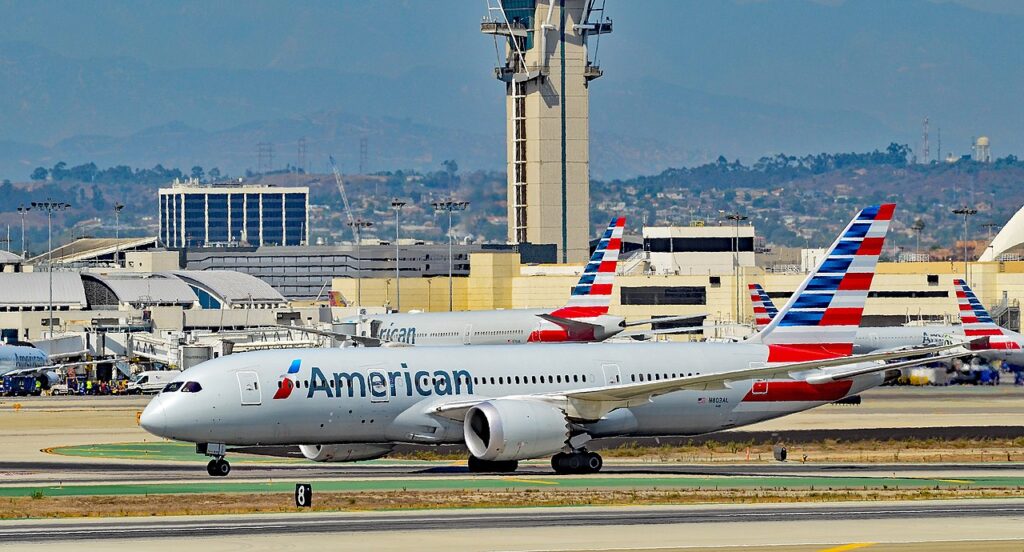
Seniority Made Leaving a Significant Decision
Seniority plays a major role in an airline pilot’s career. It can influence aircraft assignments, base choices, schedule preferences, and access to desirable trips.
Leaving an airline generally means giving up accumulated seniority. A pilot who moves to another carrier typically enters that airline’s seniority system at the bottom, regardless of experience gained elsewhere.
The pilot says he was projected to reach approximately number 140 on the seniority list by retirement. That position could have given him substantial future control over his working life, depending on the airline’s staffing, fleet structure and bidding arrangements.
Giving up that potential advantage was therefore a significant decision. Seniority can encourage pilots to remain in jobs they no longer enjoy because leaving means surrendering benefits that took years to accumulate.
In this case, the pilot decided that the value of greater personal freedom outweighed the long-term advantages of remaining at American Airlines.
Resignation and Loss of System Access
The pilot says his resignation email to the Miami chief pilots went unanswered. He then saw his trips disappear from his schedule, followed by the loss of his employee login four days later.
He also says the airline threatened him during a contract dispute and did not show much interest when he finally decided to leave. Those statements describe his account of the relationship; the available source material does not independently establish the details of the alleged threat.
The administrative changes should be assessed separately from his broader criticism. Removing a departing employee’s access to scheduling and company systems is a normal security procedure and does not, on its own, demonstrate hostility or misconduct.
The more substantial issue is whether the career structure, scheduling options and working conditions gave him a realistic path to a job he found sustainable. His own account suggests that he believed a different fleet assignment might have helped, but he ultimately chose to leave the airline altogether.
Lemoine is telling his story to promote a book he wrote. It follows a burned-out former fighter pilot who leaves the airlines for law enforcement aviation.
What Airline Pilots Can Learn From His Decision
The pilot’s experience shows why aircraft selection, base location, commuting requirements and schedule preferences deserve careful consideration during an airline career.
A high salary can be attractive, but its value depends partly on how much time and energy a job leaves for life outside work. Seniority can improve schedule control, yet it can also make an unhappy pilot reluctant to leave because changing airlines means starting over in a new seniority system.
The pilot now believes he could have made a better decision by moving to an Airbus narrowbody fleet and pursuing more domestic flying. That possibility is central to his account: leaving American Airlines was not necessarily the only route to a better lifestyle, but it was the route he ultimately chose.
His circumstances also helped make that decision possible. Owning his home outright, carrying no debt and having other professional opportunities gave him more flexibility than a pilot with substantial financial obligations might have.
Career Change Driven by Lifestyle, Not Salary
The former American Airlines Boeing 787 pilot says he gave up a job paying more than $300,000 a year because the lifestyle no longer suited him. His military background, airline seniority, and strong compensation did not eliminate the challenges associated with commuting, overnight flying, and recovery time.
He acknowledges that choosing a narrowbody aircraft and more domestic flying might have improved his experience. Nevertheless, he decided to leave airline aviation for law enforcement helicopter work rather than remain in a career he no longer wanted.
The central lesson is not that a high-paying airline job is a poor choice. It is that compensation and seniority cannot guarantee job satisfaction. For this pilot, control over his time and a more suitable style of flying ultimately mattered more than preserving his airline career until retirement.
Stay tuned with us. Further, follow us on social media for the latest updates.
Join us on Telegram Group for the Latest Aviation Updates. Subsequently, follow us on Google News
