

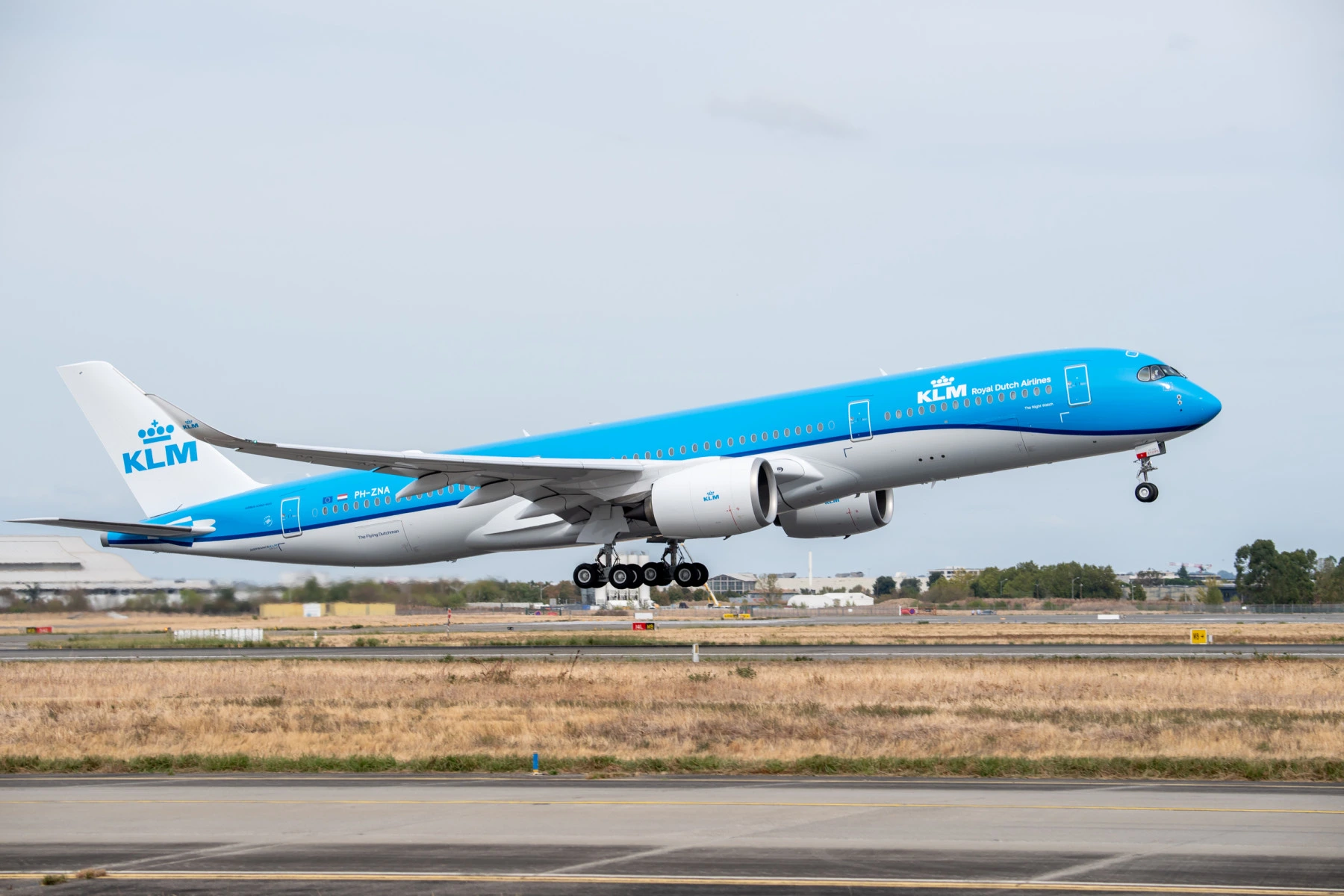
WASHINGTON- KLM Royal Dutch Airlines (KL) has received a $320,000 (€286,000) penalty from the U.S. Department of Transportation (DOT) over more than 100 flights through restricted Iraqi airspace while operating under a codeshare agreement with Delta Air Lines (DL). The flights, which took place between January 2022 and May 2025, violated U.S. restrictions applicable to foreign airlines operating services under an American carrier’s flight code.
The enforcement action, announced on October 23, 2026, also targets KLM’s sister airline, Air France (AF), which faces a separate $105,000 fine. The two penalties total $425,000, with the U.S. authorities directing both airlines to prevent similar violations in the future.
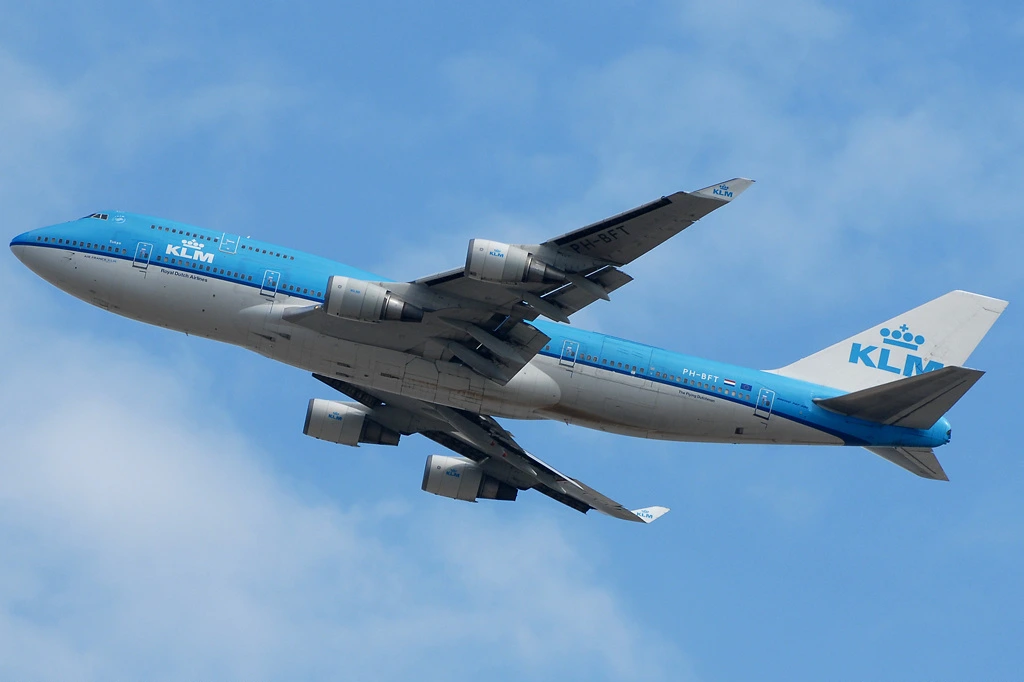
KLM Faces $320,000 Fine
The DOT’s investigation found that KLM operated more than 100 flights carrying Delta’s designator code through the Baghdad Flight Information Region (FIR) in Iraq.
Under the settlement, the Dutch airline must pay $200,000 within 60 days, while the remaining $120,000 is suspended unless it commits another violation covered by the order within one year.
The case centres on a Federal Aviation Administration (FAA) restriction that prohibits U.S. airlines and commercial operators from flying below Flight Level 320, equivalent to approximately 32,000 feet, in the Baghdad FIR.
The restriction was extended in October 2020 and remains in force until October 26, 2027.
Although the flights were operated by European carriers, the use of Delta’s code brought them within the relevant U.S. regulatory requirements.
Codeshare agreements allow airlines to market seats on another carrier’s aircraft under their own flight numbers, meaning the airline selling a ticket may differ from the one operating the flight.
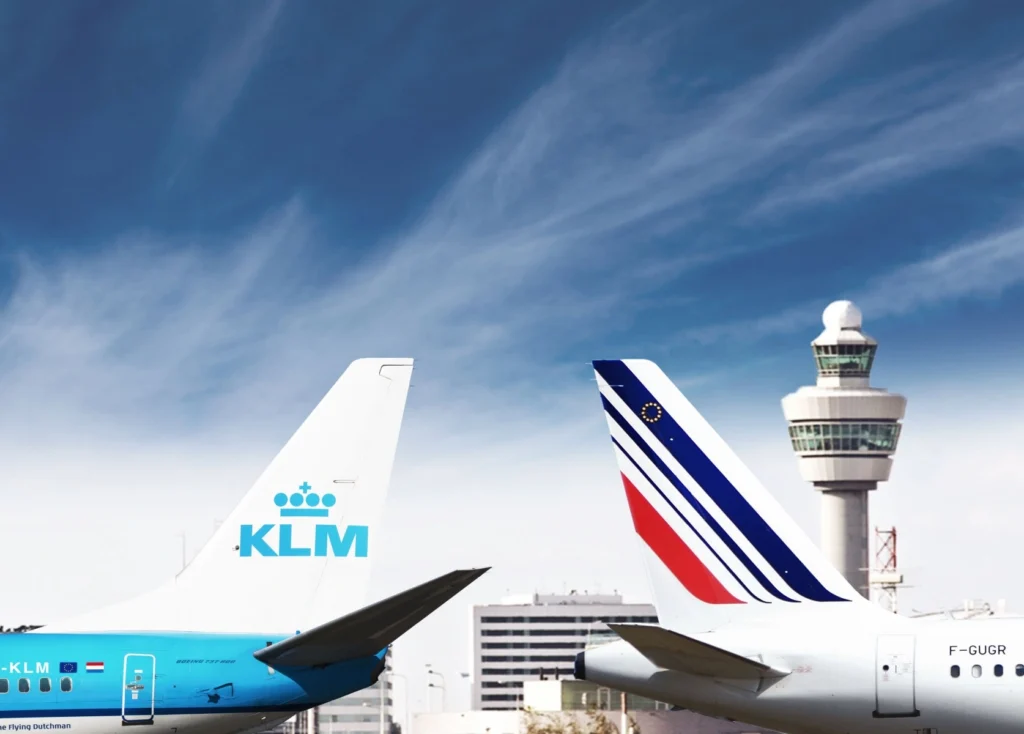
Air France Also Penalized
Air France received a $105,000 penalty for more than 30 flights carrying Delta’s code through the restricted airspace between April 2022 and November 2025.
Of that amount, $65,000 must be paid within 60 days, while the remaining $40,000 is suspended under conditions similar to those applied to KLM.
Both airlines told U.S. authorities that air traffic controllers in Iraq had instructed their crews to descend or had refused permission to climb because of conflicting traffic.
They argued that the flights qualified for an emergency exemption, citing the safety implications of disregarding air traffic control instructions.
However, the DOT’s enforcement action focused on the airlines’ continued operation under Delta’s code despite the restrictions. The department said carriers should take preventive steps, including changing routes or removing the U.S. airline’s code where necessary, rather than continuing operations that violate the applicable rules.
U.S. Transportation Secretary Sean Duffy said airlines using American carrier codes must comply with the country’s safety regulations. Both KLM and Air France were ordered to cease and desist from similar violations.
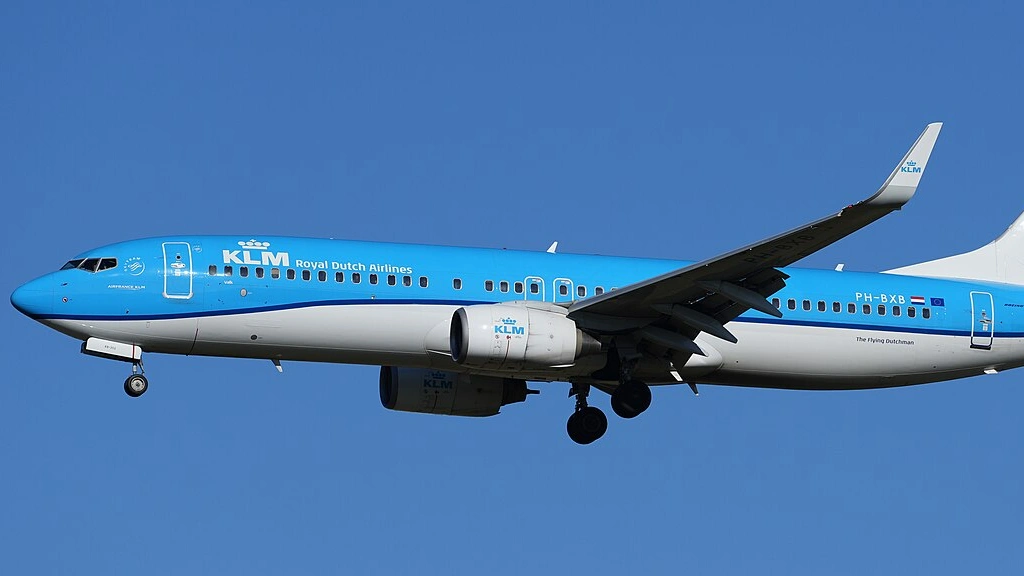
Conflict Zone Safety Concerns
The penalties highlight the regulatory challenges airlines face when operating through regions affected by conflict or heightened security risks.
Iraq’s airspace restrictions reflect concerns that military activity and threats from the ground could endanger civil aircraft flying at lower altitudes.
KLM maintained that its flights were emergency situations and that neither passengers nor crew members were placed in danger. The airline also said it had implemented measures to strengthen compliance with airspace restrictions and signed the settlement agreement.
The broader safety concerns surrounding conflict-zone operations remain significant for international aviation.
In July 2014, Malaysia Airlines Flight MH17 was shot down over eastern Ukraine, killing all 298 people on board, including 196 Dutch nationals, NL Times reported.
The tragedy remains a reminder of the risks associated with flying through areas where military threats can affect civilian aircraft.
The DOT’s action against KLM and Air France reinforces the importance of complying with airspace restrictions when operating under codeshare arrangements, even when another airline operates the aircraft.
Stay tuned with us. Further, follow us on social media for the latest updates.
Join us on Telegram Group for the Latest Aviation Updates. Subsequently, follow us on Google News
