


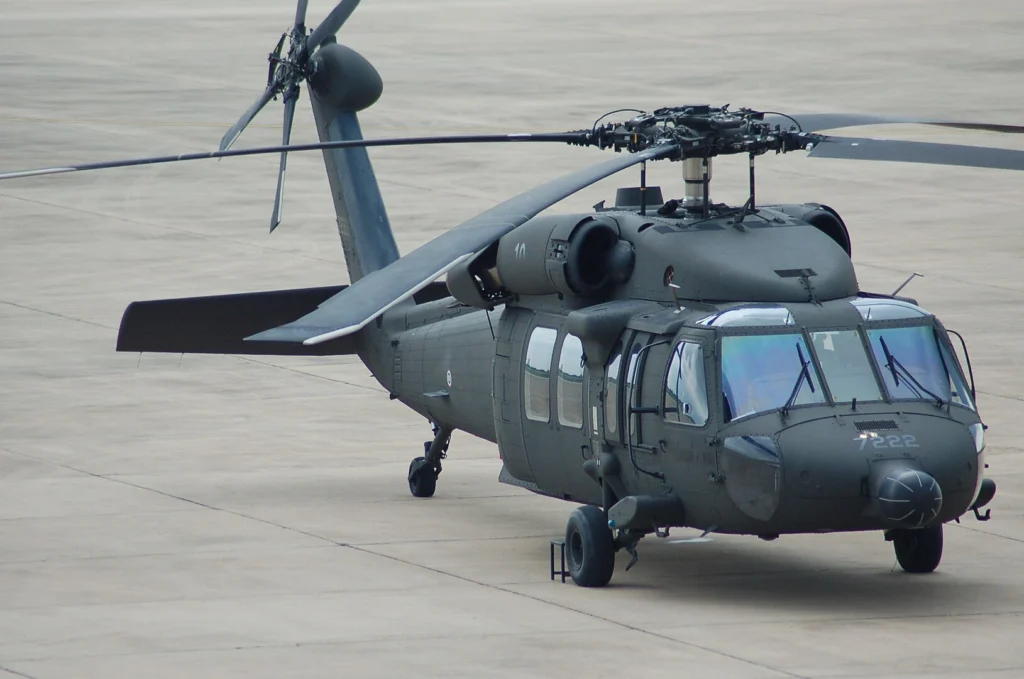
OTTAWA- Canada has reportedly paused plans to acquire 16 US-made Sikorsky UH-60M Black Hawk helicopters as trade tensions with Washington reshape its defence procurement priorities.
The helicopters were intended to replace aging CH-146 Griffon aircraft supporting Canadian special operations forces. The reported pause raises fresh questions about Ottawa’s reliance on American military equipment, but it does not amount to a confirmed cancellation.

Ottawa Reassesses a Planned Black Hawk Purchase
Canada has reportedly halted progress on the planned purchase of 16 UH-60M Black Hawk helicopters manufactured by Sikorsky, a subsidiary of Lockheed Martin. The acquisition was intended to modernize aviation support for Canadian special operations units and replace older CH-146 Griffon helicopters.
According to reporting cited by Radio-Canada, the acquisition was moving through the US Foreign Military Sales (FMS) programme. The US State Department had approved the proposed sale, and the transaction was approaching congressional notification when Ottawa ordered the pause.
The reported hold dates to summer 2026, shortly before Canadian and US trade negotiators met in Washington for discussions that later broke down. Government and defence-industry sources linked the decision to the failed negotiations and a broader review of planned Canadian military purchases from the United States.
The Eurasian Time reported the development, citing the earlier Canadian media coverage of the procurement process.
The Canadian government has not confirmed that the Black Hawk programme has been permanently cancelled. A government spokesperson said Canada continues to examine options for meeting the needs of its special operations forces and remains in contact with relevant partners.
Lockheed Martin has also indicated that it remains ready to support international customers seeking the latest UH-60M helicopters through the Foreign Military Sales programme.
The distinction between a pause and a cancellation is important. Ottawa could reconsider the purchase, revise its requirements or examine alternative platforms before making a final decision.

UH-60M Black Hawk Offers Multiple Mission Capabilities
The UH-60M Black Hawk is a military utility helicopter designed for troop transport, logistics, search and rescue, and operations in demanding environments. Its versatility has made it a widely used platform among the U.S. Army and allied militaries.
According to Lockheed Martin, the helicopter features powerful twin engines, a reconfigurable cabin, and a cargo capacity of 9,000 pounds. These features allow it to transport troops, deliver supplies, and conduct search-and-rescue missions, including in contested environments.
The manufacturer also reports that the Black Hawk family has accumulated more than 15 million flight hours across military operations worldwide. Lockheed describes the UH-60M as a combat-proven platform with a long operational record. These figures are manufacturer-reported capabilities and service-history claims.
For Canada, the proposed acquisition offered access to an established helicopter platform rather than requiring the development of an entirely new aircraft. A modern replacement would also help address the challenges associated with maintaining an aging fleet.
However, the aircraft itself is only one part of the procurement decision. Training, spare parts, maintenance, software support, delivery schedules and long-term operating costs also influence the overall value of a military helicopter programme.
Trade Tensions Between Canada and United States
The reported procurement pause comes amid a wider deterioration in Canada-U.S. relations. Trade measures, political disputes and disagreements over negotiations have increased pressure on Ottawa to reassess its economic and defence ties with Washington.
Tensions intensified in August 2026. The US imposed 50% tariffs on approximately $27.6 billion worth of Canadian goods, effective August 22.
Canada subsequently announced countermeasures intended to match the US tariffs dollar for dollar. These figures reflect the Canadian government’s official account of the trade dispute.
The developments followed a broader period of strained relations that began after Donald Trump returned to the US presidency in January 2025. His administration introduced tariffs affecting Canadian industries, and Trump repeatedly referred to Canada as the potential 51st state of the United States.
Canadian Prime Minister Mark Carney pushed back against suggestions from U.S. officials that Canada had abandoned trade negotiations for political reasons.
“I don’t think, with all respect, appointed, unelected cabinet members in the United States are experts on Canadian politics,” Carney said, according to the original reporting.
Another dispute arose on August 27, 2026, when Trump signed an executive order directing U.S. authorities to rename Lake Ontario as “Lake America” in federal government records. The order directed US agencies to make the change, but it should not be interpreted as evidence that Canada or international naming authorities adopted the new name.
Together, these events have contributed to uncertainty in the relationship between the two countries. For Canadian defence planners, the dispute raises questions about how political disagreements might affect long-term military supply arrangements.
Stephen Fuhr Questions Sole-Source US Defence Contracts
The Black Hawk pause also reflects a broader debate about how Canada should award future defence contracts.
Stephen Fuhr, Canada’s secretary of state for defence procurement, has suggested that awarding sole-source military contracts to U.S. companies could prove politically difficult under the current circumstances.
“That’s just me reading the room,” Fuhr said in an interview. “I think that would be a very difficult thing to do, especially after this last week. I think that people would not be happy about that.”
Fuhr nevertheless continues to regard the United States as a vital defence ally. His position is not that Canada should end military cooperation with Washington, but that excessive reliance on a single supplier can create strategic vulnerabilities.
He has argued that Canada should build new strategic partnerships and increase its independence in military manufacturing rather than putting all its procurement commitments in one basket.
Fuhr did not identify a specific military programme that would be affected by the ongoing trade tensions. His comments therefore provide policy context for the Black Hawk pause, not confirmation that the government has decided to cancel any particular contract.
The wider challenge is to reduce procurement risks while preserving the training, maintenance systems and interoperability that Canadian forces need to operate effectively with their allies.
Canada’s F-35 Acquisition Remains Under Review
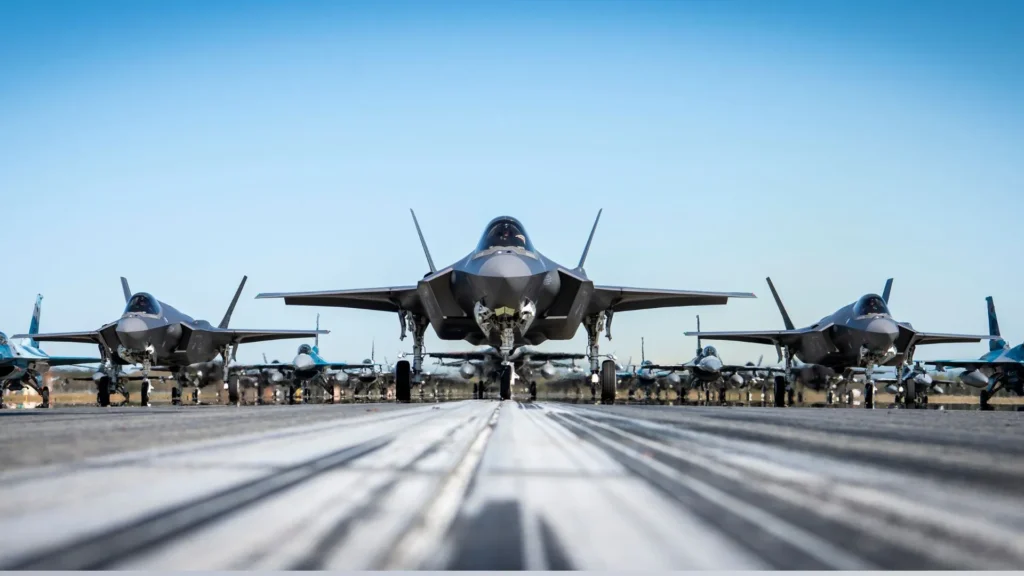
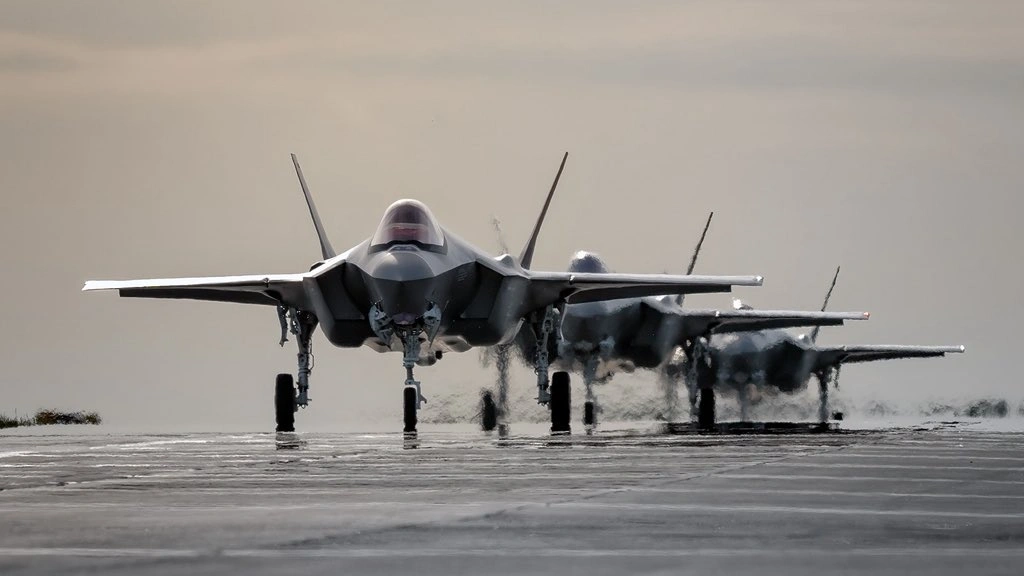
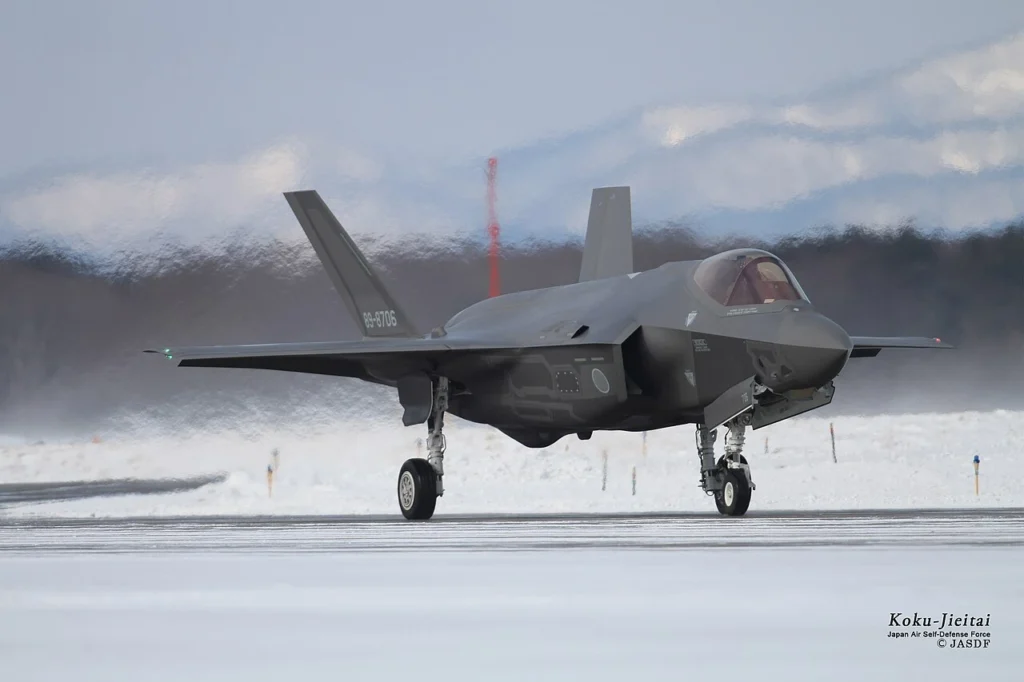
The Black Hawk development follows Canada’s decision to review its planned acquisition of F-35A fighter aircraft from Lockheed Martin.
Canada announced plans to acquire 88 F-35 fighters in 2023. In March 2025, Carney ordered a review to determine whether the aircraft remained the best choice for the country amid worsening relations with Washington.
The government has continued to distinguish between the initial 16 aircraft covered by its current commitment and the remaining 72 under consideration. Canadian defence documents state that the government remains committed to acquiring 16 F-35 aircraft while reviewing the broader decision.
The review does not mean the entire programme has been cancelled. Canada must weigh operational requirements, long-term costs, industrial benefits, interoperability with allies and the implications of depending on a foreign supplier for key capabilities.
The F-35 programme also has an important Canadian industrial component. Canadian aerospace companies participate in the global production and supply chain, creating domestic economic benefits that officials must consider alongside strategic concerns.
At the same time, critics argue that buying advanced military equipment from the United States could leave Canada dependent on American support for maintenance, spare parts and software updates. They warn that such dependence could create risks during a serious diplomatic dispute.
Those concerns are central to the political debate, although they do not by themselves establish that the United States would suspend support for Canadian aircraft.
Canadian Political Leaders Challenge F-35 Deal
Opposition to the F-35 acquisition has grown among some Canadian political leaders, who argue that Ottawa should use defence spending to strengthen its negotiating position and domestic industrial capacity.
British Columbia Premier David Eby criticised the planned fighter purchase on August 25, 2026, amid the dispute over US tariffs.
“When your friend kicks you in the back, one of the first rules is you don’t then go and buy $12 billion of fighter jets from that person,” Eby said. “It makes absolutely no sense.”
His position reflects a broader argument that Canada should not continue major purchases from a country imposing significant trade measures against Canadian industries. However, the government’s decision must also account for military capability requirements and the cost of changing suppliers.
In February 2026, New Democratic Party interim leader Don Davies called for Canada to stop proceeding with further F-35 orders.
“At a time when the Trump administration is threatening our sovereignty, attacking Canadian workers, increasing tariffs on our industries and interfering in our domestic and foreign policies, going through with any F-35 orders is simply unacceptable,” Davies said.
Davies and NDP defence critic Lori Idlout have also raised concerns about US control over aspects of F-35 sustainment, including access to parts and technical updates.
Idlout stated that Canada should not purchase any F-35 fighters, arguing that dependence on U.S. maintenance and software support could create strategic vulnerabilities.
“Canada cannot buy a single F-35,” she said. She also argued against proceeding with the initial 16 aircraft or the full 88-aircraft plan.
These statements represent the position of political opponents of the deal, rather than an announced change in government policy. The Canadian government continues to assess the aircraft’s suitability and the consequences of its procurement decision.
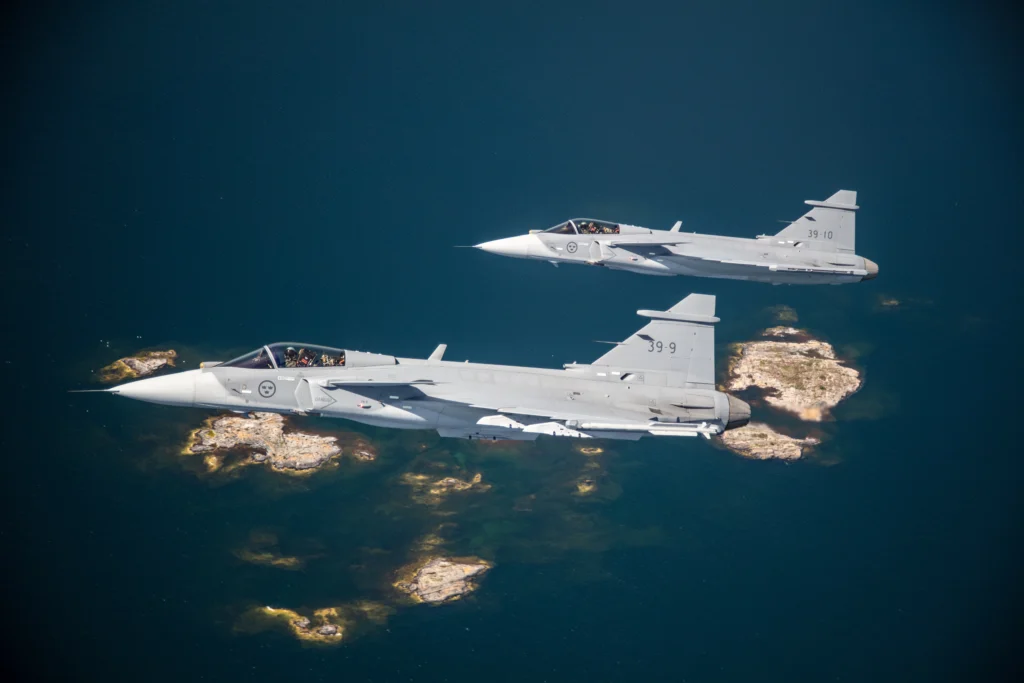
Saab Gripen Emerges as an Alternative in Debate
Some critics have proposed that Canada consider Sweden’s Saab Gripen fighter as an alternative to the F-35. Their argument centres on domestic production, employment and the potential to give Canada greater control over maintenance and future upgrades.
Freelance journalist Riley Donovan has called for Ottawa to abandon the F-35 plan and pursue the Gripen instead.
“Why would Canada buy planes from the country that is waging a trade war against us and which is arguably our greatest long-term military threat?” Donovan said, arguing that Sweden could establish production in Canada and generate more than 12,000 jobs.
He concluded by urging Canada to cancel its F-35 purchase and select the Gripen.
The employment figure is part of Donovan’s argument for the alternative and should not be treated as a guaranteed outcome. Realizing such benefits would depend on the final contract, production arrangements, investment commitments and the scale of manufacturing established in Canada.
The Gripen proposal also illustrates the competing priorities in the fighter review. A different aircraft could create opportunities for industrial cooperation, but the government would still need to assess operational capability, costs, delivery schedules, sustainment arrangements and compatibility with Canadian and allied forces.
Stay tuned with us. Further, follow us on social media for the latest updates.
Join us on Telegram Group for the Latest Aviation Updates. Subsequently, follow us on Google News
