

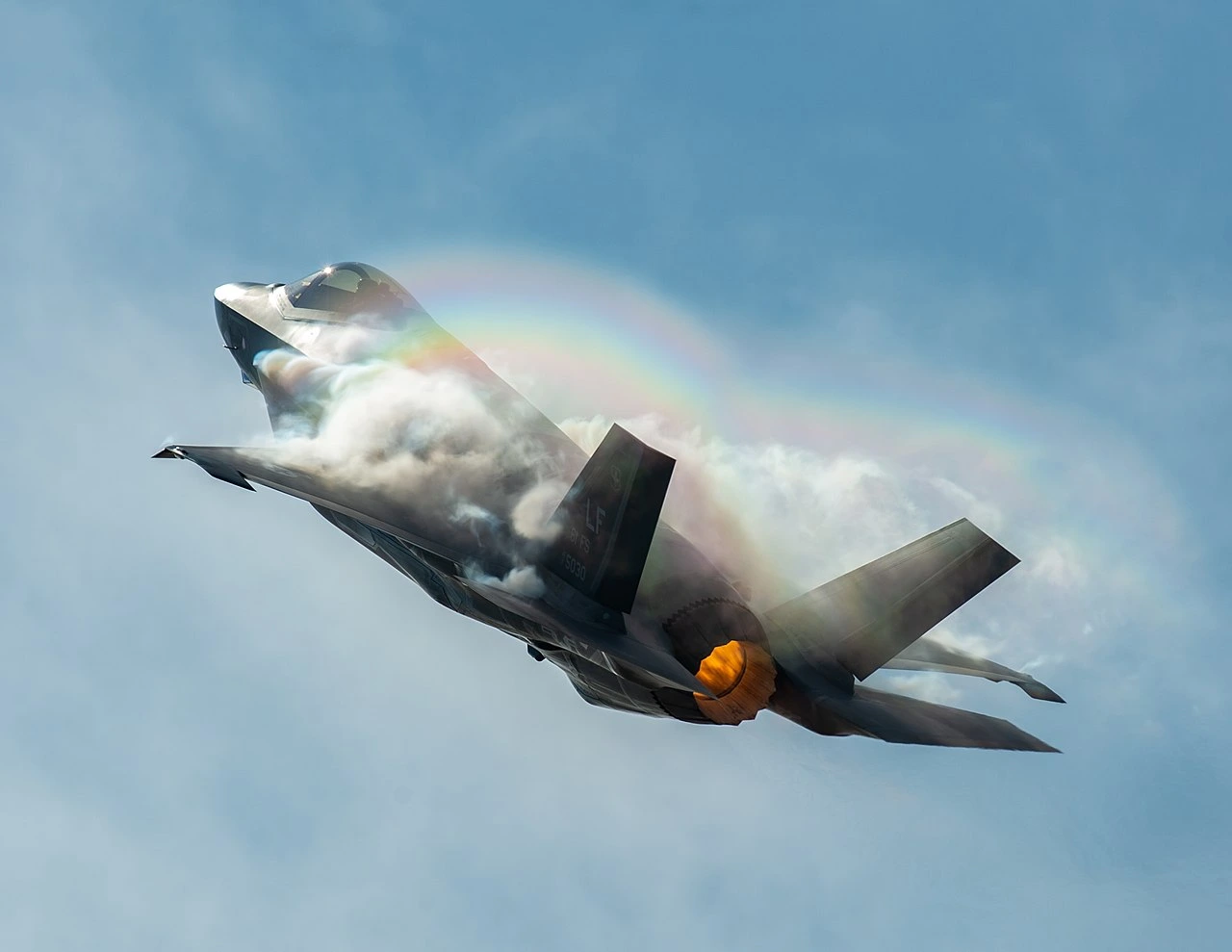
BETHESDA- Lockheed Martin Aeronautics has received a $18,789,801 contract modification to develop and integrate an F-35 Lightning II variant tailored to an unnamed foreign military customer.
The U.S. Department of War announced the award on October 15, 2026. The foreign government is funding the full amount, and the work is scheduled to continue through December 2030.
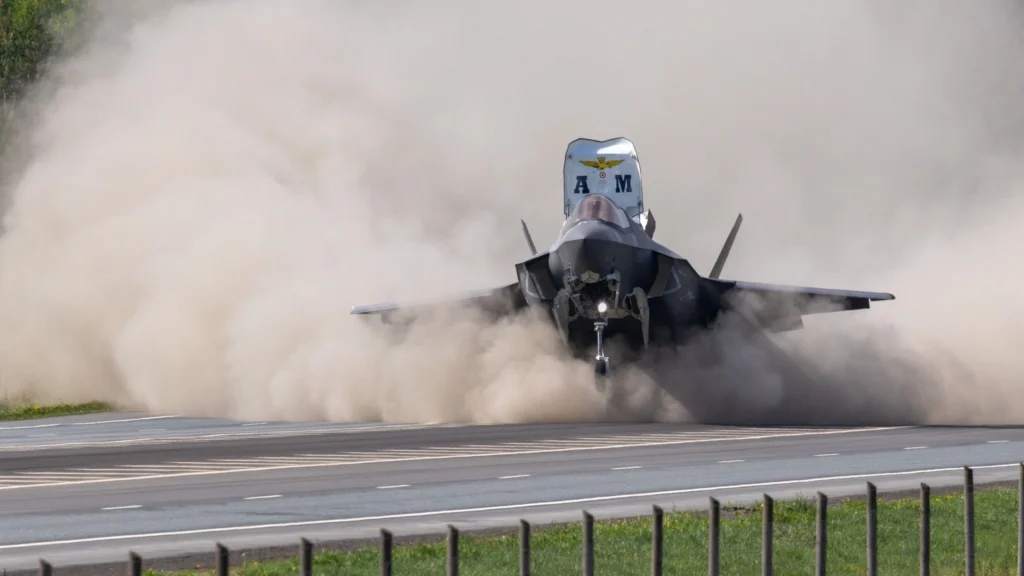
New Contract Extends Country-Specific F-35 Development
The latest award adds work to an existing contract for the development, demonstration and integration of an F-35 variant designed around a foreign customer’s requirements. The Pentagon has not disclosed the country’s identity or the specific technical changes planned for the aircraft.
The modification, designated P00011, applies to contract N0001922C0015 and combines cost-plus-incentive-fee and firm-fixed-price terms.
The entire $18,789,801 was obligated when the modification was awarded. The contract was not competitively procured, and Naval Air Systems Command (NAVAIR) at Patuxent River, Maryland, is the contracting activity.
The award continues an established development effort rather than announcing a separate aircraft purchase. The available contract details do not specify the number of aircraft associated with the modification.
Approximately 80% of the work will take place in Fort Worth, Texas, where Lockheed Martin manufactures the F-35. The remaining 20% will be performed at undisclosed locations within the continental United States.
The work is expected to finish in December 2030. The extended schedule allows the contractor to continue the system development, demonstration and integration activities covered by the modification.
The customer is paying for the full scope of this contract action through the US Foreign Military Sales (FMS) program. FMS is a government-to-government mechanism through which the United States provides approved foreign customers with defense equipment and related services.
Earlier Contract Modifications Funded Similar Work
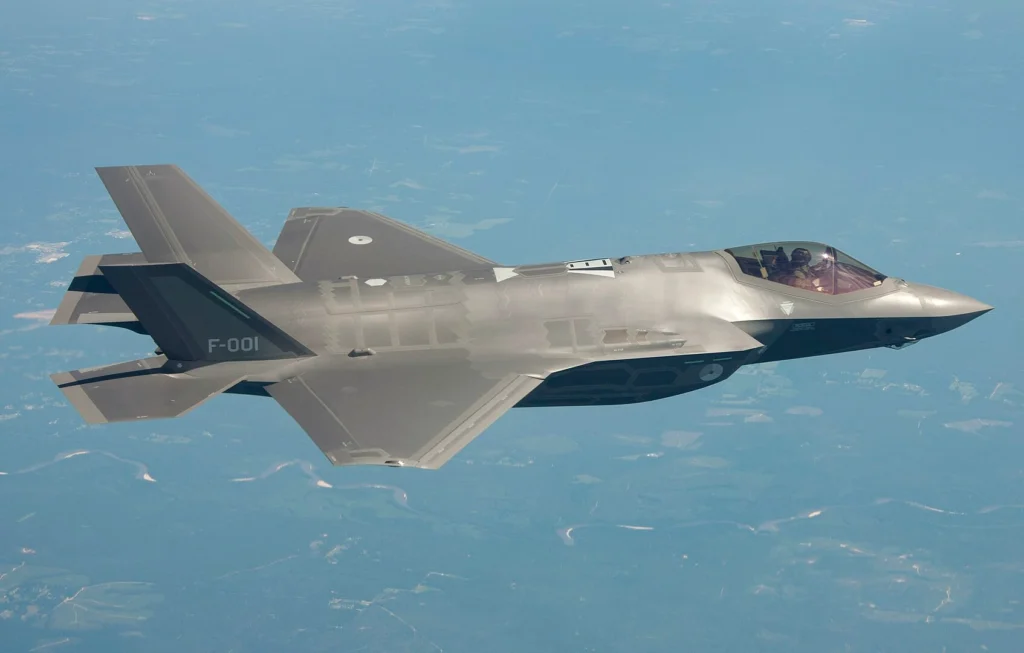
The latest award follows earlier modifications supporting the development of a customized Joint Strike Fighter variant.
In August 2022, the US Navy awarded Lockheed Martin a $53.4 million contract modification for continued engineering work on the design and development of an F-35 variant tailored to an unspecified FMS customer.
In August 2025, the Navy awarded another modification worth $12.9 million for the same broader development effort. The latest $18.8 million action continues that work and extends the program’s engineering timeline through December 2030.
The sequence of awards demonstrates that the customized-variant effort has continued across multiple contract actions. However, the publicly available information does not identify the foreign government or fully describe its aircraft requirements.
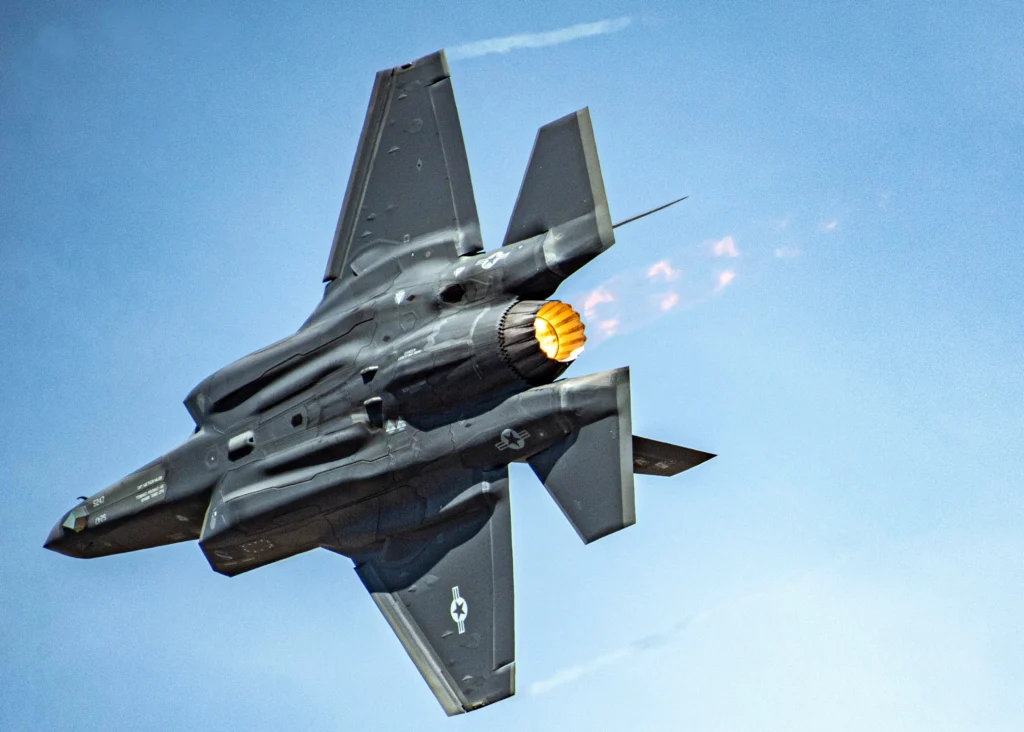
Pentagon Has Not Identified the Foreign Customer
The identity of the customer remains unconfirmed. Pentagon contract announcements sometimes withhold a foreign buyer’s name when the information is considered sensitive.
A similar tailored-variant contract surfaced in 2021, prompting aviation analysts to consider which country might be funding the work.
Key Aero discussed potential customers, including Singapore, which was taking delivery of its first F-35 aircraft around that period.
That earlier speculation does not establish Singapore as the customer behind the current contract. The Pentagon has not publicly named the country associated with this development effort, and the latest award does not provide enough information to confirm its identity.
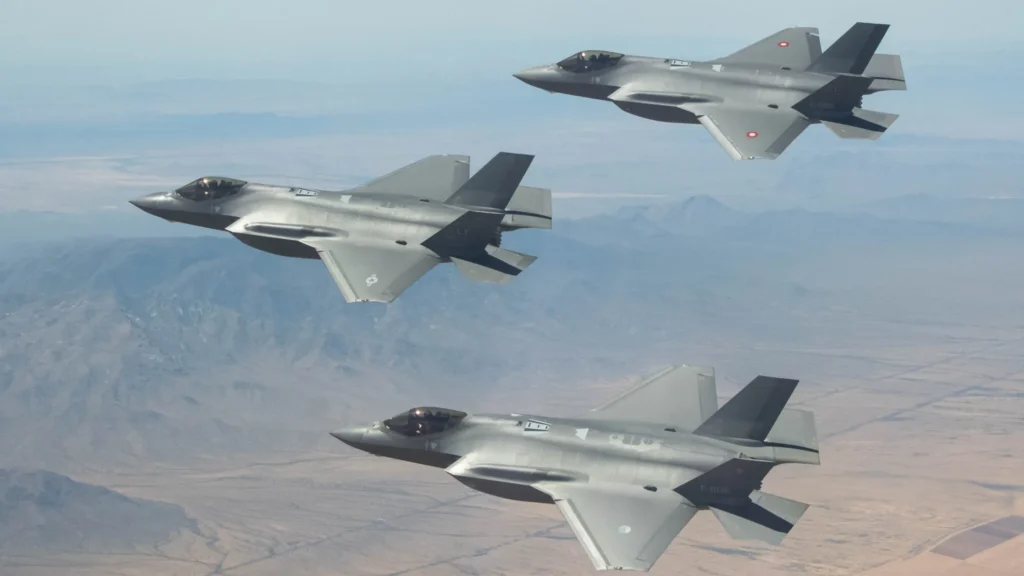
Three F-35 Variants Support Different Mission Requirements
The F-35 Lightning II family has three primary variants, each designed for a different operating environment.
- F-35A: The conventional takeoff and landing version used by air forces.
- F-35B: The short takeoff and vertical landing version designed for operations requiring greater basing flexibility.
- F-35C: The carrier-based version designed for aircraft carrier operations.
Foreign operators can also incorporate national requirements into their aircraft configurations. These changes may involve weapons integration, communications equipment, electronic warfare systems and other mission-specific technologies.
Israel’s F-35I Adir is a prominent example of a country-specific configuration. Based on the F-35A airframe, the aircraft incorporates Israeli-developed systems to meet national operational requirements.
Lockheed Martin has delivered F-35 aircraft to more than a dozen foreign air forces. International customers may require different systems and capabilities, making development and integration work an important part of supporting their individual operational needs.
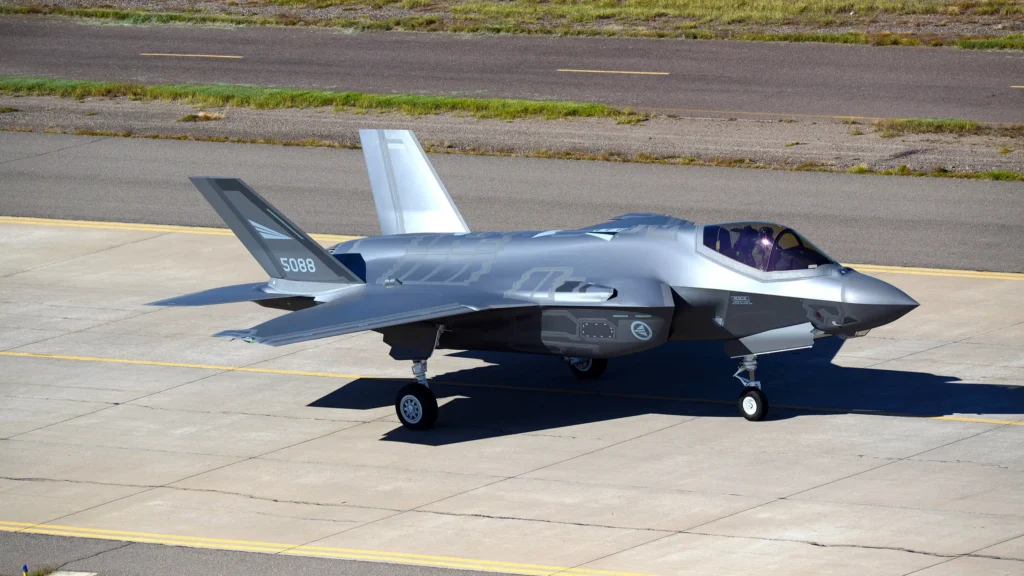
F-35 Production Remains Near Record Levels
The customized-variant contract comes as F-35 production continues at a high rate. Lockheed Martin delivered 191 F-35 aircraft in 2025, according to the supplied reporting.
Long-lead procurement contracts for Lots 20 and 21 cover nearly 200 additional aircraft for U.S. military services, international program partners and foreign buyers.
These contracts support the wider production program, while the latest $18.8 million modification focuses specifically on engineering and integration work for an unidentified customer.
The tailored-variant project should not be confused with the production of a new fourth F-35 model. The announced scope concerns modifications to an existing aircraft family, and the Pentagon has not disclosed enough technical information to establish the precise configuration being developed.
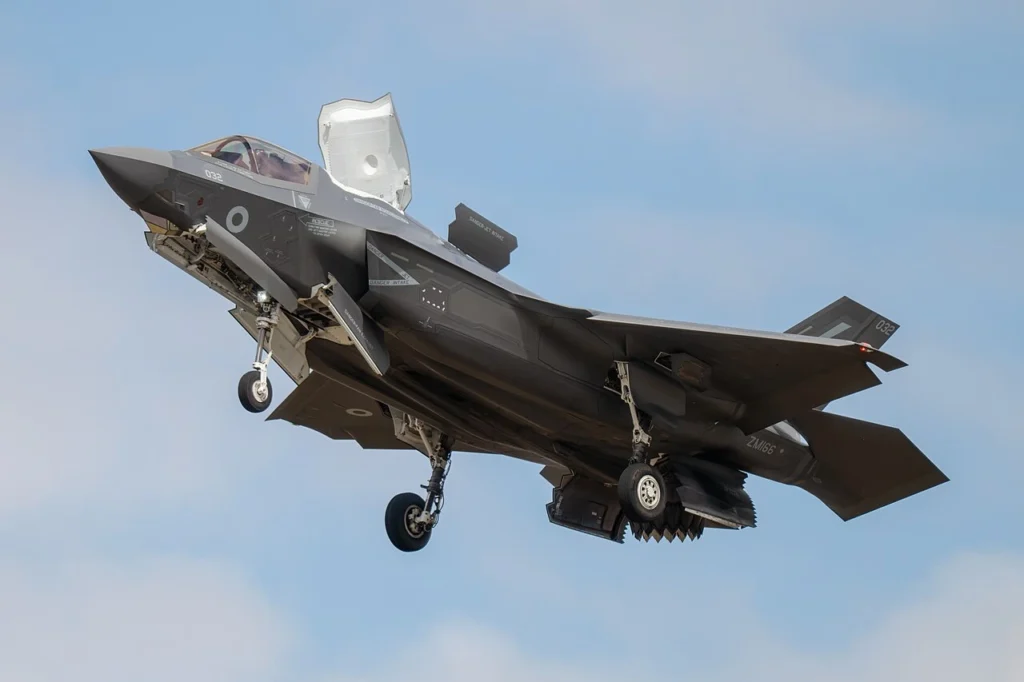
Development Continues Through December 2030
The latest contract modification provides additional funding for the continued development and integration of an F-35 configuration adapted to a foreign government’s requirements. The work will take place primarily in Fort Worth, with completion expected in December 2030.
Although the buyer remains unidentified, the award confirms that the customer is directly funding the additional work.
The contract’s value, timeline and broad scope are public, but the country’s identity and the precise technical requirements remain undisclosed.
Stay tuned with us. Further, follow us on social media for the latest updates.
Join us on Telegram Group for the Latest Aviation Updates. Subsequently, follow us on Google News
