

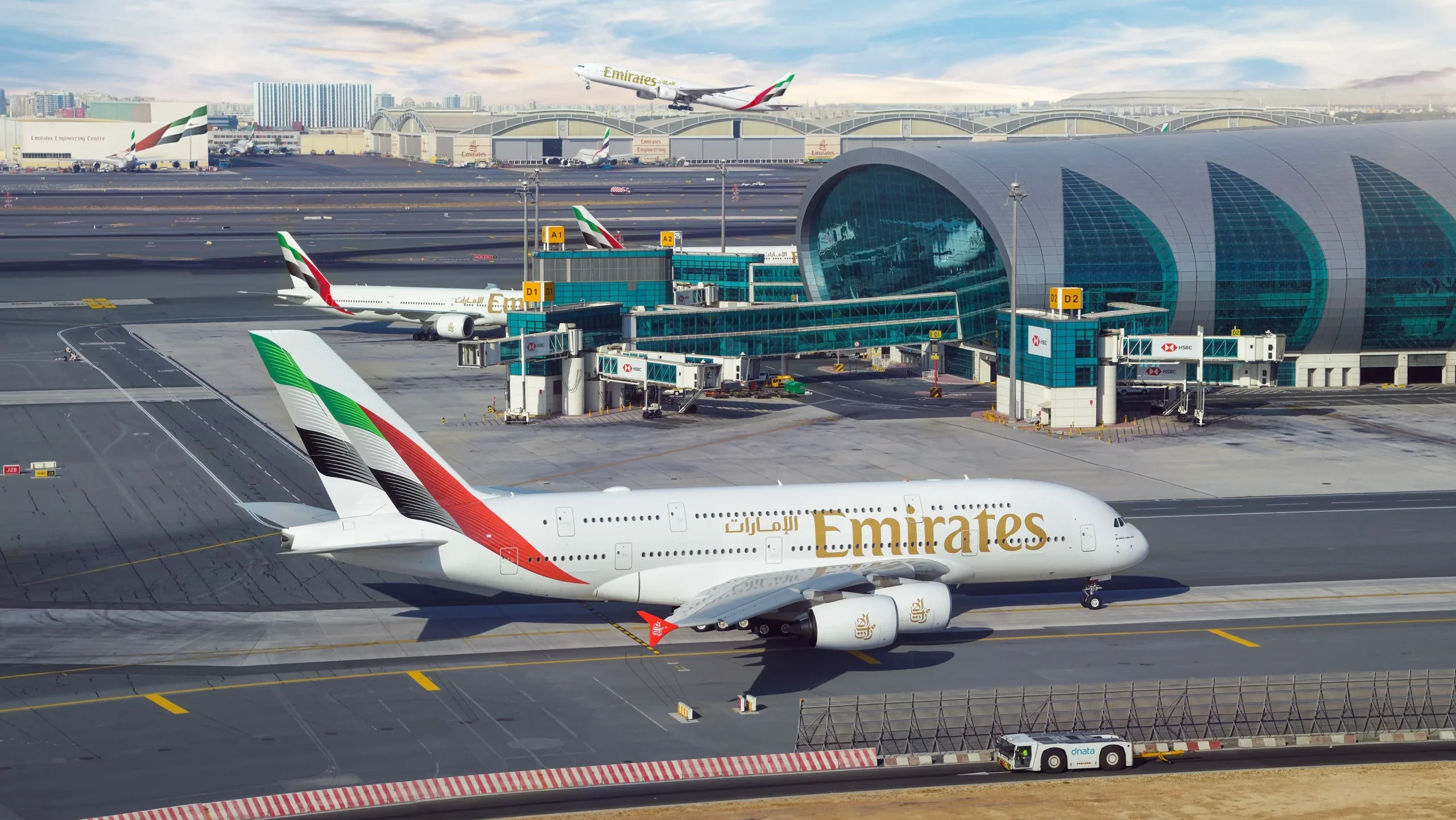
MUMBAI- Emirates (EK), Dubai’s largest international airline, has warned that Navi Mumbai International Airport (NMI) needs stronger supporting infrastructure to attract international carriers and support their operations.
The airline also remains constrained by bilateral flying rights that limit its ability to add flights to India. Emirates says it would consider new Indian airports if the necessary facilities and additional government approvals become available.
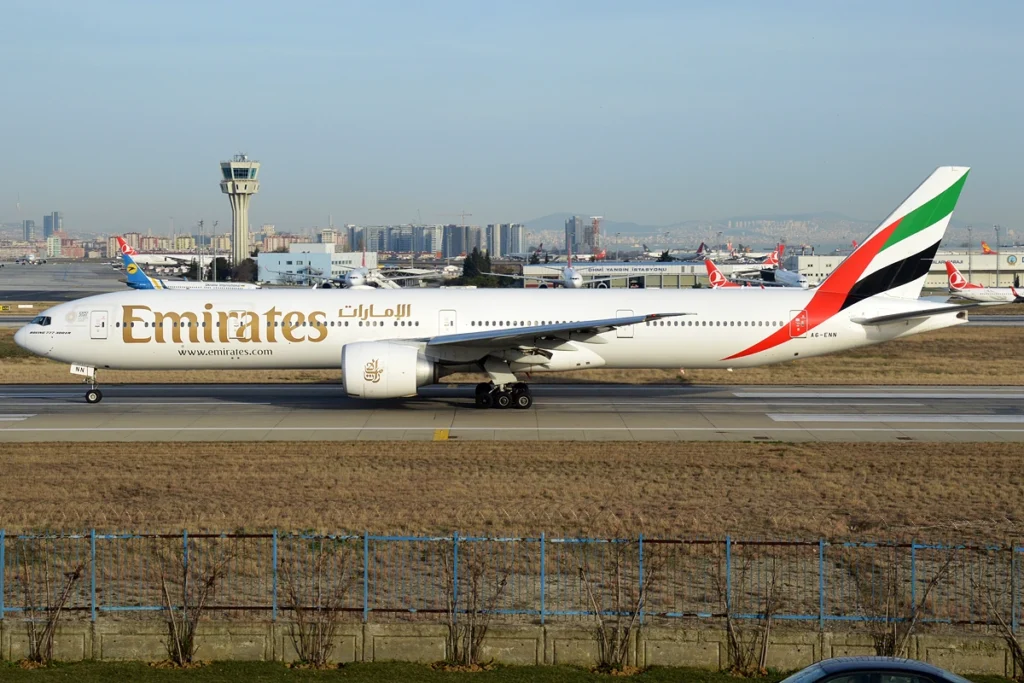
Emirates Highlights Infrastructure Challenges at Navi Mumbai Airport
Emirates has stressed that Navi Mumbai International Airport needs a complete operational ecosystem before international airlines can shift a significant share of their flights from Mumbai’s existing airport. The comments come as airlines and airport operators discuss plans to redistribute international services between the two facilities.
Essa Sulaiman Ahmad, senior vice president for West Asia and the Indian Ocean, commercial operations at Emirates, said airlines would find it difficult to relocate operations until the airport develops the necessary supporting infrastructure.
“Until it gets kind of fully built in the ecosystem, I think it’s gonna be difficult for any of the airlines to shift there,” Ahmad said.
He identified catering facilities and cargo warehousing as essential requirements for airlines operating international services.
“At an airport, you will require a facility for catering; you will require a facility for, example, for cargo warehousing,” Ahmad added.
Ahmad made the remarks in New Delhi during the launch of Emirates’ Airbus A380 service featuring more premium seats. His comments highlight the operational requirements that new airports must meet to attract established international carriers.
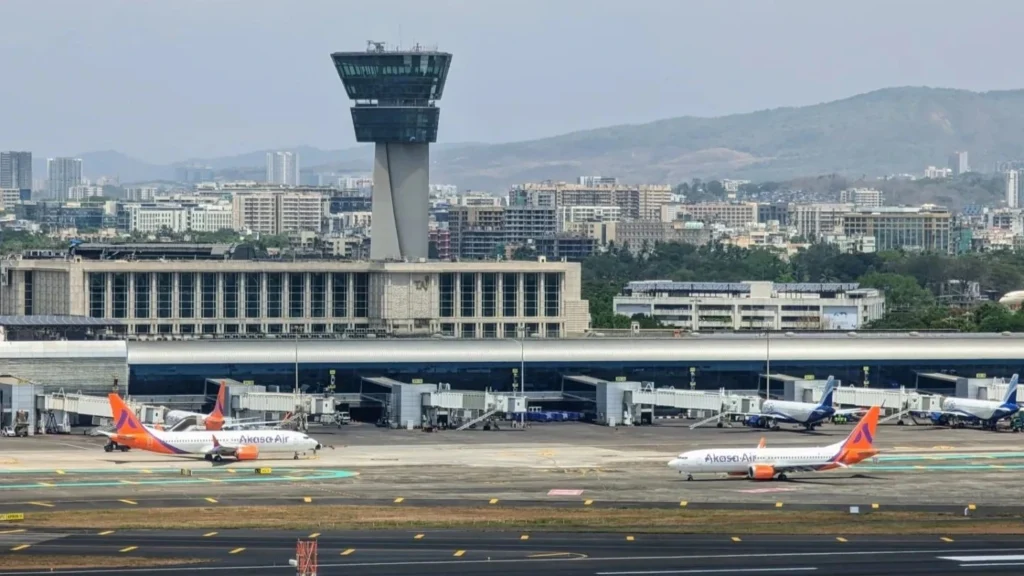
Airlines Resist Proposed Flight Transfers to Navi Mumbai
Mumbai International Airport Ltd (MIAL) proposed temporarily discontinuing 265 of the 770 weekly international departure slots at Chhatrapati Shivaji Maharaj International Airport (BOM), specifically at Terminal 2, from October 25. The proposal aimed to redistribute international flights to Navi Mumbai ahead of the redevelopment of Terminal 1.
Adani Airport Holdings operates both Mumbai Airport and Navi Mumbai International Airport. The proposed changes would have affected several international airlines, including Emirates.
Under the plan, 10 of Emirates’ 28 weekly departure slots from Mumbai were listed for discontinuation. Airlines opposed moving a significant share of their international operations to Navi Mumbai, which is around 50 kilometres from the existing airport.
The proposed transition has since been deferred by at least five months. The delay gives airlines and the airport operator additional time to negotiate an arrangement for distributing international flights between the two airports.
The objections extend beyond Emirates. Air France-KLM also opposed splitting its international operations between Mumbai and Navi Mumbai.
Under the proposal, Air France (AF) was asked to transfer three of its seven weekly departures to Navi Mumbai, while KLM (KL) was expected to move two of its six weekly departures.
Splitting operations between airports can complicate airline operations, particularly when carriers need to coordinate aircraft, crews, cargo handling and passenger connections. The dispute highlights the importance of consulting airlines before implementing major changes to airport operations.

Navi Mumbai Could Expand Access to New Passenger Markets
Despite its concerns, Emirates sees potential in Navi Mumbai International Airport. The new facility could provide airlines with access to additional passenger markets, including parts of the Pune region.
However, the airport’s ability to attract international carriers will depend on more than its location and available runway capacity. Airlines also need reliable ground services, catering, cargo facilities, and other operational support to maintain their schedules.
Regulatory permissions present another challenge. Even if Navi Mumbai develops the required infrastructure, foreign airlines cannot automatically add flights to India without sufficient traffic rights under the relevant bilateral air services agreements.
For Emirates, these two issues remain separate but important considerations. The airport must offer the facilities required for its operations, while the airline must secure government approval to increase its permitted services.
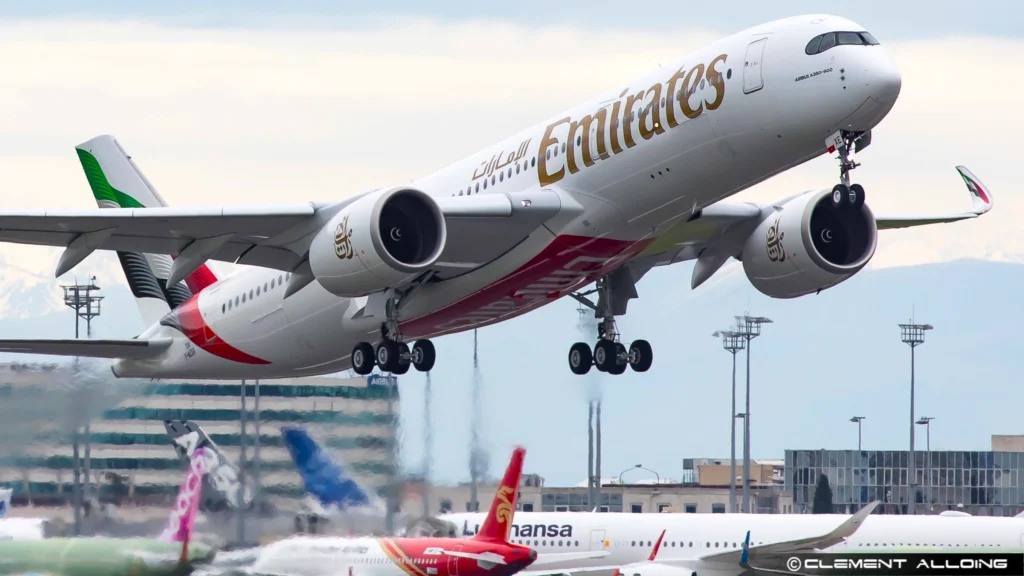
Emirates Says Bilateral Flying Rights Limit India Expansion
Emirates faces restrictions on expanding its Indian network because it has already used its existing flight entitlements. Opening a new airport does not automatically increase the number of flights the airline can operate between India and the United Arab Emirates.
Ahmad said Emirates had operated at Mumbai airport for many years but could not add services without additional rights.
“I think for us, it’s plain and simple. We’ve been having our operations in Mumbai Airport for a very long time. We do not have additional rights,” he said.
“For us right now, we are running at full capacity. We are running at full capacity of our entitlement,” Ahmad added.
Bilateral air services agreements establish the permitted number of flights and passenger capacity between countries. These arrangements determine how much international capacity airlines can deploy, regardless of whether new airports become available.
As a result, Emirates cannot expand its Indian network simply by moving existing services to Navi Mumbai or launching flights to another newly opened airport. Additional entitlements from the Indian government would be necessary to increase its permitted operations.
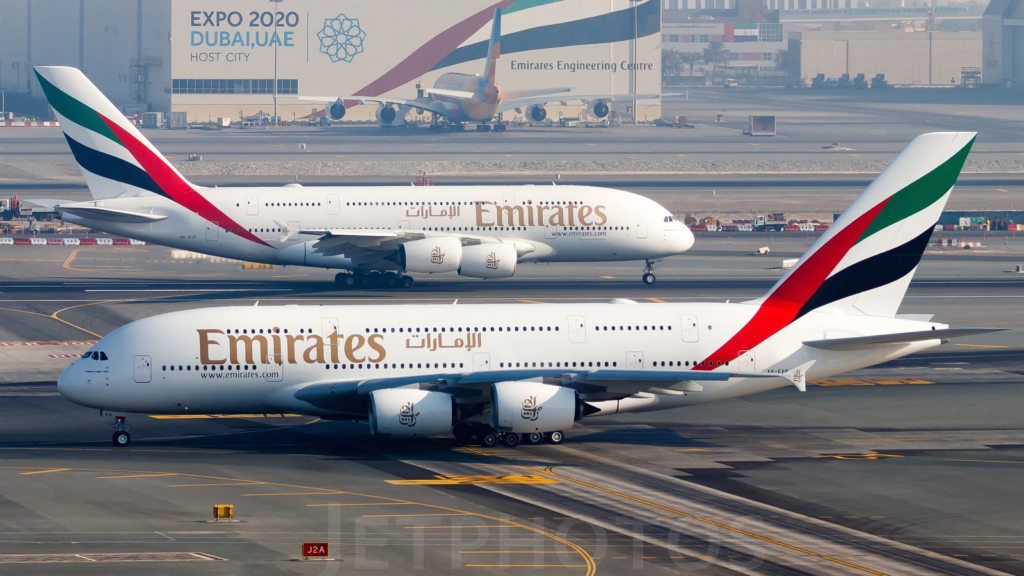
Emirates Operates 167 Weekly Flights to Nine Indian Cities
Emirates operates 167 weekly flights to nine Indian cities, making India a significant market within its international network.
The airline serves Mumbai (BOM), Delhi (DEL), Ahmedabad (AMD), Hyderabad (HYD), Chennai (MAA), Thiruvananthapuram (TRV), Kochi (COK), Bengaluru (BLR) and Kolkata (CCU).
Mumbai and Delhi are its largest Indian stations, with 28 weekly flights to each city. Across its Indian network, Emirates offers approximately 67,000 seats every week.
The airline’s established presence gives it a substantial role in connecting Indian passengers with Dubai and destinations across its wider international network. However, its existing capacity limits restrict opportunities to add flights in response to demand.
Emirates does not currently serve Navi Mumbai International Airport, Jewar Airport in Uttar Pradesh or Bhogapuram Airport in Andhra Pradesh.
These three airports have entered India’s expanding international aviation infrastructure over the past 12 months, creating potential opportunities for airlines to consider additional operating locations. However, their development does not remove the regulatory restrictions that govern foreign carriers’ access to the Indian market.

Emirates Open to New Indian Airports if Flying Rights Increase
Emirates has indicated that it would consider operating from new airports and exploring additional Indian destinations if the government granted it more flying rights.
Ahmad said the airline would assess the new facilities once additional entitlements became available.
“Until and unless we get more additional flights, and we get additional (entitlements) from the government, then we will definitely look at airports, or multiple new airports that have come up,” he said.
He also stressed that any decision would depend on whether the airports provided the facilities Emirates requires, including catering and cargo infrastructure.
The Indian and United Arab Emirates governments continue to discuss aviation matters, according to Ahmad. However, any expansion would depend on the outcome of those discussions and the availability of additional traffic rights.
Ahmad reiterated Emirates’ long-standing interest in the Indian market, pointing to the airline’s passenger traffic over several decades.
“We always believe in the importance of the Indian market. We’ve seen it, you know? We carried more than 92 million customers in the past 41 years,” he said.
Emirates’ position highlights two requirements for expanding international connectivity in India: airports must develop the infrastructure needed by airlines, and governments must provide sufficient traffic rights to support additional services.
For Navi Mumbai International Airport, attracting major foreign carriers will therefore depend on completing its supporting ecosystem and establishing operating arrangements that meet airline requirements. For Emirates, additional bilateral entitlements remain essential before it can increase its Indian network capacity.
Stay tuned with us. Further, follow us on social media for the latest updates.
Join us on Telegram Group for the Latest Aviation Updates. Subsequently, follow us on Google News
