

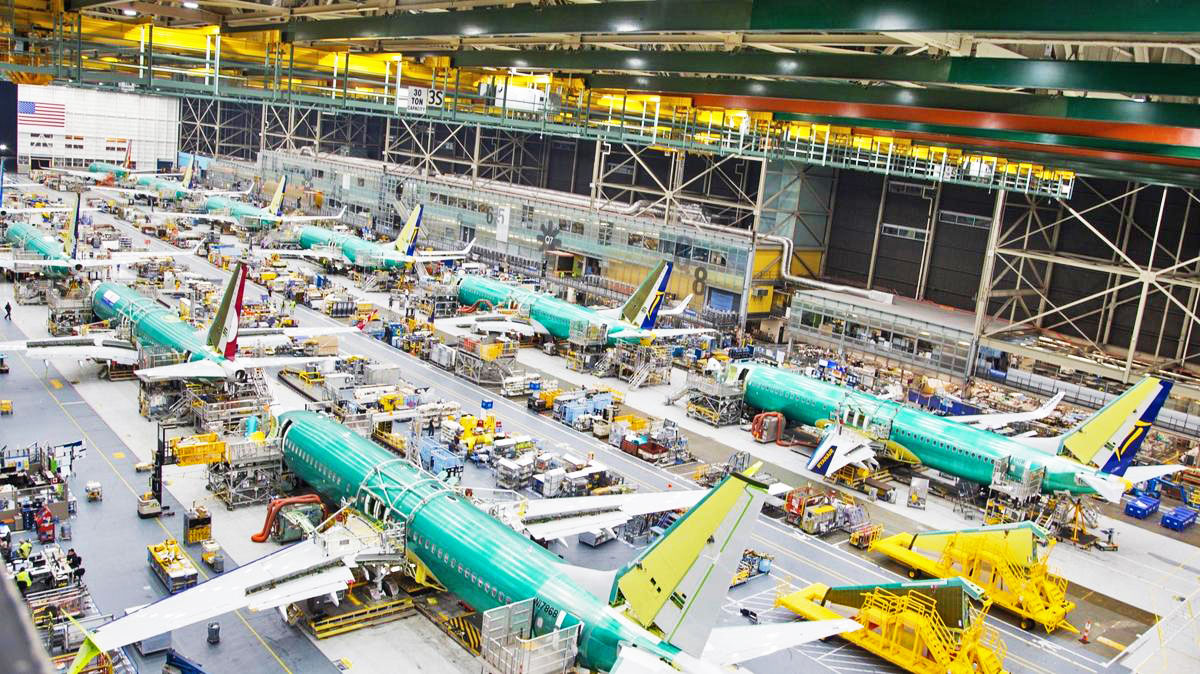
ARLINGTON- Airlines rely on the Boeing 737 family for domestic operations, while the 737 MAX plays a major role in global airline fleet-renewal programmes. The aircraft is assembled in Renton, Washington, using components manufactured across a global supply chain.
The Boeing 737 programme dates to 1967, and the MAX is its fourth generation. Boeing says the MAX reduces fuel use and carbon dioxide emissions by about 20% compared with the aircraft it replaces. A factory tour reveals how technicians combine thousands of components through ten production stages before final inspection and flight testing.
From Green Fuselage to Flight-Ready Jet
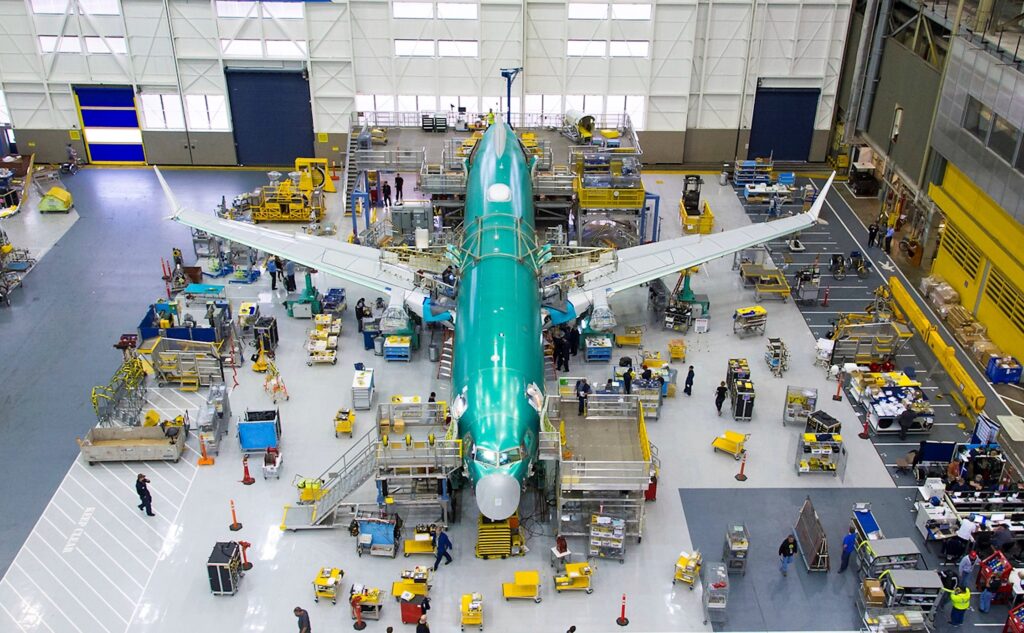
Boeing’s Renton factory brings together structural components, electrical systems, flight controls, cabin equipment, and engines to complete each 737 MAX. Although the process follows ten defined flow days, these are production stages rather than strict 24-hour periods.
Most major components arrive at Renton from other manufacturing facilities. The assembly line then brings these parts together in a carefully planned sequence, allowing production teams to install and test systems before the aircraft moves to the next stage.
According to the factory-tour report by Brandon Loo, the aircraft spends approximately 15 days in final assembly, from the arrival of the fuselage to readiness for inspection.
This factory time does not include the separate rail journey that brings the fuselage from Kansas.
The Journey from Wichita to Renton
Every Boeing 737 begins final assembly with a fuselage manufactured in Wichita, Kansas. Freight trains transport the structures to Renton over approximately two weeks.
The fuselages arrive covered in bright green protective primer, which protects their surfaces before the next stages of manufacturing. Once they reach the factory, workers inspect and position the structures before beginning the assembly process.
Boeing does not manufacture every component at Renton. Instead, specialised facilities and suppliers produce major assemblies that are shipped to the factory for integration. Some components also come from Australia. Several Boeing 737 MAX winglets, the upward-extending structures at the ends of the wings, are manufactured in Melbourne.
This supply-chain arrangement allows manufacturers to specialise in particular components while Renton concentrates on bringing the aircraft together.
Installing the Initial Systems
The first stage begins on a raised section of the factory floor. Workers position the fuselage, inspect the structure and install insulation, along with initial electrical, hydraulic and mechanical components.
Technicians also fit the dorsal fin, a small structural extension near the base of the vertical tail. The main vertical stabiliser is installed later, when the aircraft receives its major external structures.
At this stage, the fuselage has no wings or other large exterior components. The unfinished structures can therefore be positioned three abreast, helping Boeing use the available factory space efficiently.
Wiring and Flight Controls
The second stage focuses on the aircraft’s wiring and control systems. Technicians install approximately 70 kilometres of electrical wiring, alongside hydraulic tubing and flight-control cables.
These systems connect the cockpit, aircraft controls and onboard equipment. Their installation prepares the aircraft for more extensive system integration and testing.
Aircraft ordered with onboard Wi-Fi also receive the corresponding roof-mounted antenna equipment during this stage. Installing the equipment early allows it to be integrated with the aircraft’s other systems.
The Nose and Hydraulic Systems
During the third stage, workers fit the radome, the protective covering over the nose radar. This gives the front of the aircraft a more recognisable shape.
Technicians connect the installed wiring and hydraulic tubing, fit the flight-deck panels and begin hydraulic testing. These checks help identify installation problems before the fuselage moves to the main assembly floor.
The aircraft is still structurally incomplete, but its internal systems are becoming increasingly integrated.
Fitting the Wings and Landing Gear
The fourth stage produces the most visible transformation in the assembly process. An overhead crane lifts the fuselage from the raised work area and transfers it to the main factory floor, usually overnight when fewer employees are present.
Renton operates three parallel assembly lines: West, Central and East. About one-third of the fuselages continue along the West Line, while approximately two-thirds move through a purpose-built opening to the Central or East Line.
Boeing generally operates the facility around the clock using three shifts. Moving fuselages overnight helps limit disruption to other work taking place on the production floor.
Once the fuselage reaches this stage, technicians install the wings, horizontal and vertical tail surfaces, and landing gear. These major structures turn the fuselage into a recognisable aircraft.
With the landing gear fitted, the 737 MAX can stand on its own wheels. Teams can then tow it between the remaining assembly stations.
Galleys, Lavatories and Fuel Systems
After the major external structures are installed, production teams focus on the cabin and supporting systems.
The fifth stage begins with the rear galleys and lavatories, which arrive as prepared modules and are installed inside the aircraft. Technicians also fit fresh-water and wastewater tanks and complete additional electronic installations.
Engineers pressure-test the fuel tanks to check for leaks. These inspections help establish that the fuel system meets the required conditions before the aircraft advances through the remaining stages.
Power and Cabin Equipment
The sixth stage marks a major milestone because the aircraft’s electrical power is switched on and oil is introduced into relevant systems.
Workers complete the air-distribution system and install the cabin sidewalls, overhead lockers, forward galleys and lavatories. These components establish much of the cabin’s internal structure and prepare it for further system checks.
Activating the aircraft’s systems also allows teams to move closer to operational testing, although the jet still requires further inspections before it can leave the factory.
Pressure and Control Checks
The seventh stage focuses on testing the aircraft’s systems and identifying potential defects.
Technicians introduce air into the cabin to check for leaks. They also exercise the landing gear and test the flight controls using simulated procedures.
These checks help teams detect problems before the cabin is completed. Addressing issues at this stage reduces the risk of leaving unfinished work until the final inspections.
Passenger Seats and Cabin Finishing
The eighth stage completes much of the passenger cabin. Workers install the seats and then cut and lay the carpet.
An angled conveyor carries the seats through the aircraft’s doorway in groups of three. According to the factory-tour account, Boeing developed the loading equipment using an idea inspired by a hay baler after employees discussed ways to solve installation challenges.
The day ends with a shakedown, during which workers search for defects, unfinished items and loose debris. By this point, the cabin is largely complete, and the aircraft is ready to move towards its final assembly stages.
Installing the Engines and Completing Final Assembly
Fitting the LEAP-1B Engines
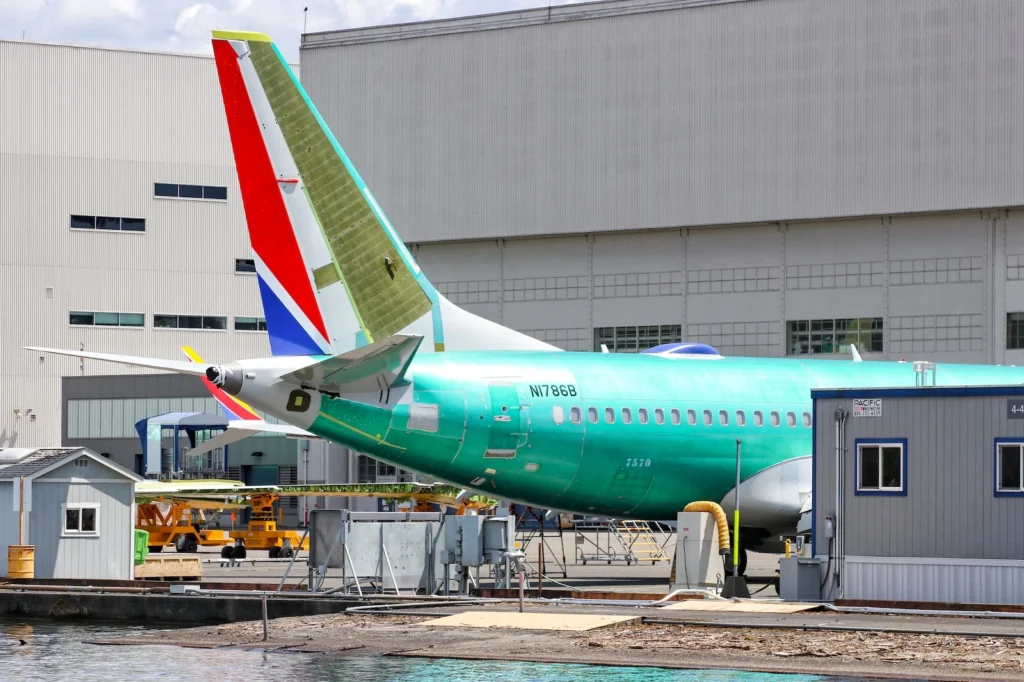
The engines are among the last major components installed on the Boeing 737 MAX. The aircraft uses CFM International LEAP-1B engines, which technicians mount beneath the wings.
After positioning the engines, workers connect them to the aircraft’s electrical and hydraulic systems. They then complete the required installation work and associated checks.
Engine installation brings the aircraft closer to its final configuration, but the assembly process is not complete until the remaining work and inspections have been addressed.
Final Checks and Outstanding Work
The tenth stage acts as a buffer for unfinished tasks and additional inspections. Production teams use the time to identify and correct outstanding issues before the aircraft leaves the building.
The ten flow days do not mean that each station lasts exactly one calendar day. Each station handles a defined set of jobs, and the production schedule includes allowances for small delays and additional work.
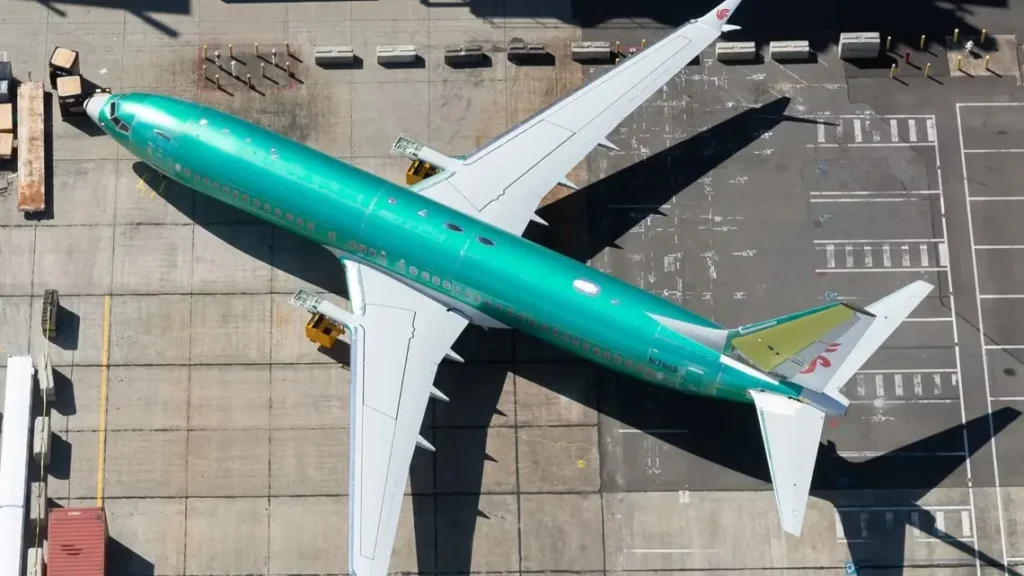
Once the assembled aircraft rolls out onto the apron, it undergoes further inspections and flight testing. Boeing also completes the exterior painting process before delivering the aircraft to its customer.
How Long Does Boeing Take to Build a 737 MAX?
The factory-tour report estimates that approximately 15 days pass between a fuselage entering the Renton assembly line and the completed aircraft being ready for inspection. More than two million parts may be fitted during this period.
The 15-day estimate covers the factory assembly process, not the entire manufacturing and delivery timeline. The fuselage has already travelled from Wichita, and the aircraft must still complete the required checks and flight testing after leaving the assembly building.
The production schedule depends on the timely delivery of components, coordination between workstations, and the ability to resolve problems without disrupting later stages. Electrical wiring, hydraulic systems, cabin equipment and engines must all be installed in the correct sequence.
Boeing’s flow-day structure gives teams a defined set of responsibilities at each stage while allowing flexibility to manage outstanding work.
Virgin Australia’s Fleet Renewal and the 737 MAX
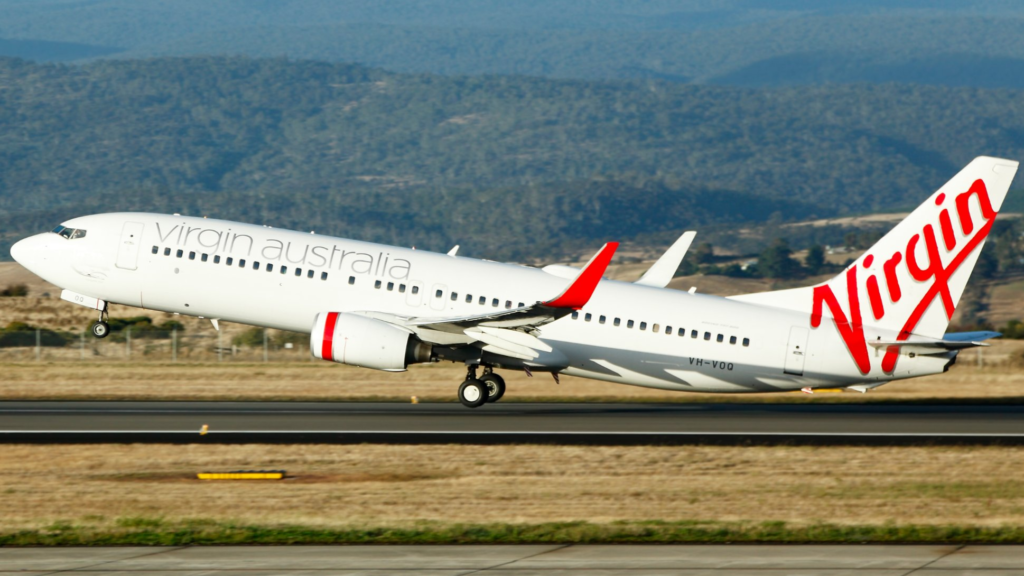
The 737 MAX is an important part of Virgin Australia’s plan to renew its domestic fleet with newer aircraft. The airline’s 737-8 aircraft offer fuel-efficiency improvements over the earlier 737-800 generation, according to the airline’s published fleet information.
The factory-tour report notes that Virgin Australia had recently received its 26th 737-8 and had ten larger 737-10 aircraft planned for delivery from late 2027. The larger variant is intended to provide additional passenger capacity and flexibility across domestic and short-haul international routes.
The 737 MAX family also offers fleet commonality, allowing airlines to use shared training, maintenance and support arrangements across compatible variants. This can help simplify fleet operations as airlines introduce newer aircraft.
Boeing’s published specifications describe the 737 MAX family as more fuel-efficient than the aircraft it replaces, with the precise benefits depending on the model and operating conditions.
Boeing’s Production Plans and the Everett Expansion
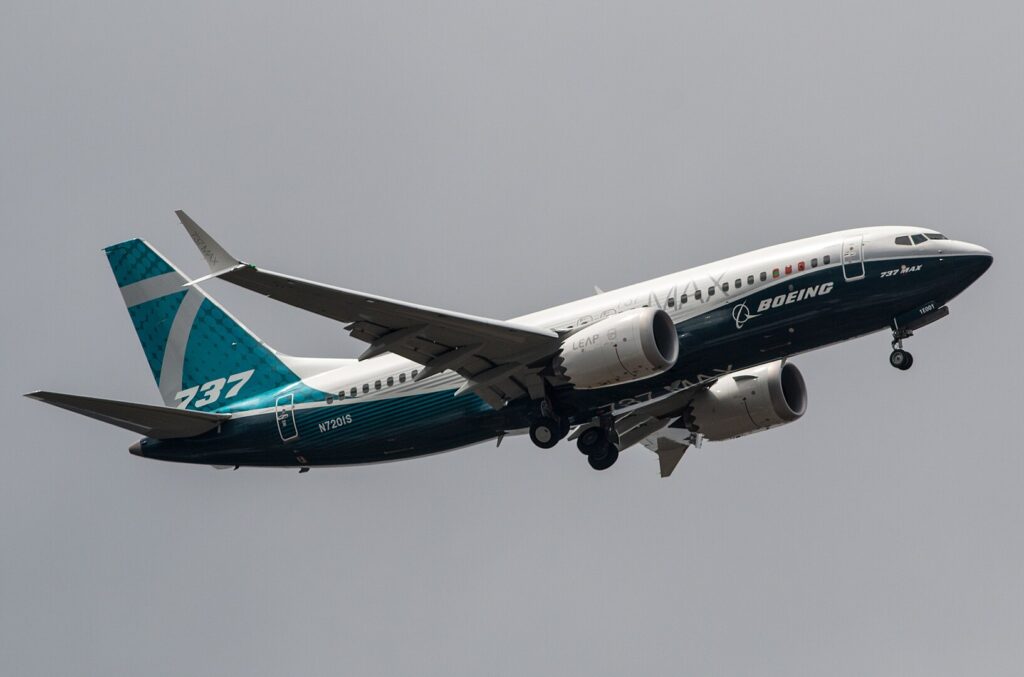
Boeing’s Renton factory operates multiple assembly lines to produce its single-aisle 737 aircraft. The company has also been expanding production capacity to meet demand while prioritising manufacturing quality and production stability.
In June 2026, Boeing said its three Renton lines were moving from a rate of 42 aircraft per month towards 47. The company planned to activate a fourth production line, called the North Line, at its Everett, Washington, facility on 6 July 2026.
As reported by Point Hacks, the Everett North Line began operations in July. Boeing’s stated goal was to increase production to 52 aircraft per month by early 2027, although the additional line was not expected to increase output immediately. Its initial operation was designed to support a gradual production ramp-up.
Higher production rates depend on more than available factory space. Boeing must also maintain reliable component deliveries, manage unfinished work and ensure that aircraft meet quality requirements before they leave the production line.
The expansion is therefore both a capacity project and an operational challenge. Increasing aircraft output requires the company to coordinate its suppliers, production teams and quality-control processes across more than one facility.
10 Step Assembly Process Matters
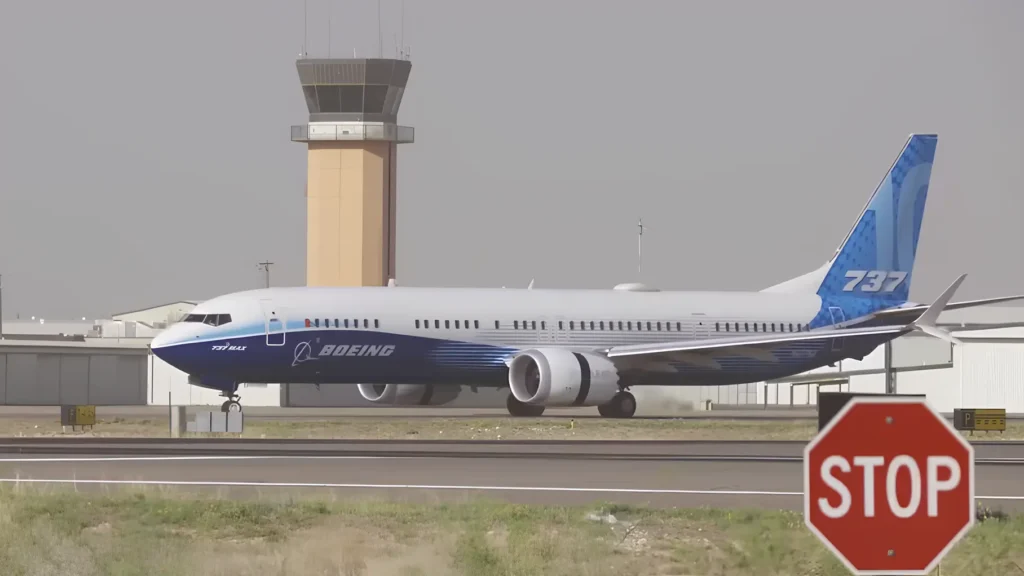
The Boeing 737 MAX assembly process illustrates how commercial aircraft manufacturing combines specialised production, complex systems integration and repeated inspections. Each stage builds on the work completed before it, from the initial wiring and hydraulic systems to the wings, passenger cabin and engines.
For airlines, a reliable supply of new aircraft supports fleet renewal, capacity planning and operating-efficiency goals. For Boeing, the challenge is to increase production without compromising the quality and inspection processes required for a commercial aircraft.
The ten-stage assembly line turns a green-primed fuselage into an aircraft ready for further testing and delivery.
The process also shows why modern aircraft manufacturing depends on precise sequencing, a broad supplier network and close coordination between engineering and production teams.
Stay tuned with us. Further, follow us on social media for the latest updates.
Join us on Telegram Group for the Latest Aviation Updates. Subsequently, follow us on Google News
