

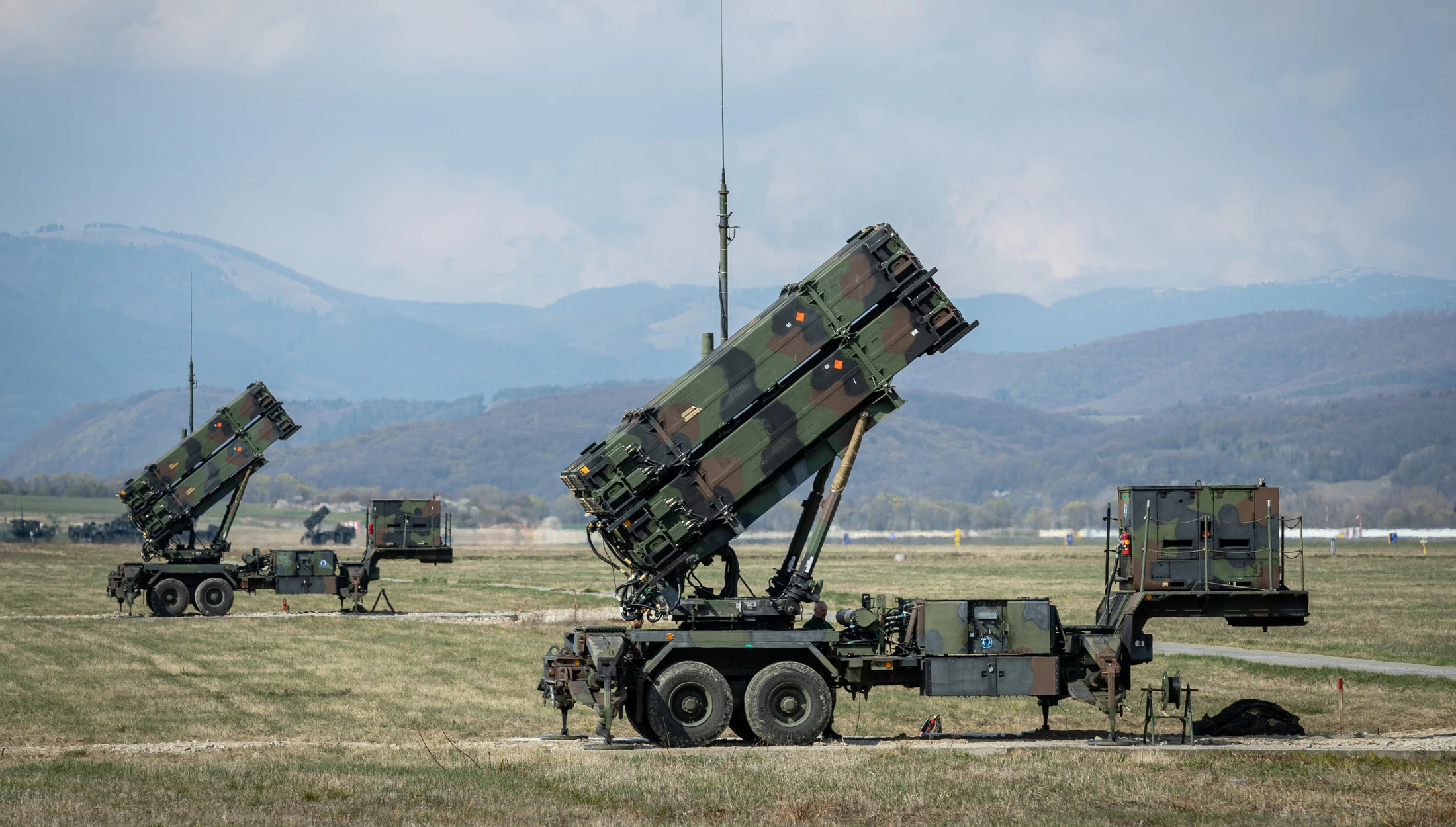
WASHINGTON- The United States Department of Defense has awarded Raytheon a $6.3 billion contract to maintain production of Standard Missile-3 Block IB (SM-3 Block IB) interceptors, strengthening efforts to replenish American missile-defense inventories.
Announced on October 8, 2026, the five-year agreement includes two additional option years and covers a continuous supply of interceptors manufactured primarily in Tucson, Arizona, and Huntsville, Alabama.
The contract comes as the Pentagon faces pressure to restore missile-defense stocks following increased interceptor use in combat.
The SM-3 Block IB is a hit-to-kill weapon used by US Navy ships and land-based systems to destroy incoming ballistic missiles through direct impact rather than an explosive warhead.

Raytheon Gets $6.3 Billion Contract
Raytheon, a subsidiary of RTX, will produce the interceptors under a multiyear arrangement designed to provide a steadier supply of missile-defense weapons.
The contract supports the US Department of Defense’s efforts to replenish inventories while maintaining production capacity for future threats.
Raytheon President Phil Jasper said the SM-3 Block IB had demonstrated its relevance in combat and that the agreement would help the company keep pace with evolving threats.
The company also described the deal as support for urgent replenishment of weapons used to protect US forces, allied countries and critical infrastructure.
The agreement follows five framework agreements that Raytheon signed with the Pentagon in February 2026.
The latest contract advances that broader arrangement by securing production of a specific interceptor variant over several years, with the additional option periods providing the potential for a longer production commitment.
SM-3 Block IB Capabilities
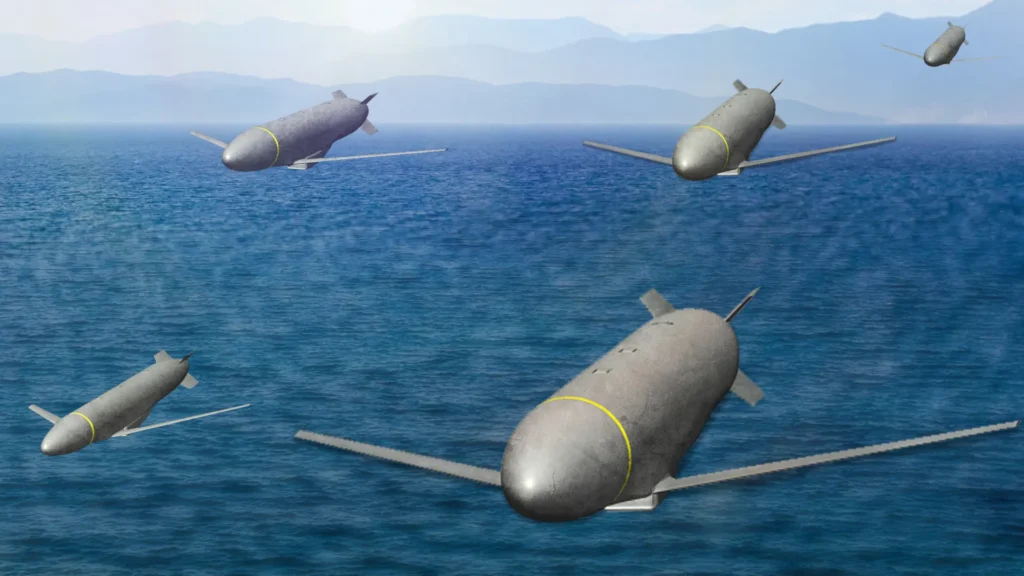
The SM-3 Block IB belongs to the Standard Missile-3 family of interceptors developed to engage ballistic missiles outside the atmosphere.
Rather than relying on a conventional explosive warhead, the weapon destroys its target through the force generated by a high-speed collision.
The interceptor uses a two-colour infrared seeker to track its target and a manoeuvrable kill vehicle to make precise adjustments during the engagement.
Its guidance and propulsion systems allow it to pursue incoming threats at high speed, making it a key component of the US ballistic missile defence system.
The Block IB variant can operate from Aegis-equipped naval vessels and compatible land-based installations, Defense News reported.
It is intended to intercept short- and intermediate-range ballistic missiles during the middle portion of their flight, before they reach their intended targets.
The weapon saw its first confirmed combat use in April 2024, when US Navy destroyers USS Arleigh Burke and USS Carney fired SM-3 interceptors against Iranian ballistic missiles launched towards Israel. That engagement demonstrated the interceptor’s operational role beyond testing and exercises.
US Missile Stocks
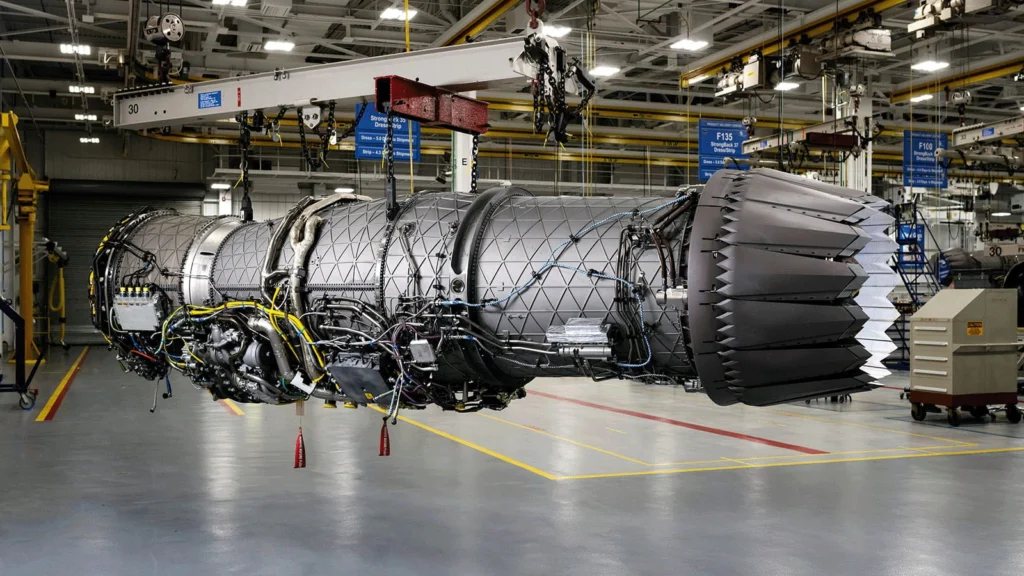
The contract also reflects concerns about the availability of advanced munitions during sustained military operations.
The Center for Strategic and International Studies identified the SM-3 Block IB among seven critical munitions in an April 2026 assessment of US weapons inventories.
Other systems highlighted in the report included Patriot interceptors, Terminal High Altitude Area Defense missiles, Precision Strike Missiles and Tomahawk Land Attack Missiles.
Defence analysts have warned that high rates of interceptor use could place pressure on the military’s ability to respond to further crises.
By securing multiyear production, the Pentagon aims to improve the continuity of SM-3 Block IB supplies as the United States maintains missile-defence commitments at home and abroad.
However, the contract announcement does not specify the number of interceptors to be delivered or the annual production rate.
Stay tuned with us. Further, follow us on social media for the latest updates.
Join us on Telegram Group for the Latest Aviation Updates. Subsequently, follow us on Google News
