

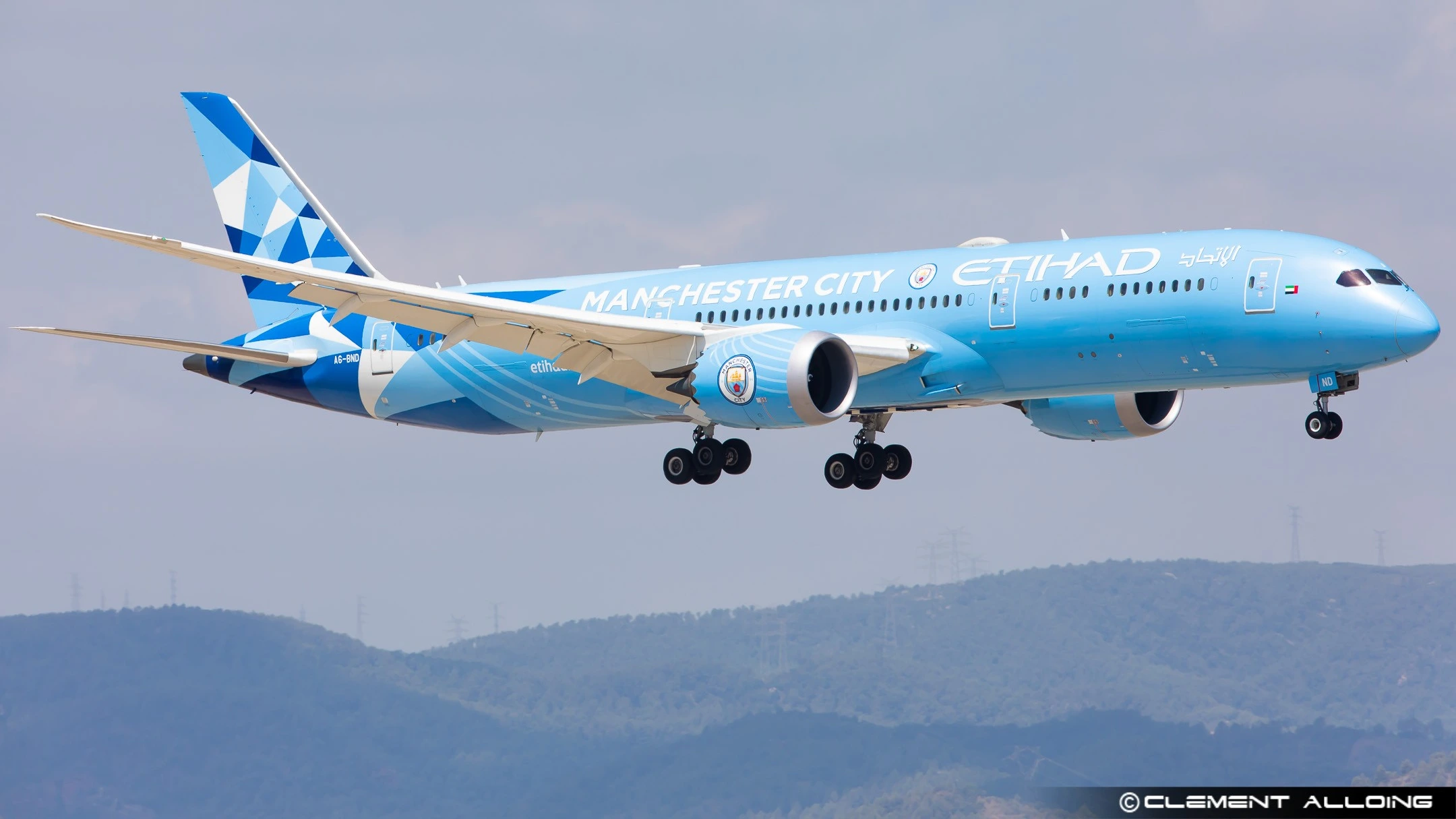
MANCHESTER- A 2015 statement by Etihad Airways (EY) has emerged as a potential obstacle to Manchester City’s appeal against a major financial ruling, raising questions about the source of sponsorship payments made between 2009 and 2018.
The dispute centres on whether the money came from Abu Dhabi’s government or from Abu Dhabi United Group (ADUG), the investment group associated with the club’s owner.
The case has implications for both football governance and the aviation industry, as the sponsorship arrangement links a major Gulf airline to one of English football’s most prominent clubs.
The latest development follows an independent commission’s findings, announced by the Premier League on September 29, 2026, that Manchester City breached financial rules over nine seasons. The club denies wrongdoing and is challenging the decision.
Etihad Sponsorship Dispute
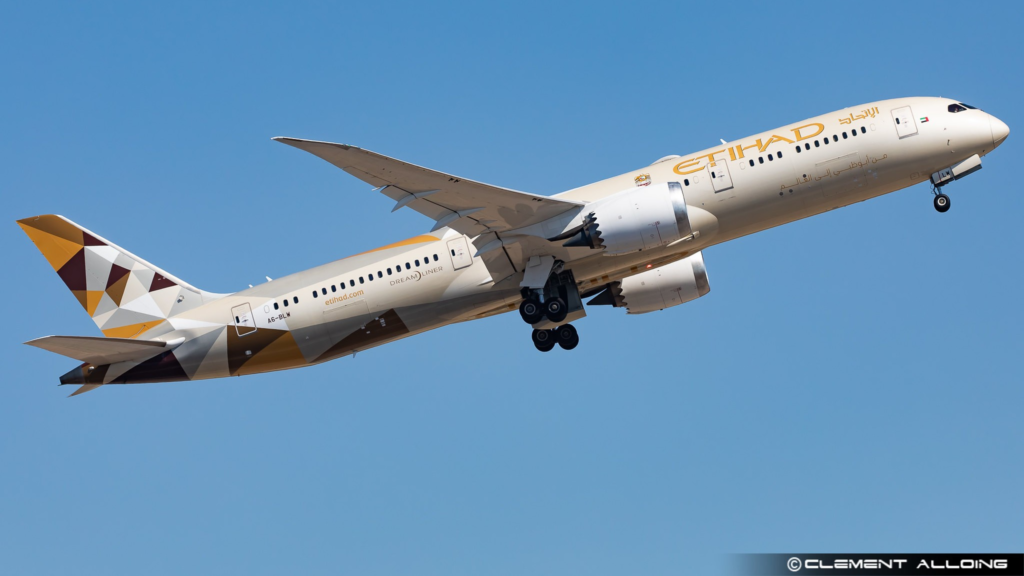
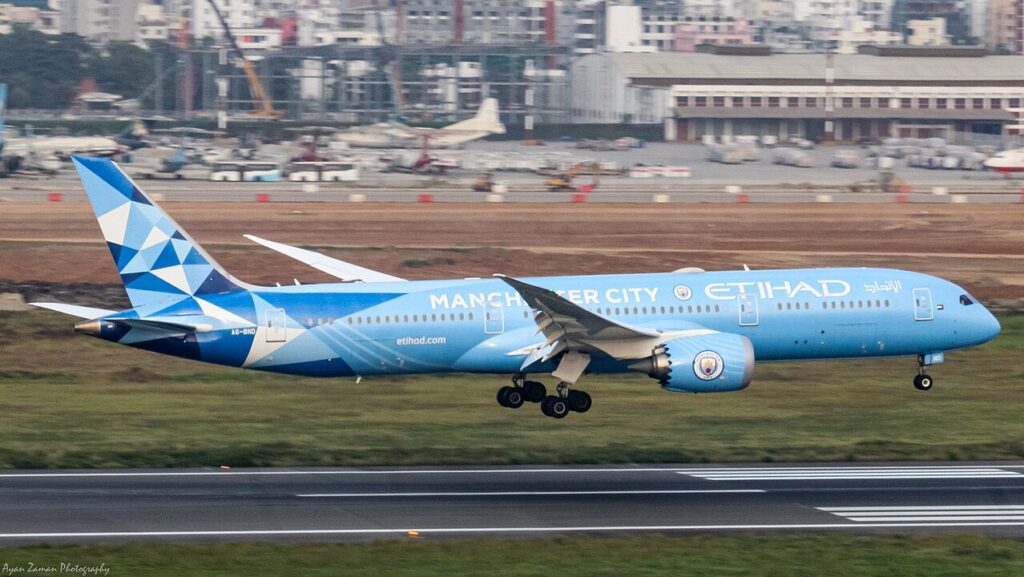
Etihad Airways has sponsored Manchester City since 2009, with the airline’s name appearing on the club’s shirts and stadium.
The sponsorship became a central issue in the Premier League’s case because investigators examined whether the club accurately reported the source of its commercial income.
According to the commission’s findings, Manchester City used commercial agreements that misrepresented the actual funding arrangements.
The Premier League said the club’s sponsors paid only part of certain sponsorship fees, while ADUG funded the remainder through what the commission described as a disguised funding scheme.
The commission found that the arrangements helped the club inflate its revenue and reduce its costs by more than £900 million between the 2009/10 and 2017/18 seasons.
It also found that the club submitted misstated accounts and breached spending limits. These findings form part of the wider case, which extends beyond Etihad’s sponsorship alone.
2015 Statement Raises Questions
The dispute now centres on a statement Etihad submitted to US government departments in 2015 during a debate over alleged subsidies to Gulf airlines. At the time, major US carriers argued that government support gave airlines such as Etihad an unfair competitive advantage.
In its submission, Etihad said the Abu Dhabi government had not paid for the airline’s Manchester City sponsorship.
Instead, the airline stated that it had financed the arrangement from its own resources. That position could complicate Manchester City’s current argument that the disputed sponsorship funding came from the Abu Dhabi government rather than ADUG
The distinction matters because the commission concluded that ADUG funded the unpaid portions of certain sponsorship fees.
If Manchester City relies on government funding to challenge that finding, Etihad’s earlier statement may become a key point of contention during the appeal.
The statement does not, by itself, determine the outcome of the case. However, it creates a documentary conflict between the airline’s position in 2015 and the explanation the club is expected to advance in its legal challenge.
Appeal Could Affect Etihad
Manchester City has said it intends to challenge the commission’s findings, arguing that the decision contains material errors.
The Premier League’s commission will determine the appropriate sanctions in a separate process, leaving the club facing potential disciplinary consequences while the legal dispute continues
For Etihad, the controversy presents a reputational risk. The airline could face renewed questions about how it funded one of its most visible sponsorship deals and whether its past statements align with the evidence examined in the football case.
The dispute may also bring fresh attention to longstanding arguments over state support for Gulf airlines.
However, the Manchester City proceedings concern the source and reporting of sponsorship funds under football regulations; they do not, on their own, establish that Etihad breached aviation rules.
Stay tuned with us. Further, follow us on social media for the latest updates.
Join us on Telegram Group for the Latest Aviation Updates. Subsequently, follow us on Google News
