

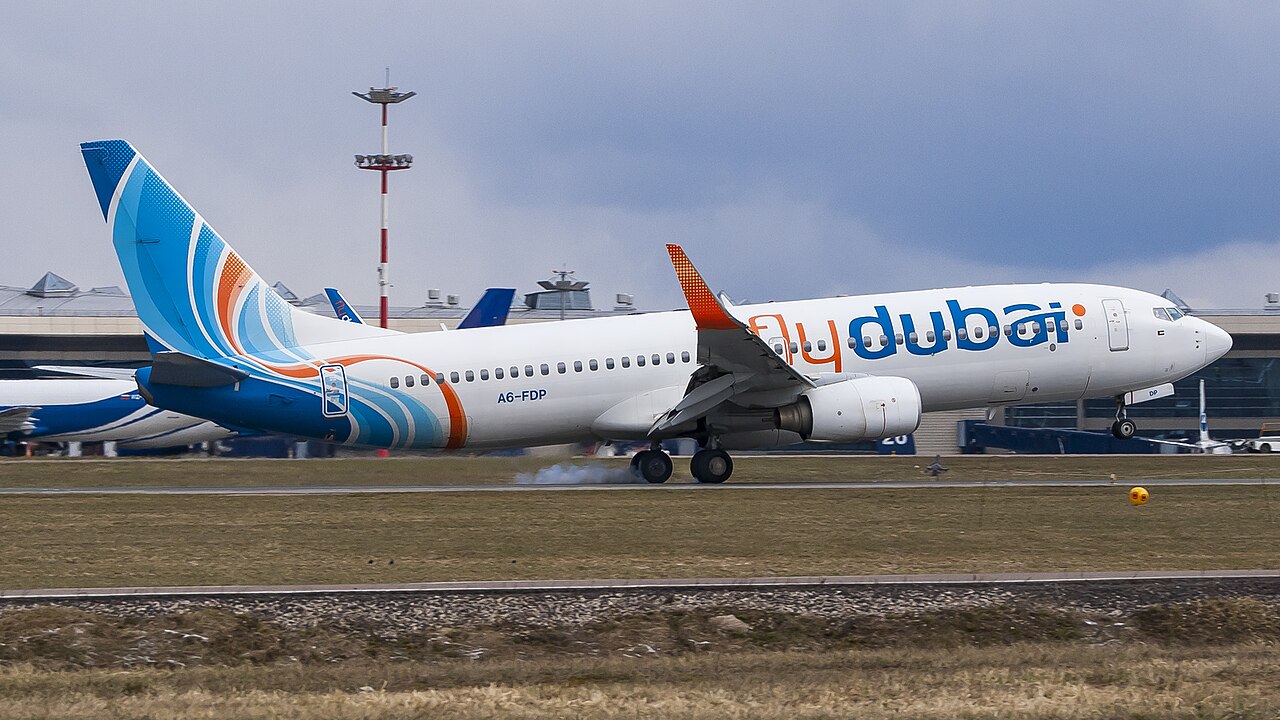
DUBAI— flydubai (FZ) co-pilot Hamam al-Hammami allegedly planned to crash Flight FZ1073 into a building or aircraft at Ben Gurion Airport (TLV) after taking control of the Boeing 737 MAX 8 operating from Dubai International Airport (DXB) to Tel Aviv on September 30. The reported plan emerged from Saudi and Emirati investigations cited by Israeli media.
The alleged plot was disrupted after Captain Smit Machchhar resisted the attack, opened the cockpit door, and allowed passengers and crew to overpower al-Hammami. Two off-duty pilots then helped secure the aircraft before it diverted to Tabuk, Saudi Arabia.

Reported Plan to Attack Ben Gurion Airport
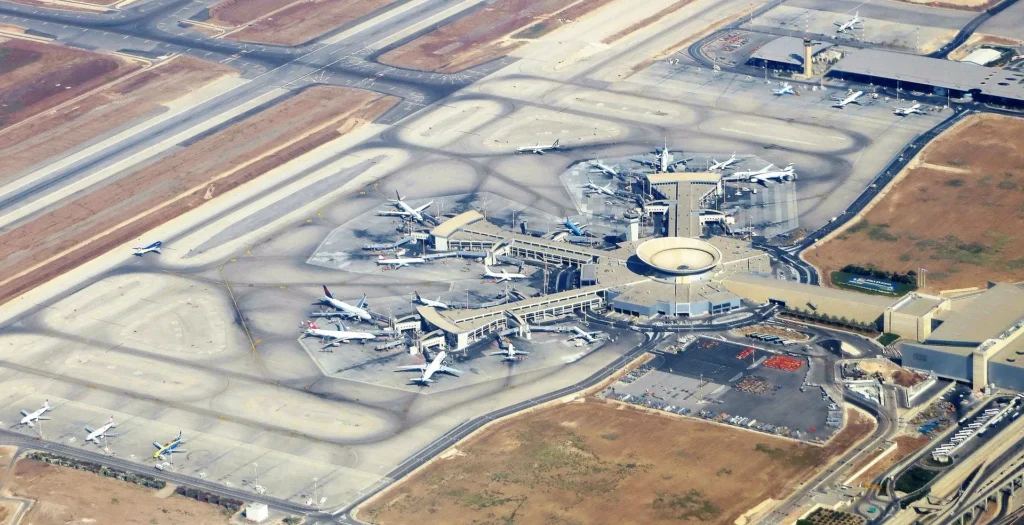
According to The Times of Israel, al-Hammami told investigators that he intended to keep Flight FZ1073 operating normally after incapacitating the captain. He reportedly planned to obtain the required landing clearances and only act during the final stage of the flight, when the aircraft was approaching Ben Gurion Airport.
The reported objective was to crash the aircraft into an airport building or a parked aircraft. Investigators believe the timing was intended to prevent authorities, crew members or passengers from recognising the threat early enough to intervene.
Channel 12, as cited by The Times of Israel, reported that al-Hammami deliberately waited until the aircraft was over Jordan before attempting to seize control. He had reportedly calculated that acting later would reduce the opportunity for an early response.
The reported interrogation account also indicates that al-Hammami had selected flydubai because the airline operated flights to Tel Aviv. Channel 13 reported that he told investigators: “I looked into which airline flies to Tel Aviv. That’s why I chose flydubai.”
Previous Visits to Ben Gurion
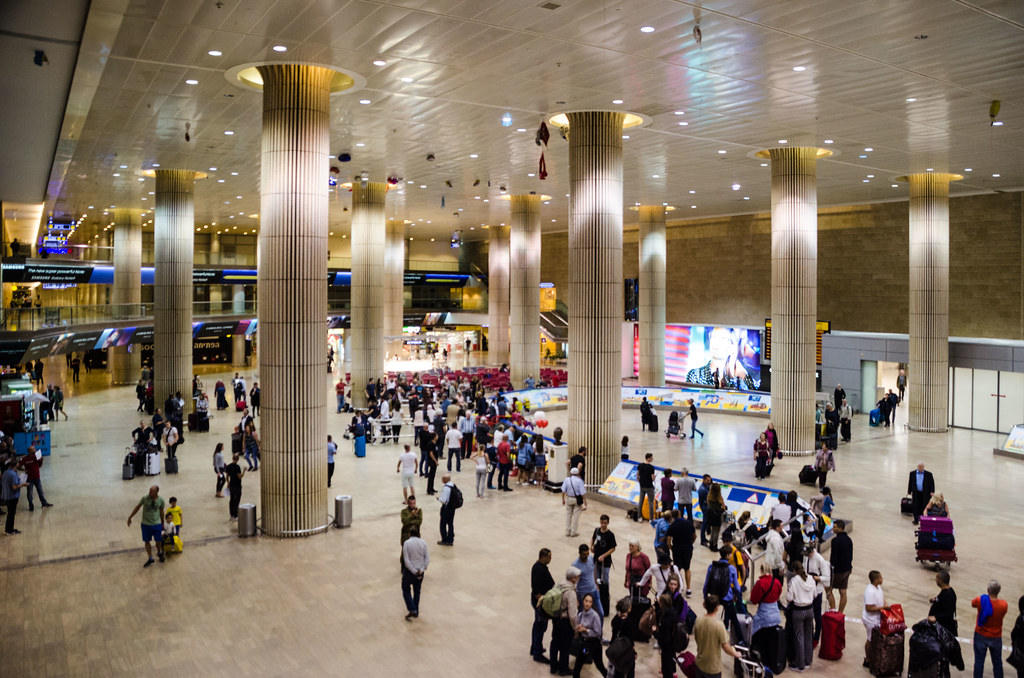
Investigators reportedly found that al-Hammami had visited Ben Gurion Airport several times in the months before the September 30 incident while operating flydubai flights.
According to Channel 12’s account, he used a June visit to collect information and develop his plan. He allegedly intended to launch the attack in July but abandoned that attempt at the last moment because he had developed a friendship with a member of the cabin crew.
The reported intelligence also suggests that planning began before al-Hammami joined flydubai. The Jerusalem Post reported that investigators were told he had sought employment with airlines operating services to Tel Aviv before eventually joining flydubai.
Israeli investigators have not directly questioned al-Hammami, according to The Times of Israel. Information about his interrogation has instead been passed to Israel through Saudi and Emirati investigative channels. Israel has also reportedly asked the UAE to question additional members of the flight crew.
Captain and Passengers Prevented the Crash
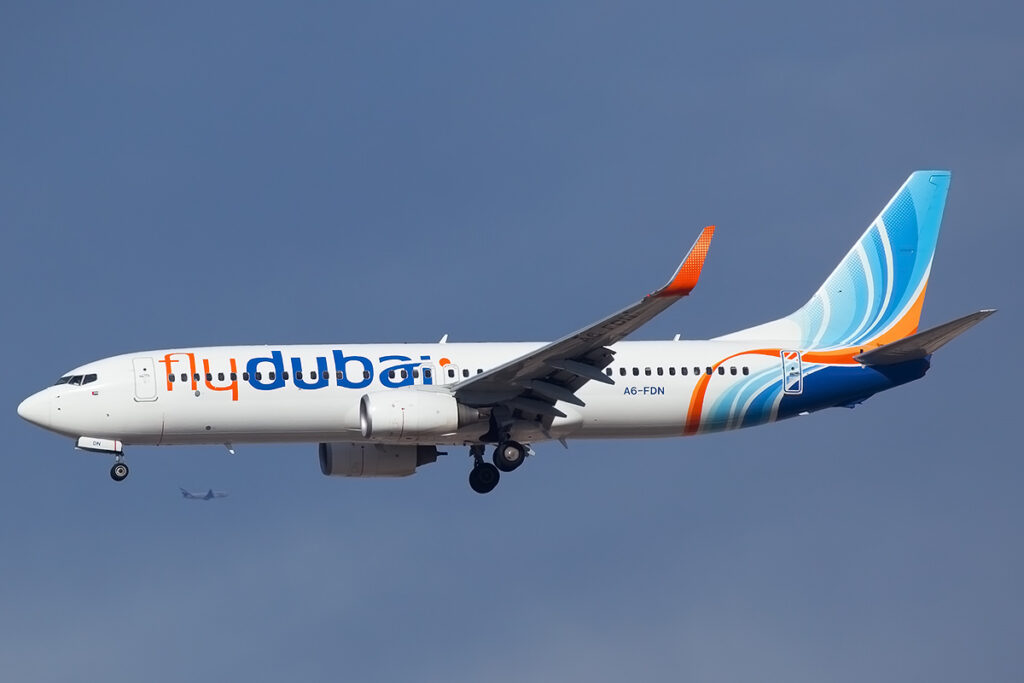
The attack began after al-Hammami reportedly requested a prayer break at about 9:15 a.m., according to a timeline published by Corriere della Sera and cited by The Times of Israel.
He then allegedly attacked Captain Machchhar with the aircraft’s emergency crash axe. The captain fought to prevent the co-pilot from taking full control of the aircraft and attempted to open the cockpit door.
At about 9:20 a.m., passenger Tali Manes reportedly heard the struggle while accompanying her five-year-old daughter toward the washroom. She alerted an off-duty aviator travelling in the business-class cabin.
Machchhar eventually managed to release the cockpit door. Passengers entered the flight deck and helped restrain al-Hammami while another passenger helped stabilise the aircraft. Two off-duty pilots subsequently took control of the aircraft.
The aircraft had experienced a dramatic descent during the confrontation. Reuters reported that FZ1073 plunged by about 16,000 feet in roughly 30 seconds after the cockpit attack, creating an extreme emergency for everyone onboard.
FZ1073 Emergency Timeline
Flight-tracking data provides a detailed picture of the emergency.
At about 9:31 a.m., the replacement pilots transmitted 7700, the international transponder code for a general emergency. The aircraft later transmitted 7500, the code used to indicate unlawful interference.
By about 9:35 a.m., al-Hammami had reportedly been restrained. The replacement pilots subsequently returned the aircraft to a more stable flight path and changed the transponder information as the emergency developed.
Saudi air traffic authorities directed the aircraft toward Tabuk. Flight FZ1073 eventually landed safely at Prince Sultan bin Abdulaziz International Airport (TUU) in Tabuk. Saudi authorities confirmed that the aircraft had been cleared to make an emergency landing.
flydubai’s initial statement said the aircraft had experienced an incident in the flight deck and that crew members onboard secured the aircraft before diverting it to Tabuk. The airline initially said the underlying reasons and motives remained unknown and urged against premature speculation.
The UAE later officially described the incident as an attempted terrorist act. UAE authorities said the investigation was examining the circumstances, motives, possible prior planning and any potential connection to terrorist activity.

Investigation Into Al-Hammami’s Background
Al-Hammami, a 29-year-old Omani national, is now at the centre of an international investigation involving authorities in the UAE, Saudi Arabia, Israel and other countries.
Reports indicate that he previously worked for Oman Air and had been removed from flight duties after concerns emerged about extremist material and online activity. The Wall Street Journal reported that Oman Air had previously barred him from flying and that he later joined flydubai.
The investigation is examining how a pilot who had reportedly attracted security concerns was later able to return to commercial flight operations.
Israeli Prime Minister Benjamin Netanyahu has said that al-Hammami underwent Islamist radicalisation and appeared suicidal. Israeli authorities are also investigating whether he acted alone or had connections to extremist organisations or foreign entities.
UAE authorities have not publicly established that he acted on behalf of a terrorist organisation. The investigation remains focused on determining his motive, preparation and possible external connections.

Australia Launches Counterterrorism Probe
Australian authorities have opened a separate investigation into al-Hammami’s links to the country.
The Australian Federal Police confirmed that the Victorian Joint Counter Terrorism Team, comprising the AFP, Victoria Police and the Australian Security Intelligence Organisation, is investigating his links to Australia.
Reports cited by The Times of Israel said al-Hammami received an Australian student visa in 2014 and studied in Australia between 2015 and 2017. His visa was reportedly cancelled in 2019 because he was no longer enrolled in a course.
Australian investigators are examining whether his radicalisation could have occurred during his time in the country. The Financial Times separately reported allegations that he had visited radical mosques and extremist websites while in Australia, although those claims had not been independently verified by Reuters.
A deleted LinkedIn profile reportedly indicated that al-Hammami also studied aviation management remotely through Buckinghamshire New University in the United Kingdom. CNN reported that he completed the programme in 2023, according to information attributed to a university source.

International Security Questions
The FZ1073 incident has raised questions about pilot vetting, intelligence sharing and the handling of security information across jurisdictions.
The case is particularly significant because the alleged threat came from within the cockpit rather than from a passenger attempting to breach cockpit security. Aviation security measures introduced after previous attacks heavily restrict access to flight decks, but the incident demonstrates the separate risk posed by an authorised crew member allegedly turning against the aircraft and other occupants.
Investigators are therefore examining not only the events aboard FZ1073 but also al-Hammami’s recruitment history, previous employment, international travel, online activity and any security records that could have been available to aviation authorities.
The UAE remains the central jurisdiction for the investigation because the aircraft was registered in the UAE. The country’s Ministry of Foreign Affairs said its judicial authorities have jurisdiction over offences committed onboard the aircraft and stressed that official information should be prioritised over speculation.
The investigation will ultimately need to establish whether the September 30 attack was a lone operation, whether al-Hammami had assistance or direction from others, and how he was able to obtain and retain access to a commercial cockpit.
Stay tuned with us. Further, follow us on social media for the latest updates.
Join us on Telegram Group for the Latest Aviation Updates. Subsequently, follow us on Google News
