


CHENNAI- Tamil Nadu has scrapped the proposed Parandur greenfield airport project near Chennai, raising fresh questions over the city’s long-term aviation capacity.
Chennai International Airport (MAA) handled about 23 million passengers in FY2025-26, compared with 44.47 million at Kempegowda International Airport (BLR) in Bengaluru and 30.48 million at Rajiv Gandhi International Airport (HYD) in Hyderabad.
The Tamil Nadu government says it will identify a new site for Chennai’s second airport while expanding the existing airport to 55 million passengers annually. The decision has also revived concerns over land acquisition, cargo capacity, investment and the time needed to deliver a replacement airport.
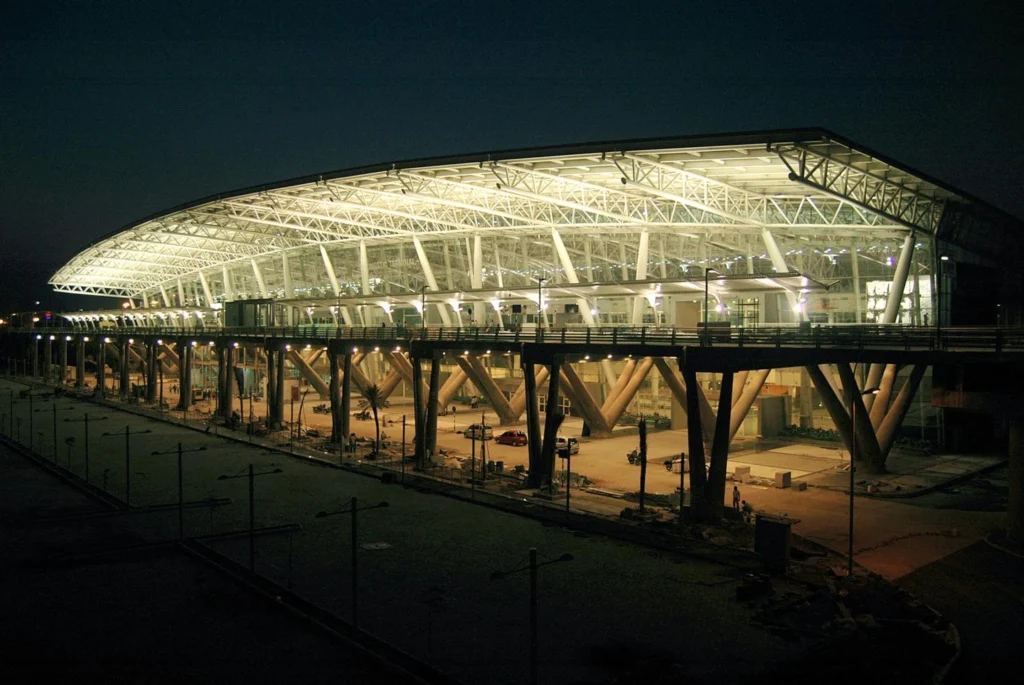
Chennai’s Second Airport Plan Enters New Phase
The proposed Parandur airport was intended to provide Chennai with the large-scale aviation capacity needed to support Tamil Nadu’s industrial and economic growth.
The project was selected in 2022 after several locations had been examined over many years. Tamil Nadu’s search for a second airport for Chennai dates back to 1999, with earlier proposals involving locations such as Tambaram, Maraimalai Nagar and Sriperumbudur failing to progress because of technical, financial and land acquisition challenges.
Parandur was eventually selected from a group of shortlisted locations that included Pannur, Padalam and Tiruporur. Its location near the Chennai-Bengaluru industrial corridor and the Sriperumbudur manufacturing belt was considered an important advantage.
The Union Ministry of Civil Aviation subsequently granted in-principle approval for the proposed international greenfield airport.
The proposed airport was expected to cost around ₹27,400 crore according to the original project estimate cited by industry reports. Other project documents and later assessments placed the estimated cost higher, at around ₹29,000 crore. The airport was planned in phases and was expected to eventually handle up to 100 million passengers annually.
The project also included supporting infrastructure such as an air freight village, road connections and a proposed Metro link to the airport. These plans were designed around Parandur becoming a major aviation and logistics hub for the Chennai region.
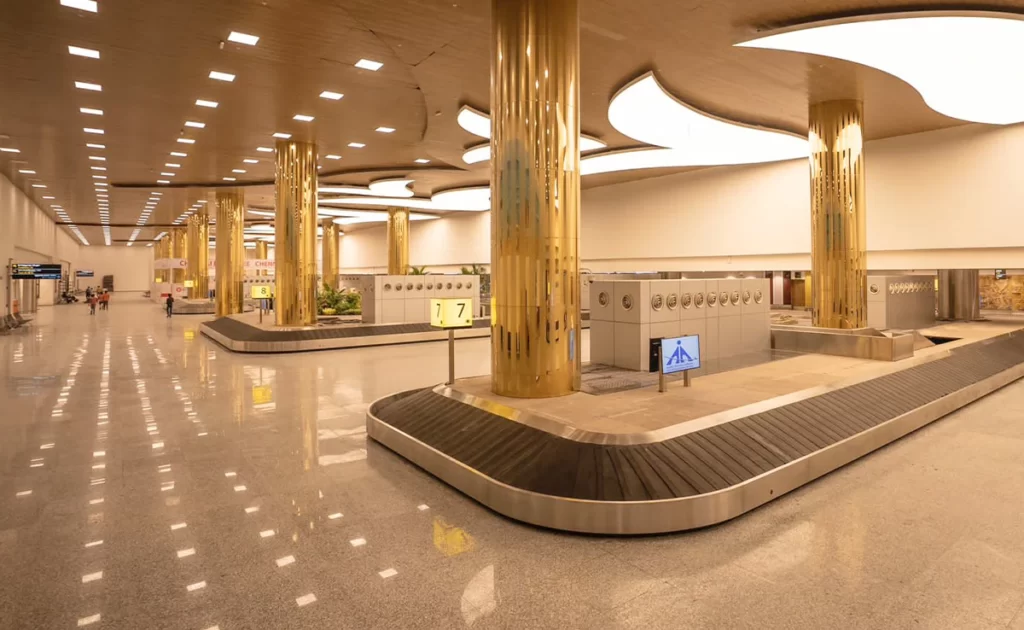
Why Tamil Nadu Dropped Parandur
Tamil Nadu Chief Minister C Joseph Vijay announced the decision to abandon the Parandur project in the state Assembly on August 24, 2026.
The decision fulfilled a political commitment made by Vijay before he became chief minister. In January 2025, he had visited villages affected by the proposed airport and supported residents opposing the location.
Vijay’s position was not that Chennai did not need another airport. He argued that the second airport should be developed at a location that would cause less disruption to agricultural land, residential settlements and local communities. The distinction is important because the current government continues to support the need for additional airport capacity.
The government has also cited environmental concerns surrounding the Parandur site.
Energy Resources and Law Minister R. Nirmal Kumar told the Assembly that the proposed project required 5,846 acres. This included 3,774 acres of private patta land, of which 2,681 acres was classified as fertile agricultural land. Of the 1,972 acres of government land, 1,558 acres consisted of water bodies and canals, according to the minister.
The government said only about 1,802 acres, or 48% of the total land requirement, had been acquired.
It also said land acquisition had not started in several villages, including Ekanapuram, Karai, Thandalam and Siruvalur. The government further argued that the project had not received environmental clearance and that an environmental impact assessment had not been completed. These are the government’s stated reasons for questioning the viability of continuing with Parandur.
Vijay has also said that nearly 55% of the identified area consisted of water bodies and wetlands, creating concerns over runway operations and flood management.
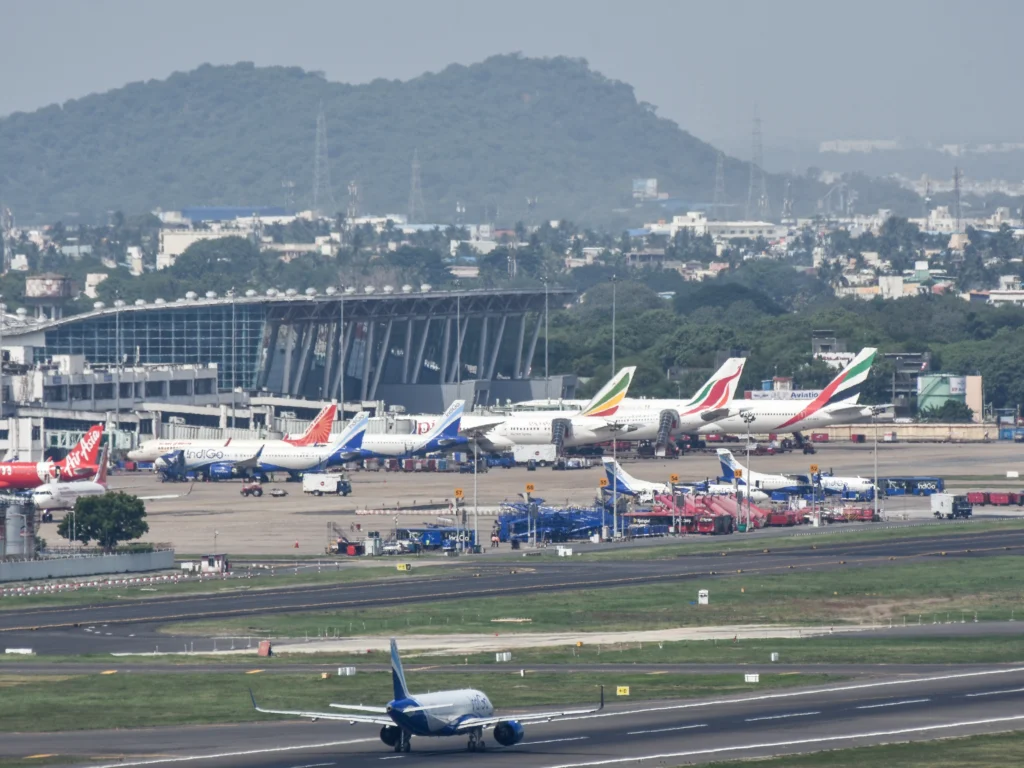
Chennai Still Needs More Capacity
The cancellation does not remove the underlying need for another major airport.
Chennai International Airport handled approximately 23 million passengers in FY2025-26. Bengaluru handled 44.47 million passengers and Hyderabad handled 30.48 million during the same period. Chennai therefore remains significantly smaller than two of the other major southern aviation hubs.
The existing airport has already undergone expansion. The Airports Authority of India completed the first phase of modernization by adding an integrated terminal, increasing passenger-handling capacity from 23 million to 30 million passengers per annum. The next phase involves Terminal 3, taking capacity to approximately 35 million passengers.
The Tamil Nadu government now plans an additional Terminal 5 at Meenambakkam. The proposed terminal is expected to add another 20 million passengers annually. Combined with Terminal 3, the expansion could take Chennai airport’s total annual passenger-handling capacity to about 55 million.
This expansion can provide additional capacity while a new second airport is being planned. However, it is not a substitute for a large greenfield airport if Chennai’s long-term demand reaches the levels projected by industry representatives.

Cargo Growth Raises Stakes
Passenger traffic is only one part of Chennai’s aviation requirement.
Chennai handled more than 4.2 lakh tonnes of air cargo in calendar year 2025, with cargo volumes increasing by about 11%. During the first half of FY2026, Chennai also moved ahead of Bengaluru in international cargo and ranked third nationally in that segment.
The growth is closely connected to Tamil Nadu’s industrial economy.
Electronics, automobile components and engineering products are major contributors to the state’s export activity. Tamil Nadu is also a major manufacturing base for global companies, including suppliers serving the electronics and automobile industries. Reuters reported that the state accounts for a significant share of India’s manufacturing activity and employment.
Ravichandran Purushothaman, president of Danfoss India and chairman of the Confederation of Indian Industry’s Southern Region, has argued that Chennai needs a future airport capable of handling around 80 million to 100 million passengers annually.
He has also stressed that the new facility should function as an export-import hub rather than simply as a passenger airport.
The argument is particularly relevant for high-value electronics and other time-sensitive exports, where reliable air cargo capacity can influence supply-chain decisions.
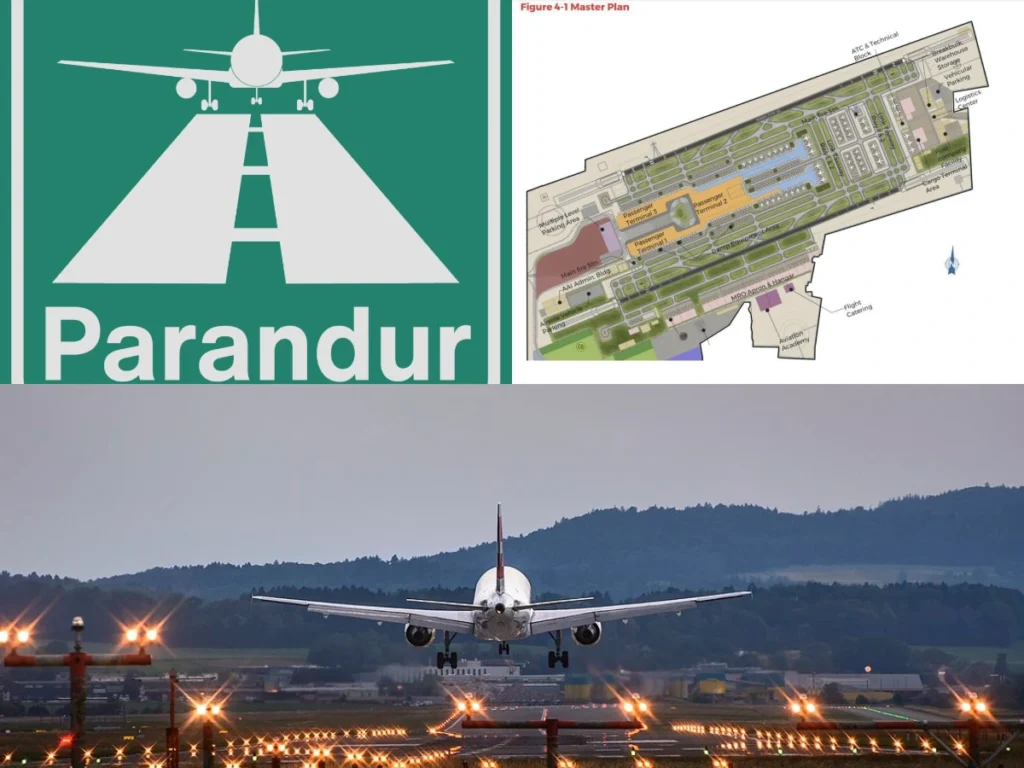
Land Acquisition Could Delay Replacement
The biggest challenge facing any replacement airport could be land acquisition.
J. Krishnan, former president of the Air Cargo Agents Association of India, said Chennai could already be a decade behind other major southern cities in air services and warned that the cancellation could push the state another 10 to 12 years behind if the replacement process takes too long.
He has argued that a future second airport would require at least two runways and potentially 5,000 to 7,000 acres of land.
Finding such a large contiguous parcel close enough to Chennai while avoiding major displacement, agricultural disruption and environmental conflicts would be difficult.
Tamil Nadu’s previous infrastructure projects illustrate the scale of the challenge.
The Jayankondam integrated lignite mining and power generation project involved acquisition of around 3,390 hectares about 25 years ago. The state eventually returned the land to former owners in 2022 after the project did not proceed as originally planned.
The Navi Mumbai airport project provides another example. The airport was conceived in the late 1990s, but acquiring more than 1,160 hectares and rehabilitating more than 5,000 families contributed to a development process lasting more than two decades, according to industry comments reported by The Economic Times.
These examples show why identifying another site does not automatically solve Chennai’s airport problem.
Two Alternative Sites Identified
The Tamil Nadu government has already moved to identify alternatives.
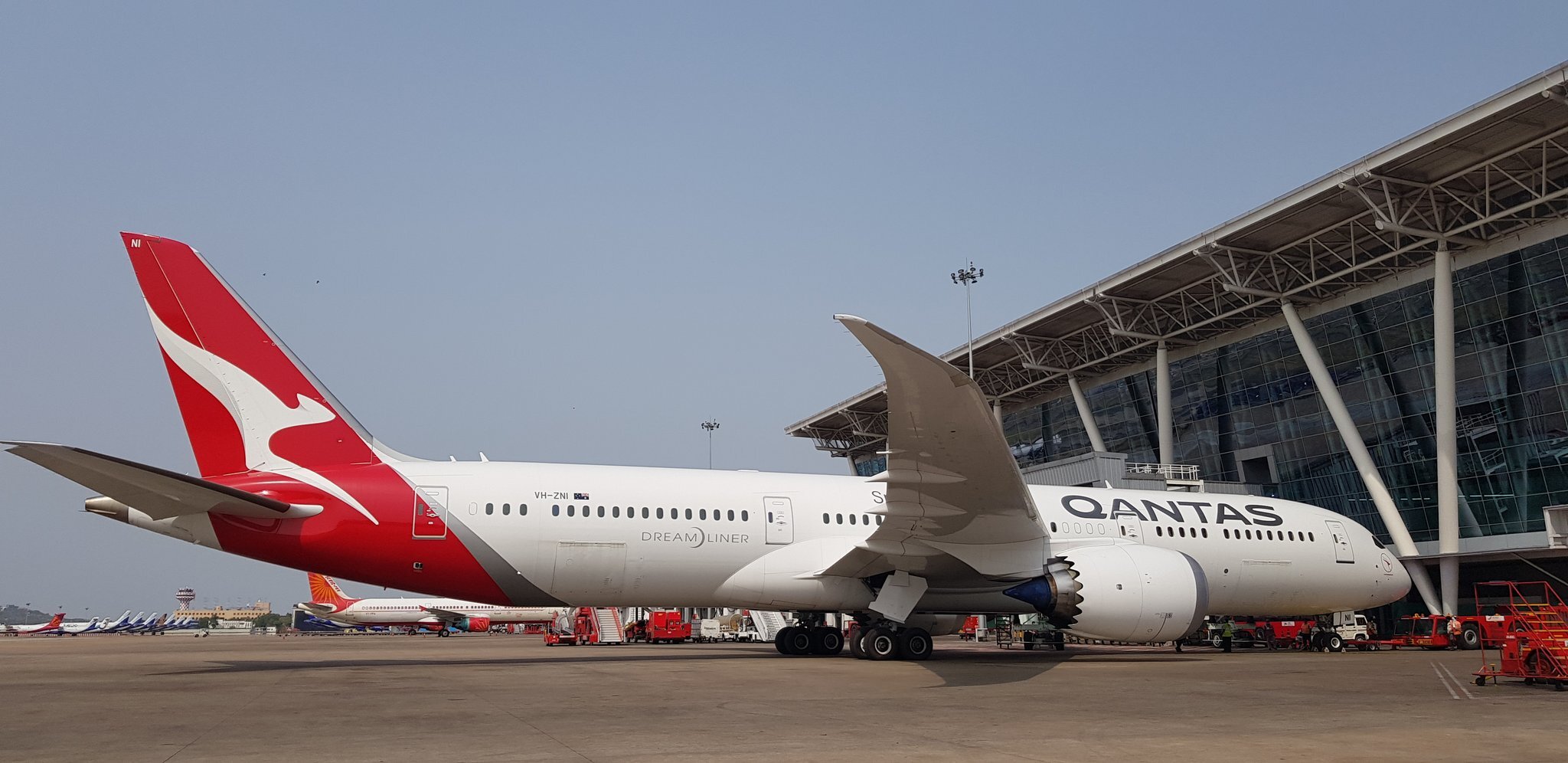
Manellore near Gummidipoondi and Cheyyur have been shortlisted for consideration. The two sites were reportedly identified within a week of the Parandur decision and recommended to the Airports Authority of India for feasibility studies.
Manellore is located north of Chennai, while Cheyyur is south of the city. Reports have placed Manellore roughly 50 to 60 kilometres from Chennai and Cheyyur about 100 kilometres away.
Both sites will need detailed assessment before they can be considered viable airport locations.
The government will have to examine land availability, runway alignment, airspace, environmental impact, connectivity, rehabilitation requirements and the potential impact on surrounding communities.
The sites also present their own geographical considerations. Manellore is relatively close to Sriharikota’s space facilities, while Cheyyur is located near the Kalpakkam nuclear facility. These factors make technical and operational feasibility studies particularly important.
Chennai Airport Has Its Own Limitations
The existing airport cannot simply be expanded indefinitely.
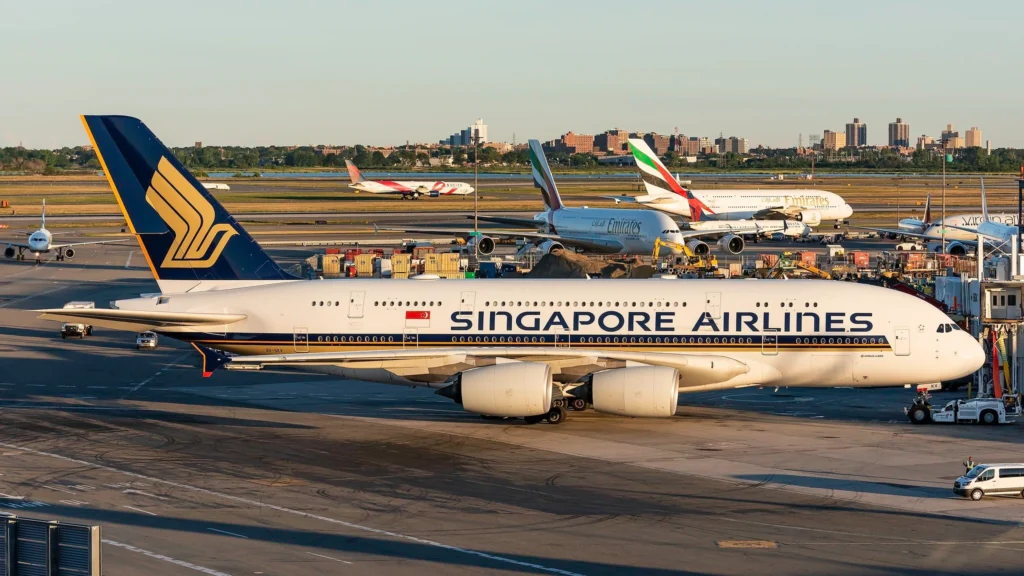
Former Tamil Nadu BJP chief K. Annamalai has argued that Chennai airport’s infrastructure places it behind other major southern airports. He has pointed to limitations involving taxiways and aerobridges and said the airport is not classified as a Code F airport.
Code F covers aircraft with larger wingspans and outer main gear wheel spans. The infrastructure limitations cited by Annamalai have also been linked to restrictions on accommodating very large aircraft such as the Airbus A380.
This issue matters because an international aviation hub requires more than terminal capacity. Runways, taxiways, aircraft stands, aerobridges, cargo facilities and supporting ground infrastructure all have to expand alongside passenger numbers.
A 1,300-acre urban airport site therefore faces different physical constraints from a purpose-built greenfield airport designed around long-term expansion.

Political Debate Continues
The decision has triggered criticism from opposition parties and former state ministers.
Former industries minister TRB Rajaa described the cancellation as unfortunate and argued that Tamil Nadu needs continuity in infrastructure planning rather than a complete reset.
The opposition has also challenged the government’s claim that only 48% of the required land had been acquired. Former DMK minister Thangam Thennarasu had claimed that a much larger proportion of the land, including government and private land, had already been acquired.
The government has rejected that assessment and maintained that substantial land acquisition remained incomplete.
The dispute is therefore not limited to whether Parandur was the right location. It also concerns how much progress had actually been made before the project was abandoned and whether cancelling it will increase the state’s infrastructure costs and delay.
What Happens to the Acquired Land?
The future of the land already acquired for Parandur remains another unresolved issue.
The government has indicated that around 1,802 acres had been acquired. Industries minister S. Keerthana said the land could potentially be used for environmentally friendly industries and employment-generating projects.
However, the final use of the acquired land has not been settled.
Questions have also been raised about whether land should be returned to the original owners and what would happen to compensation that has already been paid.
A recent report said the government had not yet finalised a new use for the acquired land, although industrial use had been discussed internally.
This issue could become particularly sensitive for landowners who have already surrendered their property based on the original airport plan.

The Wider Economic Impact
Tamil Nadu has one of India’s largest state economies, with a GDP exceeding $400 billion, and its industrial base is spread across automobiles, electronics, engineering, textiles, technology and other sectors.
Chennai plays a central role in this ecosystem.
The city is also an important gateway for international trade and manufacturing. Major industrial clusters around Chennai, Sriperumbudur and Oragadam depend on efficient road, rail, port and air connectivity.
The concern among industry representatives is therefore not simply that Chennai needs another passenger terminal.
A large second airport could provide additional passenger capacity, international connectivity, cargo infrastructure and surrounding logistics development.
The proposed Parandur project had also been linked to an air freight village and new road and Metro infrastructure. Those projects were designed around the airport’s location and could now require reassessment.
As reported by the economic times, the wider airport-capacity debate highlights the role aviation infrastructure can play in supporting regional connectivity and economic growth.
The Tamil Nadu government has maintained that it is not abandoning the idea of a second airport.
Instead, it is attempting to replace Parandur with a location that causes less disruption to farmers, residential settlements and water resources.
That approach addresses the central criticism of Parandur, but it also creates a new timeline risk.
A replacement airport will need a suitable site, technical feasibility studies, environmental approvals, land acquisition, rehabilitation, financing, construction and supporting infrastructure.
The government has already shortlisted Manellore and Cheyyur for feasibility studies, but neither location can yet be treated as a confirmed airport site.
In the meantime, the existing Chennai airport’s planned expansion to 55 million passengers provides an interim capacity increase.
The larger question is whether that expansion will be sufficient while Tamil Nadu works through the much longer process of developing a new airport.
For a state competing with Bengaluru, Hyderabad and other major aviation hubs for manufacturing, logistics and investment, the timing will be critical.
Chennai’s second-airport debate has therefore moved beyond Parandur. The immediate challenge is to find a location that can satisfy aviation requirements without recreating the land, environmental and social conflicts that brought the previous project to an end.
Stay tuned with us. Further, follow us on social media for the latest updates.
Join us on Telegram Group for the Latest Aviation Updates. Subsequently, follow us on Google News
