

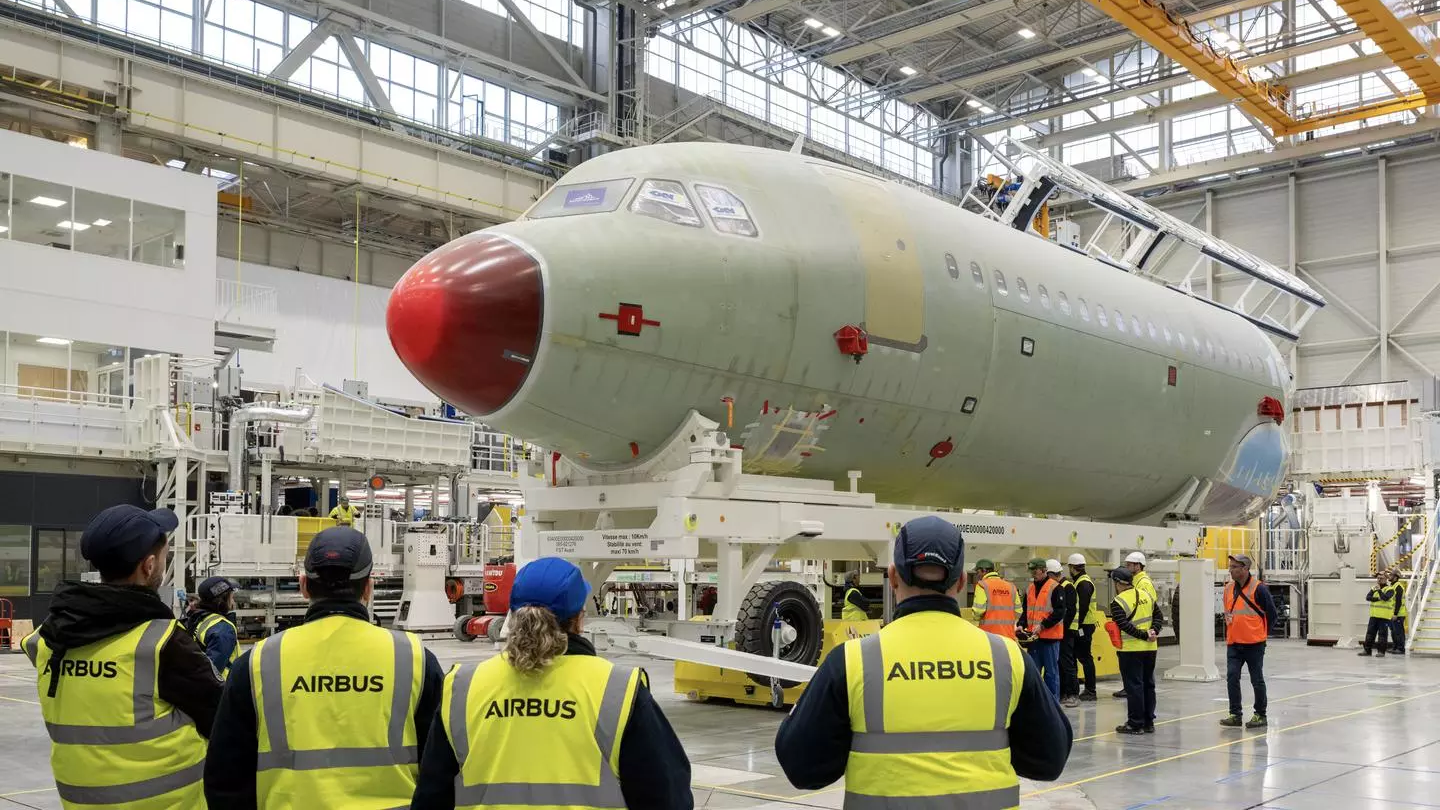
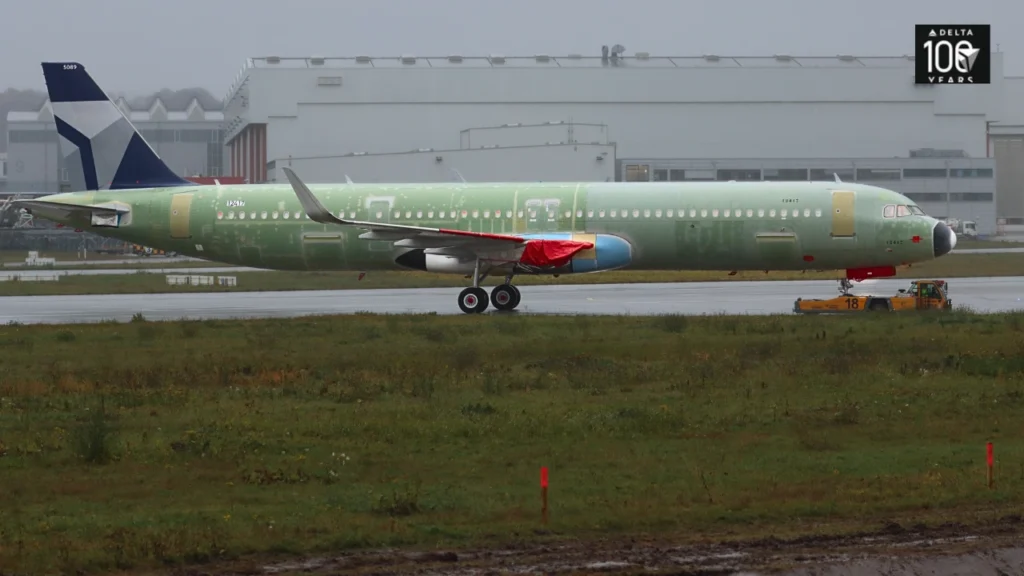
TOULOUSE- Airbus has identified and contained a quality issue involving the fuselage structure of about 500 A321neo aircraft. The company says the issue does not pose an immediate safety risk and aircraft can continue operating. Airbus is headquartered in Toulouse, France.
Airbus A321neo is the affected aircraft, while Delta Air Lines (DL) is among the operators monitoring the situation. Delta uses A321neo aircraft in its fleet and says it remains in contact with manufacturers and will follow operator recommendations and regulatory directives.

Airbus Identifies A321neo Fuselage Quality Problem
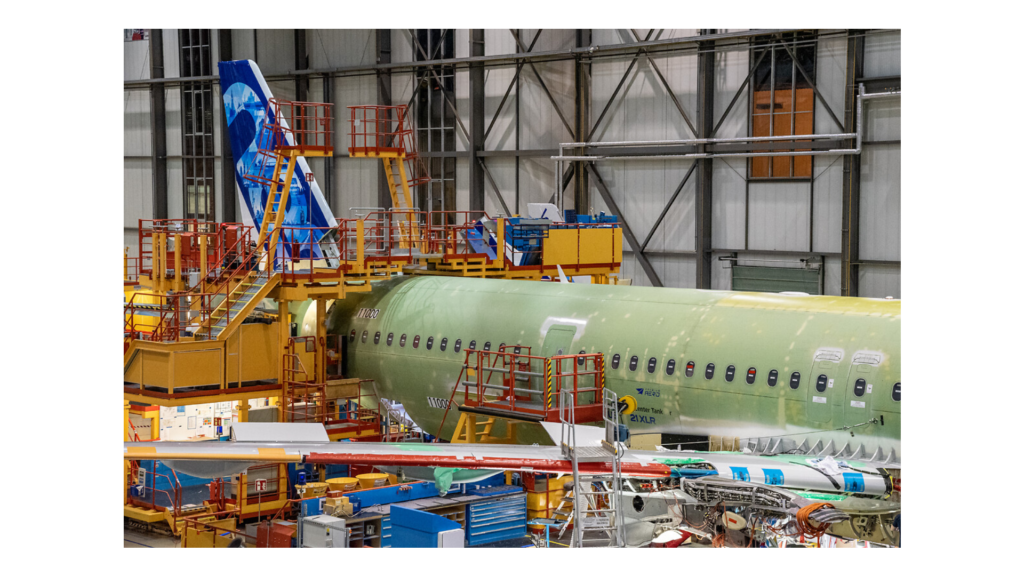
Airbus has identified a deviation in the surface protection, or coating, applied to structural components called stringers. These components run lengthwise along the fuselage and contribute to the aircraft’s structural framework.
The issue affects approximately 500 A321neo aircraft, according to a source familiar with the matter. Around 250 aircraft are already in service, while another 250 are in production.
Airbus discovered the problem while affected components were undergoing rework on the production line. The company said it has identified and contained the source of the issue and has a remedy available.
The finding comes as Airbus works to increase narrow-body aircraft production from roughly 60 aircraft per month toward a target of 75, Reuters flagged.
What the A321neo Issue Means for Operators
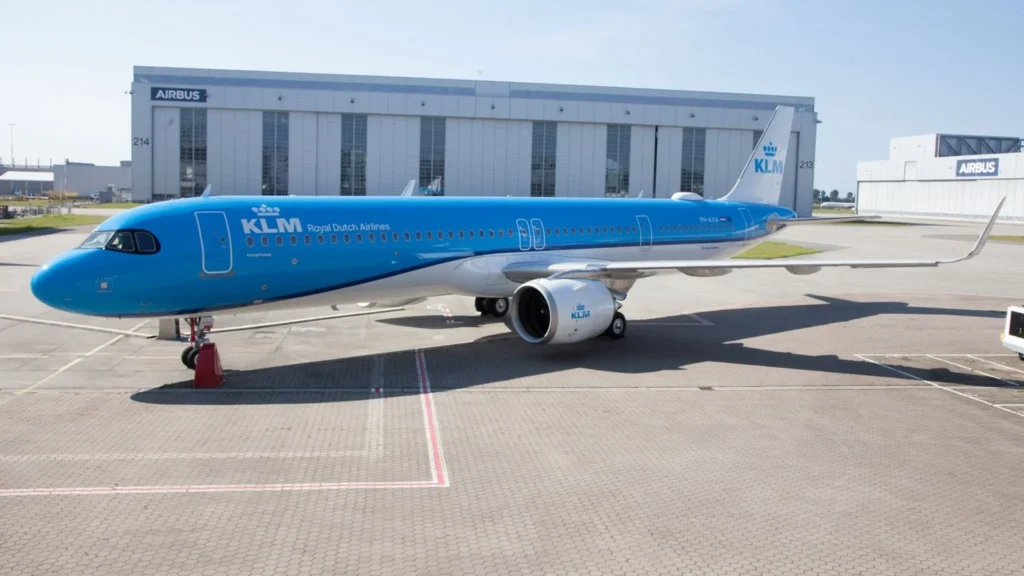
Airbus has told customers that there is no immediate requirement to repair the affected aircraft before delivery or continued operation. Customers are continuing to accept aircraft without requesting additional work in advance, according to the source.
However, European regulators could require repairs within a specified period through an airworthiness directive or similar regulatory action. Any such requirement could establish formal inspection or repair timelines for affected aircraft.
Delta Air Lines said it remains in communication with manufacturers and will take action to meet or exceed applicable operator recommendations and regulatory directives.
A321neo Remains a Major Airbus Narrow-Body Aircraft
The A321neo is the largest member of Airbus’ A320 family and is designed for high-capacity single-aisle operations. Airbus lists a maximum seating capacity of 244 passengers, with typical two-class configurations seating between 180 and 220 passengers.
The aircraft has a published range of up to 4,000 nautical miles, or about 7,400 kilometres. Airbus describes the A321neo as its best-selling large single-aisle aircraft and reports lower fuel burn per seat compared with the previous generation.
The aircraft’s large capacity and range allow airlines to use it across domestic, regional and longer-distance routes. These characteristics have made the A321neo an important part of Airbus’ narrow-body production plans.
A321XLR Not Affected by the Reported Defect
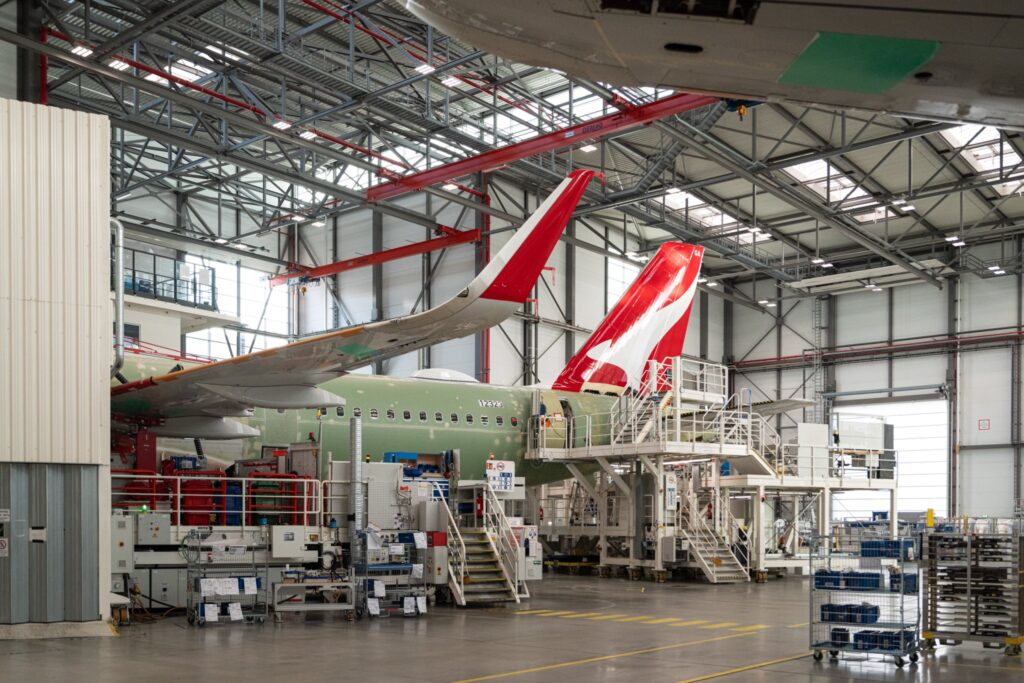
The reported fuselage issue does not affect the longer-range A321XLR, according to the source cited in the report.
The A321XLR is derived from the A320neo family but incorporates additional features that support longer-range operations. Airbus states that the A321XLR can operate non-stop for up to 11 hours and provides a maximum range of about 4,700 nautical miles.
Keeping the A321XLR outside the reported issue separates its production and operational considerations from the A321neo quality problem.
Second A321 Fuselage Problem in Nine Months
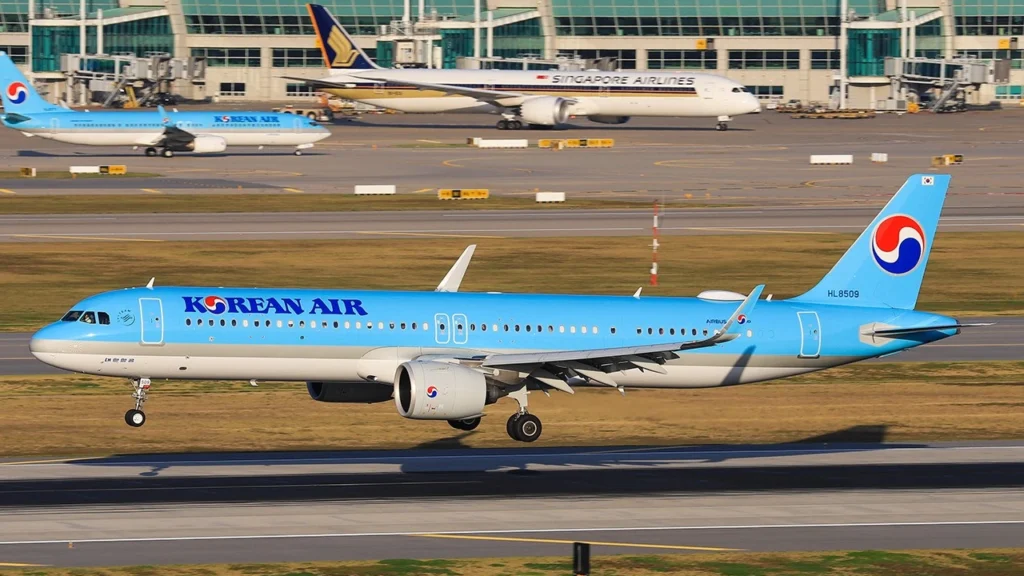
The latest issue follows another fuselage-related quality problem reported by Airbus in December 2025.
That earlier problem involved defects in fuselage panels and was also described as a quality issue without safety implications. However, the investigation and related work contributed to delivery delays lasting several months.
The recurrence of a fuselage-related manufacturing issue adds pressure to Airbus’ production system as the company seeks to increase output of its narrow-body aircraft.
Production and Supply Chain Remain Key Factors
The affected structural components are produced by Stelia, Airbus’ in-house aerostructures unit, according to the source cited in the report.
The timing is significant because Airbus is attempting to raise A320-family production rates. Quality issues discovered during production can require inspection, rework, or changes to manufacturing processes even when aircraft can continue flying safely.
Airbus’ statement that the source has been contained and a remedy is available indicates that the company has identified a corrective path. The potential effect on future deliveries will depend on the scope of required work and any instructions issued by aviation regulators.
Regulatory and Customer Response
Airlines operating the A321neo are monitoring Airbus’ technical findings and any subsequent regulatory instructions.
If regulators require repairs, operators may need to schedule work according to defined deadlines. If no immediate repair requirement is imposed, airlines can continue operating affected aircraft while following applicable maintenance and operational guidance.
The situation therefore involves three main stages: Airbus’ production correction, customer fleet management, and potential regulatory action.
Stay tuned with us. Further, follow us on social media for the latest updates.
Join us on Telegram Group for the Latest Aviation Updates. Subsequently, follow us on Google News
