

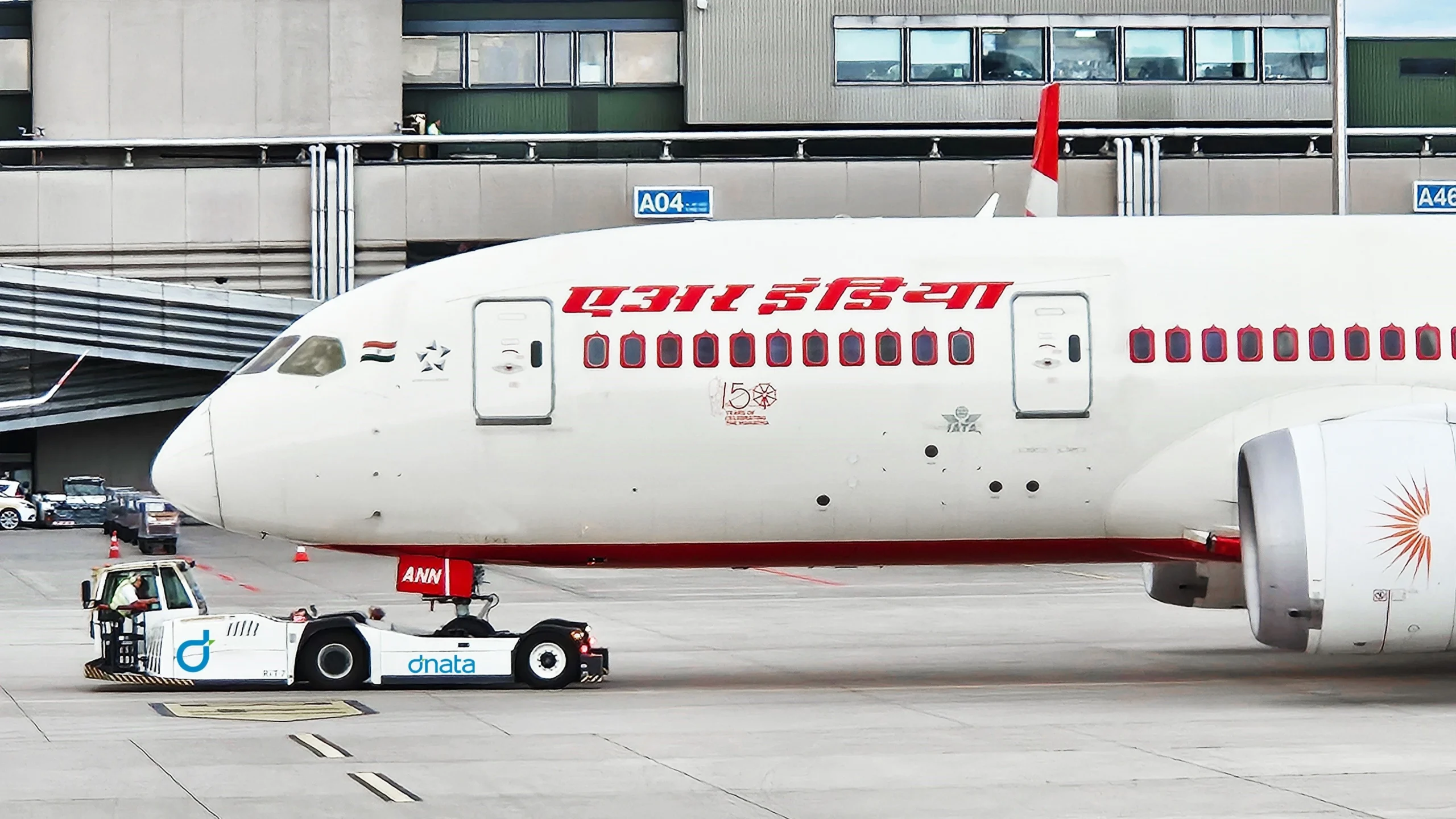
GURUGRAM- Air India (AI) removed a pilot from duty at Zurich Airport (ZRH) on September 6 after ground handling staff reported an alcohol-related concern before take-off. The incident disrupted the airline’s Zurich to Delhi service, identified in the source report as AI 151 to Delhi Airport (DEL), and prompted regulatory action.
Authorities conducted sobriety testing after removing the pilot from the aircraft. The test indicated that the pilot’s blood alcohol level exceeded the permissible limit, leading to the grounding of the flight and further scrutiny by Swiss and Indian aviation authorities.
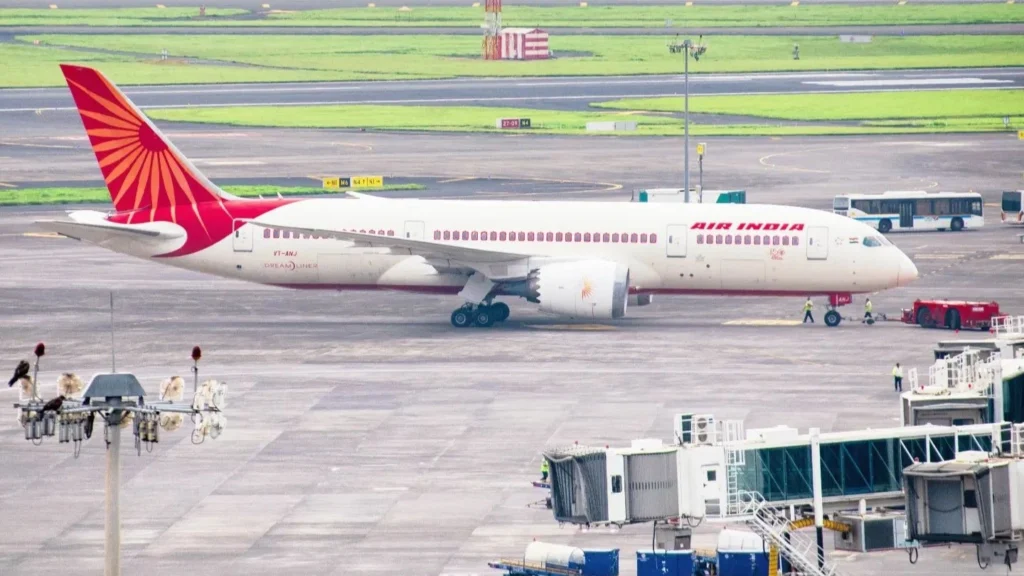
Air India Zurich Flight Disrupted After Pilot Alcohol Violation
The incident began when ground handling staff at Zurich Airport noticed that the Air India pilot smelled of alcohol. The staff alerted the authorities before departure, after which the pilot was removed from the aircraft.
A subsequent sobriety test showed that the pilot’s blood alcohol level was above the permissible limit for flight crew. As the pilot could not operate the aircraft, the scheduled Air India flight to Delhi could not be operated as planned.
The case was significant because the intervention took place before take-off. The removal of the pilot prevented the crew member from operating the flight while in violation of applicable alcohol restrictions.
The incident also added to concerns surrounding recent Air India crew compliance cases. The source report referred to a series of rule violations involving airline crew, including a separate case in which a pilot operated an aircraft while under the influence of drugs.
At the time of the report, the incident also came as incoming Air India CEO Tewolde Gebremariam identified building a strong safety culture as a priority. The Zurich case therefore placed additional attention on crew discipline, safety monitoring and management oversight.
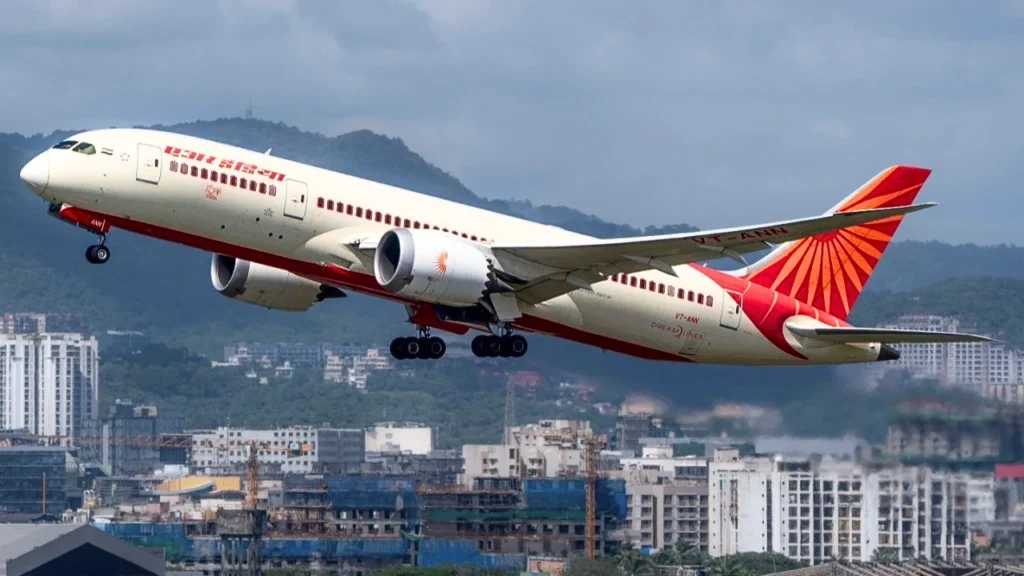
Different Alcohol Testing Rules Apply in India and Overseas
Pilots operating flights originating from India are subject to mandatory pre-flight drug and alcohol testing under aviation safety requirements.
For flights departing from foreign airports, the testing process typically differs. The source report noted that testing generally takes place after landing rather than as a routine pre-flight check at the overseas departure point.
The Zurich incident was therefore notable because authorities intervened before departure after airport staff detected a possible alcohol violation. Their action resulted in a direct safety intervention before the aircraft left Zurich.
Both Air India and IndiGo maintain a zero-tolerance policy for alcohol violations among crew members. Under this approach, even a minor trace of alcohol can constitute a violation and prevent a crew member from performing flight duties.
These requirements are designed to ensure that pilots are fit to operate aircraft and comply with both company policies and aviation regulations.

Swiss Aviation Authority Takes Action
The Swiss Federal Office of Civil Aviation, known as FOCA, confirmed that it had taken action against the pilot under Swiss regulations.
FOCA also informed India’s Directorate General of Civil Aviation, or DGCA, about the case. The Swiss regulator stated that the Zurich to Delhi flight could not operate as scheduled because of the incident.
According to The Economic Times, the regulator further indicated that responsibility for the subsequent handling of the case rests with the DGCA as the competent authority of the state of the operator. This placed the incident within a wider regulatory process involving authorities in both Switzerland and India.
The case demonstrates how international flights can be subject to the aviation rules of the country from which they operate as well as the regulations governing the airline and its crew.

DGCA Seeks Stronger Safeguards From Air India
The incident also drew attention from the DGCA, which asked Air India to strengthen its safeguards following the case.
The regulatory focus came at a sensitive time for Indian aviation oversight. The source report noted that the DGCA was set to face an audit by the FAA.
According to the report, an adverse outcome from that audit could result in restrictions affecting the operations of Indian carriers in the United States. That possibility increased the importance of compliance, safety systems and regulatory oversight across India’s aviation sector.
For Air India, the Zurich incident therefore extended beyond an individual crew violation. It raised broader questions about how effectively the airline prevents, identifies and responds to safety-related misconduct.
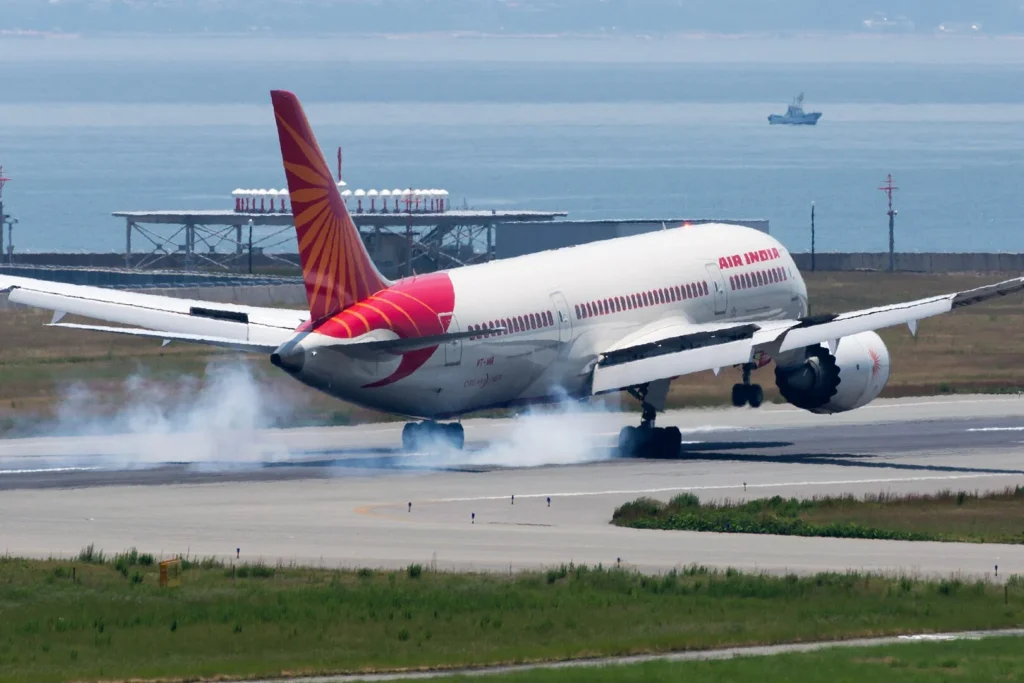
Senior Pilots Raise Management Concerns
Some senior Air India pilots attributed recent lapses to what they described as a growing disconnect between airline management and cockpit crews.
One senior Air India captain said there was a significant gap between top management and flying pilots, arguing that management was focused heavily on growth while operational employees were not receiving sufficient attention.
The comments reflected concerns about communication, leadership engagement and the balance between commercial expansion and operational priorities.
These views were not shared by all airline officials. Air India management offered a different interpretation of the Zurich case and pointed to the role of its own employees in reporting the incident.

Internal Reporting System Worked
Senior Air India officials said the Zurich incident was reported by the airline’s own staff. They argued that the internal reporting process demonstrated that the company’s safety monitoring system was functioning as intended.
The airline acknowledged that individual violations can occur but emphasized the importance of responsible employees reporting any departure from required standards.
Air India also said it had increased leadership engagement with flight crews and expanded fleet-specific sessions covering health, wellbeing and professional responsibilities.
The company said it had introduced additional support mechanisms for crew members as part of its broader safety and workforce initiatives.
These measures focus on multiple stages of safety management, including prevention, crew awareness, internal reporting and intervention when a violation is identified.

Air India Reaffirms Zero-Tolerance Policy
An Air India spokesperson said the airline maintains a zero-tolerance policy on safety and regulatory violations.
The airline stated that any confirmed breach is dealt with firmly and that action is taken in accordance with applicable regulatory requirements and company policy.
The response reinforces the distinction between identifying a violation and determining its regulatory consequences. In the Zurich case, Swiss authorities handled the immediate intervention, while India’s DGCA was responsible for the subsequent regulatory process concerning the Indian operator.
The incident also illustrates the role of ground staff and colleagues in aviation safety. The pilot was identified before departure, allowing authorities to prevent the affected crew member from operating the flight.
Why Zurich Incident Matters
The Zurich case highlights the importance of crew fitness rules in international aviation. Alcohol restrictions exist to prevent pilots from operating aircraft when their condition does not meet required safety standards.
It also shows how aviation safety depends on several layers of oversight. Ground staff identified the concern, Swiss authorities conducted the sobriety testing and took action, and the Indian DGCA was notified for further regulatory handling.
For Air India, the case adds to the need for consistent enforcement of crew alcohol policies, strong reporting mechanisms and close engagement between management and cockpit teams.
The incident disrupted one international flight, but its wider significance lies in the safety controls that were activated before departure and the regulatory review that followed.
Stay tuned with us. Further, follow us on social media for the latest updates.
Join us on Telegram Group for the Latest Aviation Updates. Subsequently, follow us on Google News
