

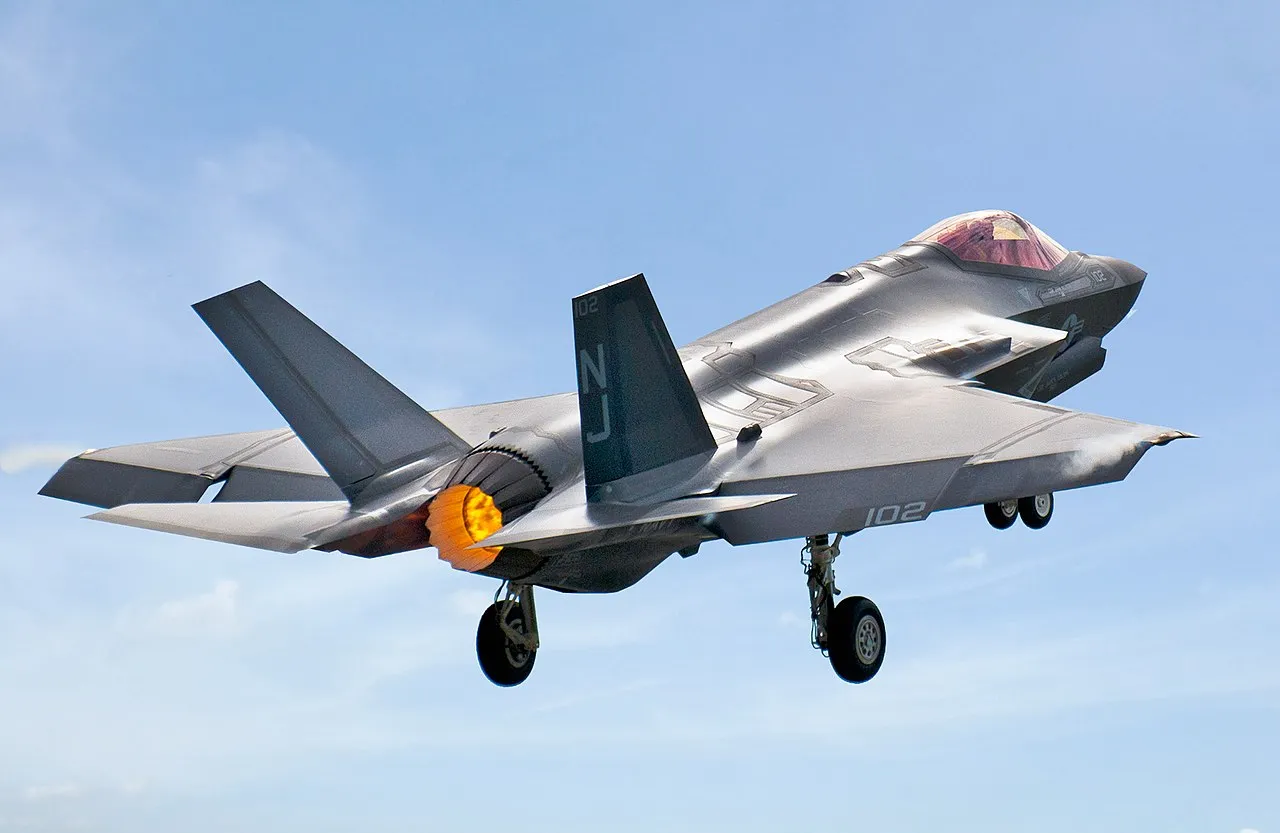
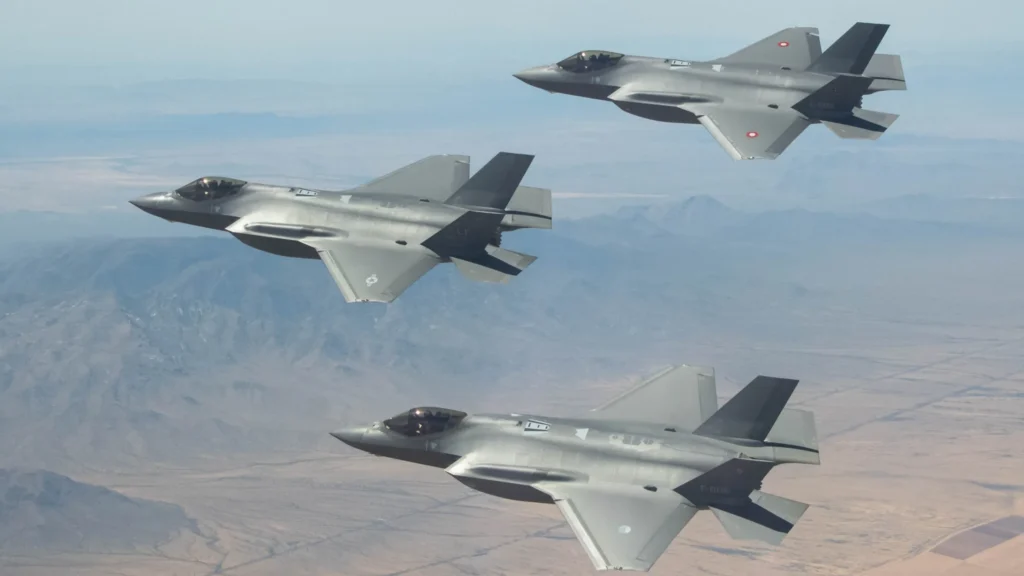
WASHINGTON, D.C.- The United States has approved a proposed sale of 48 F-35 fighter jets to Saudi Arabia worth an estimated $24.3 billion, but Congress must still review and approve the transaction.
The move comes as Riyadh seeks greater support from Washington amid renewed fighting with Yemen’s Houthis.
Washington Advances Saudi F-35 Fighter Jet Deal
The Trump administration has asked US lawmakers to approve the sale of 48 F-35 fighter jets to Saudi Arabia at an estimated cost of $24.3 billion.
The US State Department notified Congress of the potential Foreign Military Sale, meaning the transaction has advanced through the executive branch but is not yet final.
The State Department said the proposed sale would support US foreign-policy and national-security objectives by strengthening the security of Saudi Arabia, which Washington identifies as a major non-NATO ally. It also described the kingdom as a force for political stability and economic progress in the Gulf region.
The administration said the F-35 transfer would not alter the military balance in the Middle East. That position follows the longstanding US policy of maintaining Israel’s qualitative military edge over potential regional adversaries.
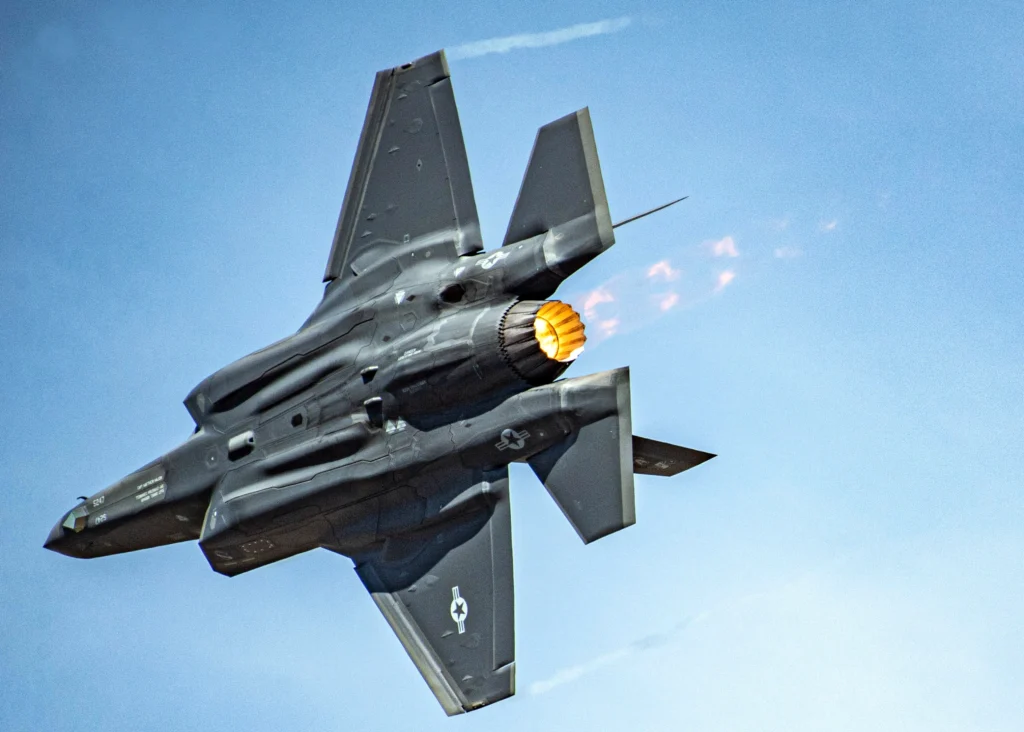
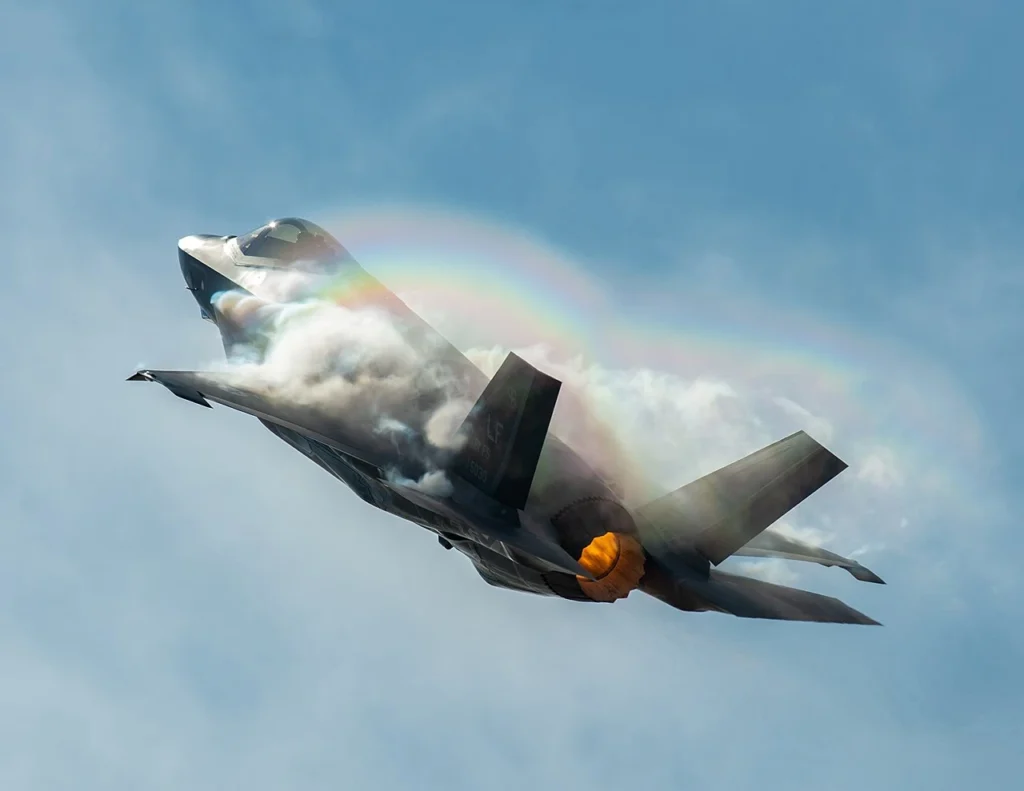
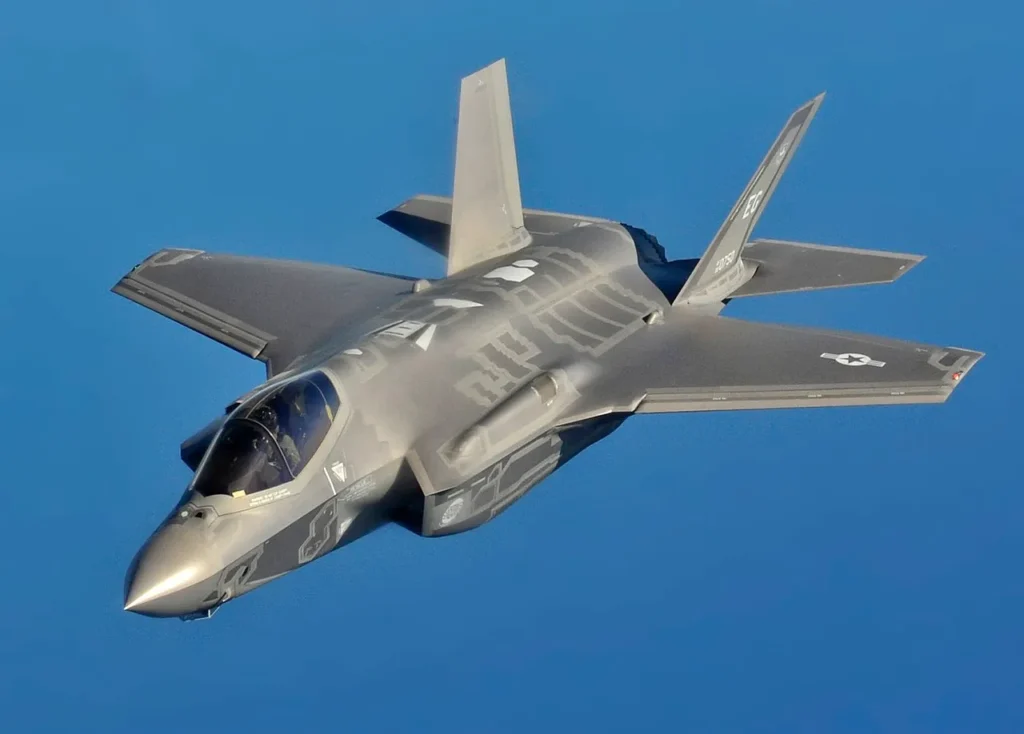
The proposal is part of Saudi Arabia’s longstanding effort to acquire the F-35, an advanced US fighter aircraft with stealth, sensor and networked warfare capabilities.
Riyadh has sought access to the aircraft as it continues to develop its military capabilities and deepen its defense relationship with Washington.
Yemen Fighting Raises Immediate Security Concerns
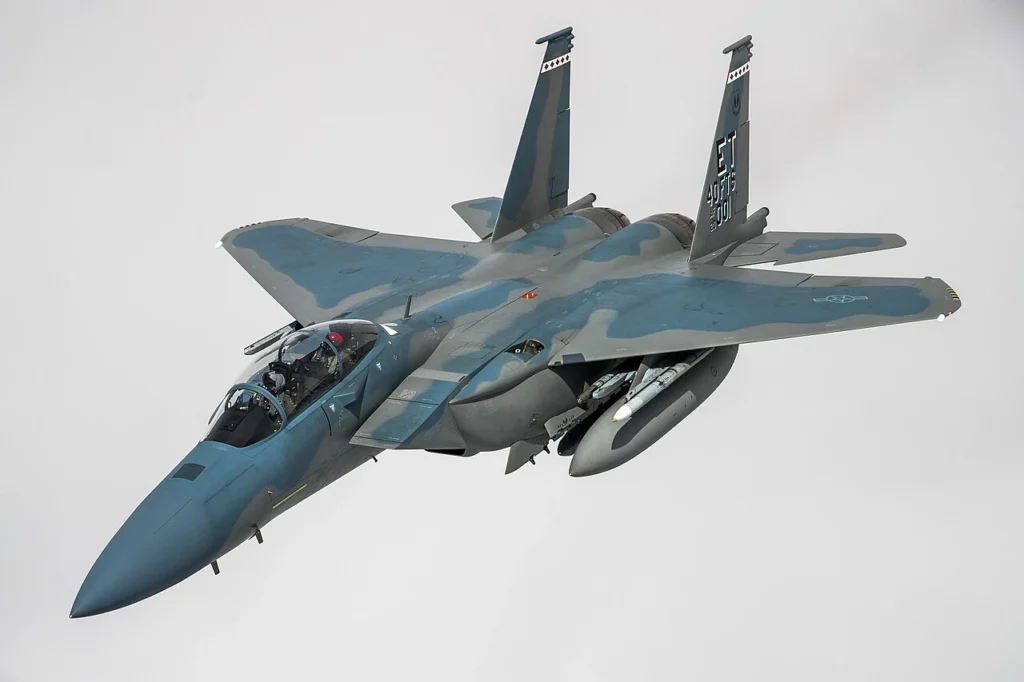
The announcement followed a Houthi claim that a Saudi F-15 fighter jet had been shot down over Marib on September 16. Marib has been a key area in the fighting involving the Houthis and Saudi-backed Yemeni government forces.
The Houthis released video showing fighters near what appeared to be the burning wreckage of a US-made F-15 carrying Saudi markings. The group said the aircraft had been hit by a locally made surface-to-air missile.
The claim and the exact cause of the aircraft’s loss had not been independently established in the source material.
The reported incident is significant because Saudi Arabia has historically maintained relative air superiority in Yemen and has relied heavily on air strikes as part of its military campaign.
A confirmed loss of an F-15 to a locally made surface-to-air missile would therefore indicate a potentially important change in the capabilities available to the Houthis.
Intensifying fighting on September 17 reportedly killed at least five people, including three children. The escalation has added pressure on Riyadh as it seeks greater support from its international partners.
Saudi Arabia has also sought a more direct US role in its confrontation with the Houthis. Washington, however, has said it will not directly intervene in the conflict involving the Iran-backed Houthis, Saudi Arabia and the Saudi-backed Yemeni government.
Al Jazeera reported that the proposed F-35 sale comes against this backdrop of renewed Saudi-Houthi fighting and Riyadh’s efforts to obtain more support from Washington.
Chinese Technology Concerns Shadow the Proposal
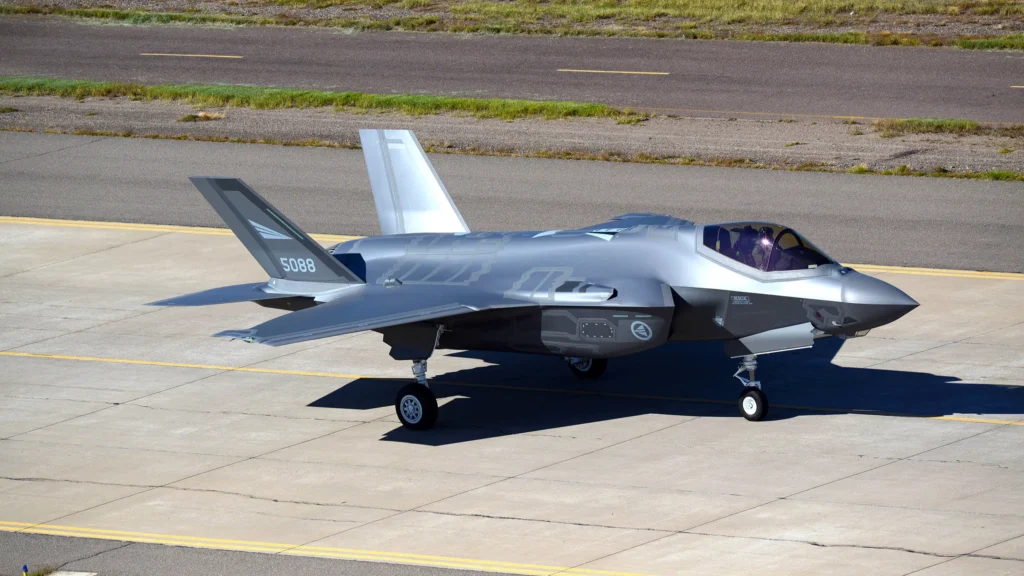
The proposed transfer has also raised concerns in Washington about the security of sensitive F-35 technology.
The New York Times reported that US intelligence analysts had considered the possibility that China could gain access to F-35 technology through its partnerships with Saudi Arabia. The concern centers on the protection of highly sensitive military systems and technologies associated with the aircraft.
US Representative Raja Krishnamoorthi, a Democrat serving on the House Intelligence Committee, opposed the proposed sale on those grounds. He argued that proceeding despite intelligence warnings could expose sensitive US military technology to China.
The technology issue is especially important because the F-35 is built around advanced stealth, sensors, electronic systems and data-sharing capabilities. The United States has previously imposed restrictions on F-35 access when it considered foreign military equipment purchases to present risks to the program.
Israel’s Qualitative Military Edge Remains Central
Israel is currently the only country in the Middle East operating the F-35, making any potential Saudi acquisition particularly significant for regional military planning.
The United States has repeatedly treated Israel’s qualitative military edge as a key consideration in major arms transfers to Middle Eastern states.
The Trump administration has stated that the proposed Saudi package would remain consistent with that policy and would not change the military balance in the region.
Israeli officials have previously expressed concern about a possible Saudi F-35 purchase. Those concerns have existed alongside wider US efforts to encourage Saudi Arabia to normalize relations with Israel, adding a diplomatic dimension to the aircraft debate.
Saudi Arabia’s Defense Partnerships
Saudi Arabia has also expanded its security relationships beyond its traditional defense ties with Washington.
In August 2026, Saudi Arabia signed the Mecca Joint Defence Agreement with Pakistan and Türkiye. The agreement created a framework for mutual defense cooperation and reflected efforts by the three countries to strengthen their ability to respond to security threats.
The arrangement is relevant to the F-35 proposal because Riyadh is simultaneously pursuing closer defense cooperation with the United States and building additional security partnerships. The development indicates that Saudi defense planning is not limited to a single external partner.
Türkiye Offers a Relevant F-35 Precedent
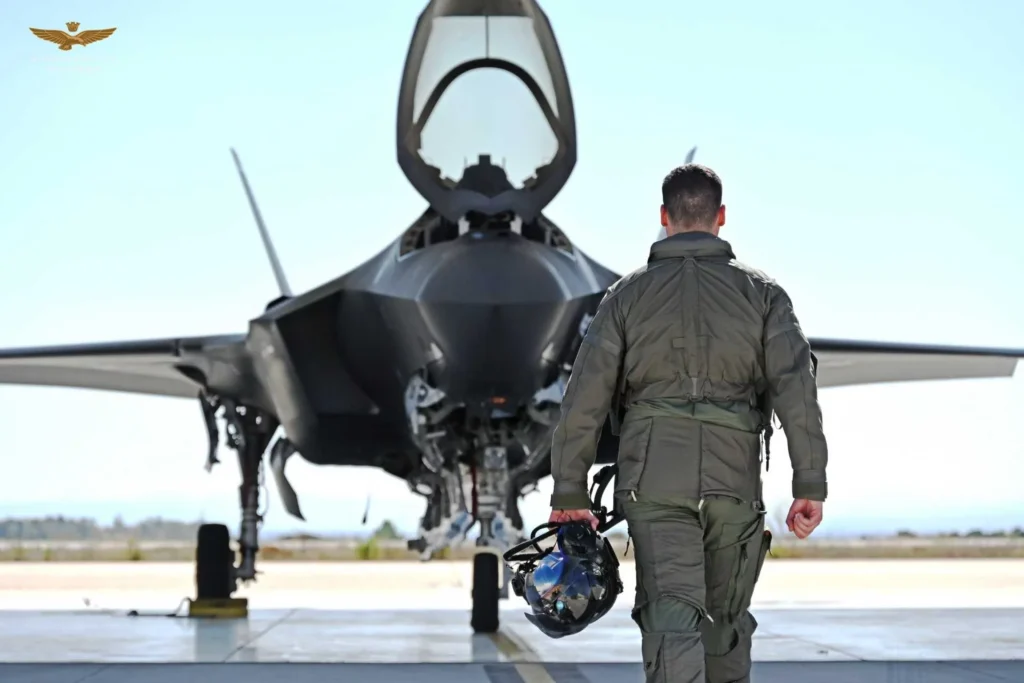
Türkiye is another important reference point in discussions about the F-35 program. The country participated in the multinational development of the aircraft but was barred from receiving the jet after purchasing Russia’s S-400 air-defense system.
The United States argued that the Russian system was incompatible with the security requirements of the F-35 program and could create risks involving sensitive aircraft technology. Washington subsequently removed Türkiye from the F-35 program in 2019.
The Turkish case remains relevant to questions about how the United States protects F-35 technology when dealing with partners that maintain defense relationships with other major powers.
Congressional Review Will Determine Next Stage
The proposed sale is not yet complete. Congress must review the administration’s notification, and lawmakers retain the ability to challenge the transaction through the congressional review process.
The review will place attention on several issues, including the proposed transfer’s effect on regional military balance, Israel’s qualitative military edge, protection of F-35 technology and Saudi Arabia’s broader security relationship with Washington.
For Saudi Arabia, the proposed acquisition would represent a major expansion of its access to US advanced fighter technology.
For Washington, the decision involves balancing defense cooperation with Saudi Arabia against longstanding regional security policies and concerns over the protection of sensitive military systems.
Stay tuned with us. Further, follow us on social media for the latest updates.
Join us on Telegram Group for the Latest Aviation Updates. Subsequently, follow us on Google News
