

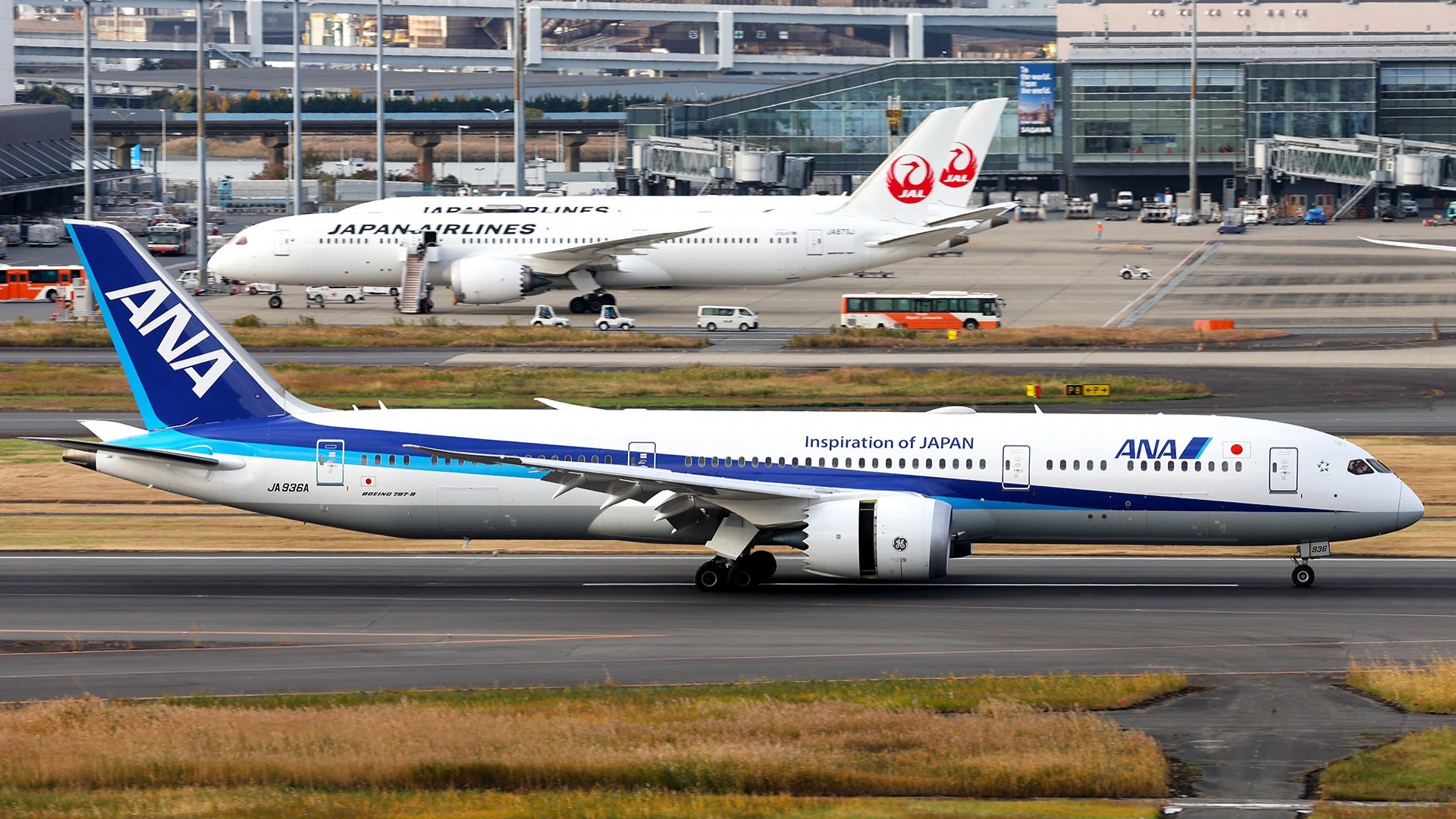
TOKYO— Airlines operating louder aircraft at Tokyo Haneda Airport (HND) could face higher landing fees from fiscal 2027 as Japan’s transport ministry considers a new system designed to encourage carriers to use quieter aircraft.
The proposal would make noise a more significant factor in the charges paid by airlines serving the airport.
The planned changes would affect operators including All Nippon Airways (NH) and Japan Airlines (JL), which use Haneda as a major hub.
Under the proposed approach, airlines flying noisier aircraft could pay substantially more, while carriers that introduce quieter aircraft could receive larger reductions in landing charges.
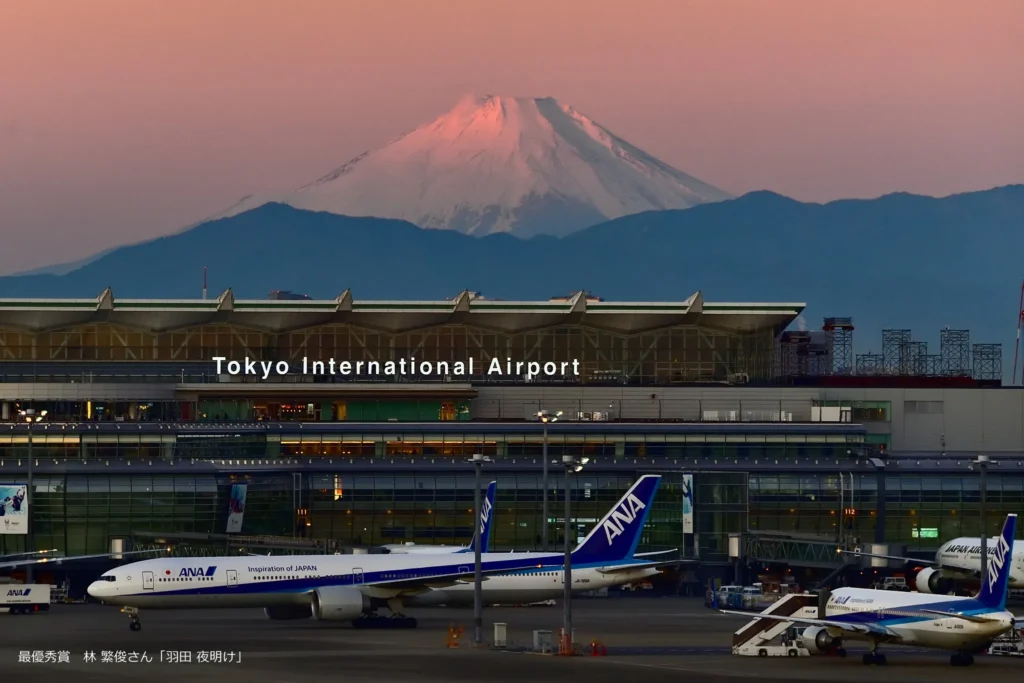
Tokyo Haneda Noise Fees Under New Rules
Haneda currently uses different formulas for international and domestic flights. International operators pay charges linked to aircraft weight and noise, while domestic services face a noise-related fee alongside a passenger-based charge.
The existing system already increases the noise component for international aircraft that exceed a specified threshold.
However, the transport ministry believes the current structure may not provide a strong enough financial incentive for airlines to replace older and louder aircraft with newer models.
Under the proposed system, the noise charge could be multiplied by aircraft weight or passenger numbers. This would increase the financial impact on operators using aircraft that produce higher noise levels during airport operations.
The ministry is considering a model similar to the system used at Amsterdam Schiphol Airport.
Under the proposed Haneda structure, replacing a noisy aircraft with a quieter model could produce a landing-fee reduction 30% to 50% greater than under the existing formula.
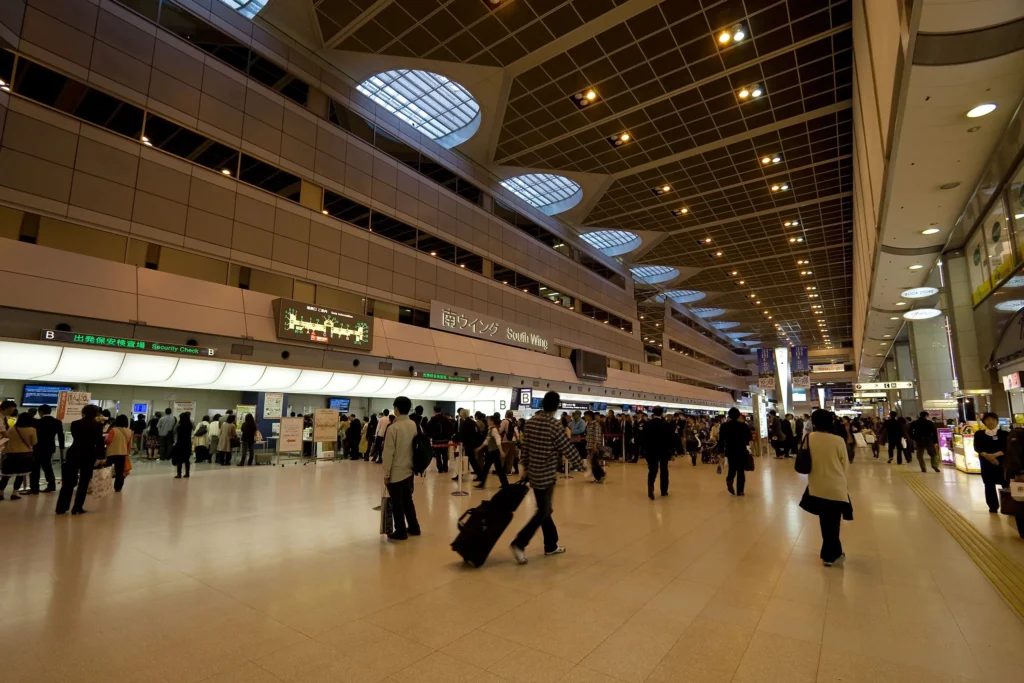
Tokyo Flight Path Noise Concerns
The proposal comes amid continuing concerns about aircraft noise in central Tokyo. Haneda introduced a new flight path in March 2020 to increase airport capacity, bringing arriving aircraft over densely populated parts of the city.
Aircraft using the route pass over areas including Shinjuku, Minato and Shinagawa wards.
Near JR Oimachi Station in Shinagawa, some arriving aircraft fly at an altitude of around 300 meters above the ground, placing the route close to residential communities.
The new route helped raise Haneda’s maximum arrival and departure capacity from 80 to 90 movements per hour.
Japan’s transport ministry continues to publish noise measurements and operational data for the route, reflecting ongoing monitoring of its impact on communities, the Asahi Shimbun reported.
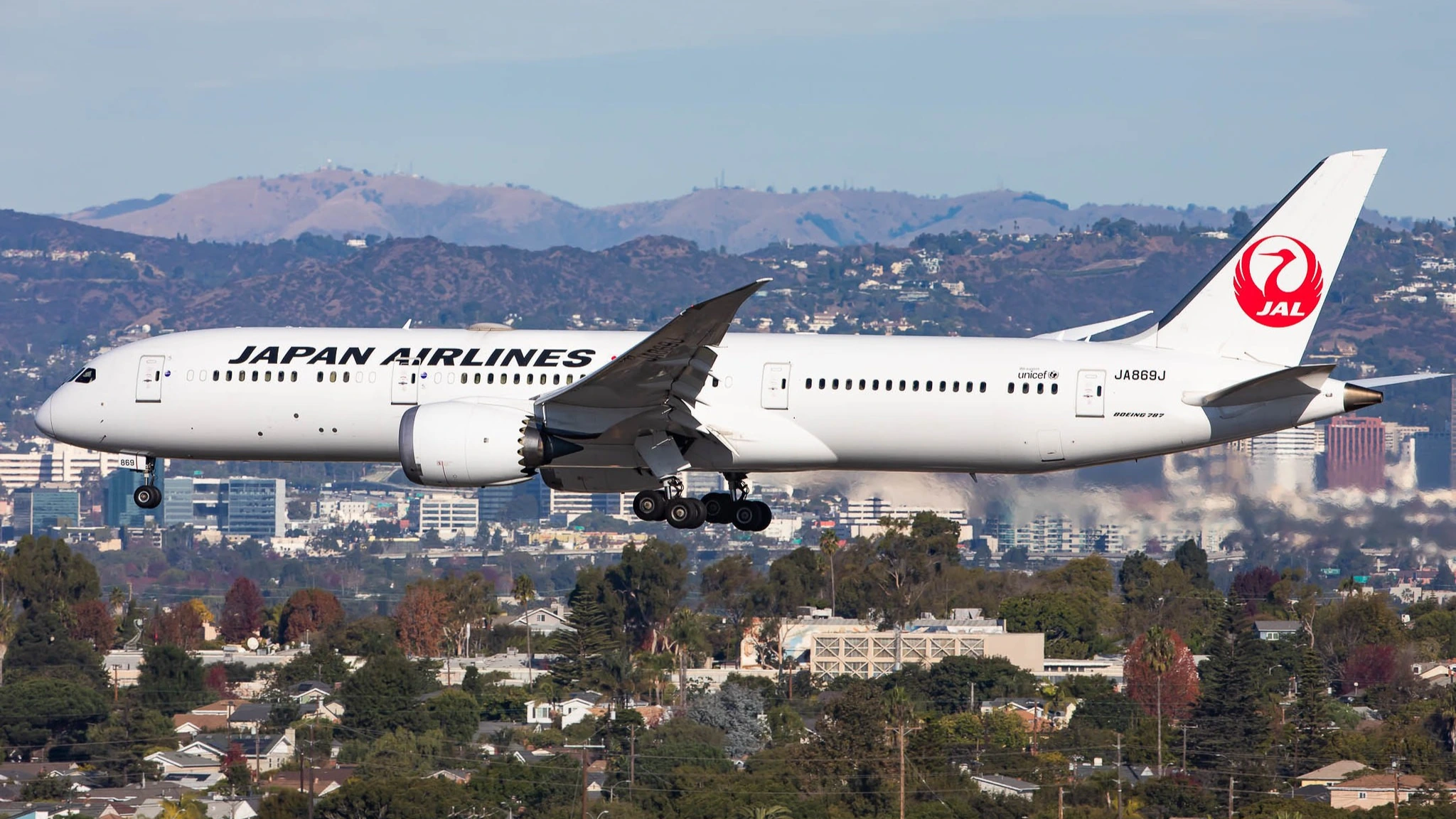
Airlines Face Major Fee Changes
Residents have continued to raise concerns about aircraft noise and the possibility of falling aircraft parts. Some residents have also taken legal action, including a lawsuit seeking to eliminate the city-center flight path.
The transport ministry has responded by studying possible alternatives, including routes over the ocean. The government’s study group is examining several factors, with noise reduction and incentives for airlines among the issues under consideration.
Any revision to Haneda’s landing fees would also affect government revenue. Because the airport is administered by the Japanese government, the fees collected from airlines contribute to the national treasury.
The ministry therefore plans to consider the proposed fee structure as part of its budget request for the next fiscal year.
If adopted, the changes could make aircraft noise performance a more important factor in airline fleet decisions at one of Japan’s busiest airports.
Stay tuned with us. Further, follow us on social media for the latest updates.
Join us on Telegram Group for the Latest Aviation Updates. Subsequently, follow us on Google News
