

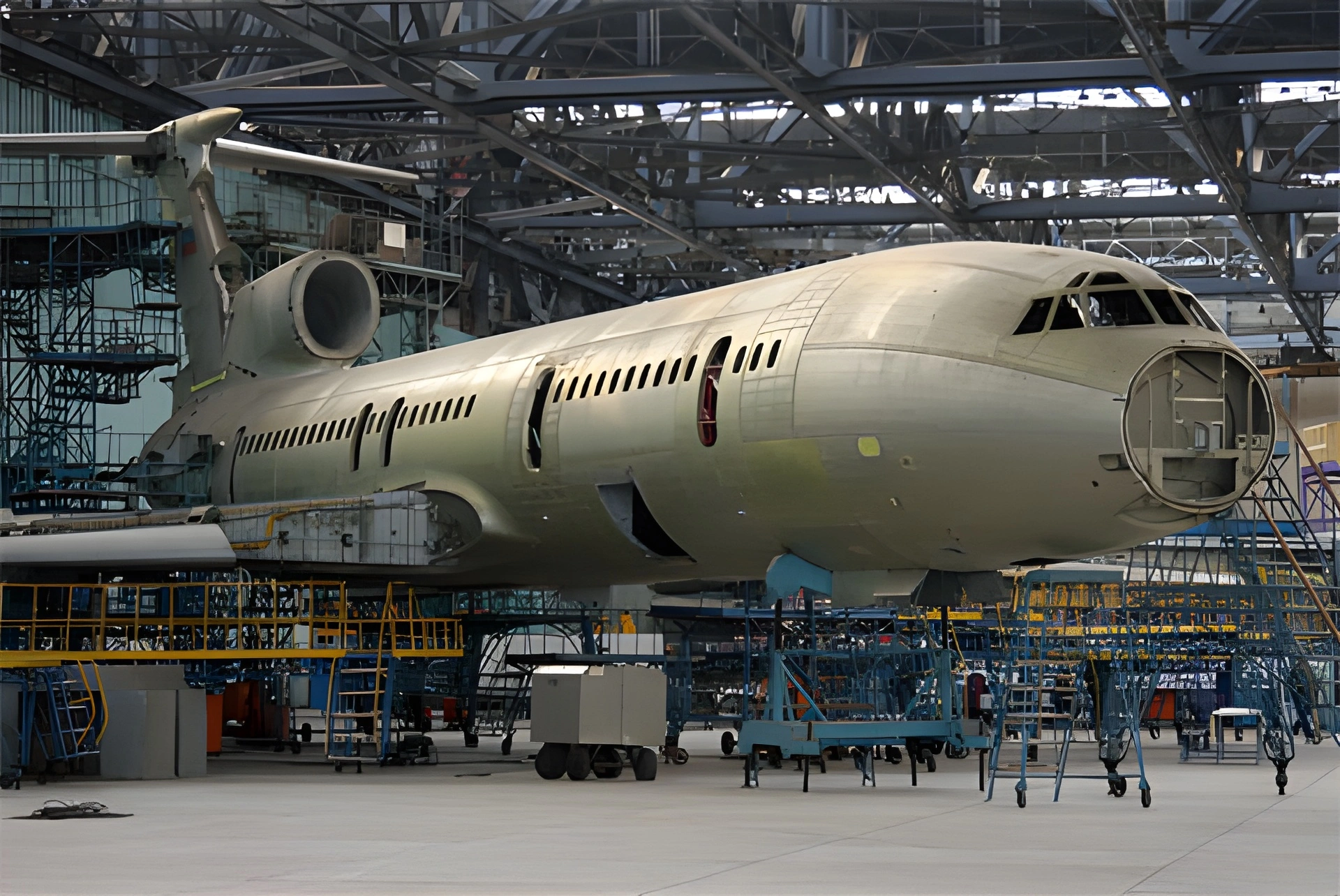
MOSCOW- Russia is building a new Aurus business jet production facility in Ulyanovsk. The planned factory will cost 15.4 billion rubles, or about €180 million, and is intended to support the assembly, testing, maintenance and repair of Aurus aircraft.
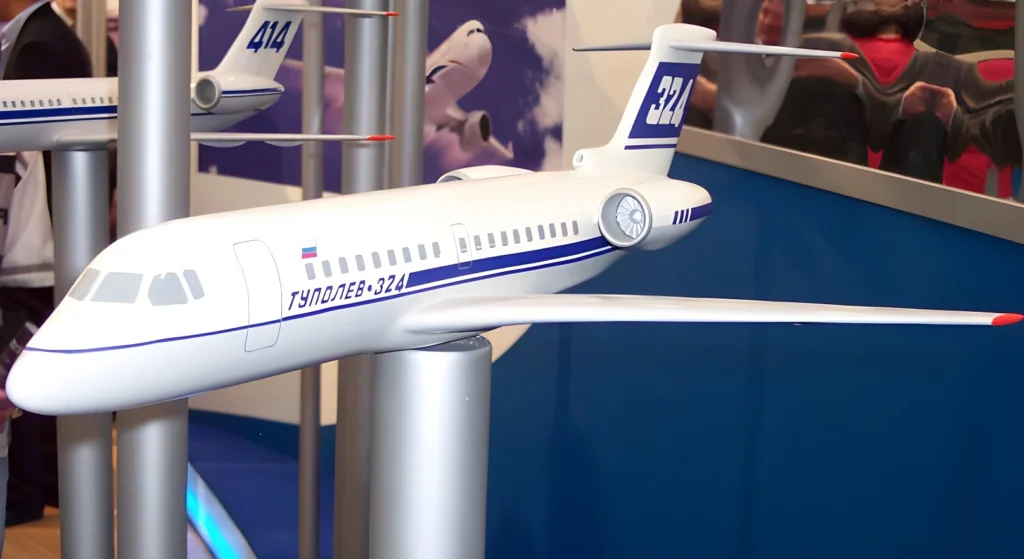
The program is based on the Tupolev Tu-324, a design dating back roughly 30 years that never reached series production.
Aurus Factory Targets Russian Business Jet Production
Russia has not previously produced a dedicated business jet in series. The new Aurus-Aero project is designed to establish a domestic manufacturing base for executive aircraft and could eventually expand into regional passenger aviation.
The project is being developed in the Ulyanovsk Special Economic Zone. According to an investment-project catalog prepared for the 2026 St. Petersburg International Economic Forum, the production site requires an estimated 15.4 billion rubles in investment.
About 13.2 billion rubles, or 85% of the total, is expected to come from loans. The projected payback period is 70 months, which is slightly more than 5.5 years.
The site has already been allocated land, while the project concept and business plan have been prepared.
The planned facility will cover more than aircraft assembly. It is also intended to handle aircraft testing, maintenance and repair, creating a combined production and support base for the Aurus program.
Russian Market Relies on Western Jets
Reliable official figures for Russia’s current business aircraft fleet are not available, but estimates indicate that around 300 to 400 business aircraft remain connected to the Russian market.
Of those aircraft, nearly 160 are reportedly registered in Russia, while as many as 240 are owned by Russian interests but registered abroad. The existing fleet is made up of Western-built aircraft, including models from manufacturers such as Bombardier and Gulfstream.
That market profile highlights the gap that Aurus-Aero is attempting to address. Russia has not previously had a domestically produced pure business jet comparable with aircraft such as the Cessna Citation or Bombardier Learjet.
The Aurus program seeks to create such a product using a Russian aircraft design and Russian propulsion technology.
Aurus-Aero Uses Tu-324
Aurus-Aero was founded in 2022 and is developing the business jet around the Tupolev Tu-324. The original Tu-324 program dates back about three decades and never entered series production.
Earlier versions were intended for regional passenger and VIP use, but the aircraft was never brought into regular manufacturing.
The current Aurus program changes the propulsion element by planning to use Russian PD-8 engines. The proposed VIP configuration is designed for 19 passengers and a range of up to 7,000 kilometers.
The use of the Tu-324 gives Russia an existing domestic airframe concept rather than requiring the entire aircraft to be designed from the beginning.
At the same time, the planned PD-8 installation represents a newer propulsion solution than the engines associated with the original Tu-324 concept.
Aurus is better known for its Russian luxury car brand than for aviation. The brand has also been developed as a wider premium product label.
The company’s automotive approach has included what is commonly described as badge engineering, where the Russian brand handles design and final assembly while the underlying technical platform or components come from partners.
The original Aurus automotive program relied on Western technology for many components, while newer vehicle technology has increasingly involved Chinese suppliers.
The aircraft program differs from that model. According to the project description, the Aurus-Aero aircraft is not based on foreign aviation technology. Instead, the company is using a Russian aircraft design and Russian PD-8 engines.

Factory Could Build 25 Aircraft per Year
The planned Ulyanovsk factory is designed for a production rate of up to 25 aircraft per year. The program is also expected to include a larger passenger version with around 64 seats.
The two aircraft variants would give the project a broader role than a business jet program alone. The 19-seat VIP aircraft is aimed at executive and private aviation, while the larger 64-seat aircraft would be intended for regional passenger operations.
These figures remain planned targets rather than established production results. Actual output will depend on the completion of the facility, aircraft development, testing, certification and the ability to establish sustained series production.
Regional Governor Alexey Russkich had already announced the project in October 2025, before the full investment details were published in connection with the 2026 economic forum.
Project’s Main Base
Ulyanovsk has an established aerospace industry and is now becoming the main location for the Aurus-Aero program. The production site is being developed in the Ulyanovsk Special Economic Zone.
The company’s corporate history also shows a gradual shift toward the region. Aurus-Aero was created in Kazan in 2022 and changed its registration to Moscow in 2023.
Interfax reported in July 2025 that the company was changing its legal location from Moscow to the Ulyanovsk region. Aero Telegraph later reported that the company headquarters moved to Ulyanovsk in July 2026.
Gazprom Tech became the owner of Aurus-Aero in September 2023. The company’s move toward Ulyanovsk has since matched the planned location of its new aircraft production facility.
Superjet 100 Was Earlier Aurus Business Jet
The new Tu-324-based project is not Russia’s first attempt to put the Aurus name on a business aircraft.
Russia presented an Aurus Business Jet at the Dubai Airshow in 2021. That aircraft was based on the Sukhoi Superjet 100. The project did not reach series production, making the current Tu-324 effort another attempt to establish a Russian business jet program under the Aurus brand.
The earlier Superjet-based approach and the current Tu-324 program differ in their foundations. The Superjet project adapted an existing regional airliner, while the newer program returns to the older Tu-324 concept and combines it with the Russian PD-8 engine.
Aurus New Factory
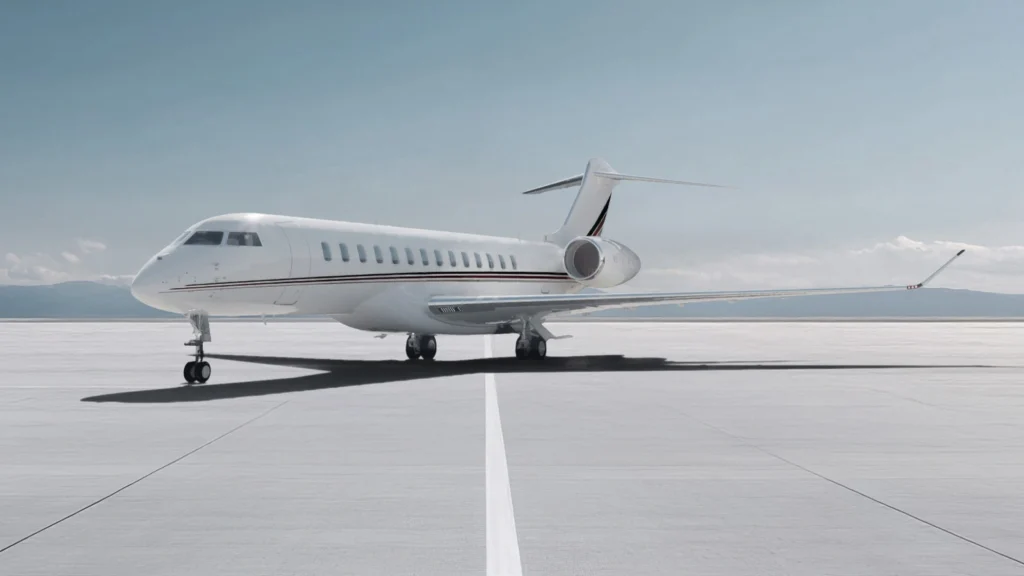
The planned Aurus factory represents an attempt to build a complete domestic business aviation capability rather than simply develop an aircraft design. Its planned functions cover assembly, testing, maintenance and repair, allowing the project to combine manufacturing and after-sales support at the same industrial site.
The project also shows how Russia is trying to reuse older domestic aircraft concepts with newer technology.
The Tu-324 never reached mass production, but its basic design now serves as the foundation for a new Aurus aircraft family. The proposed PD-8 engines provide a more modern Russian propulsion solution for the revived program.
For the Russian business aviation market, the potential domestic replacement of Western aircraft could be significant. However, the project still has to move through the stages required to turn an investment plan into a production aircraft.
Planned capacity, passenger configurations and range figures should therefore be treated as program targets until aircraft production and certification are achieved.
The €180 million factory investment gives the Aurus program a physical manufacturing base, but its long-term success will depend on whether the Tu-324-derived aircraft can progress from design and development into reliable series production.
Stay tuned with us. Further, follow us on social media for the latest updates.
Join us on Telegram Group for the Latest Aviation Updates. Subsequently, follow us on Google News
