

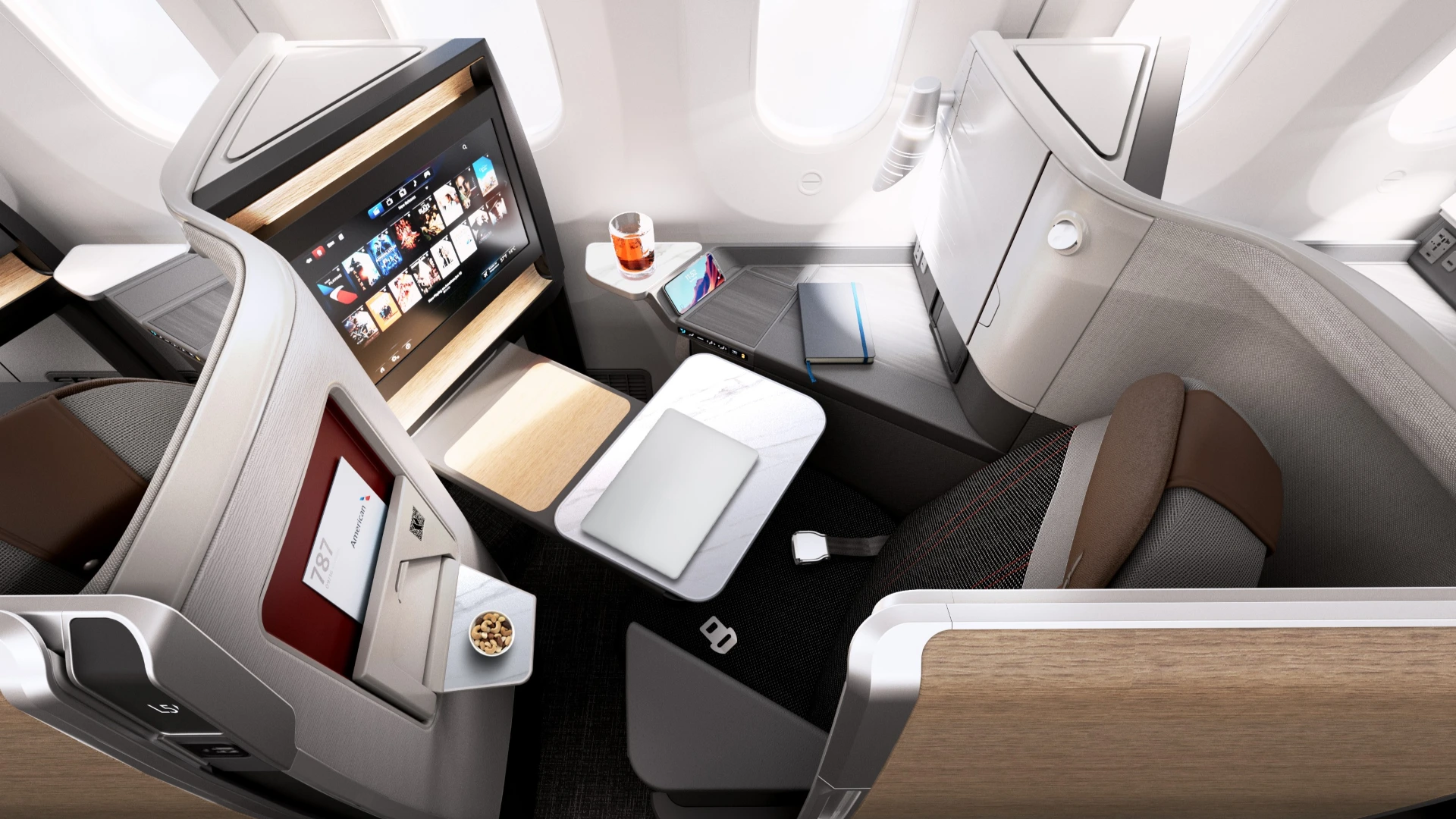
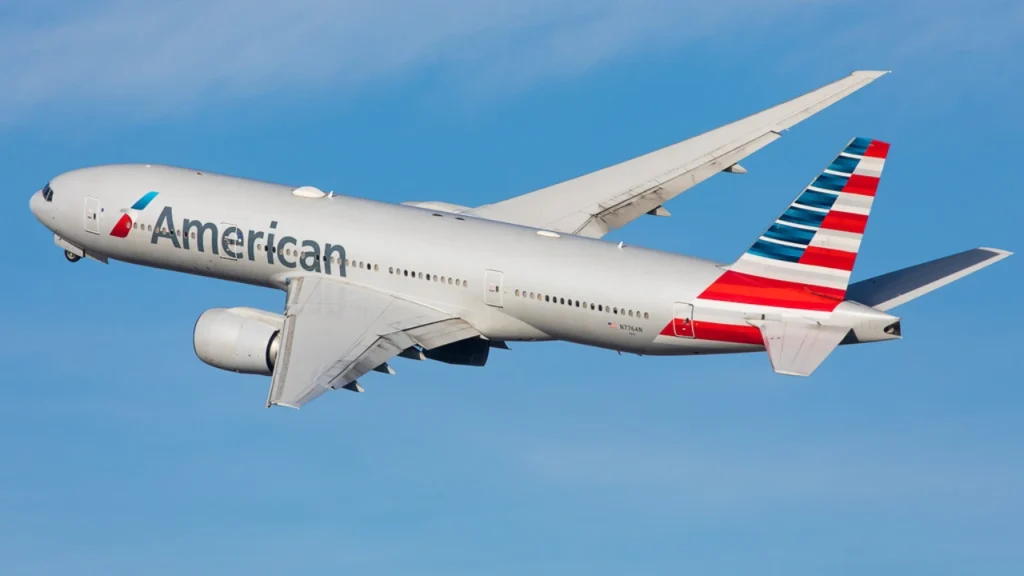
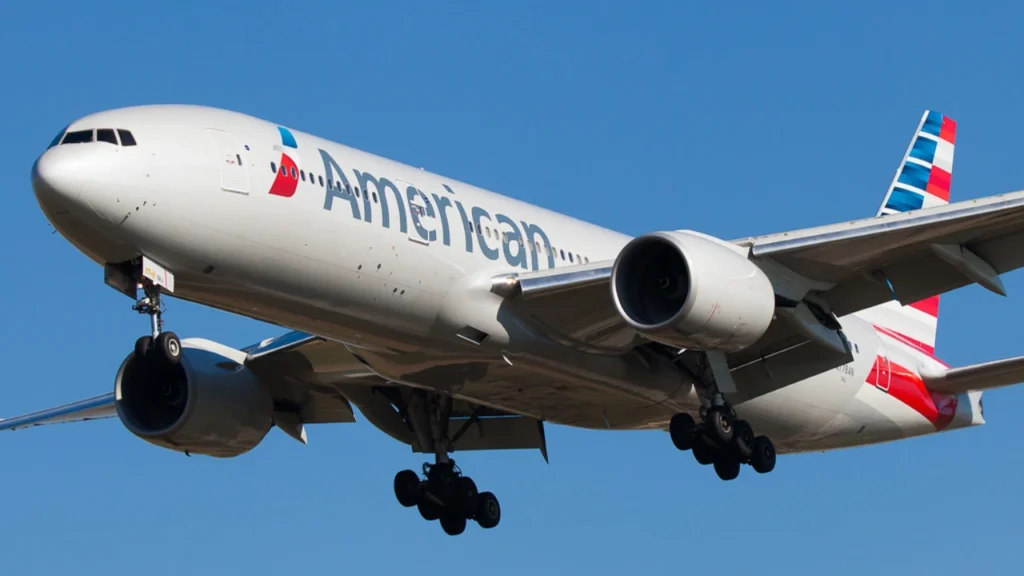
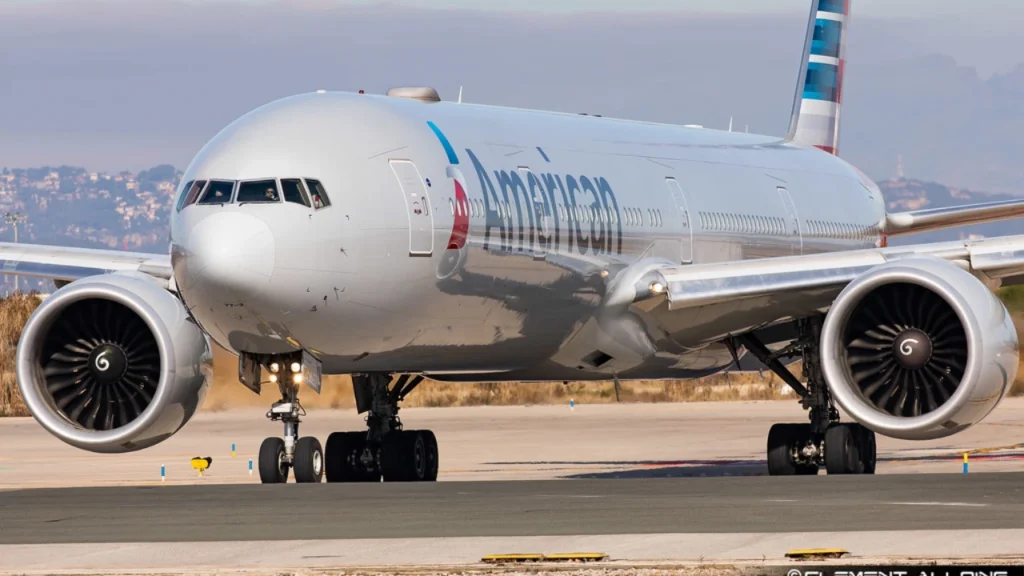
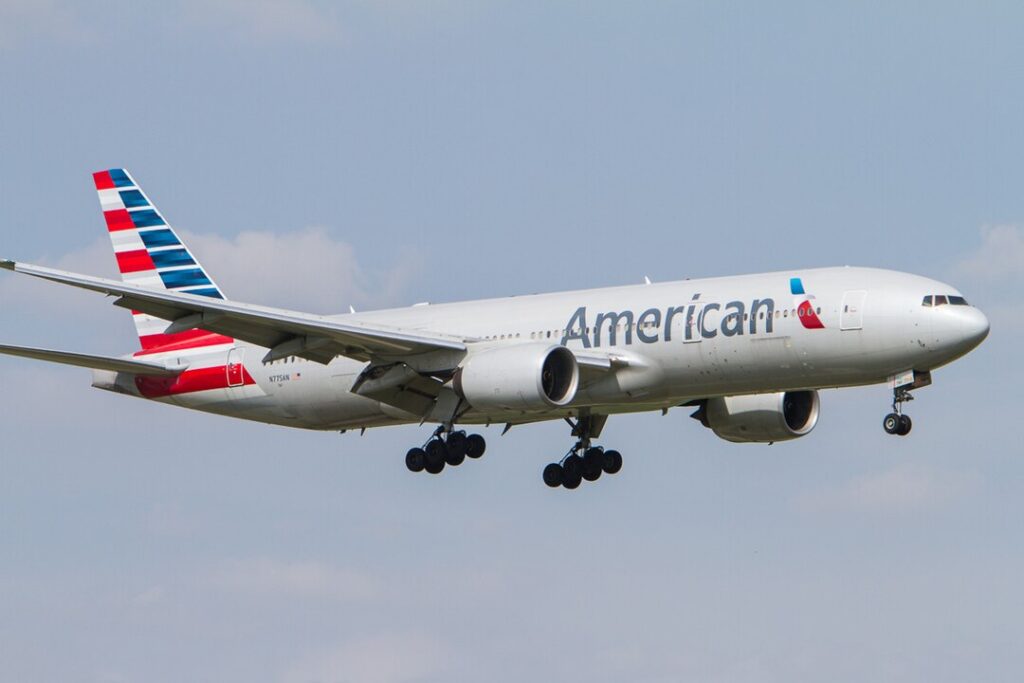
FORT WORTH- American Airlines (AA) is retiring its separate Flagship First cabin on Boeing 777-300ER aircraft and premium transcontinental routes. New York JFK and Buenos Aires (EZE) were the endpoints of the first commercial flight of American’s newly retrofitted 777-300ER on September 2, 2026.
The retirement does not cancel the airline’s lifetime AAirpass commitments. Lifetime members can continue to use eligible travel benefits when Flagship First is unavailable, while American continues to offer domestic first class.
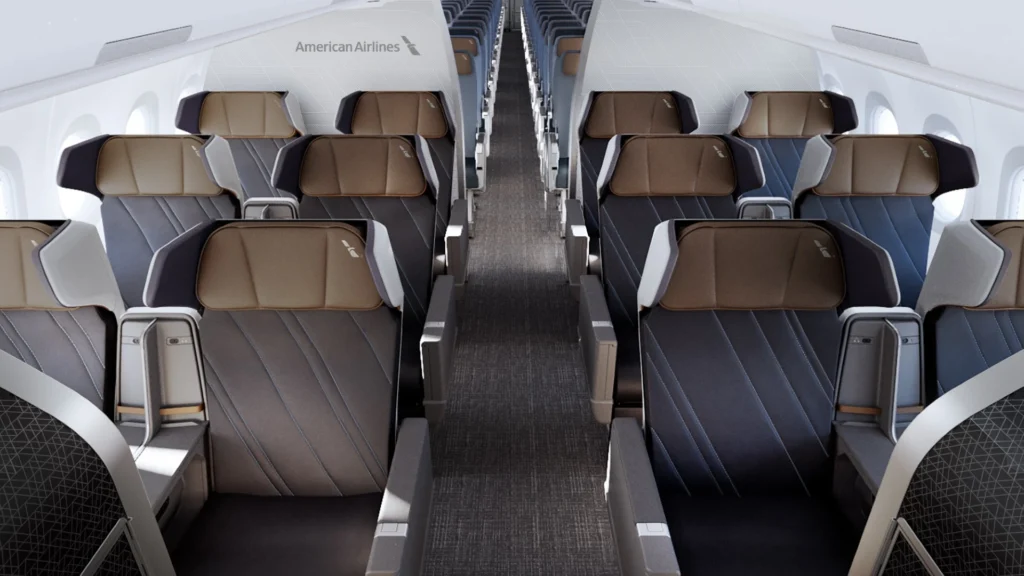
American Replaces Flagship First With Flagship Suite
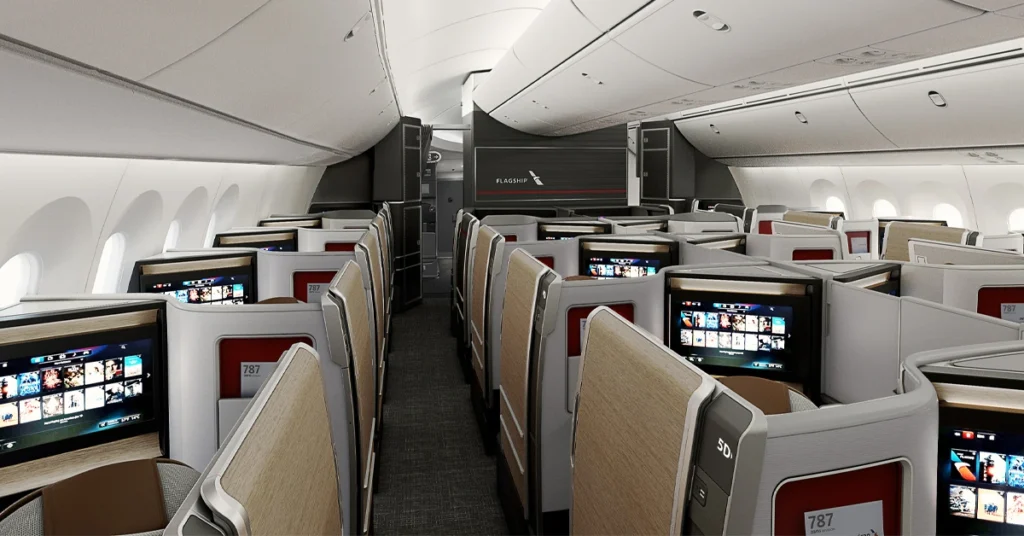
American announced its new Flagship Suite seats in September 2022 as part of a redesign of its long-haul fleet. The airline planned to retrofit its 20 Boeing 777-300ER aircraft with the new interior.
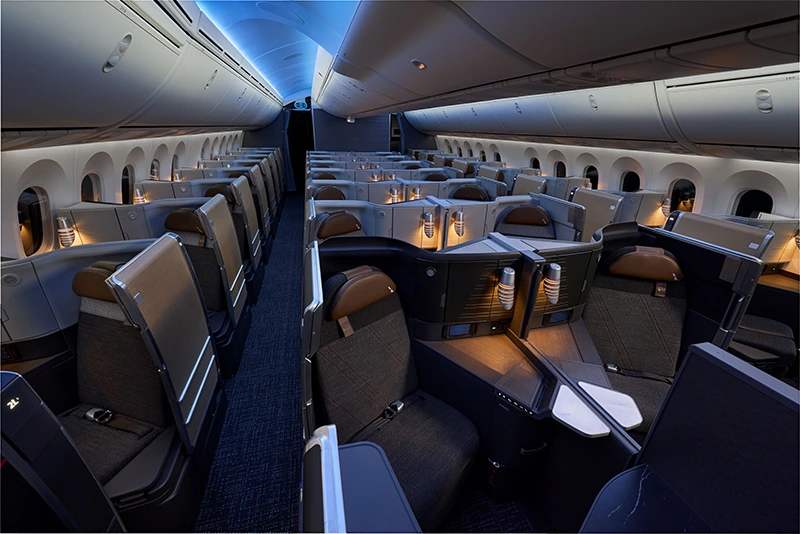
The first retrofitted 777-300ER entered commercial service on September 2, 2026, operating from JFK to EZE. The aircraft has 70 Flagship Suite seats with privacy doors, 44 Premium Economy seats, and 30 extra-legroom seats in Main Cabin Extra.
American says Flagship Suite is its most elevated onboard product. The suite has privacy doors, additional personal storage, and a chaise lounge seating position.
Flagship First will no longer be available for purchase on Boeing 777-300ER flights for travel beginning November 19, 2026.
On transcontinental routes, Flagship First will no longer be available for purchase for travel beginning March 28, 2027. American is targeting 2027 to complete the 777-300ER retrofit program.
The end of Flagship First sales does not necessarily mean every existing first class seat will immediately disappear. On aircraft that still have the older cabin, those seats can be assigned as business class seats after Flagship First sales end.
American Sold Unlimited Lifetime First Class
American introduced AAirpass in 1981. The lifetime unlimited pass cost $250,000 and provided unlimited travel in first class or coach for life. A contemporary Washington Post report described the $250,000 pass as the most expensive option in the new program.
The original program was introduced when American was seeking additional cash. Reporting from the period said American saw the pass program as a way to generate substantial revenue, while high interest rates made borrowing expensive.
American President Robert Crandall said the airline expected wealthy and frequent travelers to buy the passes.
Crandall later said American had expected companies to buy the passes for top employees. Instead, individuals became significant buyers.
A companion could be added for $150,000, making the combined cost $400,000 for the pass holder and companion. Prices later increased substantially.
Lifetime AAirpass Price History
| Year | Offer |
|---|---|
| 1981 | $250,000 for the individual pass; $150,000 for a companion |
| 1990 | $600,000 including the companion feature |
| 1993 | $1.01 million including the companion feature |
| 1994 | Regular sales of unlimited lifetime passes ended |
| 2004 | Neiman Marcus offered a $3 million individual pass plus $2 million for a companion; no buyers |
These figures are reported by View from the Wing in its account of the program’s history.
Reported buyers included Mark Cuban, Michael Dell, Willie Mays and Dennis Conner. Cuban said he paid $125,000 after selling MicroSolutions in 1990 and later paid more to upgrade the pass.
Rothstein and Vroom Became Heavy Users
Steven Rothstein and Jacques Vroom were among the most prolific users of the lifetime passes.
Rothstein bought his AAirpass in 1987 and added the companion feature in 1989. Vroom financed his purchase with a loan carrying a 12% interest rate.
He used the pass to attend his son’s college football games and for other trips that would have been less practical if he had needed to purchase a separate ticket for every journey.
Rothstein booked more than 10,000 flights over roughly two decades, according to View from the Wing. The economic incentive of an unlimited pass was simple: once the upfront price had been paid, another trip did not require another airfare payment.
American reportedly calculated that Rothstein and Vroom each cost the airline about $1 million per year.
That figure was an estimate of their cost to American, not necessarily an equivalent amount of lost ticket revenue because seats could otherwise have gone empty, been sold at lower fares, used by employees or filled through upgrades.
American Terminated Their Passes
American terminated both men’s passes in 2008 over alleged misuse. In Rothstein’s case, American alleged that he booked companion seats under fictitious names and made other reservations that violated the AAirpass agreement.
The federal court record states that Rothstein booked companion seats under names including “Bag Rothstein” and made speculative reservations for companions who did not intend to travel with him.
Rothstein argued that American had tolerated his booking practices. The court rejected that argument. On June 30, 2011, the US District Court for the Northern District of Illinois granted American’s motion for summary judgment on Rothstein’s breach-of-contract claim.
The court noted that the AAirpass agreement stated that American’s failure to enforce its rights did not constitute a waiver of those rights. The court therefore ruled in American’s favor on the contract claim.
Vroom disputed American’s allegation that he had sold companion travel. His pass was also terminated in 2008.
What Happens to Lifetime AAirpass Holders
The retirement of Flagship First does not end the lifetime AAirpass commitments.
American told View from the Wing in 2022 that it would continue to honor its commitments to Lifetime AirPass members. View from the Wing reports that business class, Premium Economy, and coach remain available when Flagship First is not offered, along with domestic first class.
American’s current AAdvantage information also states that Limited and Unlimited Lifetime AirPass members earn AAdvantage miles based on flight distance.
The important distinction is between the lifetime travel commitment and a particular cabin. American can retire Flagship First while continuing to honor the underlying lifetime AAirpass commitment under its applicable terms.
Separate AirPass Program Also Ended
American later operated a different AirPass program that allowed customers to prepay for travel at fixed rates and receive additional benefits. That program is separate from the original lifetime AAirpass.
American stopped accepting new or renewal AirPass contracts and additional fund deposits on November 30, 2022. American’s AirPass FAQ states that the program’s functionality ended by March 31, 2024.
American separately confirmed that it would continue honoring commitments to Lifetime AirPass members.
The two programs therefore should not be treated as the same product. The later prepaid AirPass program was wound down, while the historical lifetime memberships continued.
Flagship First Is Ending, But the Lifetime Pass Remains
American’s original $250,000 lifetime AAirpass was designed to generate immediate revenue from future travel. Its price later rose to $600,000, and then more than $1 million before regular sales ended in 1994.
More than 4 decades later, the unusual lifetime contracts still matter because the separate Flagship First cabin they once covered is being retired.
American’s new Flagship Suite is taking its place on the affected premium aircraft and routes, while eligible Lifetime AAirpass members retain their underlying travel commitments.
Stay tuned with us. Further, follow us on social media for the latest updates.
Join us on Telegram Group for the Latest Aviation Updates. Subsequently, follow us on Google News
