

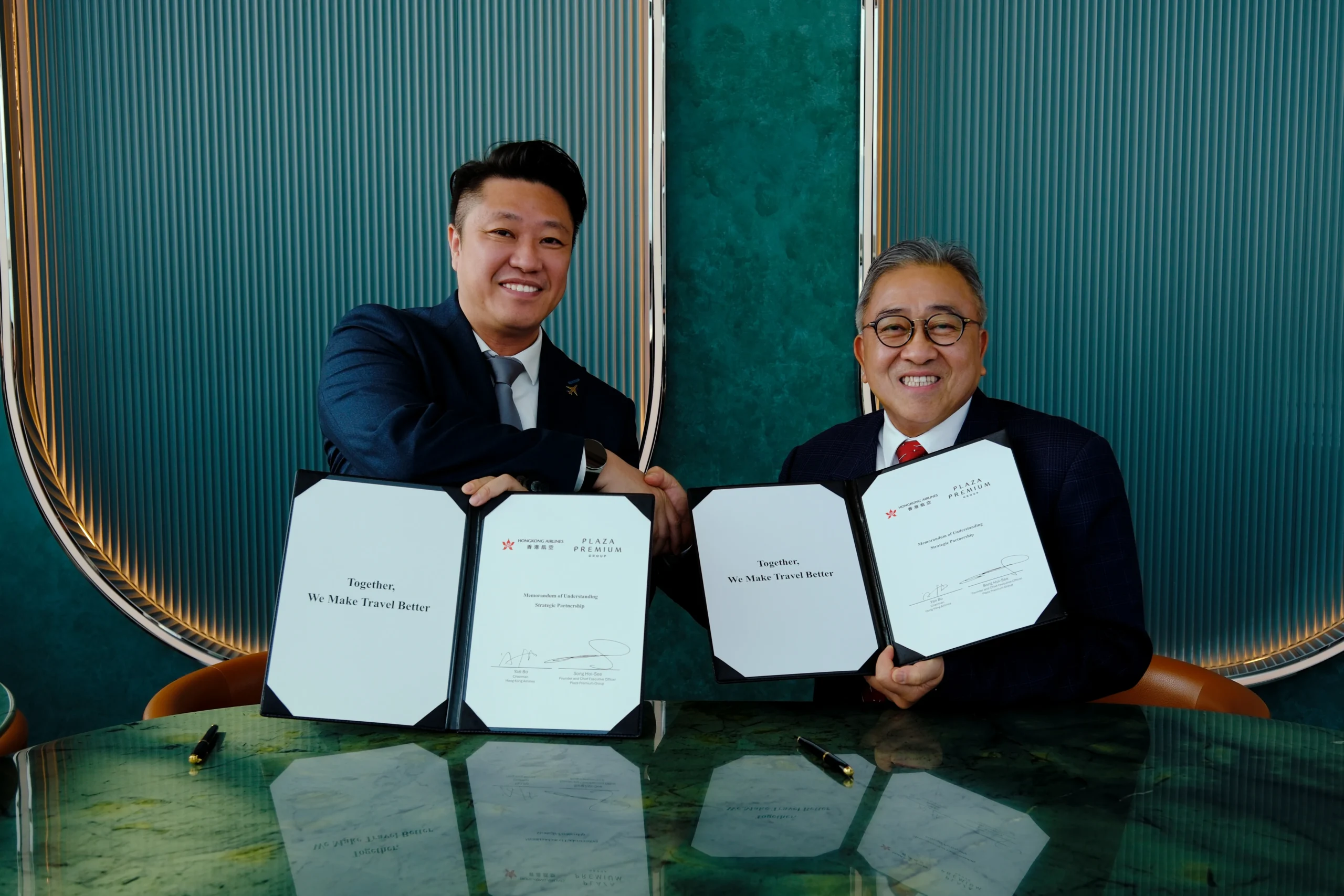
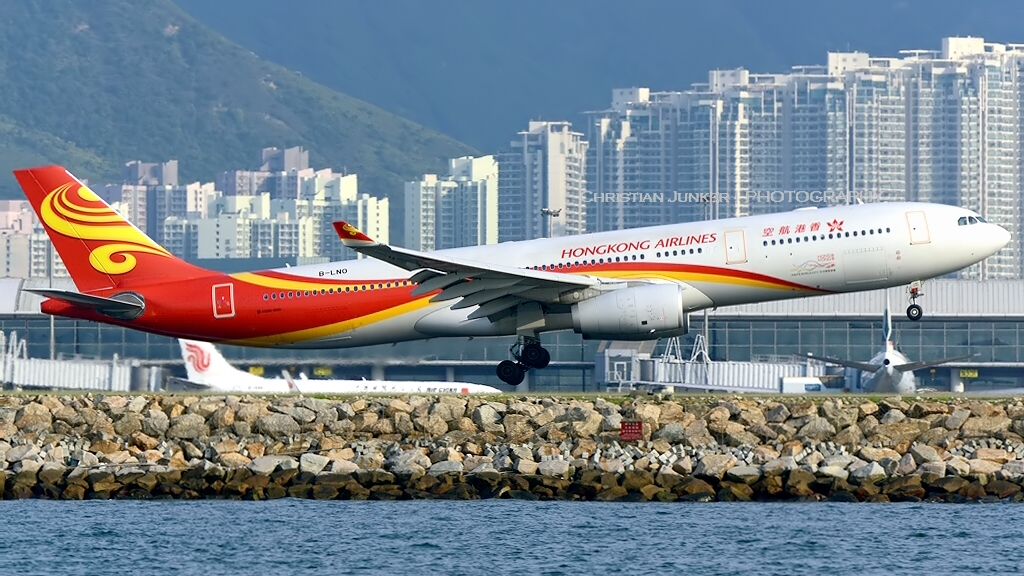
Hong Kong Airlines (HX) remains one of the key full-service carriers based in Hong Kong, operating regional and selected long-haul routes across Asia and beyond.
Positioned between premium global operators and low-cost carriers, the airline occupies a distinctive middle ground in one of the world’s most competitive aviation hubs. Leadership stability and financial discipline have been central to its recovery and forward planning in recent years.
At the centre of that leadership structure in 2026 is President Yan Bo, who plays a pivotal role in shaping the airline’s operational direction, commercial strategy and long-term growth ambitions. As the aviation market in Asia continues to stabilise and expand, executive compensation reflects both responsibility and performance expectations.
Here is a breakdown of Yan Bo’s estimated 2026 compensation, how the structure works, and how his pay compares with that of other Hong Kong-based airline leaders.
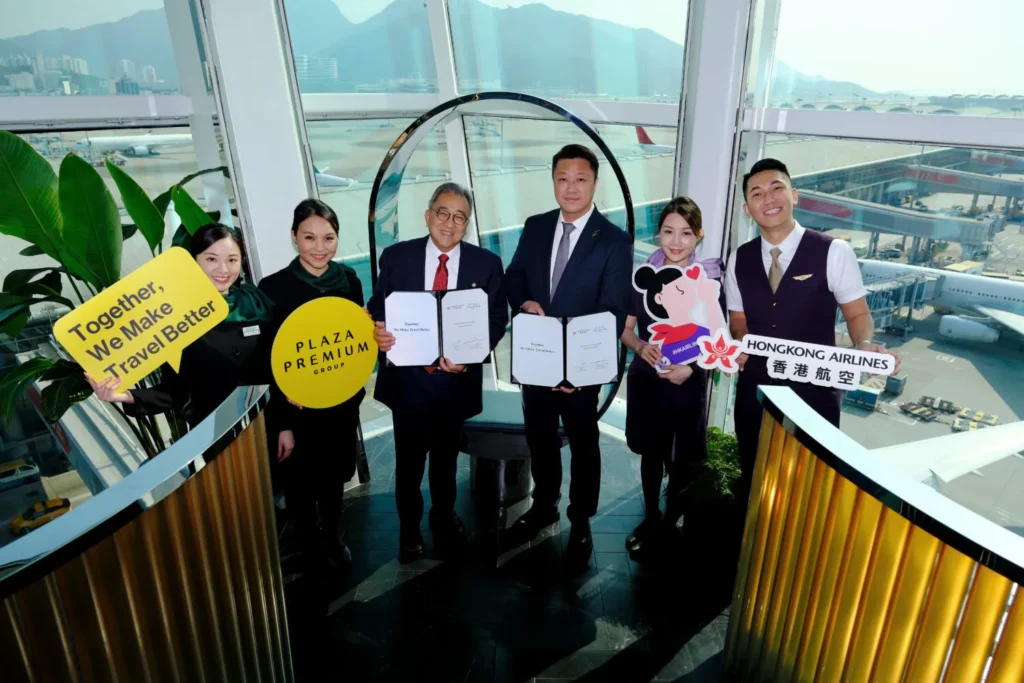
Who is Hong Kong Airlines President Yan Bo?
Yan Bo serves as President of Hong Kong Airlines in 2026, overseeing day-to-day operations, corporate strategy, and long-term planning. His leadership responsibilities include fleet management decisions, network planning, financial restructuring initiatives, and partnership negotiations.
With a professional background in aviation management and corporate restructuring, Yan Bo has experience navigating both growth cycles and recovery phases. His tenure has focused on restoring route stability, strengthening operational reliability and improving financial discipline following challenging industry conditions in previous years.
Colleagues describe him as methodical and financially pragmatic, prioritising sustainable expansion over aggressive, risk-heavy growth. Under his leadership, Hong Kong Airlines has emphasised measured capacity increases, fleet optimisation and closer cost control.
Hong Kong Airlines President Salary and Compensation
As a privately held carrier operating under Hong Kong corporate governance norms, detailed executive compensation disclosures are limited. However, based on industry benchmarks for comparable Asia-Pacific airlines, Yan Bo’s estimated compensation structure for 2026 is as follows:
- Base Salary: HKD 11–13 million
- Annual Performance Bonus: HKD 7–9 million
- Long-Term Incentives / Retention Awards: HKD 14–16 million
- Other Benefits and Pension Contributions: HKD 2–3 million
This places his total estimated 2026 compensation at approximately HKD 35 to 40 million, equivalent to roughly US$4.5 to 5.2 million, depending on performance outcomes and incentive vesting.
The majority of this package is performance-linked, meaning the final figure may vary based on financial results, operational targets and strategic milestones achieved during the year.
ALSO READ: Thai Airways CEO Salary in 2026
Salary Comparison with Hong Kong-Based Peers
To better understand Yan Bo’s estimated compensation of HKD 35 to 40 million, it is helpful to compare it with that of other airline leaders operating from the same hub.
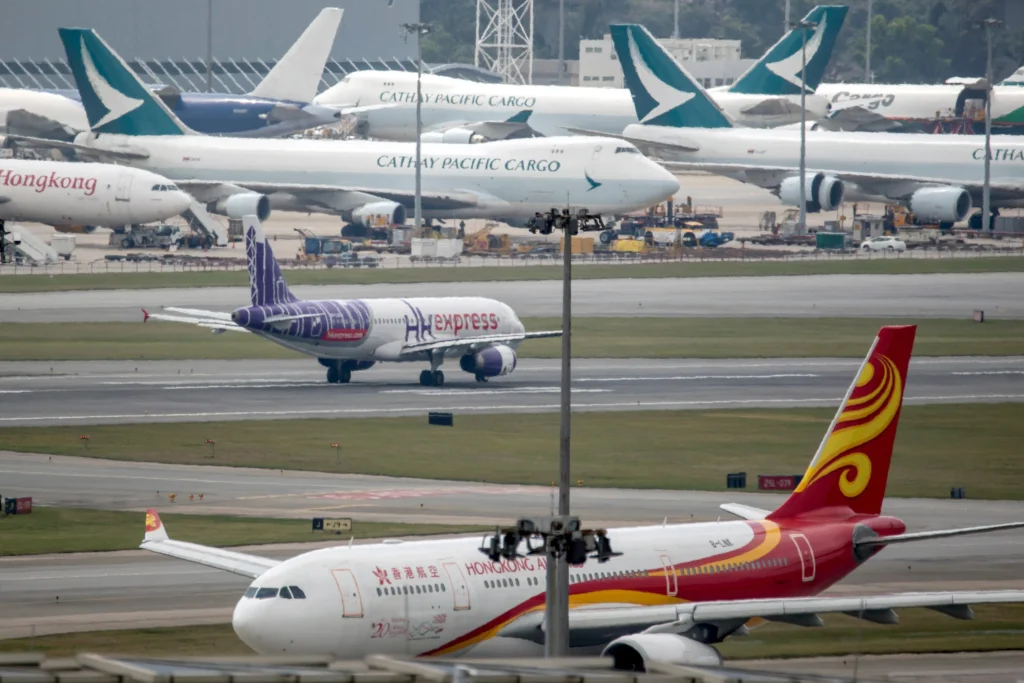
At Cathay Pacific, CEO Ronald Lam leads a significantly larger global airline with a vast long-haul network and alliance partnerships. In 2026, his total compensation is estimated at approximately HKD 55 to 60 million (US$7.1 to 7.8 million). The higher figure reflects Cathay Pacific’s scale, global complexity and revenue base.
Meanwhile, HK Express operates as a leaner low-cost carrier. Its CEO, Yang Yuanxi, earns an estimated HKD 20 to 22 million (US$2.6 to 2.9 million) in 2026, aligned with a simpler operational structure and narrower route network.
Placed between these two, Yan Bo’s compensation mirrors Hong Kong Airlines’ position in the market, larger and more complex than a low-cost operator, yet operating at a significantly smaller global scale than Cathay Pacific.
ALSO READ: Malaysia Airlines CEO Salary in 2026
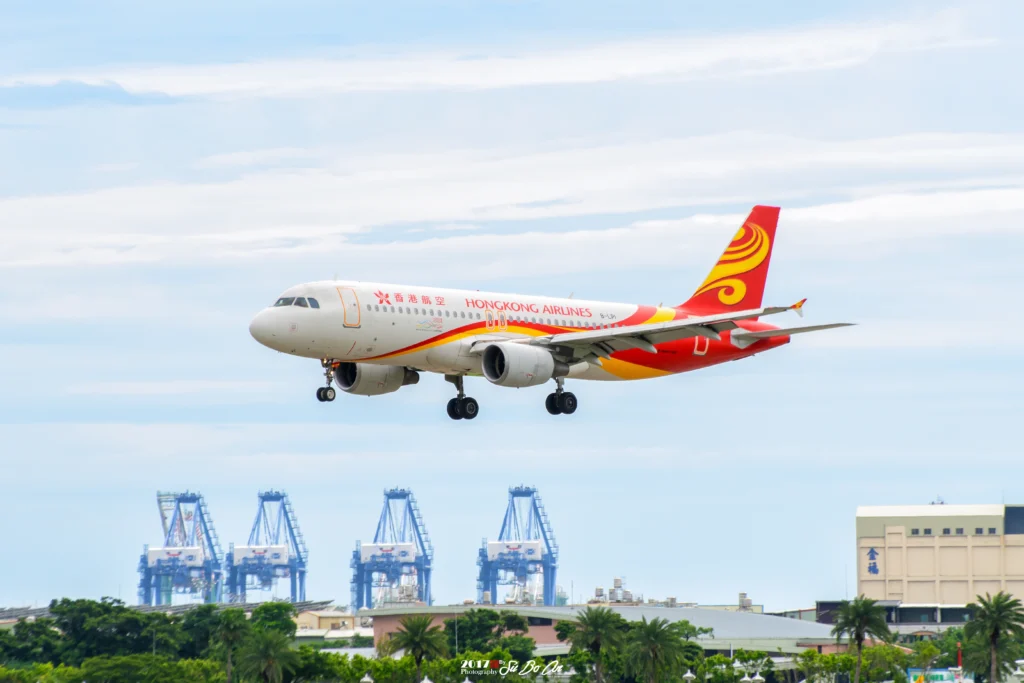
Hong Kong Airlines’ Strategic Priorities for 2026
Looking ahead through 2026, Hong Kong Airlines aims to solidify its competitive positioning in the Asia-Pacific market while gradually expanding its international footprint.
The airline has focused on recuperating and expanding flight frequencies on key regional routes, particularly into Southeast Asia and Northeast Asia. Strengthening frequencies to leisure and business markets remains a core priority.
Hong Kong Airlines continues to modernise its fleet with newer, more fuel-efficient aircraft. This shift is aimed at lowering unit costs, reducing emissions, and supporting operational reliability being critical factors in a region with high competition and regulatory pressure.
Enhancing the guest experience remains an ongoing focus, with investments in digital platforms, mobile services and in-flight technology. These initiatives aim to improve service delivery and build loyalty among both frequent and occasional flyers.
Like many global carriers, Hong Kong Airlines is investing in sustainability measures, including more efficient flight operations, carbon reduction strategies, and exploration of sustainable aviation fuel options where feasible.
These strategic goals feed into the executive performance metrics that drive incentive pay, ensuring leadership compensation remains aligned with measurable outcomes.
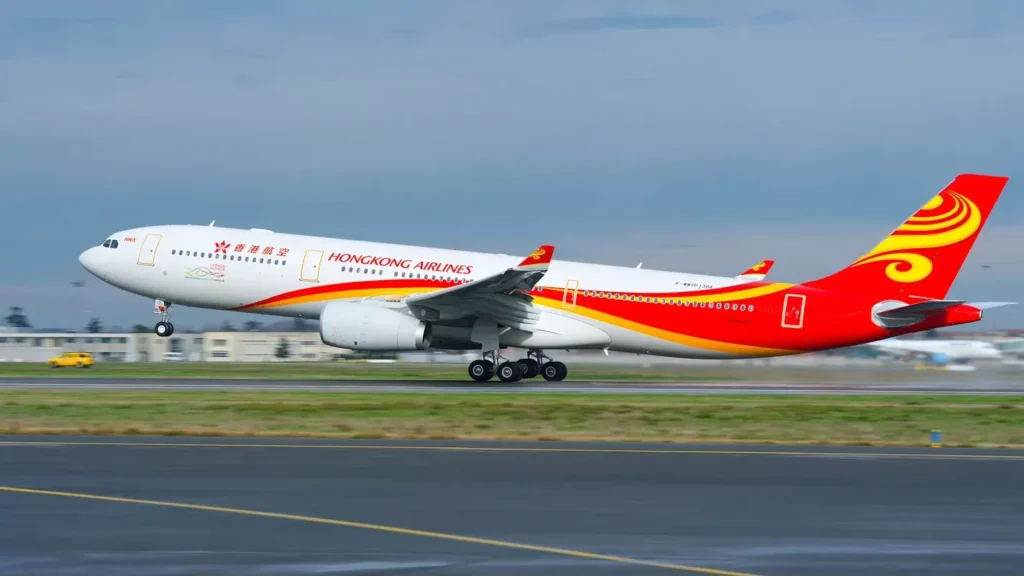
Bottom Line
The estimated compensation for Hong Kong Airlines’ president Yan Bo in 2026 is around HKD 35 to 40 million (US$4.5 to 5.2 million) and reflects a balanced blend of fixed base salary, performance-linked incentives and long-term equity awards.
While this package is modest relative to the highest-paid global airline leaders, it sits comfortably within the Asia-Pacific context and recognises the unique responsibilities of leading a major carrier in a competitive regional landscape.
Executive pay at Hong Kong Airlines prioritises measurable outcomes over guaranteed income, aligning leadership rewards with strategic performance, operational reliability and shareholder value. As the airline continues to grow and evolve in 2026, the president’s compensation remains closely tied to success across financial, operational and customer experience goals.
FAQs
The CEO’s total estimated compensation in 2026 is around HKD 35 to 40 million, or roughly US$4.5 to 5.2 million, combining base salary, performance bonus and long-term incentives.
Annual bonuses depend on financial performance, operational metrics such as on-time performance and load factors, customer satisfaction results, and strategic progress on key initiatives.
Yes. Part of the compensation comes in the form of long-term incentives, including restricted share units and performance shares, which vest over several years and align with long-term shareholder value.
Stay tuned with us. Further, follow us on social media for the latest updates.
Join us on Telegram Group for the Latest Aviation Updates. Subsequently, follow us on Google News
