

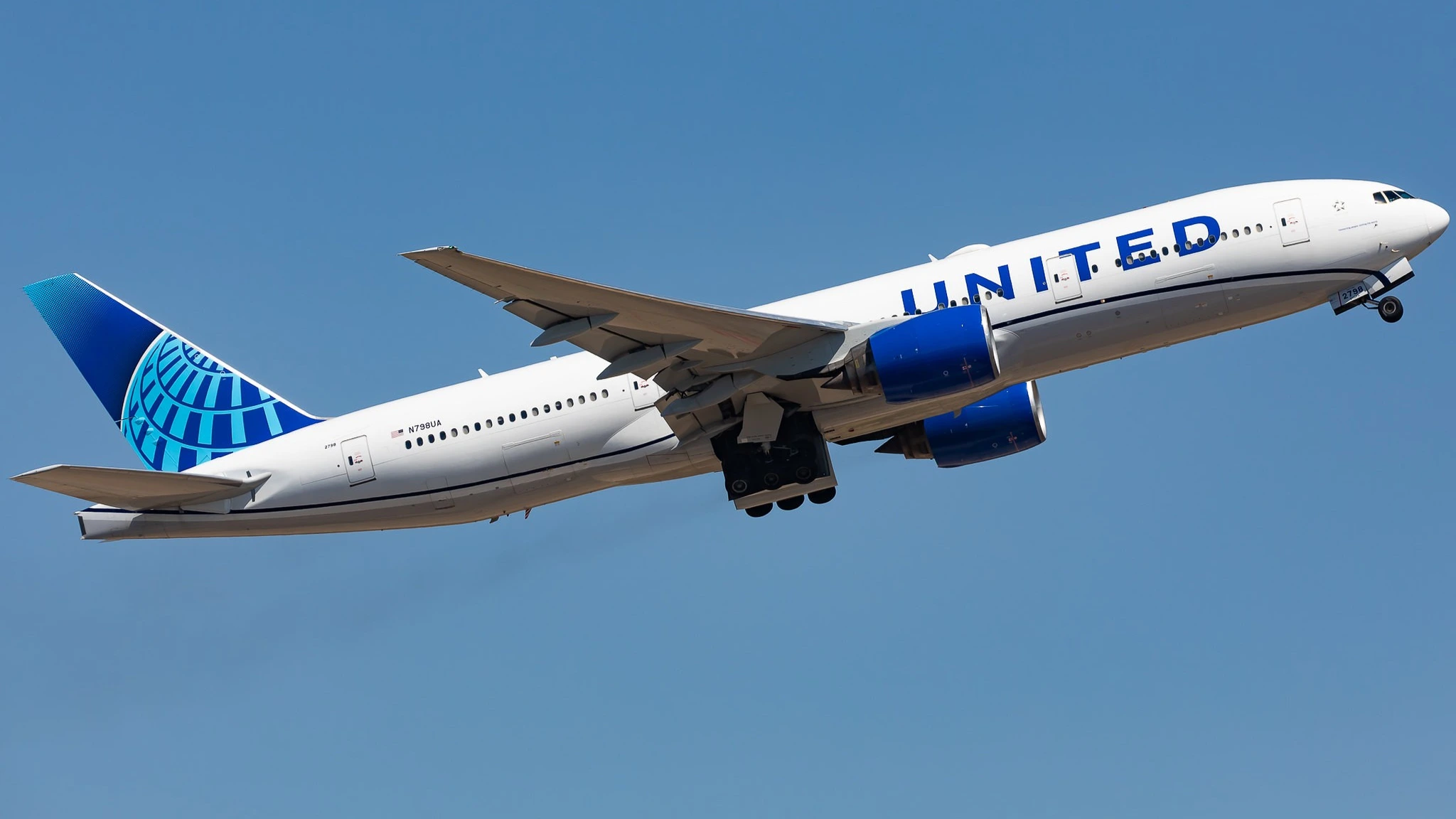
CHICAGO— United Airlines (UA) generated an estimated $11.5 billion in ancillary revenue during 2025, making it the world’s leading airline for revenue from extras, according to a new IdeaWorksCompany report.
The figure covers a broad range of income streams beyond base fares, showing how effectively the carrier has turned additional products, loyalty programs and customer upgrades into major sources of revenue.
United’s strategy is particularly important across major hubs such as Chicago (ORD), where its extensive network gives passengers more opportunities to purchase upgraded seats, loyalty products and other services.
However, the $11.5 billion figure should not be interpreted as proof that passengers are receiving a more premium experience, because the calculation includes several revenue categories beyond traditional airline fees.
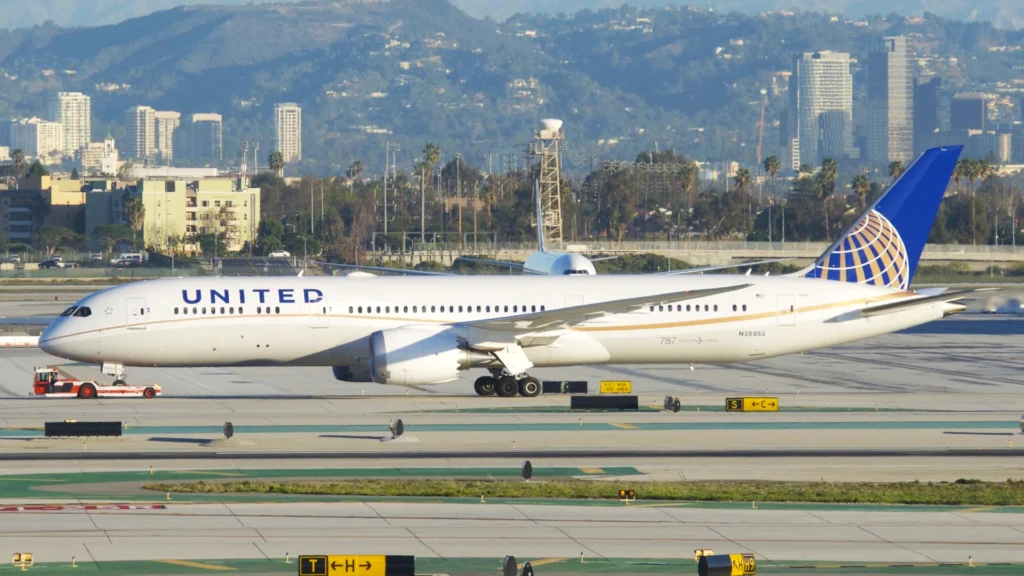
United’s Ancillary Revenue Growth
IdeaWorksCompany uses a wider definition of ancillary revenue than United itself. Its calculation includes baggage charges, assigned seats, onboard sales, loyalty-related income, miles sold to financial partners, commissions, advertising, and revenue associated with bundled fare features.
United’s own financial reporting presents a much narrower figure. The airline reported $4.8 billion in ancillary fees during 2025, compared with $4.5 billion in 2024 and $4.1 billion in 2023, covering baggage, premium seats, inflight amenities and other ticket-related fees.
The broader IdeaWorks estimate therefore includes substantial MileagePlus-related accounting alongside direct passenger fees.
With United reporting $59.1 billion in operating revenue and 181 million passengers in 2025, the $11.5 billion estimate represented roughly 19.5% of total revenue, or about $63.50 per passenger.
Seats Drive More Passenger Spending
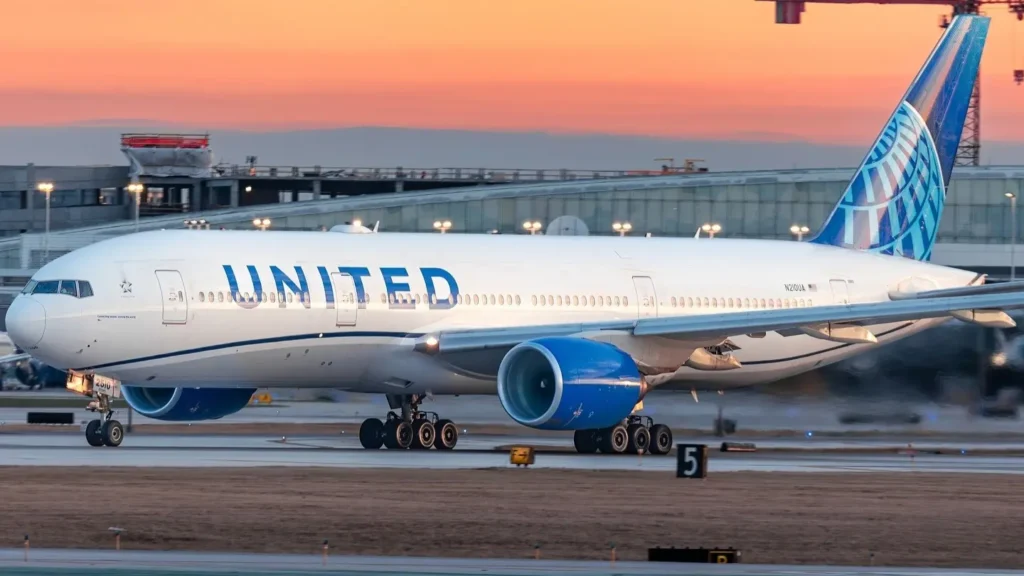
United has become especially effective at monetizing seats. A U.S. Senate investigation found that the airline collected about $1.3 billion in seat fees during 2023, exceeding the roughly $1.2 billion it collected from baggage fees that year.
The carrier’s large inventory of extra-legroom and premium seats gives travelers more opportunities to spend beyond the initial ticket price.
Longer international journeys can also encourage passengers to pay for additional comfort, upgrades, and other optional products, particularly when the flight involves many hours in the air.
IdeaWorks reported that United’s ancillary revenue increased from $10.6 billion in 2024 to $11.5 billion in 2025, an increase of about 8.5%, View from the Wings flagged.
That growth came despite MileagePlus revenue remaining below the comparable figures reported by Delta Air Lines and American Airlines.
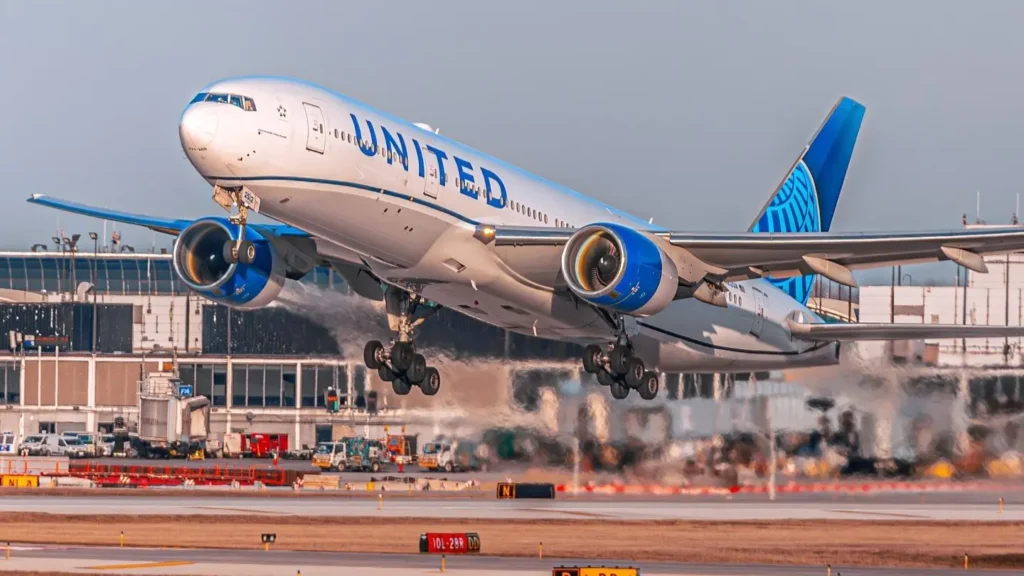
Revenue Is Not Always Customer Loyalty
The report also raises a key distinction between generating more customer spending and creating genuine airline loyalty.
High ancillary revenue can show that an airline has developed effective merchandising and pricing systems, but it does not automatically prove that travelers prefer the carrier when competing airlines offer similar schedules and fares.
United has introduced several premium-focused products and loyalty changes, including adjustments to MileagePlus earning rates and benefits for co-branded credit cardholders.
The airline also continues investing in premium cabins, lounges, technology and onboard products as part of its broader strategy to attract higher-value customers.
Still, the $11.5 billion figure primarily demonstrates United’s ability to monetize its network and customer base.
For travelers, paying more can unlock additional space, services, or benefits, but higher spending alone does not guarantee a proportionally better overall flying experience.
Stay tuned with us. Further, follow us on social media for the latest updates.
Join us on Telegram Group for the Latest Aviation Updates. Subsequently, follow us on Google News
