

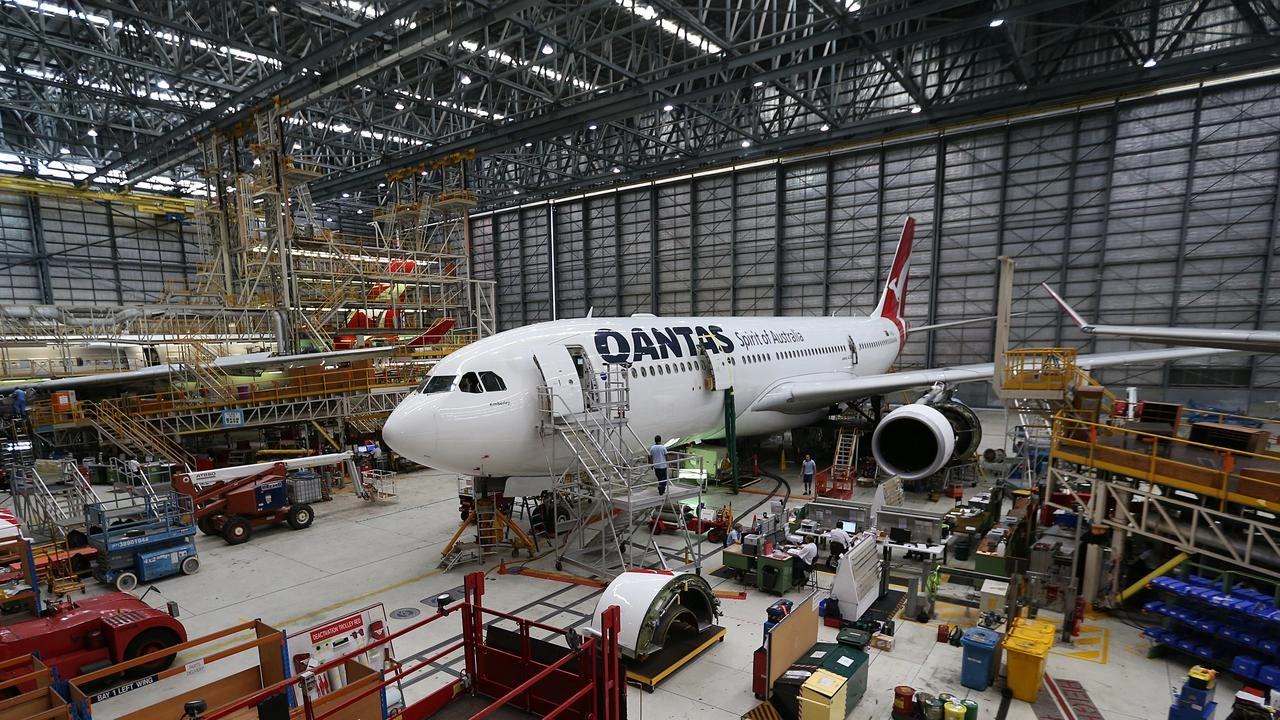
MASCOT, AUSTRALIA- Around 120 Qantas (QF) engineers represented by Professionals Australia staged a two-hour work ban on Monday, October 12, amid an ongoing dispute over wages and working conditions.
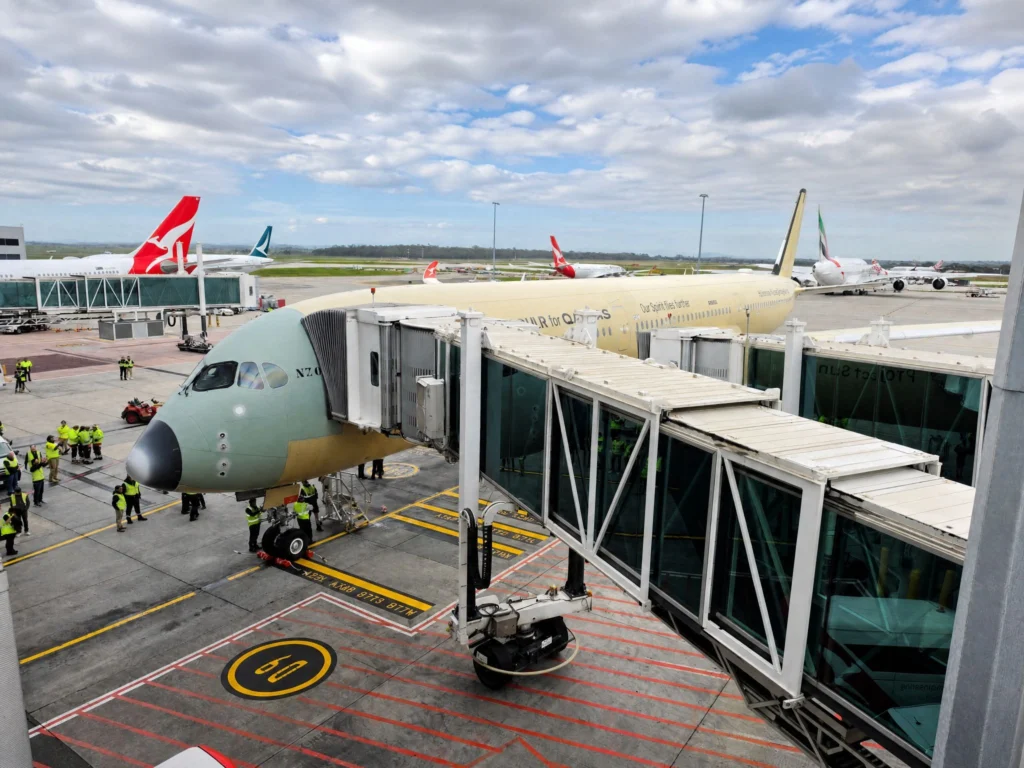
The action affected engineering work on Qantas Airways long-haul aircraft, including the Boeing 787 Dreamliner and Airbus A380, between 10 am and noon. The union warned that further industrial action could affect the airline’s Project Sunrise initiative.
Qantas Engineers Escalate Industrial Action Over Wages
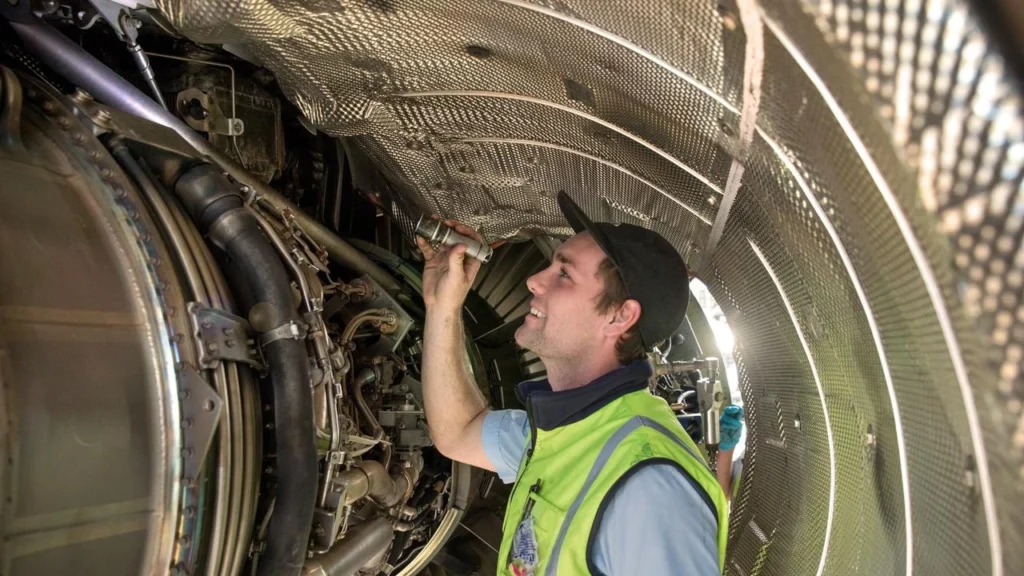
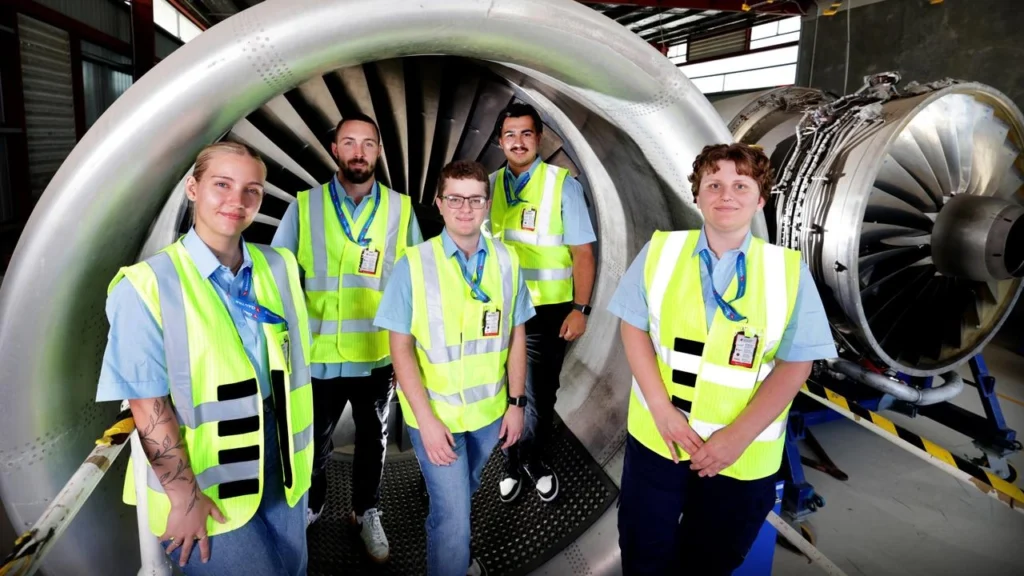
The two-hour work ban marked the first time in 16 years that the Qantas engineering group based at the airline’s headquarters in Mascot had pursued protected industrial action. The engineers are represented by Professionals Australia, a trade union involved in negotiations over their pay and employment conditions.
The union confirmed that its members would stop all engineering work on Qantas’ long-haul aircraft during the designated period. The action applied to maintenance activities involving the Boeing 787 Dreamliner and Airbus A380 fleets.
Jonathan Farry, lead organiser at Professionals Australia, said aircraft undergoing maintenance when the ban began would not be flown while the action remained in effect.
The engineers had already been conducting partial work stoppages for several weeks following an earlier vote in favour of protected industrial action. They escalated their protest late on Friday, October 9, after Qantas failed to improve its latest wage offer.
Negotiations between the airline and its engineering workforce have continued for more than a year, with disagreements over salary increases and working conditions remaining unresolved.
Qantas Says Work Ban Will Not Disrupt Operations
A Qantas spokesperson said the industrial action would have no impact on the airline’s normal operations.
The airline also reiterated its commitment to reaching an agreement that provides pay increases while maintaining a financially sustainable business.
The union’s position differs significantly from the airline’s latest proposal. Professionals Australia is seeking a 13% pay increase in the first year, citing previous wage freezes and several years of salary increases below the Consumer Price Index (CPI).
Qantas, by comparison, has offered annual pay increases of 3%.
The difference between the two proposals remains a central obstacle in negotiations. The union argues that engineers’ wages have fallen behind inflation and that a stronger offer is necessary to retain qualified professionals.
Farry warned that Qantas could risk losing experienced engineers if it failed to address their concerns.
He also stressed the importance of engineering personnel to airline safety and reliability, highlighting their role in ensuring aircraft can operate safely and reach their destinations, Australian Aviation flagged.
Engineers Warn of Possible Project Sunrise Impact
Professionals Australia said its members would vote again during the week to consider further protected industrial action. The union warned that subsequent measures could affect Project Sunrise, Qantas’ planned ultra-long-haul initiative.
Project Sunrise is intended to support nonstop flights connecting Australia with distant international destinations. The programme depends on the airline’s ability to develop and operate aircraft capable of undertaking exceptionally long journeys.
Although the initial two-hour ban was limited to engineering work on long-haul aircraft, further action could create additional challenges if it affects maintenance, technical support or other engineering activities.
The union has not established that the initial work ban disrupted Project Sunrise. Instead, it identified the programme as a potential target of future action if negotiations fail to produce an acceptable agreement.
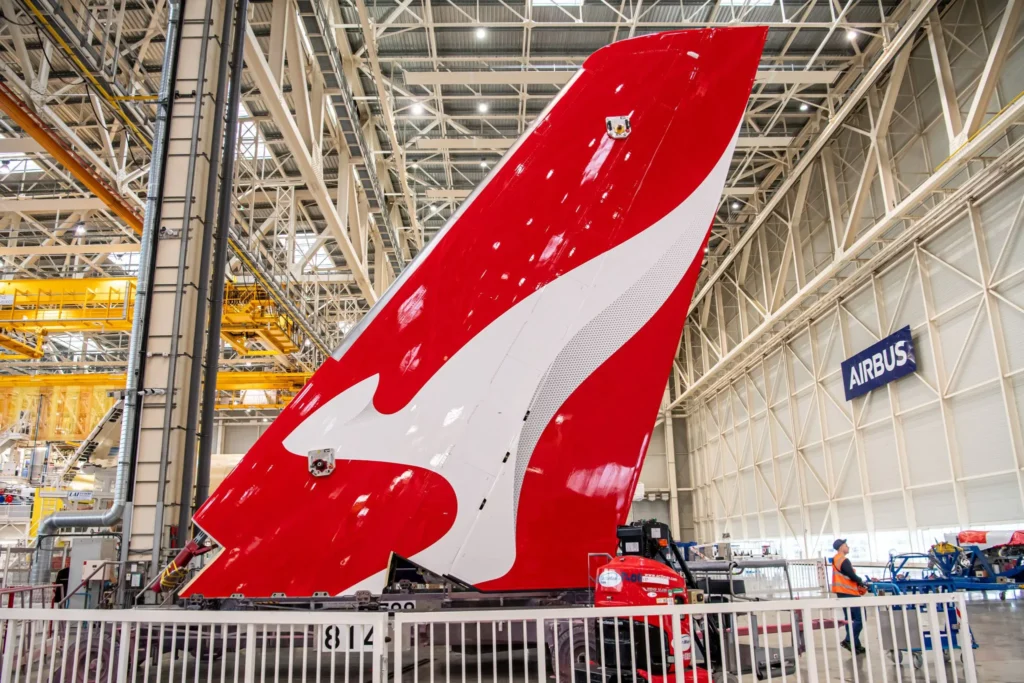
Why Qantas Engineers Are Seeking Higher Pay
The dispute follows a protected-action ballot initiated in August, when union members unanimously voted to pursue industrial action through the Fair Work Commission (FWC), Australia’s workplace relations tribunal.
The engineers are seeking what Professionals Australia describes as a reasonable pay offer after years of wage freezes and increases that did not keep pace with inflation.
Their responsibilities extend beyond routine aircraft maintenance. According to the union, Qantas engineers develop and maintain engineering systems across the fleet, conduct compliance work, support aircraft introductions and modifications, manage repairs, and provide critical engineering authorisations and airworthiness sign-offs.
These duties support the airline’s technical operations and help ensure that aircraft meet applicable airworthiness requirements.
Professionals Australia has argued that the engineers’ work is fundamental to Qantas’ operations. The union maintains that competitive pay is important for retaining the skilled workforce needed to support the airline’s existing fleet and future expansion plans.
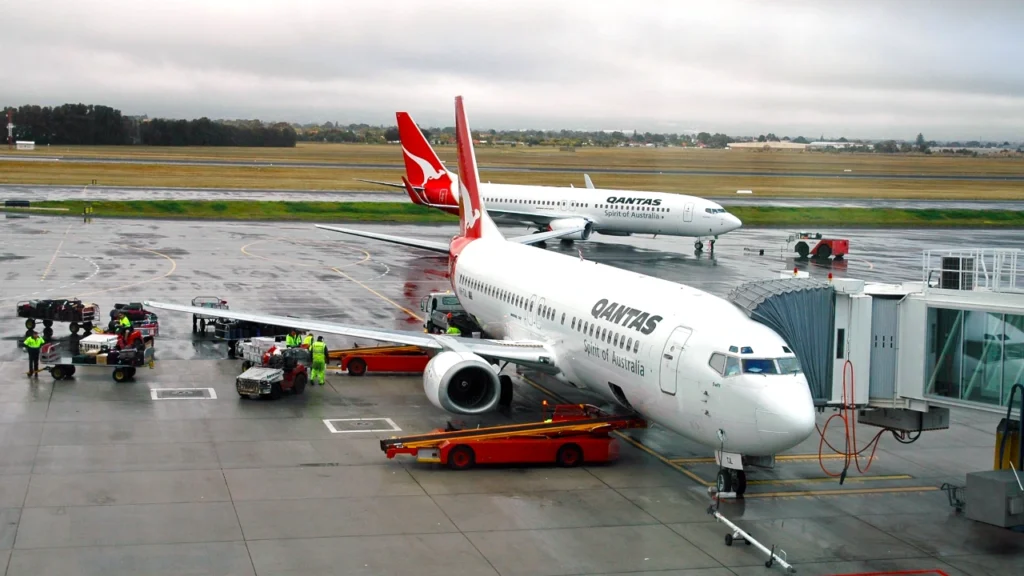
Qantas Dispute Comes Amid Wider Airline Labour Tensions
The dispute involving Qantas engineers comes as other Australian airline employees also move towards protected industrial action over pay and employment conditions.
Virgin Australia Ground Staff Prepare for Ballot
The Fair Work Commission recently granted ground staff, airport workers and customer service employees at Virgin Australia (VA) the right to vote on protected industrial action, including work stoppages and strike action.
The Australian Services Union (ASU), which represents some of the affected employees, said its members would lodge their vote during the week.
The union argued that Virgin Australia’s latest enterprise agreement proposal fell well short of members’ expectations. The dispute reflects broader tensions between airline employers and airport-based workers over pay and employment conditions.
Jetstar Employees Expand Workplace Action
Jetstar Airways (JQ) ground staff at major Australian airports have also voted to stop performing several non-essential duties.
The measures include suspending routine passenger announcements and calls, as well as certain management tasks related to disruptions and cancellations.
According to the ASU, employees have also continued earlier protected actions involving the removal of some sales-related fees, including excess baggage charges, late fees and seat-change charges. The union said one-hour work stoppages were also planned.
ASU assistant national secretary Scott Cowen said members did not want to take industrial action but felt they had no alternative after failing to secure satisfactory pay and weather-related workplace protections.
The union linked the dispute to the cost-of-living crisis and the challenges airline workers face during extreme weather conditions.
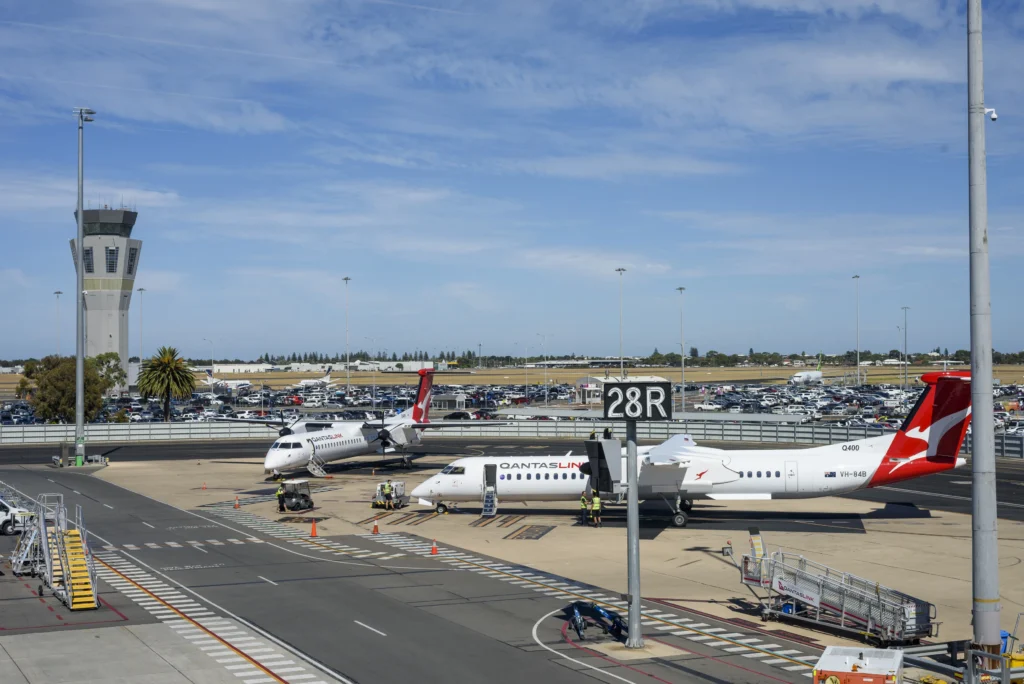
What Happens Next for Qantas?
The next stage of the Qantas dispute will depend on the outcome of further discussions and the decisions made by union members regarding additional industrial action.
Professionals Australia is seeking a substantially higher first-year pay increase than the airline has offered. Qantas, meanwhile, says it remains committed to an agreement that balances employee pay rises with the company’s long-term financial sustainability.
The initial two-hour work ban was limited to a defined period, and Qantas said it would not affect normal operations. However, the union’s warning about possible future action places additional pressure on negotiations.
Any escalation involving engineering work could become particularly important for Qantas as it manages its long-haul fleet and advances its future international network plans.
For now, the central issue remains unresolved: whether Qantas and its engineers can agree on wages and working conditions that satisfy both sides without further industrial disruption.
Stay tuned with us. Further, follow us on social media for the latest updates.
Join us on Telegram Group for the Latest Aviation Updates. Subsequently, follow us on Google News
