

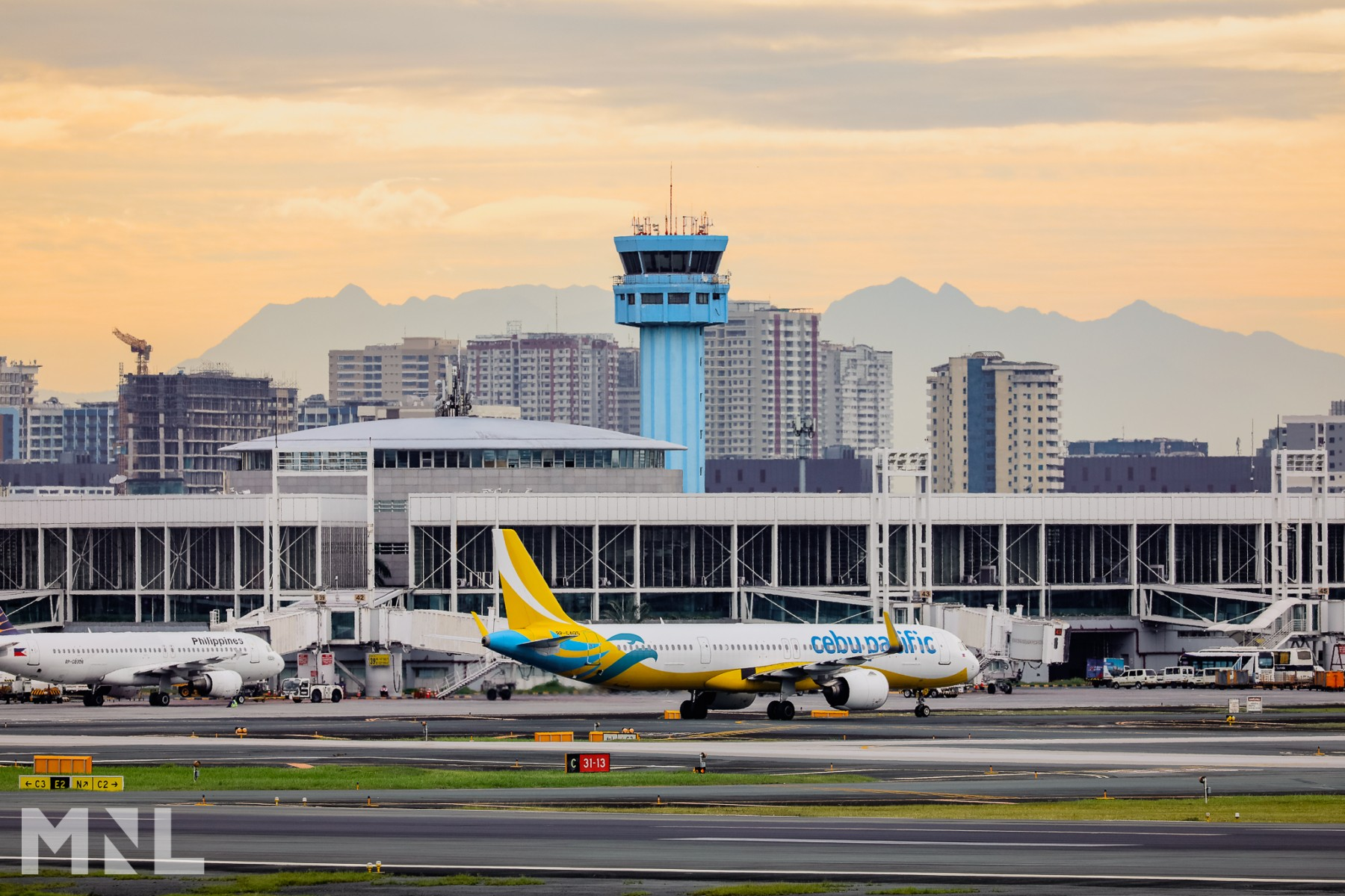
MANILA- Ninoy Aquino International Airport (MNL) is undergoing a major upgrade led by New NAIA Infra Corp. (NNIC) to improve passenger services, address congestion, and modernize its aging facilities.
The airport has faced years of overcrowding, difficult terminal transfers, and operational problems, leading some online rankings to label it the world’s worst airport. The ongoing improvements are intended to change that reputation while a second major airport is being developed in nearby Bulacan.
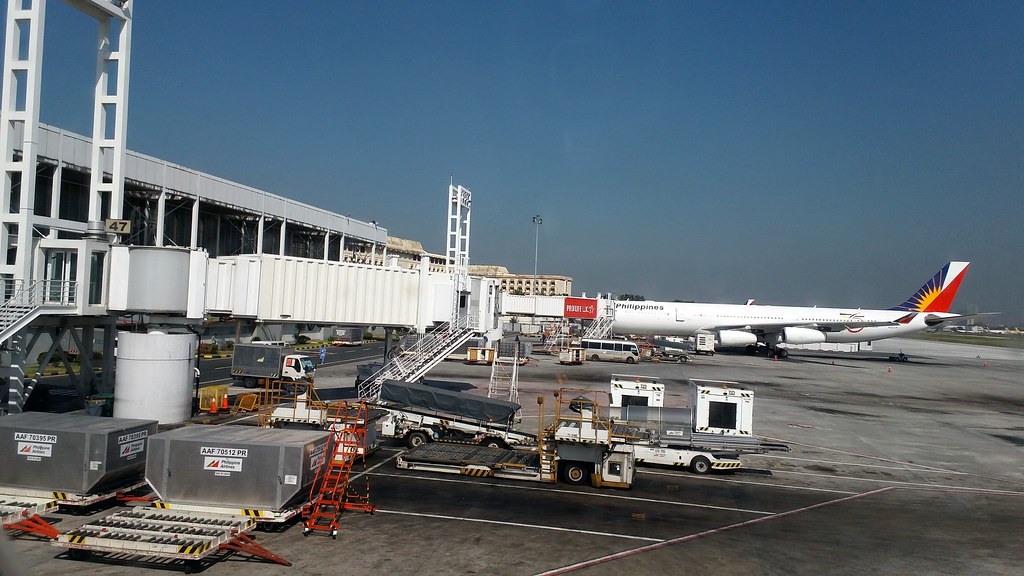
NAIA Modernization Targets Better Airport Services
Renovations at Ninoy Aquino International Airport are moving forward rapidly as NNIC works to improve the passenger experience and address long-standing problems across the Manila gateway.
Terminal 3 already shows several visible changes. Travelers entering the terminal are greeted by the word “mabuhay”, meaning “welcome” in Tagalog, displayed in large letters on a wall. A nearby display directs passengers to a newly reopened food court as a meeting point.
The food court reopened in December and now includes cafes and stores operated by local brands.
More restaurants are also being built in the waiting area for departing passengers who have completed immigration processing. Those outlets were scheduled to open at the end of the month covered by the original report.
New NAIA Infra Corp. (NNIC), backed by Philippine conglomerate San Miguel and South Korea’s Incheon National Airport, launched its renovation program in September 2024 after winning the management rights to NAIA.
The modernization follows years of criticism over the airport’s condition. NAIA is close to Manila’s urban center, but its terminals are spread across the airport complex, making flight connections difficult for passengers.
Chronic overcrowding and aging buildings have added to the airport’s problems. Some online airport rankings have previously named NAIA the worst airport in the world, increasing pressure on the Philippine government to improve operations.
The Philippines Department of Transportation responded to the public criticism by deciding to privatize the airport and transfer its management to a private operator.
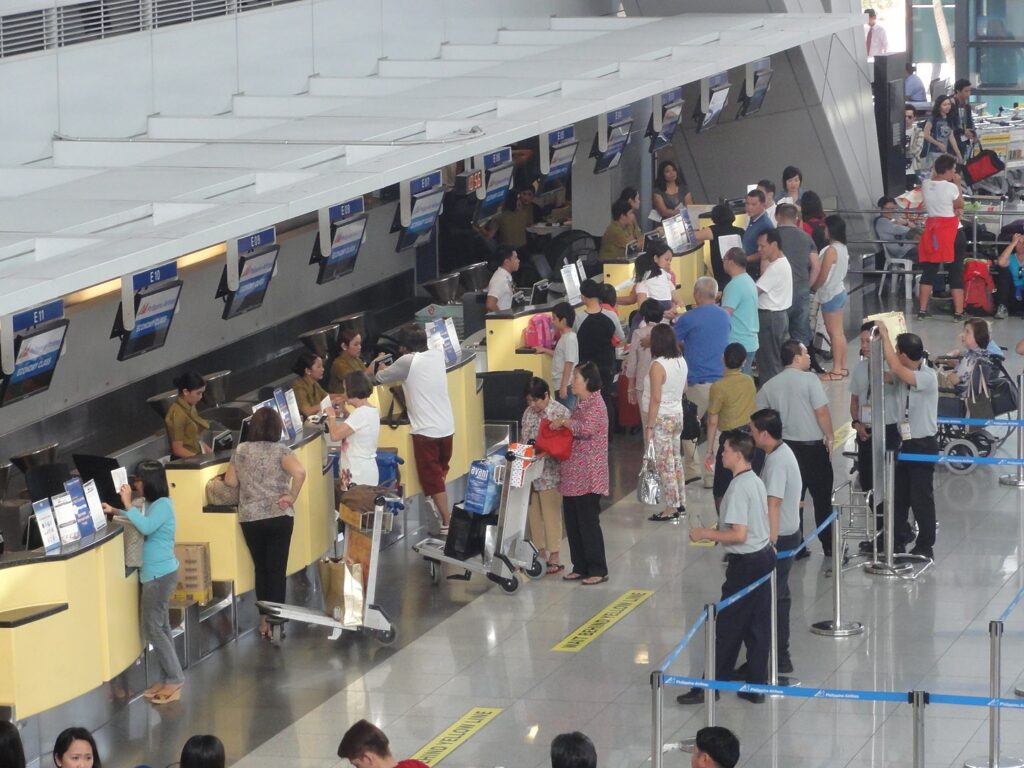
Passenger Flows Are Being Reorganized
NNIC has also changed how passengers and flights move through NAIA. The operator reorganized a complicated mix of domestic and international flights, as well as low-cost and full-service airlines, to create more orderly passenger flows.
The Philippine government has taken additional steps to speed up immigration and customs processing. These measures include automated gates equipped with biometric technology.
The combination of terminal improvements, revised passenger flows, and faster border processing is aimed at making the airport easier to navigate and reducing some of the delays that have affected travelers.
As reported by Nikkei Asia, the changes form part of a broader effort to improve NAIA after years of criticism over its service and infrastructure.
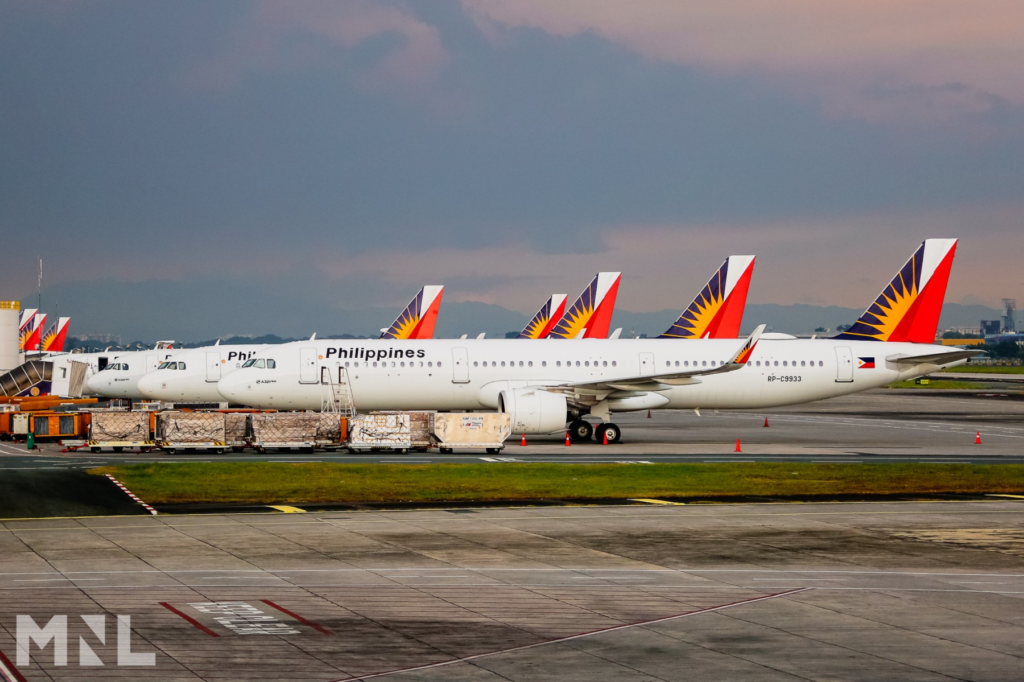
NAIA Faces a New Challenge
The modernization of NAIA comes as San Miguel also faces a major challenge from a second airport being built north of Manila in Bulacan province.
The decision to construct New Manila International Airport came as NAIA approached its capacity limits. The new airport is expected to provide additional capacity for the Manila region, but its future relationship with NAIA remains unresolved.
San Miguel had initially targeted 2027 for completion of the new airport. The project, however, has been delayed by difficulties in procuring construction materials.
In June, San Miguel CEO Ramon Ang said he expected the first runway at New Manila International Airport to be completed in the April to June quarter of 2028, or possibly earlier.
The runway target represents a major milestone for the new airport, but the project will still need to progress through further construction and development before it can begin taking pressure off NAIA.
The new airport is intended to supplement NAIA’s capacity, rather than immediately replace the existing Manila airport. How the two facilities will divide their roles and operations remains unclear.
Manila’s Two Airport Network Takes Shape
NAIA’s central location gives it an important advantage for passengers traveling to Manila, even as its existing terminals undergo modernization.
New Manila International Airport in Bulacan offers an opportunity to expand capacity beyond what NAIA can provide within its current site.
The 2 airport system could therefore become an important part of the Philippines’ long-term aviation strategy.
For now, the focus remains on improving NAIA’s existing passenger experience while work continues on the new airport.
The success of the modernization effort will depend on whether the upgrades can reduce congestion, improve passenger movement, and deliver more consistent airport services.
Stay tuned with us. Further, follow us on social media for the latest updates.
Join us on Telegram Group for the Latest Aviation Updates. Subsequently, follow us on Google News
