

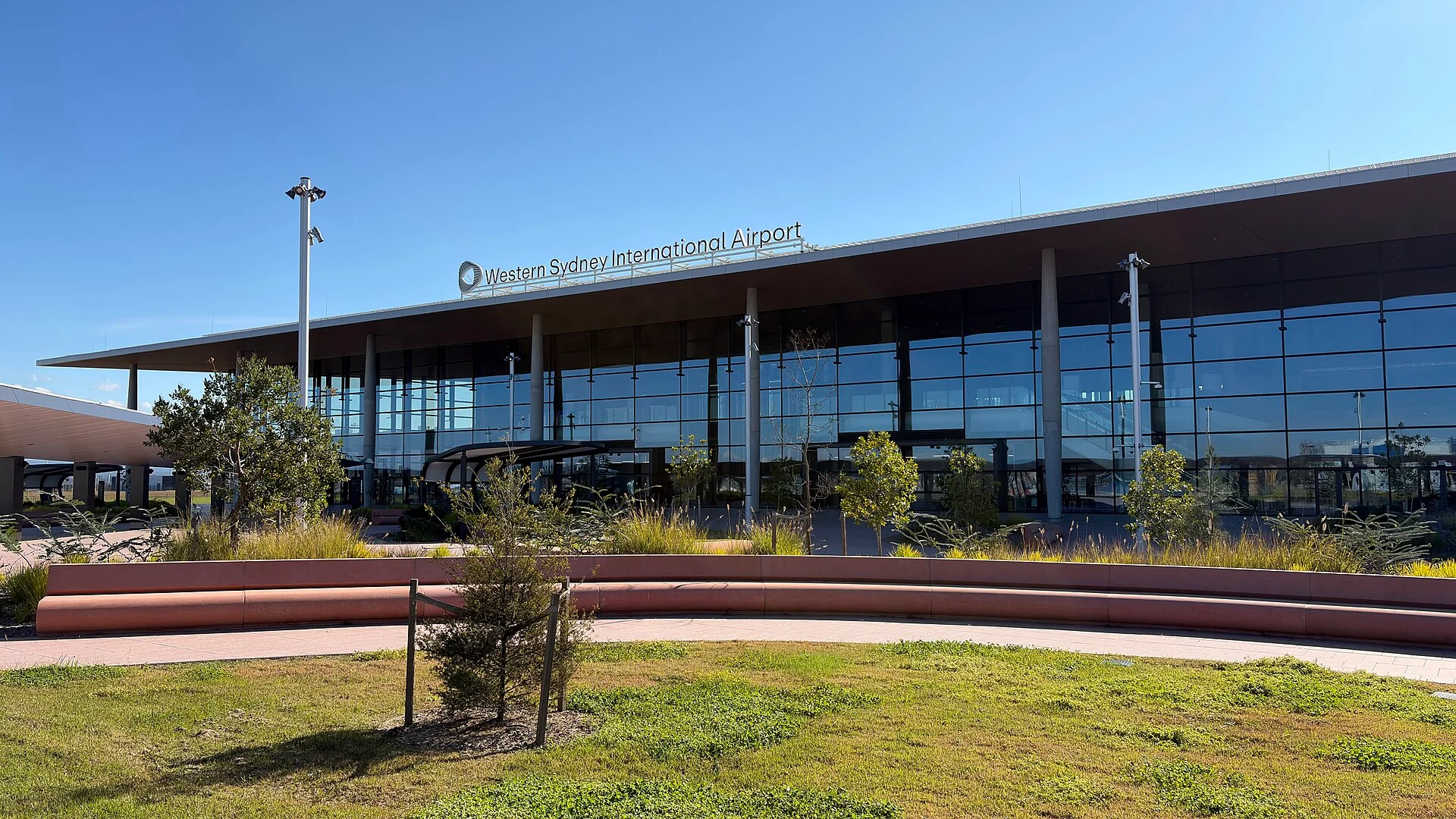
SYDNEY- Western Sydney International Airport (WSI) is scheduled to welcome its first passenger flight on 25 October 2026, when Jetstar (JQ) operates a service to Gold Coast Airport (OOL). The A$5.6 billion project marks a major milestone in Australia’s aviation infrastructure development.
According to Bloomberg, The new airport will complement Sydney Kingsford Smith Airport (SYD), the city’s established international gateway. However, limited airline commitments, rising operating costs and incomplete public transport connections could slow the airport’s early growth.
Major Airport Project Faces Slow Start
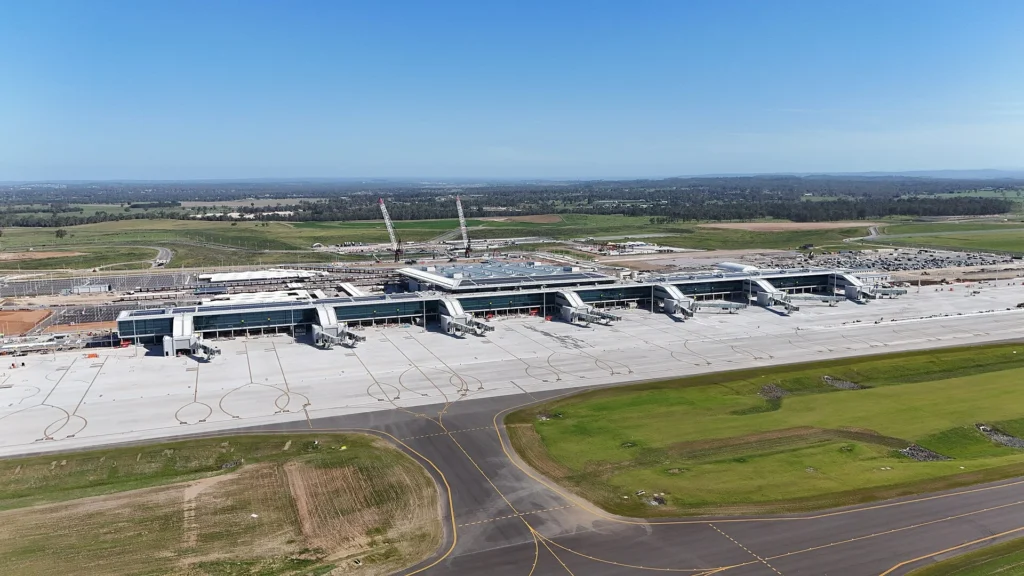
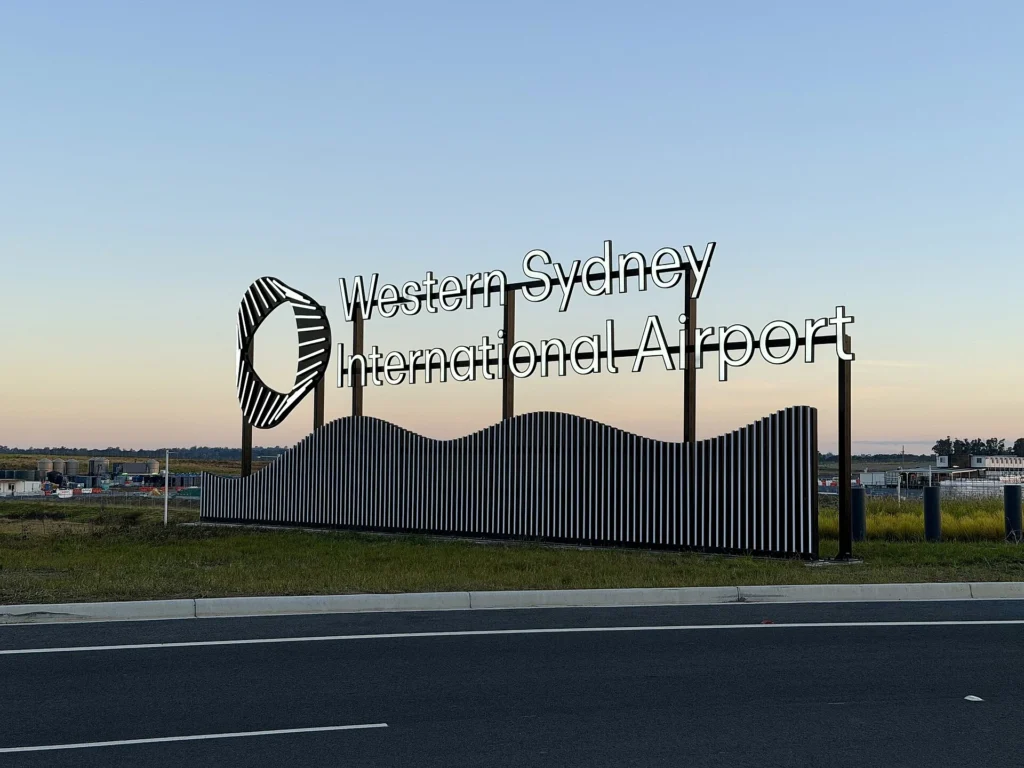
Western Sydney International Airport, officially named Nancy-Bird Walton Airport, is preparing to begin passenger operations after decades of political debate, environmental protests and funding challenges.
Located near Badgerys Creek, approximately 50 kilometres inland from central Sydney, the airport represents one of Australia’s largest aviation infrastructure projects in recent decades.
The Australian Government selected the site in 2014, ending a debate about Sydney’s need for a second airport that dates back to 1946. Construction began in 2018 on former farmland, and the airport started freight operations in July 2026.
Passenger services are scheduled to begin at 11 a.m. on Sunday, 25 October 2026, with a Jetstar Airbus A320 service to the Gold Coast.
The airport carries the name of Nancy Bird Walton, a pioneering Australian aviator who helped advance aviation in the country.
Its development aims to accommodate Sydney’s long-term travel needs, create economic opportunities in Western Sydney and reduce the pressure on the existing airport.
Despite the scale of the investment, the initial passenger network remains small. Bloomberg reported, citing aviation data company Cirium, that the airport had 6 or fewer scheduled passenger flights a day across the 12 months covered by the schedule review.
This limited schedule raises questions about whether airlines will commit enough capacity to support the airport’s commercial ambitions.
Airline Commitments Remain Limited
The availability of regular flights will play a central role in determining whether Western Sydney International becomes a practical alternative to Sydney Kingsford Smith.
Airlines must balance expected passenger demand against fuel prices, aircraft availability, operating expenses and the profitability of individual routes.
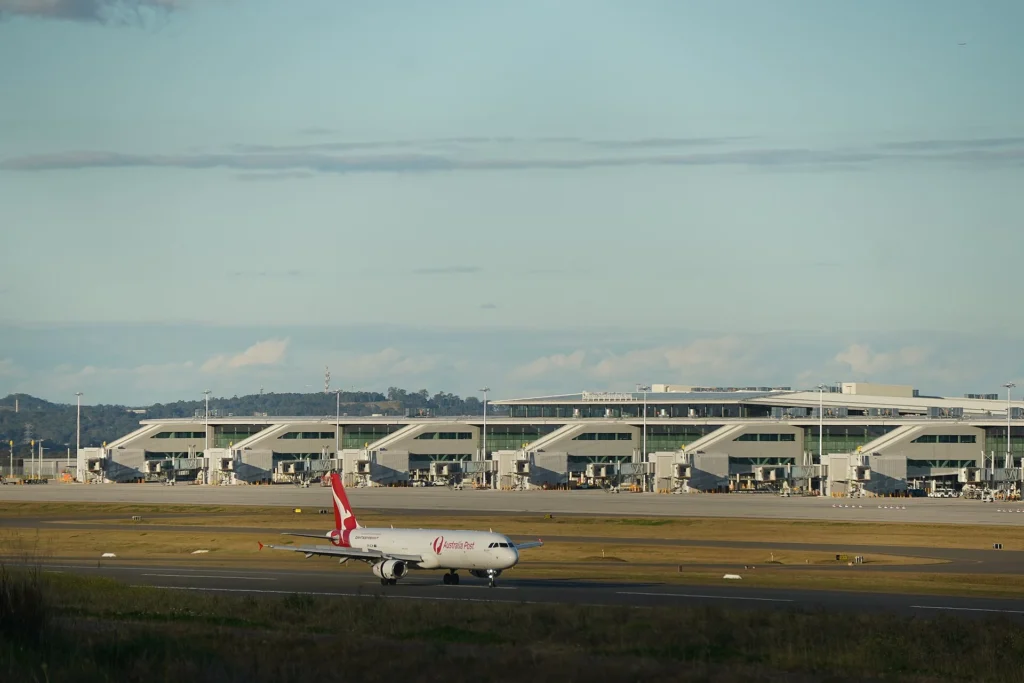
At the time of the reported Cirium schedule review, Jetstar, the low-cost subsidiary of Qantas Airways (QF), was expected to be the airport’s main initial passenger operator. Qantas itself planned only slightly more than one domestic flight a day on average from March 2027 through September 2027, according to the reported schedules. Virgin Australia (VA), Australia’s second-largest airline, had no flights scheduled in the same review.
Virgin Australia said it was evaluating whether Western Sydney would fit its network and flight schedules in a way that served customer needs.
Its decision highlights a broader commercial question: airlines need convincing evidence of passenger demand before committing aircraft and crews to a new location.
Qantas has also stressed the importance of the Western Sydney market. Chief Executive Officer Vanessa Hudson described the region as an important market in June 2026, particularly for Jetstar.
She indicated that the airline group expected demand to grow and would consider adding more flights when passenger numbers justified greater frequency.
Other carriers have announced plans to establish services at the airport.
- Jetstar (JQ): The airline will launch services to the Gold Coast and operate regular domestic flights to Melbourne and Brisbane.
- Air New Zealand (NZ): The carrier is scheduled to begin Auckland services on 26 October 2026, one day after the airport’s passenger opening.
- Singapore Airlines (SQ): Daily flights to Singapore are scheduled to begin on 23 November 2026.
- Vietjet Air (VJ): The Vietnamese airline is among the international carriers planning to use the airport, with services to Ho Chi Minh City expected in January 2027.
- Fiji Airways (FJ): The carrier plans three weekly flights between Western Sydney and Nadi from 19 March 2027.
The airline announcements provide a starting point for building the airport’s network, but several services will begin only after the initial opening.
The timing of route launches and the frequency of flights will therefore determine how quickly passengers gain access to a wider range of destinations.
Western Sydney International Chief Executive Officer Simon Hickey has expressed confidence that more airlines will join as demand develops. He said discussions with additional carriers were continuing and stressed that local residents must use the airport to demonstrate demand. His message was direct: “It’s use it or lose it.”
Rising Costs and Aircraft Shortages Add Pressure
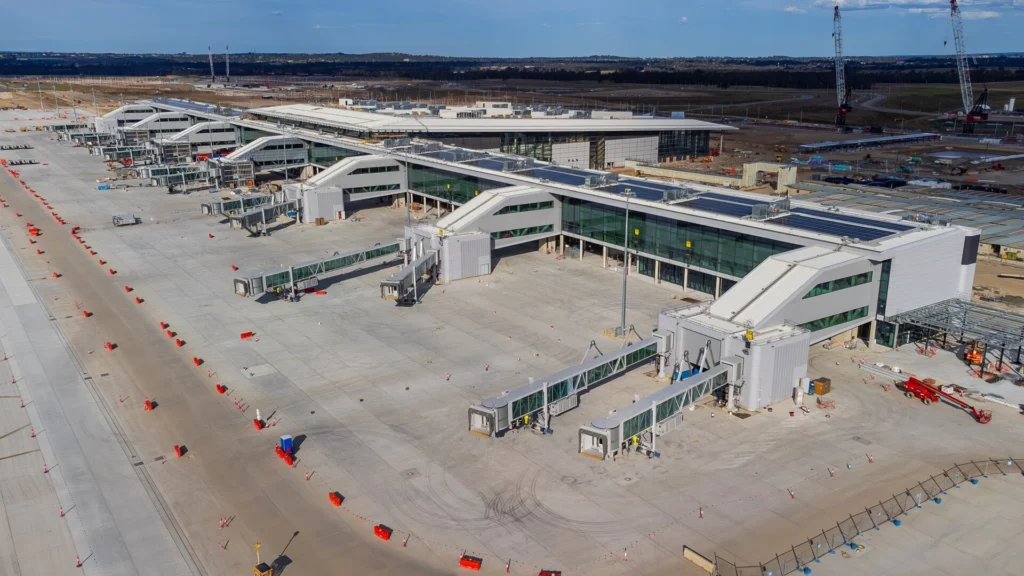
The airport is entering service during a difficult period for the global aviation industry. The Iran War has contributed to concerns about rising fuel costs and airfares, creating further pressure on airline budgets.
Carriers, including Qantas, have responded to industry constraints by cutting or limiting domestic capacity rather than expanding every part of their networks.
Aircraft shortages create another barrier. Airlines have faced delays in receiving new aircraft, while maintenance and supply-chain constraints have reduced the flexibility of existing fleets. These challenges leave fewer spare aircraft available for new routes where demand has not yet been established.
For Western Sydney International, this creates a difficult commercial cycle. Airlines need reliable passenger numbers to justify more services, but passengers are more likely to use the airport when it offers convenient schedules, competitive fares and a broad choice of destinations.
Airport management must therefore attract initial customers while demonstrating to airlines that demand can grow steadily. A larger network could improve the airport’s appeal, but route expansion will depend on individual carriers’ assessments of costs and revenue.
Transport Access Could Influence Passenger Demand
Ground transport is another major challenge for the new airport. Western Sydney International is expected to be more convenient for many residents in Sydney’s west, but passengers travelling from the central business district and eastern suburbs may still find Sydney Kingsford Smith more practical.
The established airport is approximately 20 minutes from central Sydney by taxi or train, while the new airport lies much farther inland. A direct rail connection is not expected to be available when passenger flights begin.
The Sydney Metro Western Sydney Airport line is under construction, with opening targeted for 2027 in current project planning, although delays could push services into 2028.
In the meantime, several temporary transport options will serve passengers:
- Free WSI Link bus: This service connects the airport with St Marys railway station every 30 minutes. Journey time is approximately 30 minutes, with operating hours extending from early morning to midnight or later, depending on the day.
- Local bus services: Routes connect the airport with surrounding centres, including Mount Druitt, Penrith, Liverpool, Campbelltown and Leppington.
- Direct express shuttle: The Super Shuttle WSI service has introduced launch fares of A$55 for a one-way journey to Sydney’s central area. The trip takes about an hour under the travel estimate reported for the service.
Passengers should check current fares, timetables and connections before travelling. Although these services improve access, the absence of a direct airport rail connection could add time and cost for people living outside Western Sydney.
David Levinson, a transport professor at the University of Sydney, has questioned whether the airport’s passenger forecasts are too optimistic given the established airport’s location and accessibility. He argued that the existing airport remains more convenient for many travellers.
Improved transport connections will be important as the airport seeks to expand its catchment area. The planned metro line and continuing road improvements could make Western Sydney International more attractive to passengers once they become operational.
Western Sydney’s Population Offers Long-Term Potential
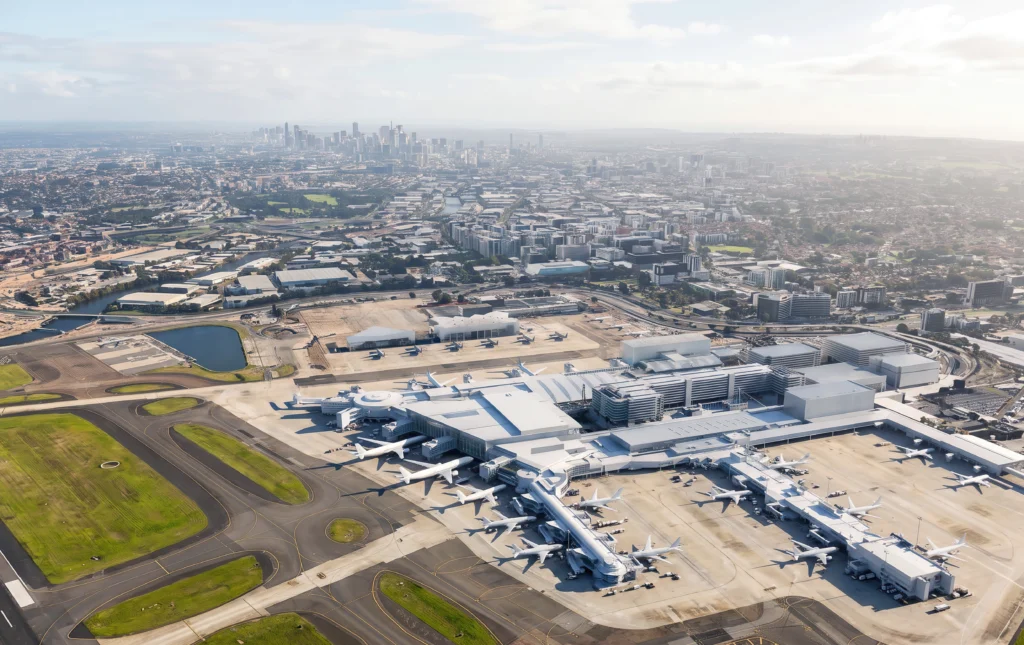
The airport’s business case depends heavily on the growth of Western Sydney. The region is home to a large and diverse population, and its expanding residential areas could generate additional demand for domestic travel and international connections.
According to the airport’s planning projections, Sydney’s population is expected to reach approximately 6.1 million by 2030, with around half of residents living in the west. The airport’s plans also indicate that approximately 40% of Greater Western Sydney’s population was born overseas.
These demographic trends could support travel between Western Sydney and international destinations with established family, business and tourism links. India, China and Vietnam are among the markets identified as having potential to serve the region’s diverse communities.
However, population growth does not automatically guarantee profitable routes. Airlines must assess the number of passengers willing to pay for particular destinations, the strength of demand throughout the year and whether flight schedules suit travellers’ needs.
The airport’s master plan projects annual passenger traffic of approximately 8.4 million by 2030 and almost 20 million by 2045. These forecasts would represent significant growth from the airport’s initial operating period, although the projected figures remain well below the traffic handled by Sydney’s established airport.
The distinction between projected traffic and physical capacity is important. The master plan outlines a long-term nominal capacity of 82 million passengers a year by 2063, along with the ambition for Western Sydney International to become Sydney’s primary air travel hub. This is a long-term development objective, not a guarantee that the airport will achieve that passenger volume.

24 Hour Operations Offer Competitive Advantage
Western Sydney International has an important operational advantage over Sydney Kingsford Smith: it is designed to operate without an overnight curfew. The existing airport is subject to restrictions on aircraft movements between 11 p.m. and 6 a.m., limiting the scheduling options available to airlines.
A curfew-free airport can offer greater flexibility for international flights, including overnight departures and arrivals that connect with services at airline hubs. This feature could help carriers develop schedules that would be more difficult to operate through a curfew-restricted airport.
The new airport is also expected to play a significant role in freight operations. Cargo services began in July 2026, and the airport is intended to accommodate Sydney’s overnight freight movements from November. The ability to operate around the clock could make it more attractive to cargo operators seeking flexible schedules.
These advantages may support growth over time, but operating flexibility cannot replace commercial demand. Airlines will still need profitable routes, and travellers will need affordable fares and convenient ground transport.
The airport’s future will depend on how effectively its operational advantages translate into regular passenger services, stronger airline commitments and a sustainable business model.
Lessons From Other Secondary Airports
The experience of other airports shows that infrastructure investment alone does not guarantee long-term success. Transport and aviation specialists have raised concerns that Western Sydney International could be entering the market before passenger demand fully supports its planned scale.
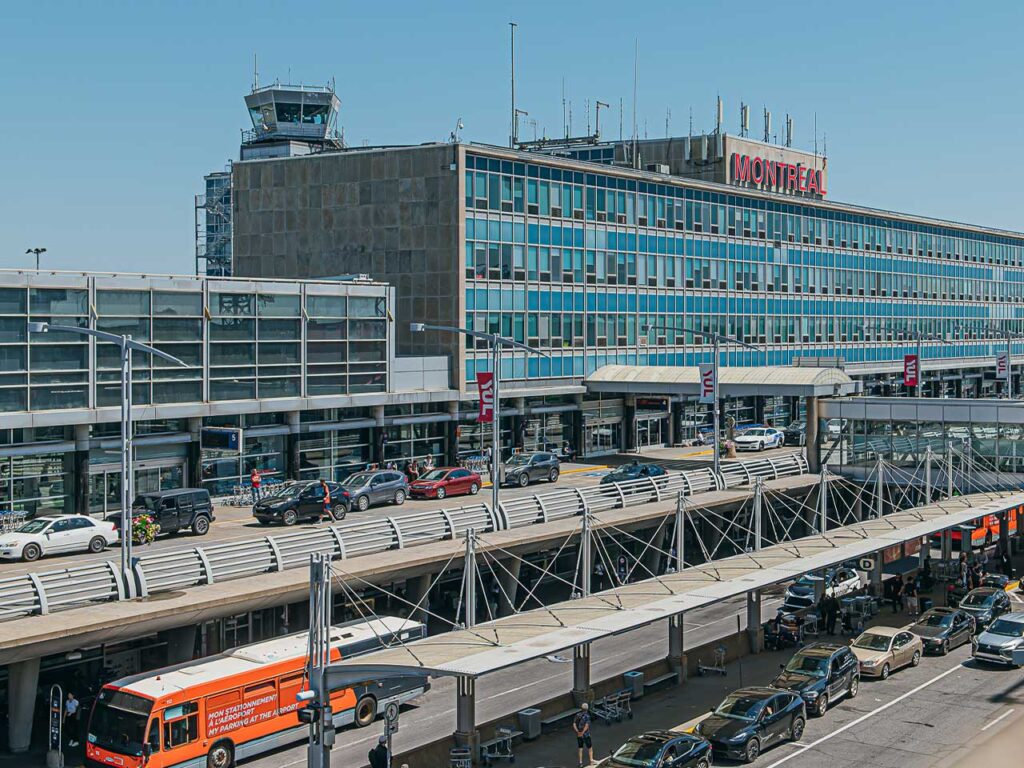
Levinson has compared the project with Montréal–Mirabel International Airport in Canada. Mirabel opened in 1975 ahead of the Montreal Olympics but handled its last commercial passenger flight in 2004. It subsequently became primarily a freight airport, illustrating how a new facility can struggle when passenger demand and transport access fail to match its original ambitions.
A second comparison is Avalon Airport outside Melbourne. Located more than 50 kilometres from Melbourne’s centre, Avalon has operated Jetstar services since 2004 but has never become a major alternative to Melbourne’s principal airport.
Aviation economist Peter Forsyth, a former professor at Monash University, has cited Avalon’s experience when assessing the prospects of Western Sydney International. He expects growth at the new airport to be gradual and has cautioned that the size of its eventual market remains uncertain.
These comparisons do not establish that Western Sydney International will follow the same path. Its population base, operating model and long-term development plans differ from those of other airports. However, they demonstrate the need to match infrastructure with reliable demand, competitive services and accessible transport.
Stephen Beckett, chief executive of Airlines for Australia & New Zealand, has also emphasised that airlines need time to assess demand. Carriers are likely to expand when they see evidence that passengers will use the airport consistently and that the routes can operate profitably.
Can Western Sydney Become Sydney’s Main Airport?
Long-term demand for air travel remains a supportive factor. The International Air Transport Association projected in March 2026 that global passenger demand, measured in revenue passenger-kilometres, would more than double between 2024 and 2050 under its central scenario.
Growth is expected to vary by region, and individual airports will still need to attract passengers and airlines to benefit from this trend.
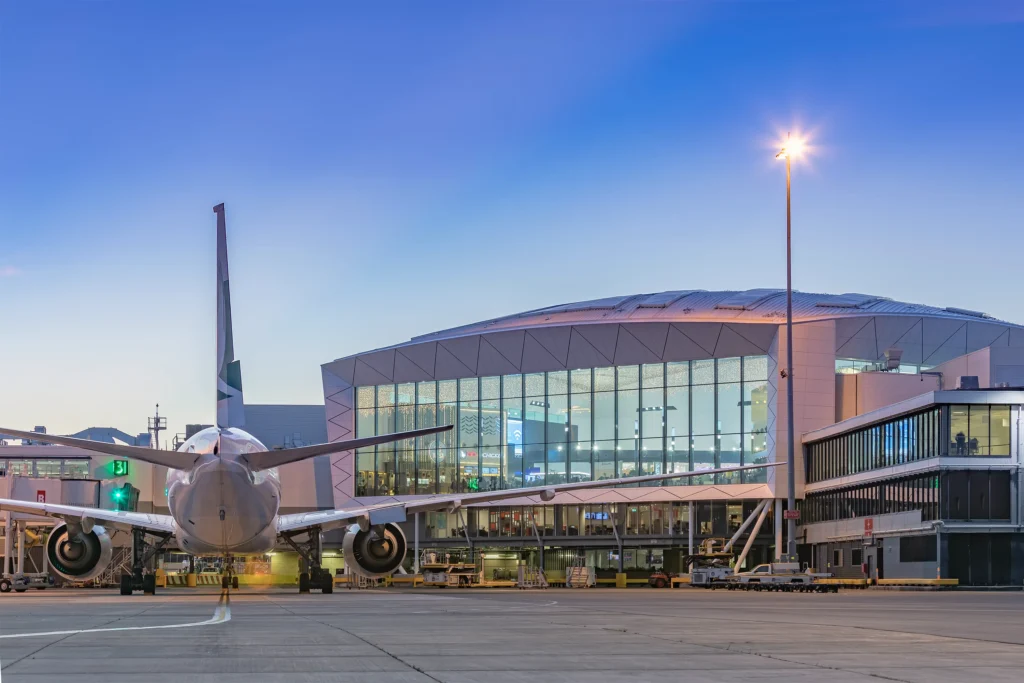
Western Sydney International has several advantages: a large potential catchment area, modern infrastructure, no overnight curfew and room for future expansion. It could become more attractive as population growth continues, public transport connections improve and airlines introduce additional routes.
However, its immediate challenges remain significant. The airport will begin passenger operations with a limited flight schedule, while access from central Sydney will depend on road travel, buses and shuttle services until the metro connection becomes available.
Airlines must also balance the potential of the new market against fuel costs, aircraft shortages and the convenience of the established airport.
Its commercial development is therefore likely to depend on gradual growth rather than an immediate shift in passenger traffic.
The initial years will test whether airlines can establish profitable routes and whether residents are willing to make Western Sydney International part of their regular travel choices.
The opening marks an important milestone in Australia’s aviation infrastructure. Turning that milestone into a successful second gateway for Sydney will require sustained passenger demand, broader airline participation and transport links that make the airport convenient for the region it is designed to serve.
Stay tuned with us. Further, follow us on social media for the latest updates.
Join us on Telegram Group for the Latest Aviation Updates. Subsequently, follow us on Google News
