


SYDNEY- Australian airline Qantas Airways (QF), headquartered in Mascot near Sydney Airport (SYD), plans to affect around 850 Australian corporate roles under a new multi-year outsourcing agreement with consulting firm Accenture. Most of the affected services are expected to move to Accenture teams in India, with some work remaining in Australia.
The changes will initially target finance, procurement, human resources and marketing departments, with the first phase expected to take effect by mid-2027. The partnership forms part of Qantas’ wider strategy to modernise its technology infrastructure and expand its use of artificial intelligence (AI).

Qantas Accenture Partnership Targets 850 Corporate Roles
Qantas announced the new partnership with Accenture on November 10, 2026, informing employees through an internal email from chief executive officer Vanessa Hudson.
The agreement will cover several corporate functions and support the modernisation of the airline’s back-end systems, business processes and data infrastructure.
According to Hudson’s email, the first phase will involve finance, procurement, people and marketing operations. Some services currently handled by Qantas employees will move to Accenture, with the consulting company’s teams in India expected to handle most of the outsourced work.
The remaining services will continue to be delivered by Accenture teams in Australia.
Qantas expects around 850 roles to be affected over the coming years. The first changes are expected to be implemented by mid-2027, although the airline has not disclosed a detailed implementation schedule for individual departments.
Hudson acknowledged the impact on employees and apologised for the uncertainty surrounding the restructuring.
“I know this is hard news for some, and I’m sorry for the uncertainty it brings,” she told employees in the internal communication.

More Than 1,000 Legacy Applications Drive Technology Overhaul
Qantas has linked the restructuring to its plans to simplify its technology infrastructure and improve operational efficiency.
Hudson explained that the airline operates more than 1,000 legacy applications developed over several decades. These systems were not originally designed to integrate with one another, creating complexity across different corporate functions.
The new partnership with Accenture will help Qantas connect its data, modernise existing applications and simplify internal processes.
The airline also expects the agreement to reduce duplication across departments and improve the way its corporate operations function.
Technology and artificial intelligence are central to the transformation. Qantas believes the partnership will provide access to specialist data and AI capabilities that are difficult to recruit at the required pace.
Hudson said the speed of technological change and AI adoption was unprecedented. She indicated that Qantas needed to adapt its operating model rather than continue relying on systems developed for an earlier era.
The airline expects the work transferred to Accenture to undergo further transformation through automation and artificial intelligence over time.
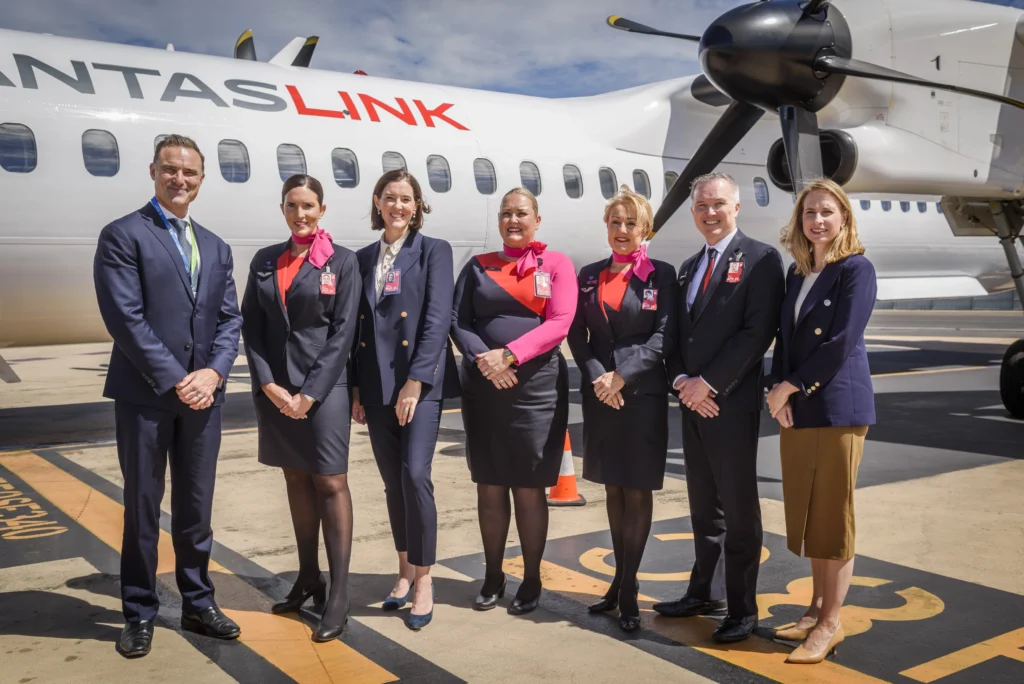
Qantas Plans Employee Redeployment Amid Job Reductions
Although around 850 positions are expected to be affected, Qantas has not disclosed how many employees will face redundancies and how many roles will move directly to Accenture.
The internal communication confirmed that individual employee outcomes had not yet been determined.
The airline will consult affected employees and their union over the coming months. It also plans to consider redeployment opportunities wherever possible, including positions available within its Australian operations.
The proposed changes represent around 3% of Qantas’ Australian workforce of approximately 28,000 employees.
The restructuring will therefore affect a relatively small percentage of the airline’s domestic workforce, but the concentration of changes across corporate departments could have a significant impact on its existing support operations.
Qantas said the changes were intended to improve efficiency and modernise its business rather than reflect the performance or contributions of individual employees.

Australian Services Union Challenges Qantas Outsourcing Plan
The proposed outsourcing arrangement has also attracted criticism from the Australian Services Union (ASU), which represents employees affected by the changes.
The union said Qantas had previously indicated that there were no plans to offshore Australian jobs as part of the Accenture agreement.
ASU Assistant National Secretary Scott Cowen said the announcement was particularly concerning because employees had now been informed that hundreds of positions could be affected by the overseas outsourcing arrangement.
The union said it would work with its members to protect Australian jobs and seek explanations from the airline about the proposed changes.
Qantas rejected the union’s claim that it had provided assurances against offshore outsourcing.
A company spokesperson said the airline had never guaranteed that certain positions would remain in Australia. Qantas also said it had held several meetings with the union over recent months to discuss the possibility of transferring some roles to Accenture teams in India and Australia.
The disagreement highlights the employment concerns surrounding the airline’s technology transformation, particularly as companies increasingly move corporate functions to external service providers.
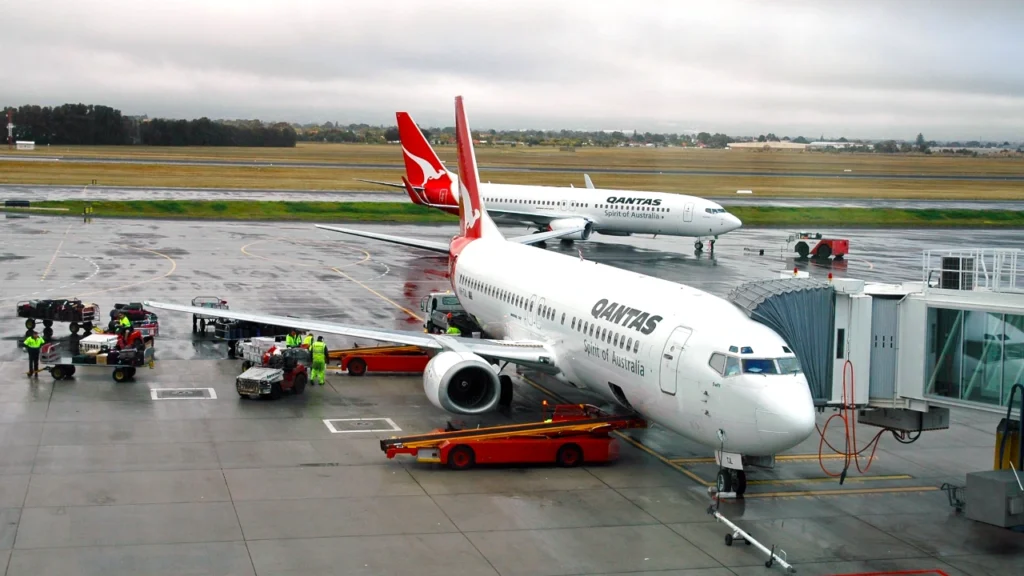
Qantas Restructuring Follows Warning Over Fuel Costs and Capacity
The outsourcing announcement comes shortly after Qantas released a market update on November 6, 2026, highlighting the impact of elevated aviation fuel prices on its operations.
The airline expects its fuel costs for the first half of FY2027 to reach approximately AU$3.75 billion based on current market projections. It also said fuel prices could remain elevated throughout the financial year.
Qantas confirmed that it would continue adjusting airfares and flight capacity in response to higher operating costs.
Its guidance indicated a 3% reduction in domestic capacity across the Qantas Group during the first half of FY2027, while international capacity was expected to increase by 2%. Overall group capacity was forecast to remain unchanged compared with the previous corresponding period.
The market update adds to the operational challenges facing the Australian airline as it manages higher costs, technology investment and changes to its workforce structure.
However, Qantas has presented the Accenture agreement primarily as a technology modernisation and corporate efficiency initiative. The airline has not disclosed the financial value of the partnership or the precise savings expected from the restructuring.
Stay tuned with us. Further, follow us on social media for the latest updates.
Join us on Telegram Group for the Latest Aviation Updates. Subsequently, follow us on Google News
