


GURGURAM- Tata Group-owned Air India (AI) has restored non-stop flights from Mumbai (BOM) and New Delhi (DEL) to the United States, eliminating the technical refuelling stop at Rome Airport. The airline has resumed direct services to John F. Kennedy International Airport (JFK) and Newark Liberty International Airport (EWR) using Iraqi airspace.
The revised flight paths reduce journey times from approximately 21 hours to 18 hours, saving passengers around three hours. The change follows Iraq’s decision to reopen airspace previously reserved for military operations, giving Air India more flexibility to operate long-haul flights to North America.
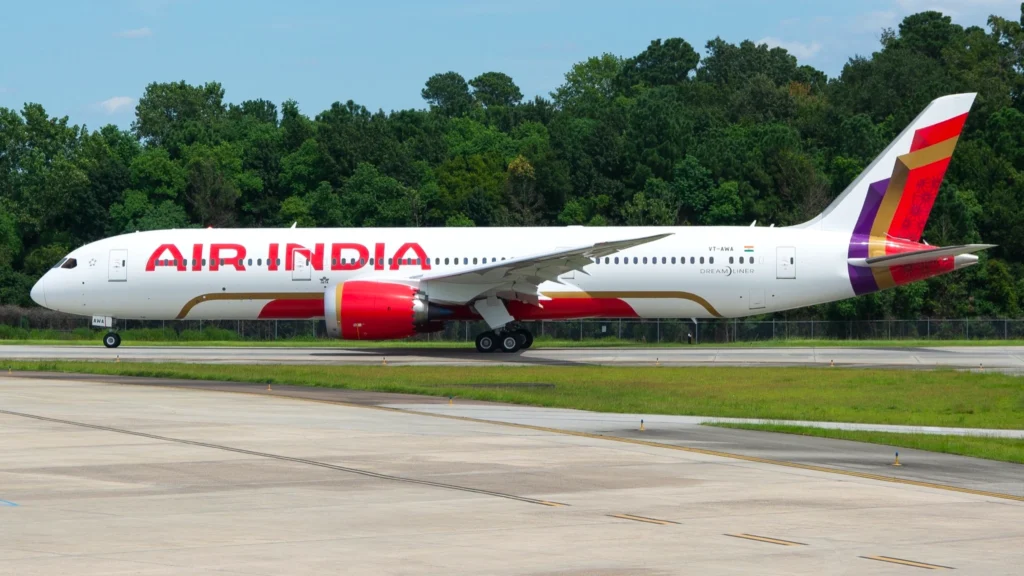
Air India Resumes Direct Flights to the United States
Air India has restored non-stop operations on its four India-US flights connecting Mumbai and New Delhi with New York and Newark. The revised routes allow the airline to bypass Rome, where its aircraft previously made a technical stop to refuel before continuing to the United States.
The airline had introduced the Rome stop after restrictions on Iraqi airspace forced its ultra-long-haul flights to follow longer routes through the Middle East. During the technical stop, passengers remained onboard the aircraft and could not disembark.
The removal of this stop has reduced the overall journey time from approximately 21 hours to 18 hours, according to the reported operating schedule. This restores an important advantage for Air India on the competitive India-US market, where passengers increasingly value shorter journey times and direct connections.
An airline source explained that the carrier previously enjoyed a competitive advantage over major Gulf airlines, including Emirates, Qatar Airways and Etihad Airways, because it could offer non-stop flights between India and the United States.
However, the restrictions on Iraqi airspace forced Air India to introduce an additional stop, reducing that advantage. The latest route change restores its ability to offer a direct travel option.
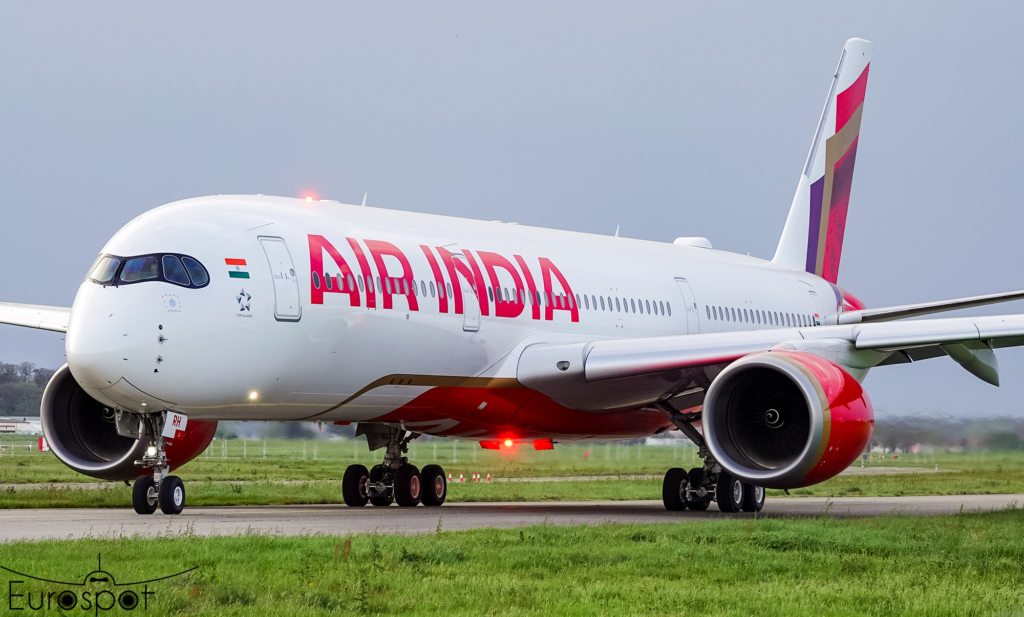
New Flight Path Through Iraqi Airspace
Under the revised routing, flights departing from New Delhi fly over Rajasthan, Gujarat, Oman, the United Arab Emirates, Kuwait, Iraq and Turkey before proceeding towards Europe and the United States.
Mumbai departures follow a similar route after crossing the Arabian Sea and entering the Gulf region.
Previously, Delhi departures travelled over Oman, Yemen and southern Saudi Arabia before heading to Rome for refuelling. Mumbai flights followed a comparable southern routing after crossing the Arabian Sea.
The revised flight path provides a shorter option by allowing aircraft to cross Iraqi airspace instead of following the previous southern route and stopping in Rome.
An Air India official confirmed the development, stating, “We now have more flexibility in our route plans to Western nations due to the increasing options available in global airspace.”
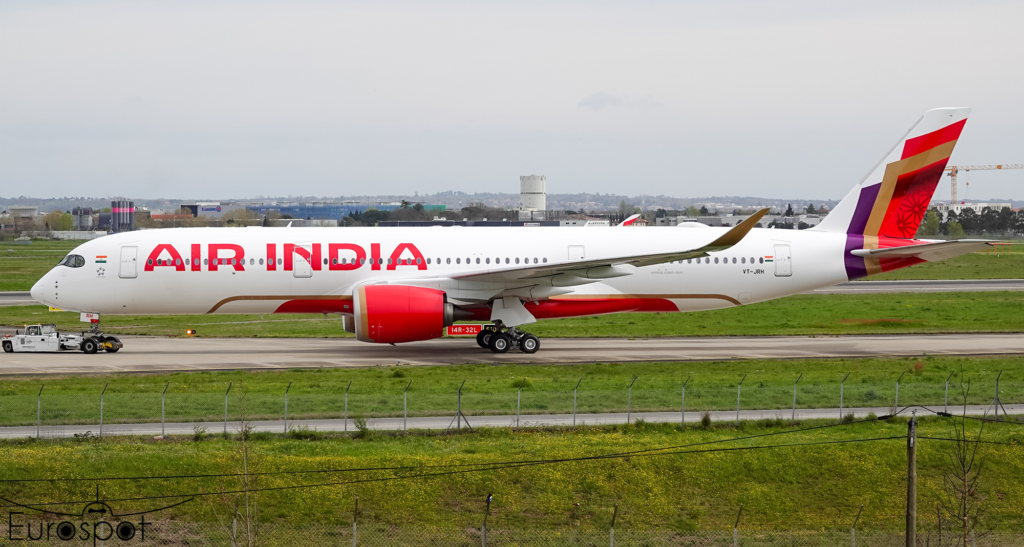
Iraq Reopens Airspace After Years of Military Restrictions
Iraq’s decision to return previously restricted airspace to civilian aviation has played an important role in the latest change.
On September 18, 2026, Iraq announced the reopening of parts of its western airspace that had been reserved for military operations against the Islamic State (ISIS) for approximately a decade.
The restricted areas extended across western Iraq, from Nineveh province in the north to the Anbar desert in the south. These zones had largely supported operations by the Iraqi Air Force and international coalition forces.
Iraq’s aviation authorities confirmed that the previously designated military zones were no longer required for those operations and could be returned to civilian aviation.
The decision is expected to improve international air traffic movements, provide airlines with additional routing options and reduce the need for longer alternative flight paths.
For Air India, access to these airspace corridors has created an opportunity to restore non-stop flights to the US without the earlier technical refuelling stop.

Air India Faces Fuel and Payload Trade-Offs
Although eliminating the Rome stop improves the passenger experience and reduces travel time, the operational benefits do not automatically translate into proportionate fuel savings.
Air India previously needed to carry additional fuel for longer routes and the technical stop. Operating non-stop services also requires aircraft to carry sufficient fuel for the entire journey, subject to operational requirements and safety reserves.
Carrying larger quantities of fuel increases aircraft weight and can reduce the available payload for passengers, baggage and cargo. This creates a trade-off between fuel requirements and the aircraft’s revenue-generating capacity.
An airline source indicated that the payload penalty associated with carrying a full fuel load could offset some of the operating benefits. The airline must balance passenger numbers, cargo capacity and fuel requirements when planning ultra-long-haul services.
However, removing the Rome technical stop also avoids expenses associated with landing, airport charges and ground support at the refuelling point. The overall financial benefit therefore depends on fuel consumption, payload availability and operating conditions.
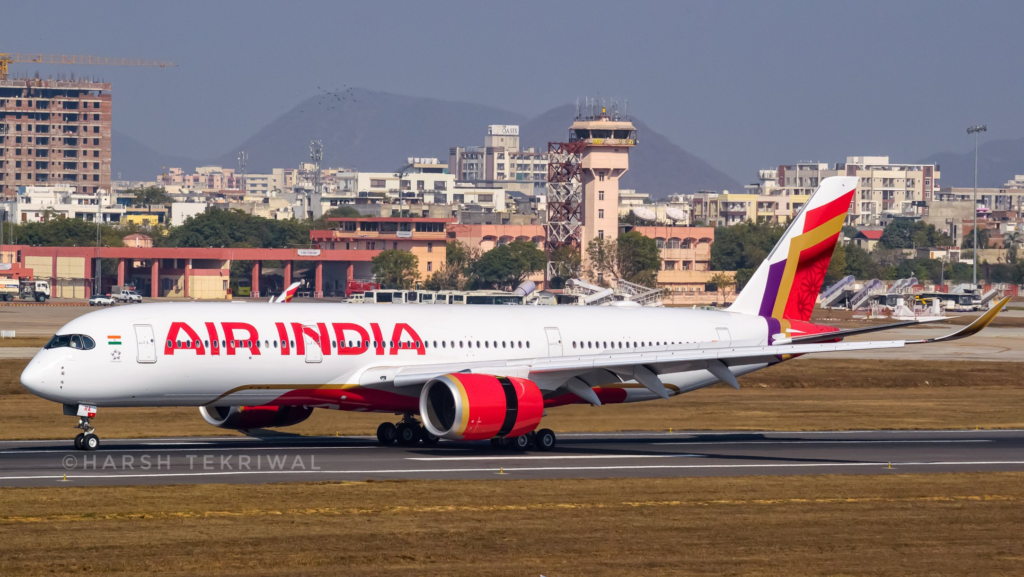
Air India Restores Its Competitive Advantage
The return of non-stop flights strengthens Air India’s position in the India-US market by reducing journey times and removing an additional operational stop.
Emirates, Qatar Airways and Etihad Airways offer extensive connections between India and the United States through their respective Gulf hubs. Air India’s direct services provide an alternative for passengers who prefer to avoid an intermediate connection.
The restored routing also improves convenience for travellers from Mumbai and New Delhi by eliminating the requirement to remain onboard during the Rome refuelling stop.
However, the airline’s ability to maintain these non-stop operations will depend on continued access to suitable airspace and changing geopolitical conditions.
The latest development gives Air India greater flexibility in its long-haul network while restoring an important advantage in the competitive India-US market.
Stay tuned with us. Further, follow us on social media for the latest updates.
Join us on Telegram Group for the Latest Aviation Updates. Subsequently, follow us on Google News
