

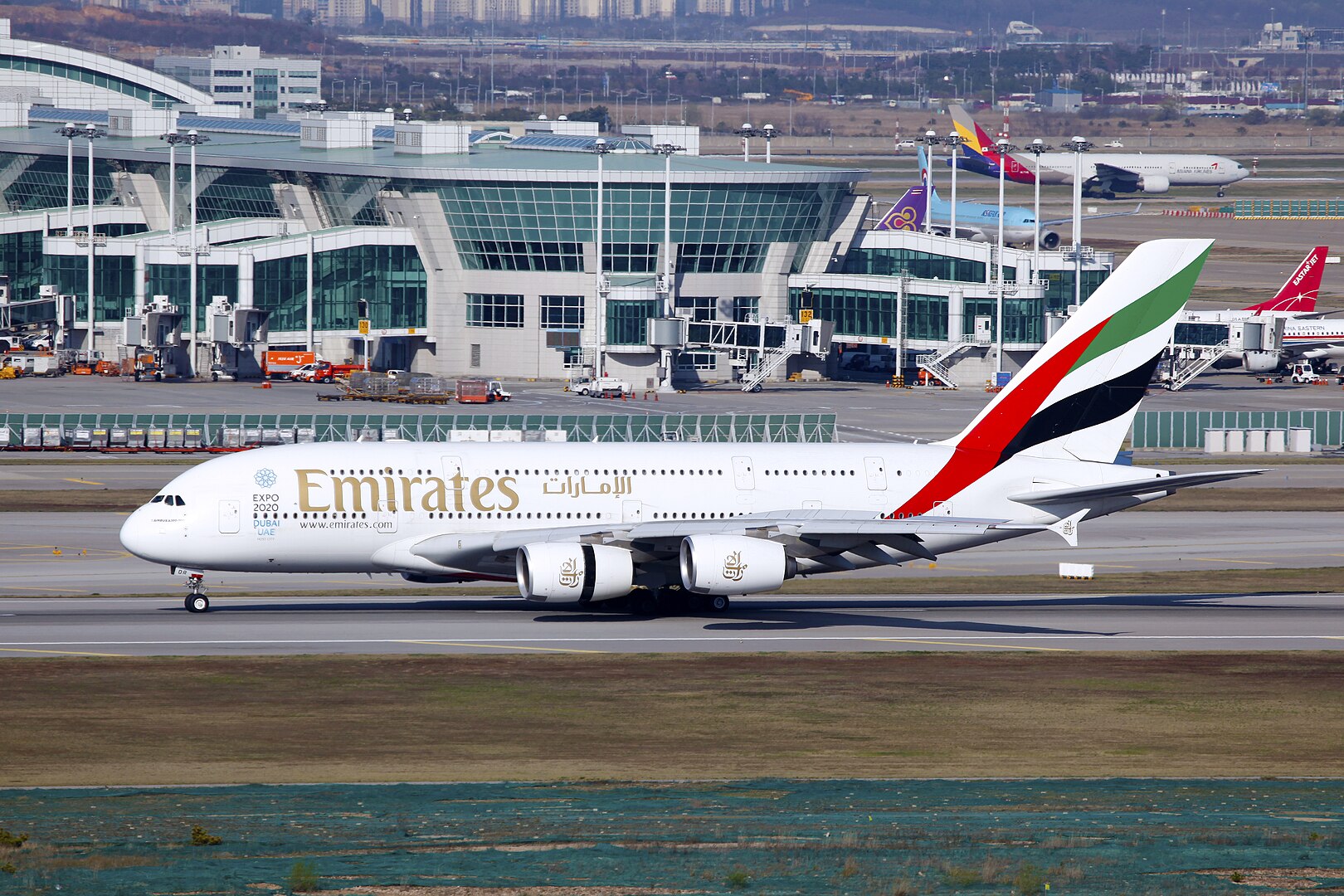
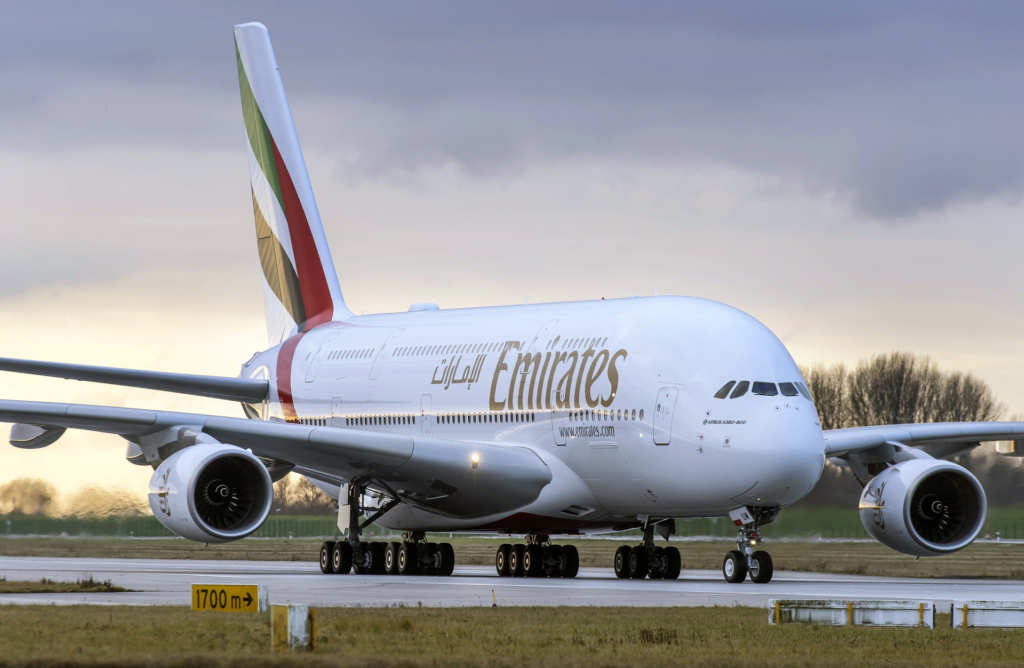
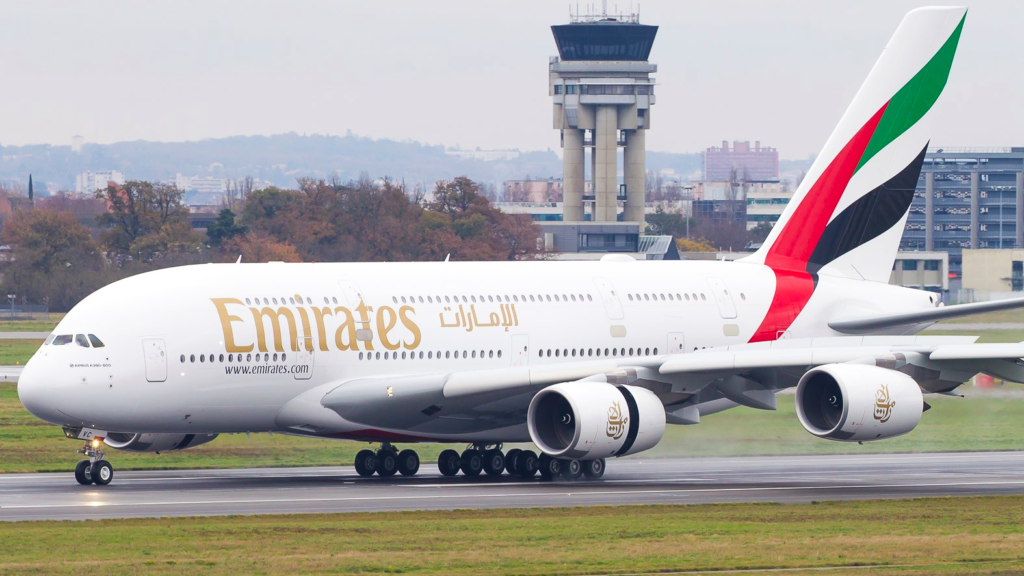
SHANGHAI- Emirates (EK) faced scrutiny after Flight EK302, an Airbus A380, diverted from Shanghai Pudong Airport (PVG) to Hangzhou Xiaoshan International Airport (HGH), leaving 373 passengers onboard for more than 10 hours before they were finally allowed to disembark.
The incident highlighted how international diversion procedures, crew duty regulations, immigration requirements, and aircraft technical issues can combine to create lengthy delays, even after an aircraft has safely landed.
Emirates A380 Remained on the Ground Overnight
Emirates Flight EK302 departed Dubai International Airport (DXB) for Shanghai Pudong Airport (PVG) on July 22 aboard an Airbus A380 carrying 373 passengers.
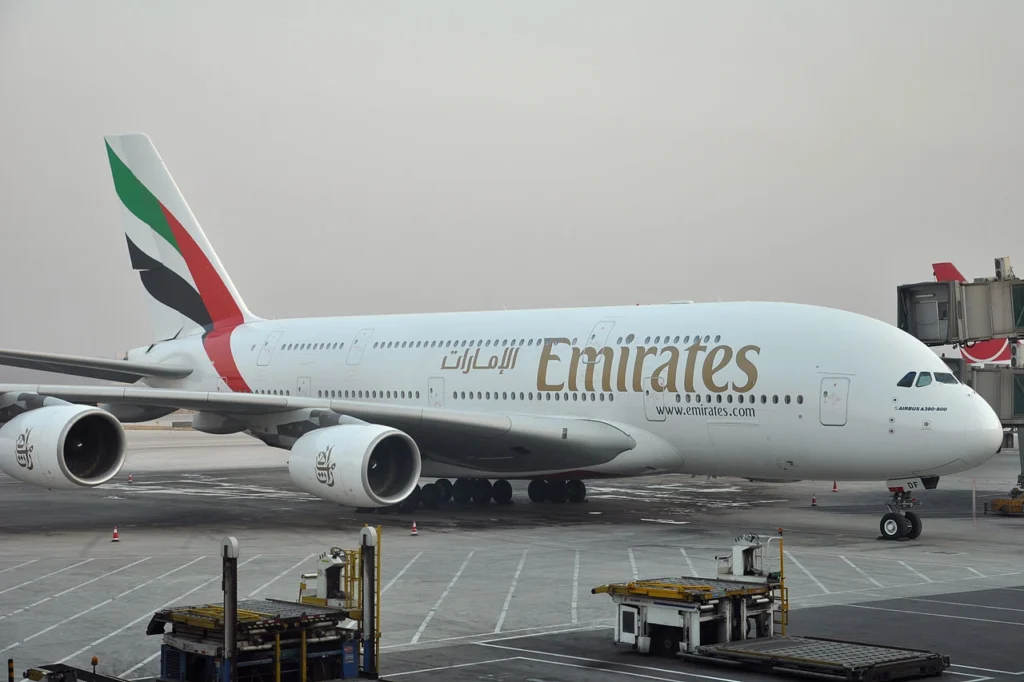
Thunderstorms over Shanghai forced the aircraft to divert to Hangzhou Xiaoshan International Airport (HGH), where it landed at approximately 9:04 p.m. local time. The original expectation was a short refueling stop before continuing to Shanghai.
Instead, passengers remained onboard until approximately 7:30 a.m. the next morning, spending more than 10 hours inside the aircraft before finally entering the terminal.
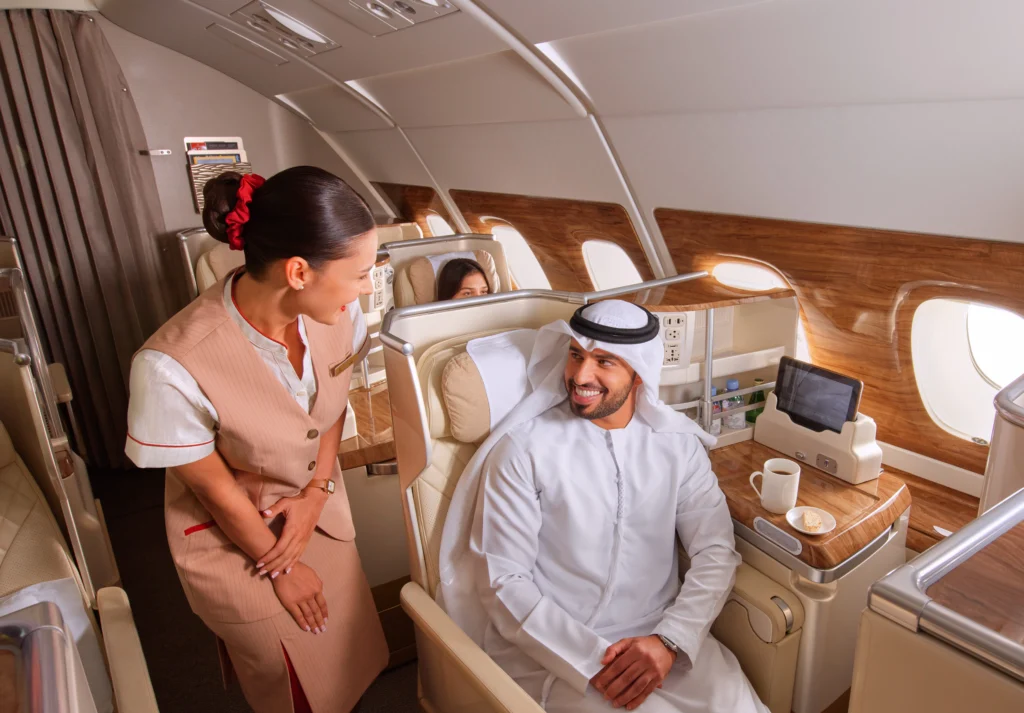
According to local media reports, passengers reported uncomfortable cabin conditions during the overnight delay, including reduced air conditioning, while local emergency services were seen attending the aircraft.
Emirates later apologized and arranged hotel accommodation, meals, and coach transportation to Shanghai for affected travelers.
Crew Duty Limits Changed the Situation
The diversion itself was not expected to create a prolonged delay.
Airport officials indicated that the operating crew exceeded their legally permitted flight duty time after landing in Hangzhou. Once the crew timed out, Emirates needed to send a replacement crew.
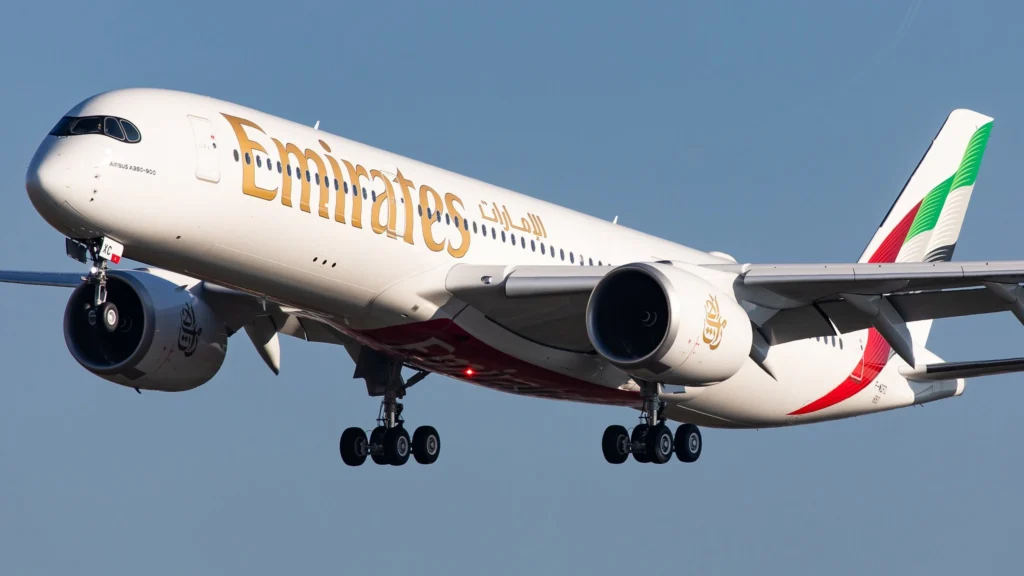
Although Emirates operates scheduled flights to Hangzhou, those services use Airbus A350-900 aircraft rather than the Airbus A380. Pilots are certified for specific aircraft types, meaning available A350 crews could not legally operate the A380.
The nearest qualified A380 replacement crew had to travel from Shanghai, delaying the planned departure further. Airport officials also stated that road speed restrictions slowed the replacement crew’s journey to Hangzhou.
Technical Issue Added Another Delay
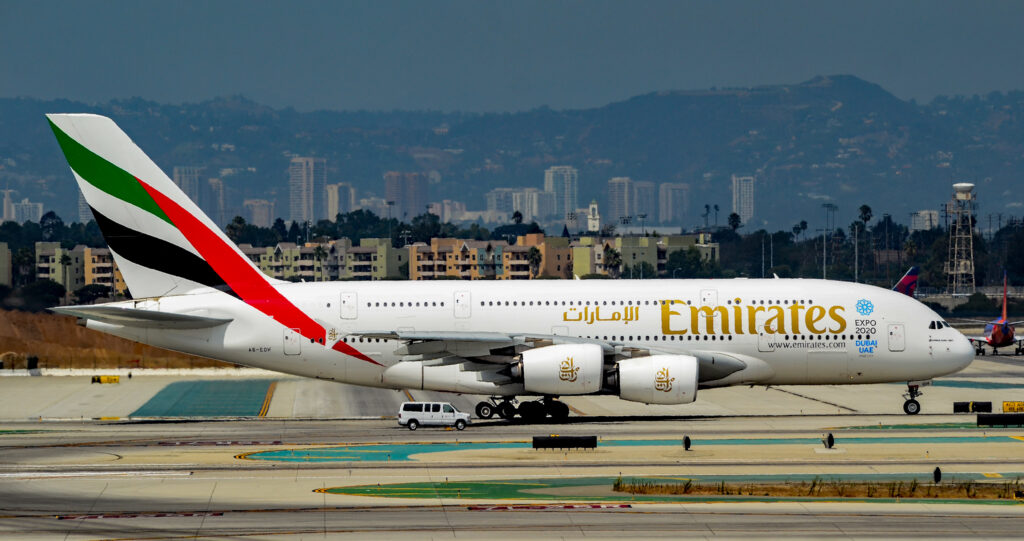
When the replacement crew finally reached the aircraft, engineers reportedly identified a technical issue that prevented the flight from departing immediately.
Emirates has not publicly disclosed the exact nature of the fault.
The airline’s official statement attributed the extended delay to technical reasons but did not specifically address passenger reports that cabin cooling had stopped during the night.
Several passengers told Chinese media they experienced uncomfortable temperatures inside the aircraft, while Emirates customer service reportedly stated it had no information indicating an air conditioning malfunction.
Border Procedures Became Another Major Factor
One of the biggest questions following the incident was why passengers were not allowed to leave the aircraft much earlier.
Emirates stated that reports claiming Chinese border authorities prevented passengers from disembarking were inaccurate.
However, passengers said cabin crew repeatedly informed them that border inspection procedures had to be completed before the aircraft doors could be opened.
The situation reflects how international diversion procedures work. When an aircraft unexpectedly lands in another country, every passenger effectively becomes a potential entrant into that country.
Before passengers can leave the aircraft, immigration, customs, quarantine authorities, and the airline must complete several legal and operational processes. Even when authorities do not explicitly refuse permission, those procedures can take considerable time to organize.
China’s Three-Hour Rule May Not Have Applied
China’s Regulations on Flight Normality Management generally require airlines to allow passengers to leave an aircraft after three hours on the ground if there is no confirmed departure time.
The regulation also requires airlines to provide regular passenger updates, maintain working lavatories, and provide food and drinking water during extended delays.
However, legal experts noted that the regulation primarily applies to Chinese airlines and foreign carriers operating flights originating from or scheduled to stop in mainland China.
Since EK302 originated in Dubai and Hangzhou was only an unscheduled diversion rather than a planned stop, the regulation may not have legally covered this particular situation.
Different Countries Apply Different Passenger Rights
Passenger protections during lengthy ground delays vary significantly between countries.
In the United States, Department of Transportation rules generally require airlines, including foreign carriers, to provide passengers on international flights an opportunity to deplane before a tarmac delay exceeds four hours, subject to safety and operational exceptions.
Those rules also explicitly cover diverted flights landing at alternate U.S. airports.
Because Emirates Flight EK302 diverted within China rather than the United States, those U.S. passenger protection regulations did not apply. Similarly, European Union passenger compensation rules were also not applicable because the flight neither departed from nor arrived within the EU on a qualifying carrier.
Passengers May Still Have Rights Under the Montreal Convention
Although no automatic compensation scheme applies to this incident, passengers may still have legal options.
Both the United Arab Emirates and China are signatories to the Montreal Convention of 1999, which governs airline liability for delays on international flights.
Under Article 19, airlines may be liable for proven financial losses caused by delays if passengers can demonstrate documented expenses such as hotel costs, meals, onward transportation, or missed connections.
The Convention currently limits delay claims to 6,303 Special Drawing Rights per passenger, although compensation depends on actual documented losses rather than fixed payments. Claims generally must be filed within two years of the journey. Emirates has advised affected passengers to submit individual claims through its dedicated online claims portal.
Lessons for International Travelers
The EK302 incident illustrates how weather disruptions can trigger a series of operational complications extending well beyond the initial diversion.
Crew duty limitations, aircraft type availability, immigration procedures, technical inspections, and national aviation regulations all played roles in extending the delay.
For international travelers, the event also serves as a reminder that passenger rights during diversions depend largely on the country where the aircraft lands, not necessarily the airline operating the flight or the passenger’s nationality.
Carrying essential medications, keeping important travel documents readily available, and saving receipts for disruption-related expenses remain important precautions during long-haul international travel.
Stay tuned with us. Further, follow us on social media for the latest updates.
Join us on Telegram Group for the Latest Aviation Updates. Subsequently, follow us on Google News
