

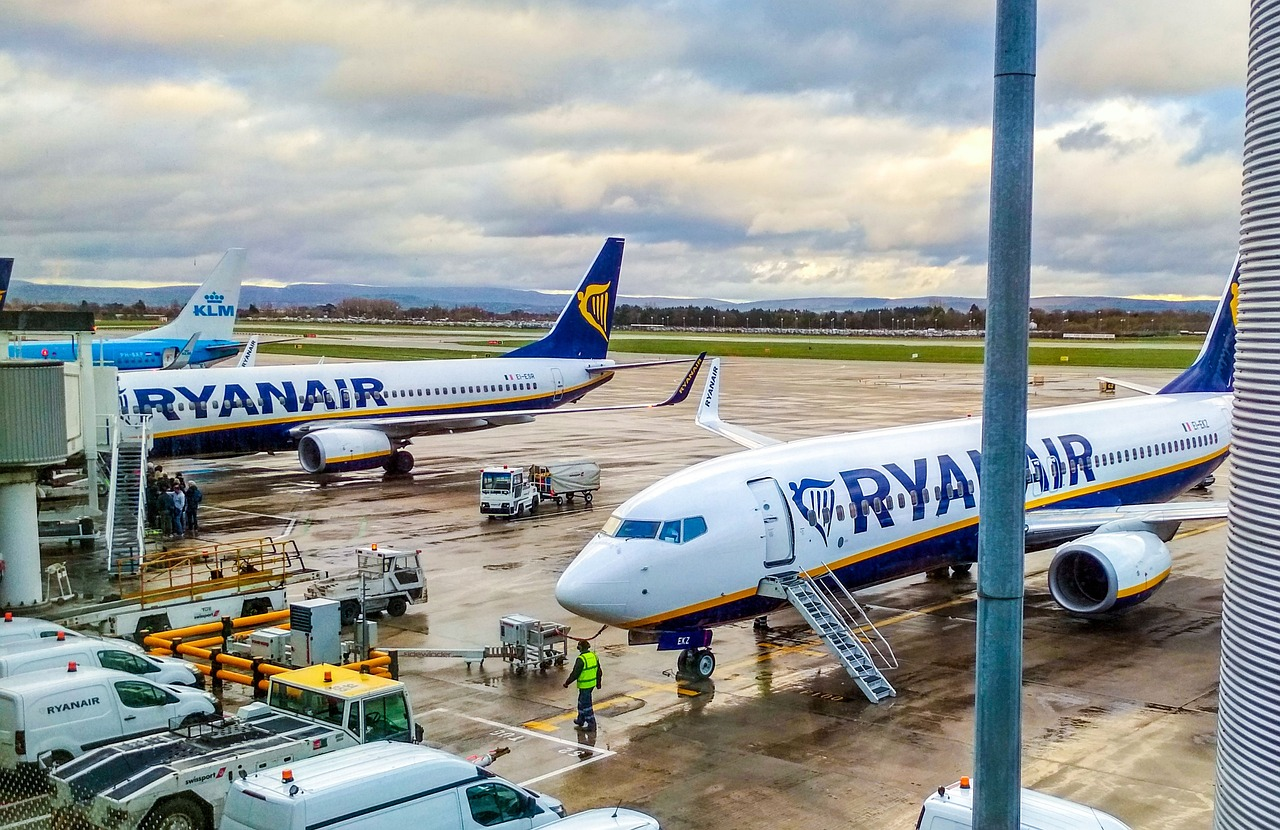
DUBLIN- Ryanair (FR) is reviewing employee wages, cabin crew requirements and administrative operations as it prepares for a sharp increase in jet fuel expenses. The airline warned on November 2, 2026, that continued conflict in the Middle East could keep fuel prices elevated throughout 2027, forcing European carriers to increase ticket prices and reconsider their operating costs.
The Irish low-cost carrier expects its annual fuel expenditure to rise by approximately €2 billion in the financial year ending March 2028. Ryanair believes higher airfares will help compensate for the increase, but the additional revenue may not cover the entire expense, prompting management to examine further savings across its operations.
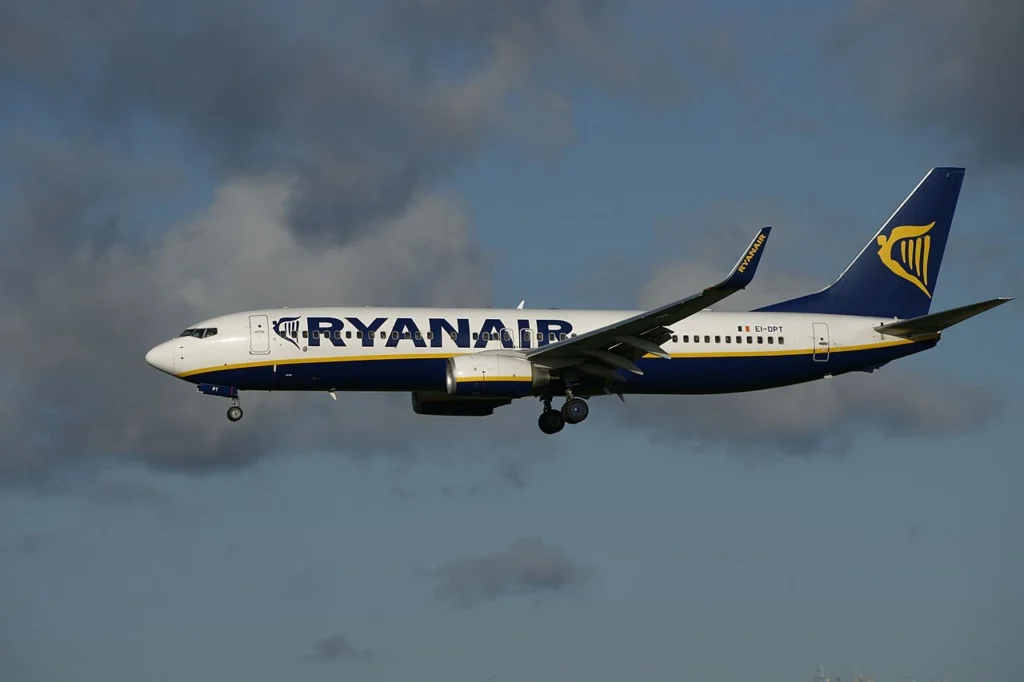
Ryanair Plans Cost Cuts
Chief Executive Michael O’Leary outlined the potential measures alongside the airline’s half-year financial results. Ryanair is reviewing costs across its group, with particular attention to airport agreements, employee contracts, cabin crew staffing and the adoption of artificial intelligence.
The airline could introduce temporary pay freezes for employee groups whose existing labour agreements do not already guarantee salary increases. The proposal would allow Ryanair to limit labour expenses as it faces higher fuel prices and other operating costs.
Another area under consideration involves reducing cabin crew ratios on selected flights. Ryanair typically operates with more cabin crew than the legally required minimum on some services, giving it limited scope to reduce staffing while maintaining regulatory compliance and passenger safety.
The airline also intends to expand AI applications across operational, administrative and back-office functions. Greater automation could improve productivity at its Dublin headquarters and reduce the need for certain support roles, although Ryanair has not announced specific workforce reduction targets.
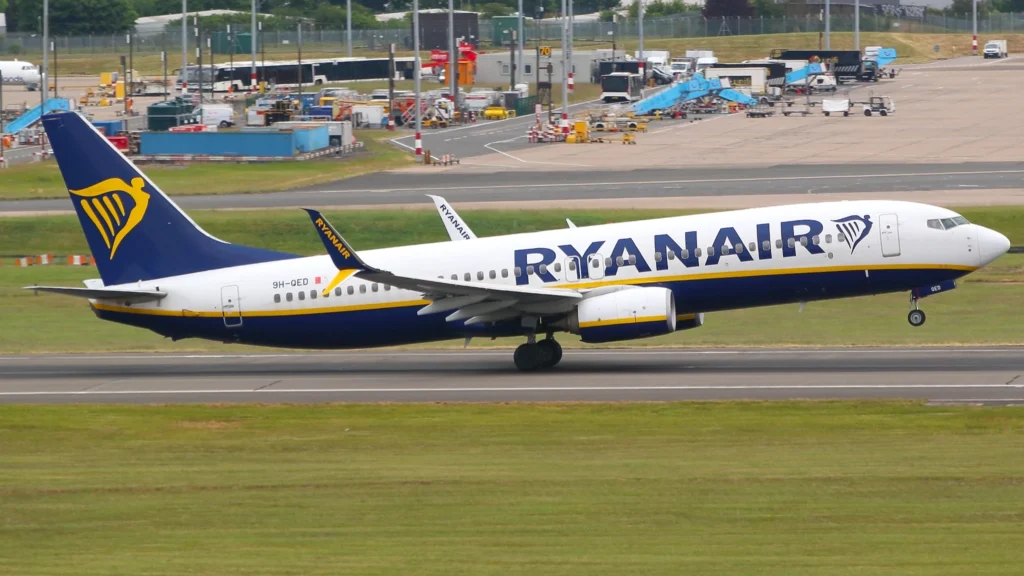
Fuel Hedging Protection Weakens
Ryanair has so far avoided much of the immediate impact of higher fuel prices through its fuel-hedging strategy. The airline secured approximately 80% of its fuel requirements for FY2027 at around $67 per barrel, protecting much of its current financial year from market volatility.
However, this protection will become considerably weaker in the following financial year. As of September 30, Ryanair had hedged only 25% of its FY2028 fuel requirements at approximately $95 per barrel, leaving most of its future consumption exposed to market prices.
The airline said the conflict in the Middle East could keep jet fuel prices high well into 2027 if there is no swift resolution. It estimates that the resulting increase in fuel expenditure could reach €2 billion, equivalent to approximately 33% of its projected fuel bill.
O’Leary expects European short-haul airfares to increase by double-digit percentages as airlines pass higher fuel expenses to passengers. However, Ryanair may require fare increases of around 20% to completely offset the projected fuel cost increase, making additional savings necessary.
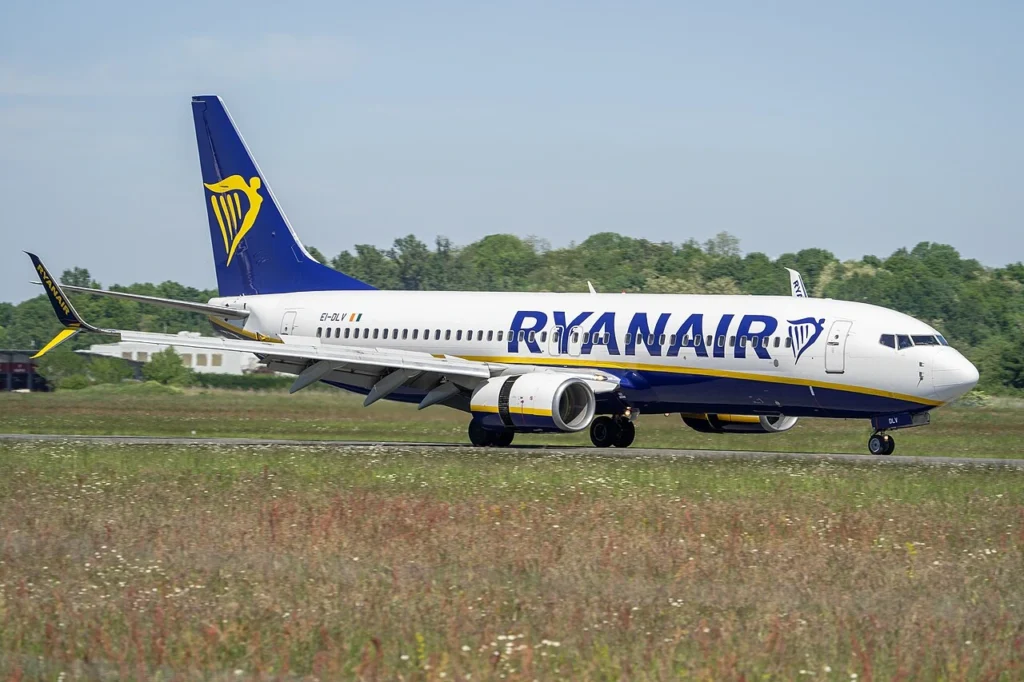
Ryanair’s Profits Decline 15%
The proposed cost reductions come as Ryanair reported weaker profitability during the first half of its FY2027 financial year, despite carrying more passengers.
Between April and September 2026, the airline transported 125.8 million passengers, representing a 6% increase from 119 million during the corresponding period last year.
Its average fare declined by 4% from €58 to €55.70, while the average passenger load factor remained at 95%. Total revenue increased by 3% to €10.08 billion, but operating costs climbed 10% to €7.69 billion as higher fuel expenses affected the airline’s financial performance.
Ryanair recorded an after-tax profit of €2.15 billion for the six months, down 15% from €2.54 billion a year earlier. Its second-quarter profit also declined 6% to €1.61 billion, reflecting the pressure from higher unhedged fuel prices.
The airline expects a challenging environment for European aviation if fuel prices remain elevated. O’Leary has warned that financially weaker competitors could face a difficult winter, particularly as higher operating expenses coincide with pressure on ticket prices.
Ryanair’s review therefore extends beyond employee compensation, with airport negotiations, staffing arrangements and technology investments forming part of its wider response.
The airline has not confirmed which measures it will ultimately introduce or how many positions could be affected by increased automation.
Stay tuned with us. Further, follow us on social media for the latest updates.
Join us on Telegram Group for the Latest Aviation Updates. Subsequently, follow us on Google News
