

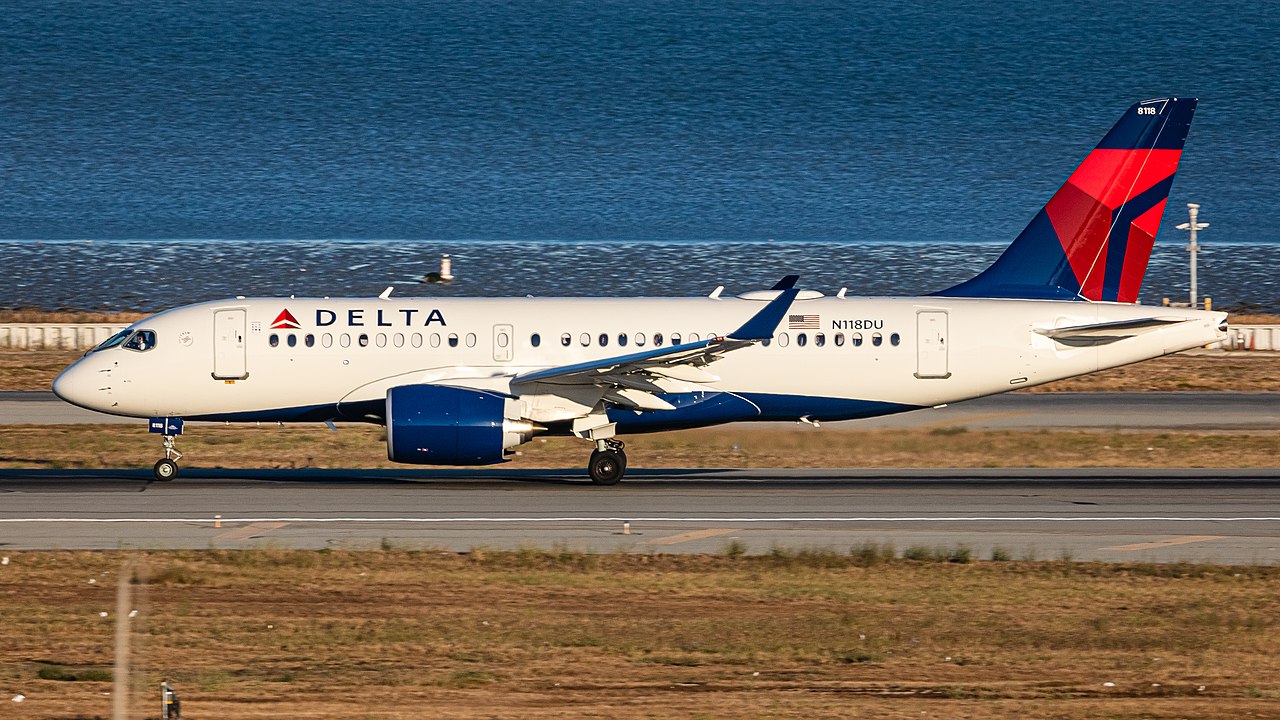
ATLANTA- Delta Air Lines (DL) diverted a flight from Seattle (SEA) to Anchorage (ANC) after cabin crew smelled what they believed was cigarette smoke coming from a rear lavatory.
The pilots declared an emergency and landed at Vancouver (YVR). Maintenance teams later traced the smell to the water heater in one of the aircraft lavatories.
Delta Flight DL928 Turns Back Over Canada
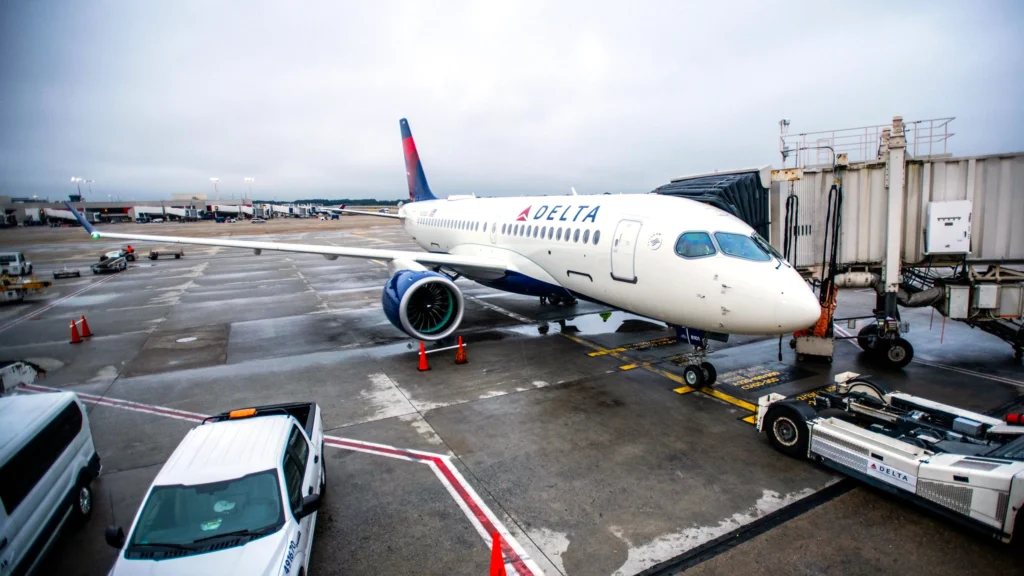
Delta flight DL 928 departed Seattle-Tacoma International Airport (SEA) at around 2:30 PM on July 11 for what was expected to be a routine 3-hour flight to Ted Stevens Anchorage International Airport (ANC).
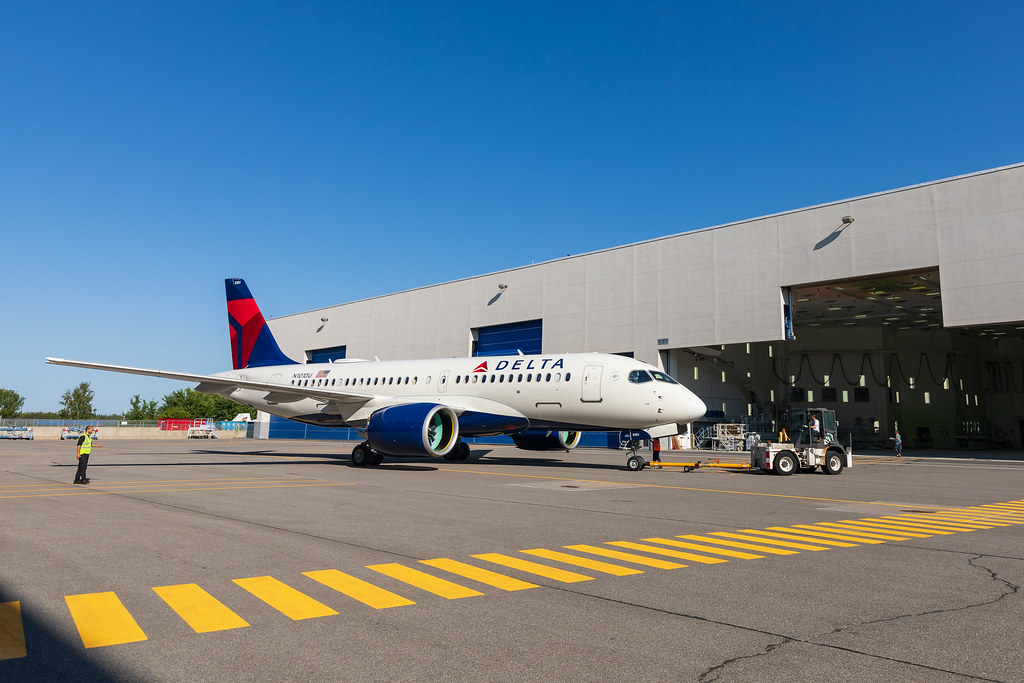
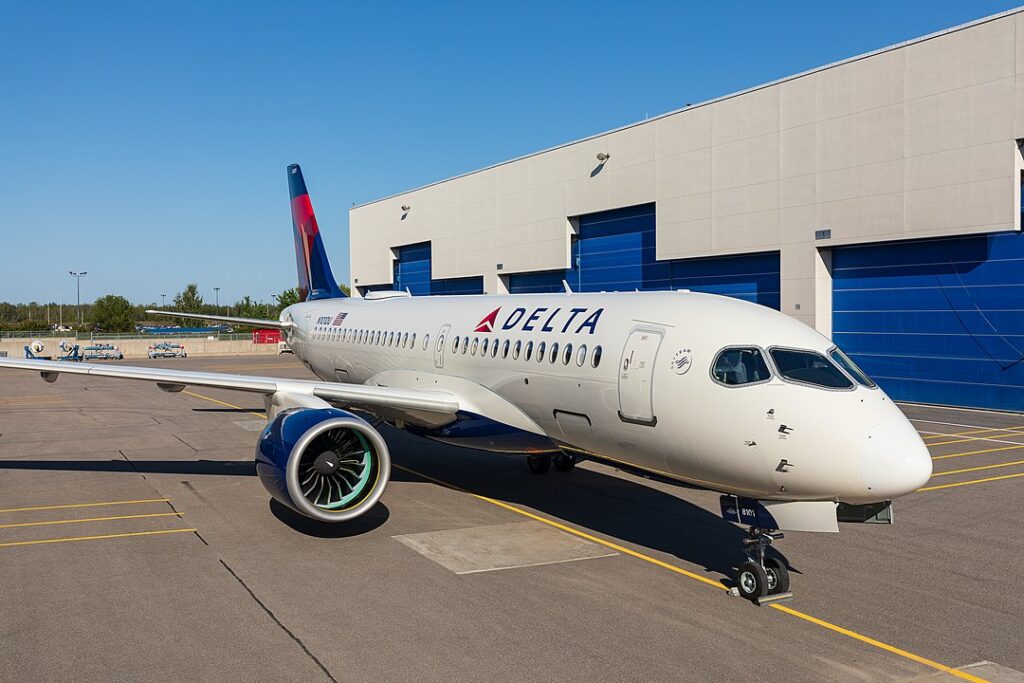
The flight was operated by a 4-year-old Airbus A220 registered N311DU, carrying 136 passengers and crew. The type was originally developed as the Bombardier C Series before Airbus acquired the rights to the program. It is fitted with three lavatories, one at the very front of the cabin and two at the rear.
The event took place on July 11 but only became public weeks later. According to PYOK, aviation accident reporting site The Aviation Herald obtained a report on the occurrence from Canadian accident investigators.
While the aircraft was cruising at 32,000 feet en route to Anchorage, flight attendants reported smelling what seemed to be cigarette smoke coming from one of the lavatories at the back of the aircraft.
The smell grew stronger and began to affect crew members and passengers seated toward the rear of the cabin. Cabin crew inspected the lavatories and found no one inside and no evidence that anyone had been smoking.
With the source unidentified and conditions in the cabin worsening, the pilots declared an emergency and requested a diversion to Vancouver International Airport. The crew performed a mid-air U-turn to get the aircraft on the ground as quickly as possible.
Delta A220 Water Heater Identified as the Cause
After the aircraft landed in Vancouver, maintenance teams carried out a thorough inspection of the lavatories to find the source of the odor.
The inspection determined that the water heater supplying the hot water faucet in the left-side lavatory had caused the smoke-like smell. That lavatory is well known among A220 passengers for its window view.
The finding ruled out smoking on board and confirmed that the odor came from cabin equipment.
Why Airlines Treat Smoke and Fume as Emergencies
Any smoke, fire, or fume event, known within the aviation industry as an SFF incident, is treated as a worst-case scenario for both flight attendants and pilots.
A crew cannot tell from an odor alone whether the cause is a minor equipment fault or a developing fire. That uncertainty is why the response is immediate rather than investigative.
The primary objective for flight attendants during an SFF incident is to identify the source and isolate it. Pilots focus on getting the aircraft on the ground as quickly as possible.

Why Aircraft Lavatories Receive Special Attention
Airplane lavatories are a particular concern because smoke, fire, or fumes can quickly engulf the enclosed space before anyone realises, even with sensitive smoke detectors fitted inside.
Flight attendants are trained to check a lavatory following a smoke detector alert for evidence of cigarette smoking. Depending on the airline, they may also be tasked with switching off any power sources inside the lavatory, including the water heater.
Incidents of this kind remain very rare. On DL928, the decision by the pilots to divert proved to be the right call once the true source of the smell was identified on the ground.
The A220 was ferried back to Seattle the following day without any passengers on board. The aircraft returned to service within hours.
Stay tuned with us. Further, follow us on social media for the latest updates.
Join us on Telegram Group for the Latest Aviation Updates. Subsequently, follow us on Google News
