

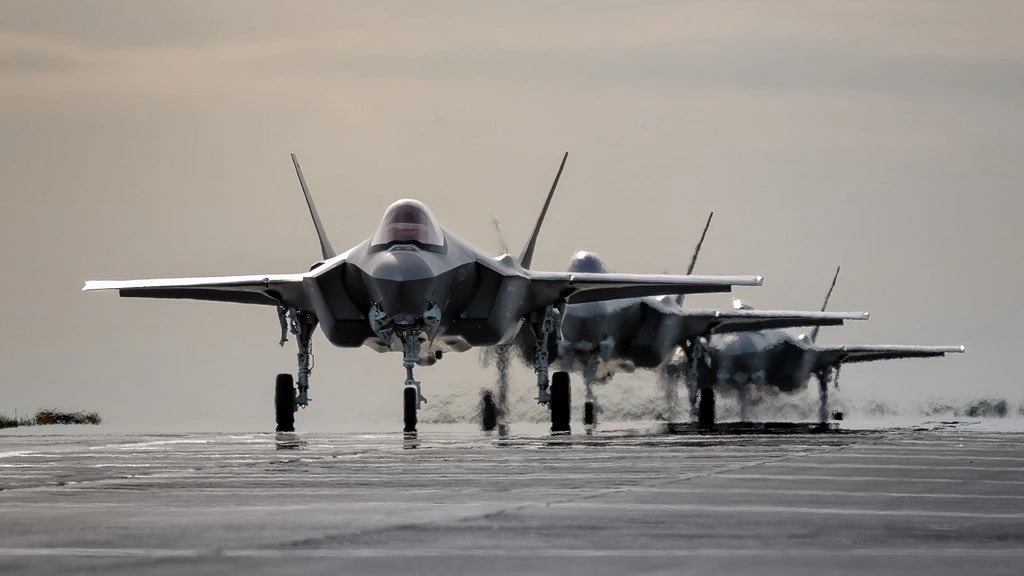
ANKARA— Turkey is intensifying efforts to offload its Russian-made S-400 air defense system in a bid to rejoin the American F-35 program, and from the capital city of Ankara (ESB), the Ministry of National Defense has confirmed that “multilateral work” is now underway.
Reports suggest the systems could be sold to a third country, though officials say the public will be informed once concrete steps are taken.
Qatar and the United Arab Emirates have emerged as potential buyers, with Doha (DOH) named as the leading candidate.
However, defense analysts remain skeptical that a sale alone would clear Turkey’s path back to the stealth fighter program, warning that the strategic and legal obstacles run far deeper than the hardware itself.
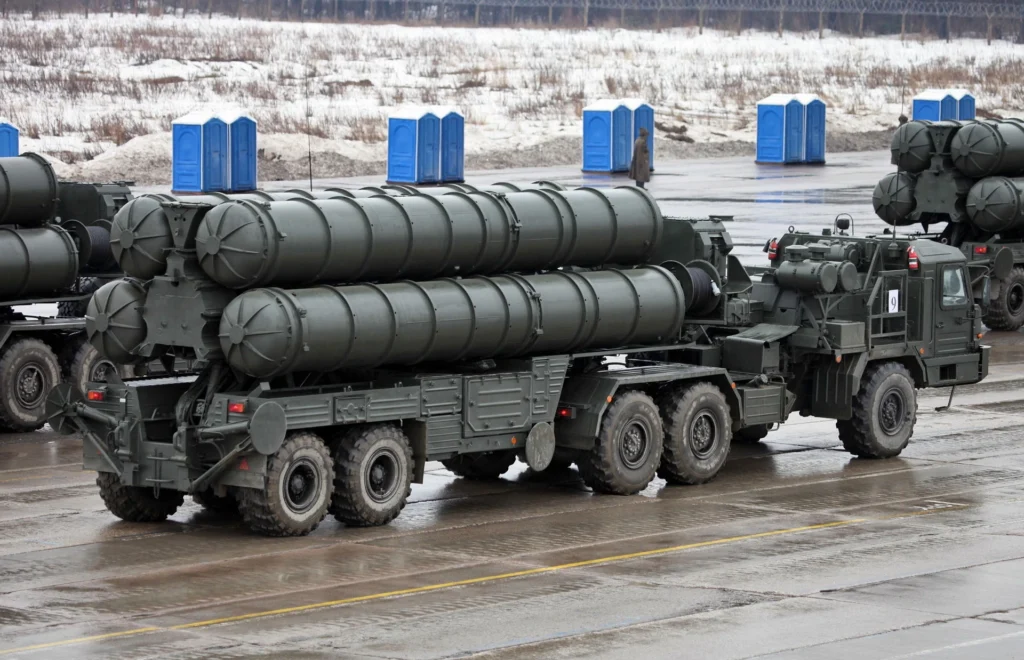
Why Turkey Wants To Offload The S-400
Turkey was a founding member of the F-35 program and invested heavily in it before the United States expelled Ankara from the consortium and imposed CAATSA sanctions over the S-400 purchase.
Washington’s rationale was straightforward. Operating the Russian S-400 alongside the American F-35 could compromise sensitive stealth technology.
Ankara now appears eager to relinquish the Russian system to make room for the F-35, especially as it steadily loses its regional air-power edge. Both Israel and Greece have already acquired the stealth fighter, sharpening the pressure on Turkey to act.
Over the years, Ankara has weighed several options to create conditions for its return to the program. These included keeping the S-400 inactive, storing it at a US base, selling it to a third country, or returning it to Russia. Notably, the system was never activated or integrated into the Turkish air defense network, as Ankara continued to pursue the F-35.
How Turkey Ended Up With The Russian System
The Recep Tayyip Erdogan government risked buying the S-400 because it urgently needed a long-range air defense system amid rising security threats.
Advanced NATO-origin systems sought by Ankara, including the Patriot and SAMP/T, were either denied or delayed.
According to a report by the EurAsian Times, Ankara also pursued closer ties with Moscow following the 2016 coup attempt, amid mutual suspicions with Washington and other Western allies.
Trump’s Assurances And The Congressional Reality
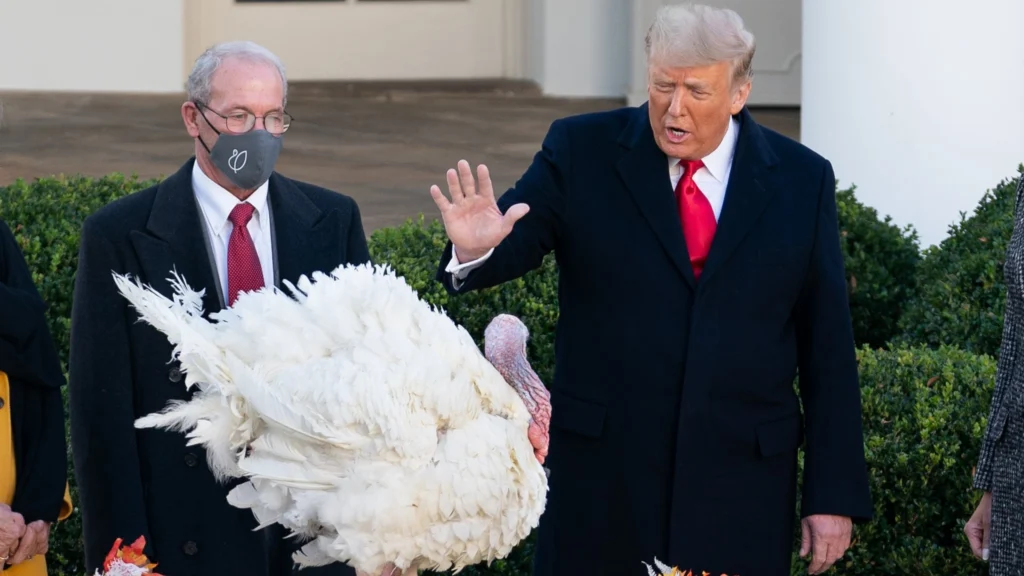
Speaking alongside Erdogan after arriving in Ankara for the NATO leaders’ summit on July 7, US President Donald Trump said, “We’re going to lift the sanctions. We don’t want to sanction our friends. I don’t want to choke my friend with sanctions.”
When asked whether the F-35 would finally be sold to Turkey, Trump said, “That’s a decision we’re going to make… It’s a great plane, the best plane by far, and it’s certainly something we will consider.”
A Bloomberg report citing unidentified Turkish officials stated that the US could deliver a batch of 6 F-35s, depending on when sanctions are lifted. Erdogan separately expressed confidence that Washington would support the sale.
Still, the process is far from simple. Trump must formally inform Congress that the S-400s are non-operational, that Turkey no longer owns them, and that Ankara promises not to forge similar ties with Russia in the future. If Congress is not persuaded that these legal conditions have been met, the matter may move to a vote.
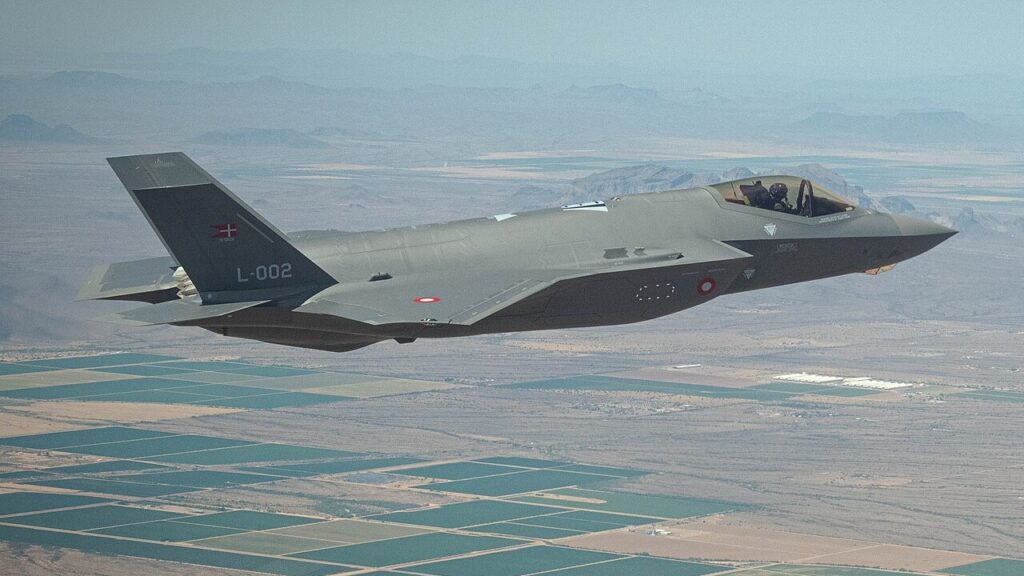
Why A Sale To Qatar May Not Solve The Problem
Shay Gal, former Vice President of External Relations at Israel Aerospace Industries (IAI), told the EurAsian Times that a transfer would not settle the core issue. “Qatar is Ankara’s closest military ally in the Gulf. Yet even an S-400 transfer to Qatar would not restore Turkey to the F-35 program,” Gal said.
He added, “Washington has already built safeguards against cosmetic divestment. I was directly involved in that effort. Relocation (to Qatar) does not erase the exposure, the record or Turkey’s strategic incompatibility with the West’s most sensitive combat aircraft.”
A section of experts believes the S-400 issue is not solely about the physical hardware, but about an irreversible exposure risk.
Russian specialists were reportedly involved in setting up the system in Turkey, raising concern that they may have gathered information about the F-35 until 2019, when Ankara was still part of the consortium. Many US officials therefore believe the compromise risk is permanent.
Qatar’s position adds another layer of difficulty. The Gulf state hosts the Al Udeid military base, one of the most important US military facilities in the world.
“A Qatari transfer would not neutralize the S-400. It would transplant a Russian system into Turkey’s closest Gulf defense network and the country hosting Al Udeid. That is strategic laundering, not disposal,” Gal said.
Gal also stressed the limits of presidential authority. “The United States is not its president. Whatever Trump promised Erdogan, and whatever he signed, neither promise nor signature delivers an aircraft. Trump can promise. The state must deliver. That state is Congress, the Pentagon, the intelligence community, export law, and the security review system. What some deride as the ‘deep state’ is the state itself: institutions built to stop one man’s commitment from becoming a strategic fact. Trump may weaken them, but he cannot abolish law, procedure, or time,” he said.
He further noted that the timeline works against Ankara. “Any Turkish return will face scrutiny, conditions and delay. The F-35 pipeline spans years: congressional review, contracting, production allocation, configuration, testing, training, infrastructure, and certification. Trump’s term will expire before Turkey receives a single F-35,” Gal said.
The disposal strategy also depends on Russia’s approval. “Moscow will consent only if the transfer preserves Russian leverage, access or compensation,” Gal said.
Israel And Greece Push Back
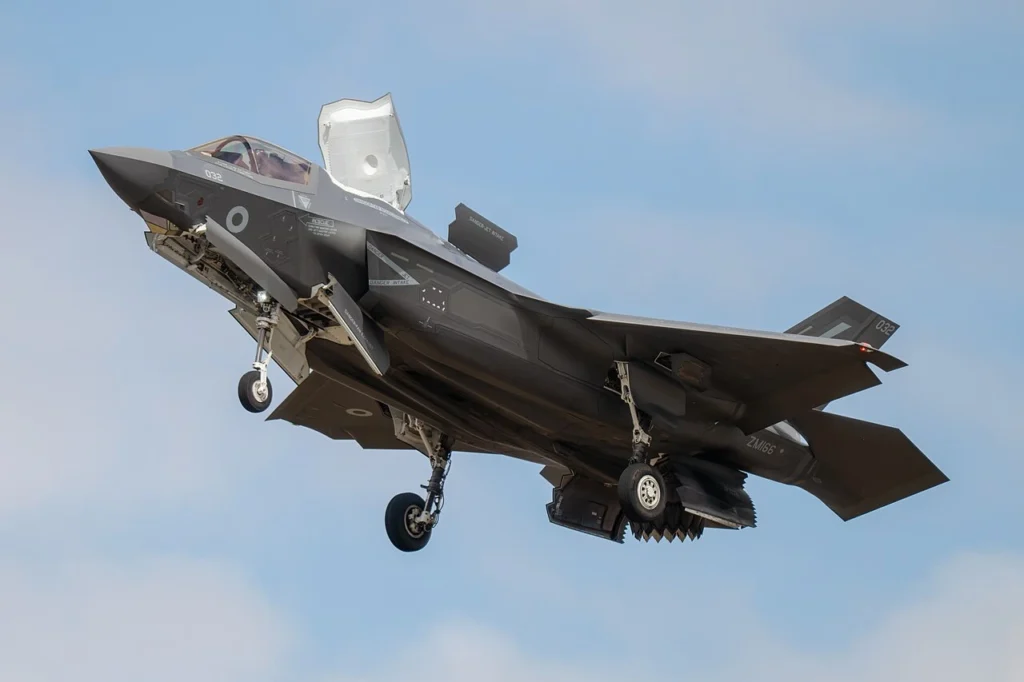
A potential F-35 sale to Turkey has drawn opposition from both Israel and Greece, Ankara’s two major regional rivals. Israeli Prime Minister Benjamin Netanyahu said he urged Trump not to sell the jet to Turkey, telling CNN that doing so would “destroy the power balance in the Middle East.” Tel Aviv believes the sale would upset the Qualitative Military Edge promised by the US to Israel.
Greek Defense Minister Nikos Dendias voiced similar concern, saying, “Greece will not be pleased if Turkey acquires the F-35s, or if Turkey acquires the engines for next-generation aircraft.”
Gal argued that Turkey would not close the gap with either rival. “Turkey will not leapfrog Greece, whose first aircraft are scheduled for 2028 and whose pilots will train in the United States. Nor will it overtake Israel, whose third squadron of 25 additional F-35Is will begin arriving in 2028 at a rate of three to five aircraft annually,” he said.
Israeli opposition carries significant political weight in Washington, particularly among pro-Israel lawmakers in Congress. Combined with Greek concerns and lawmaker skepticism about Turkey’s reliability, it creates a difficult environment for any sale, even if Ankara offloads its S-400s.
The Road Ahead
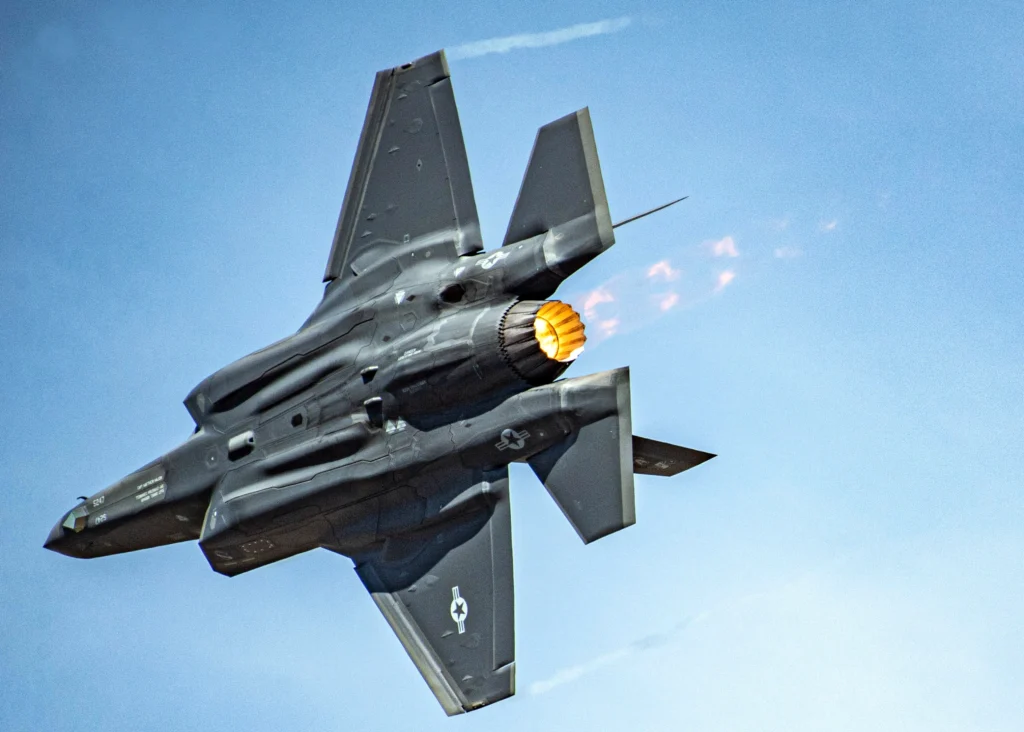
Several US lawmakers have publicly opposed transferring the F-35 to Turkey based on mere relocation of the S-400.
Analysts argue that verified divestment might remove the technical risk, but it would not restore strategic trust, especially as Ankara maintains a relatively warm relationship with Moscow through projects such as TurkStream and its first nuclear plant.
“The S-400 may leave Turkey. The strategic problem will not,” Gal concluded.
Stay tuned with us. Further, follow us on social media for the latest updates.
Join us on Telegram Group for the Latest Aviation Updates. Subsequently, follow us on Google News
