

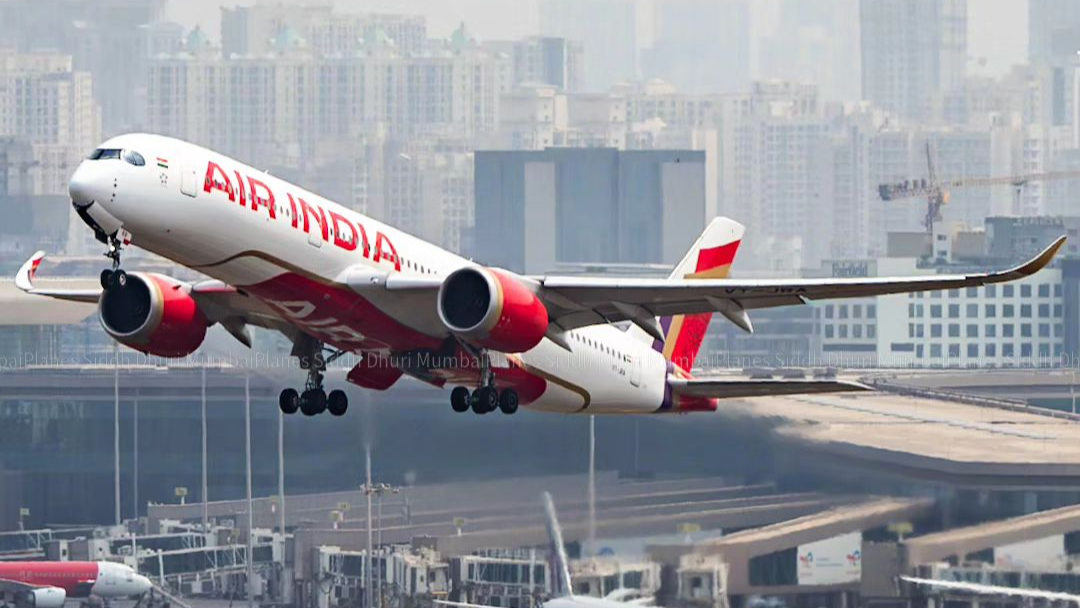
NEW DELHI- Tata Group-owned Air India (AI) expects to restore most of the domestic and international capacity it temporarily suspended during the summer from September, marking the end of a three-month network rationalisation prompted by operational and geopolitical challenges.
The announcement was made by the airline’s Chief Commercial and Transformation Officer, Nipun Aggarwal, during a tourism conference organised by the Federation of Associations in Indian Tourism & Hospitality (FAITH) in New Delhi (DEL).
Aggarwal said the airline had reduced capacity only between June and August and confirmed that flights scheduled from September had remained available for booking throughout the period.
While most routes are set to return, services to Chicago O’Hare (ORD) and Washington Dulles (IAD) will continue to remain suspended because of limited aircraft availability.
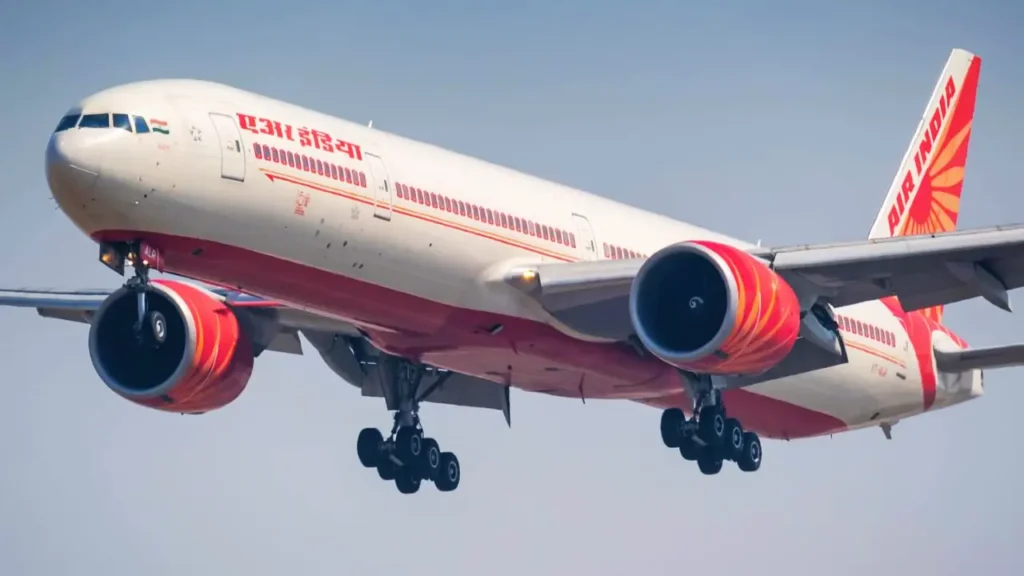
Air India to Restore Capacity in September 2026
Air India said the temporary reductions were always planned as a short-term measure, with services from September onward never removed from its reservation system.
According to Aggarwal, the carrier has already placed the majority of its September schedule on sale, allowing passengers to book well in advance.
The airline also expects European operations to return to normal from September as frequencies across several international routes are progressively restored during August. Newark Liberty (EWR) is among the destinations that will regain additional frequencies as more aircraft return to service.
However, Chicago and Washington will remain unavailable for the time being. Aggarwal attributed the continued suspension to aircraft shortages caused by an ongoing fleet retrofit programme, delays in new aircraft deliveries, and the retirement of older Boeing 777-200LR aircraft.
He added that deliveries of new aircraft, including the Airbus A350-1000, are expected to begin toward the end of this year, The Hindu Business Line reported.
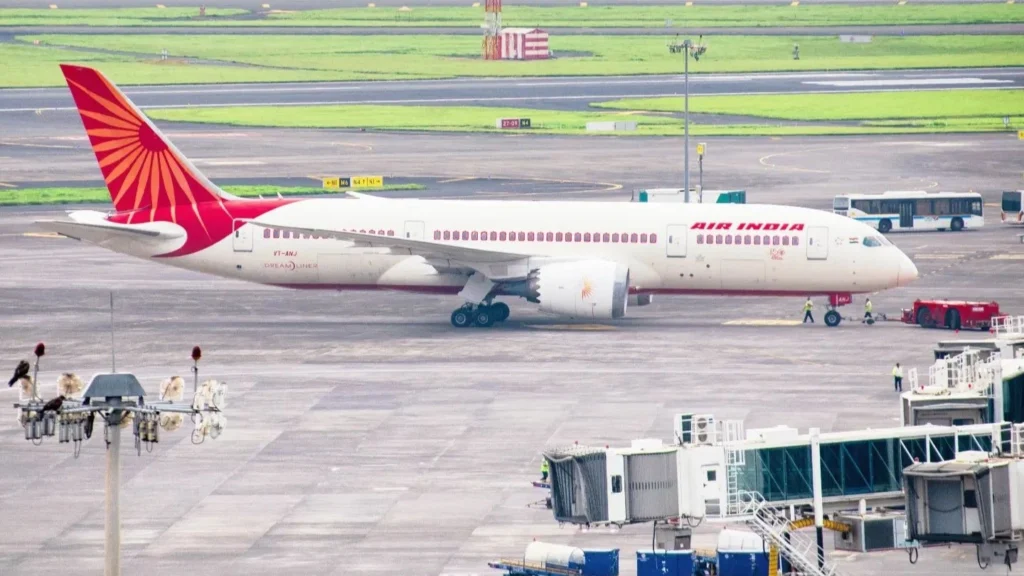
Air India’s Fleet Recovery
The airline continues to face operational pressure from the closure of Pakistan’s airspace, which remains its biggest challenge on international operations.
Although Iranian and Iraqi airspace have reopened, reducing some operational complexity, Pakistan’s restrictions continue to force longer routings on several flights.
Aggarwal said Air India is rebalancing its network wherever possible but has limited flexibility until geopolitical conditions improve.
He also clarified that the airspace restrictions have not affected the airline’s long-term fleet expansion because aircraft orders have already been placed.
According to the airline, several wide-body aircraft are currently unavailable as they undergo cabin retrofits. Combined with delivery delays from aircraft manufacturers, this has temporarily reduced the number of aircraft available for scheduled operations.
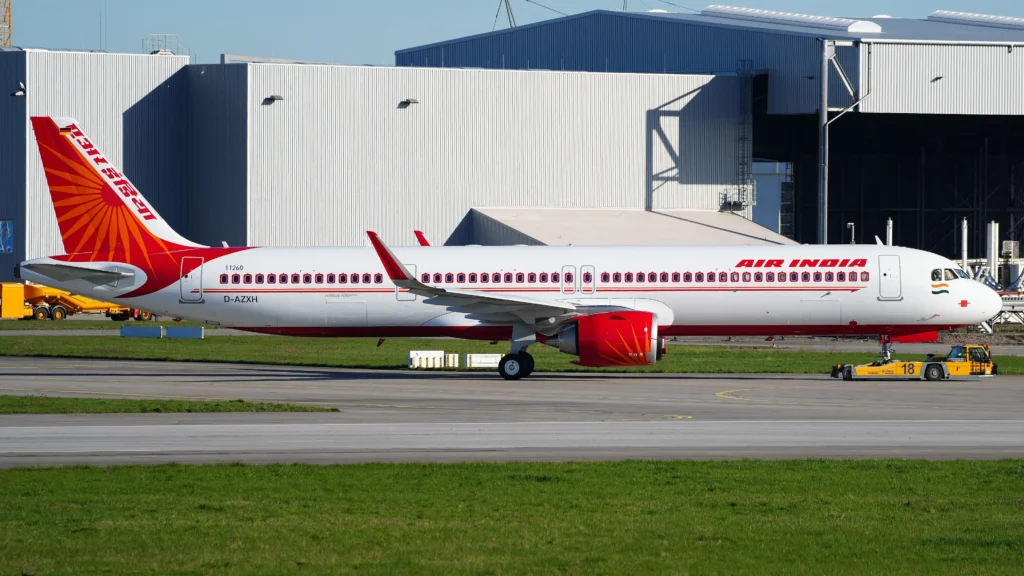
Airfare Outlook for India’s Flag Carrier
At the peak of the schedule adjustment, Air India reduced domestic capacity by approximately 10% to 15%. Aggarwal said these reductions are already being reversed as more aircraft return to operation, while passenger demand has remained resilient despite the temporary cuts.
The airline had introduced the rationalisation programme in May, affecting selected routes across North America, Europe, Australia and Asia.
Despite the reductions, Air India continued operating more than 1,200 international flights every month across five continents.
Aggarwal also indicated that airfares are likely to moderate as additional capacity returns to the market and jet fuel prices ease.
He stressed that the airline has not changed its pricing model, explaining that fares continue to be determined primarily by market demand and available capacity rather than any internal pricing adjustment.
Stay tuned with us. Further, follow us on social media for the latest updates.
Join us on Telegram Group for the Latest Aviation Updates. Subsequently, follow us on Google News
