

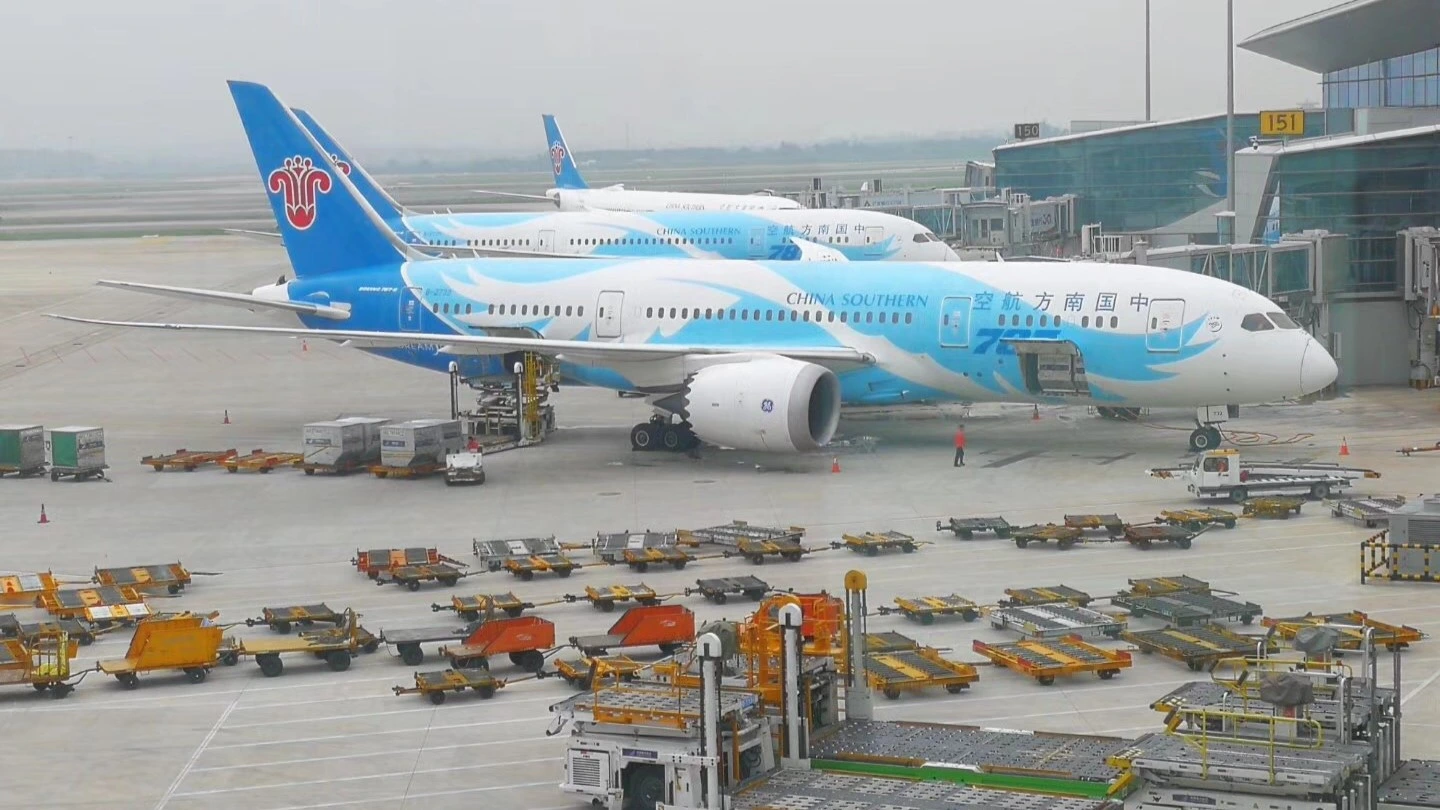
TOKYO— China’s three largest state-owned airlines, China Southern Airlines (CZ), Air China (CA), and China Eastern Airlines (MU), expect to report combined first-half net losses of between 7.37 billion yuan and 8.97 billion yuan ($1.09 billion and $1.33 billion).
The sharp decline comes after soaring aviation fuel prices triggered by the ongoing conflict in the Middle East.
The earnings outlook marks a significant reversal for the carriers, which had collectively returned to profitability during the first quarter of 2026.
Despite stronger travel demand and expanded international operations from major hubs such as Beijing (PEK), Shanghai (PVG), and Guangzhou (CAN), rising operating costs erased those gains during the second quarter.
Chinese Airlines Fuel Costs Surge Amid Conflict
The three airlines estimate combined second-quarter losses of between 12.2 billion yuan and 13.8 billion yuan, reflecting the financial impact of elevated jet fuel prices.
The carriers attributed the deterioration primarily to geopolitical tensions that pushed global oil prices sharply higher from March onward.
China Southern expects the largest first-half loss, ranging from 3.47 billion yuan to 3.97 billion yuan. The airline said volatile aviation fuel prices placed enormous pressure on the industry despite efforts to improve operational efficiency and manage costs.
Air China forecast a first-half loss of between 2.1 billion yuan and 2.6 billion yuan after swinging from a profitable first quarter into a substantial second-quarter deficit. China Eastern also warned that higher fuel expenses would likely result in a first-half loss of up to 2.4 billion yuan.
State Support Continues Amid Losses
The financial pressure comes even though Chinese airlines retained a competitive advantage on Europe routes by continuing to use Russian airspace, allowing them to operate shorter flights than many Western rivals.
However, the fuel savings from these routes were not enough to offset rapidly increasing operating expenses.
Analysts noted that foreign exchange gains from the weaker U.S. dollar against the Chinese yuan helped soften the financial blow during the second quarter. Without those currency benefits, the combined losses would have been even greater.
To strengthen their balance sheets, the major carriers have continued to receive capital support from their state-owned parent companies.
China Southern recently secured approval to raise up to 15 billion yuan through an equity offering, while Air China completed a 20 billion yuan capital increase and announced additional investment in Shenzhen Airlines.

Recovery Remains Uncertain
Industry analysts expect difficult trading conditions to continue through the third quarter as airlines face slowing passenger demand, weaker ticket yields, and persistently high fuel prices.
While China’s largest state-owned airlines remain under pressure, several smaller carriers are still expected to post profits, although significantly lower than last year because of the same cost challenges.
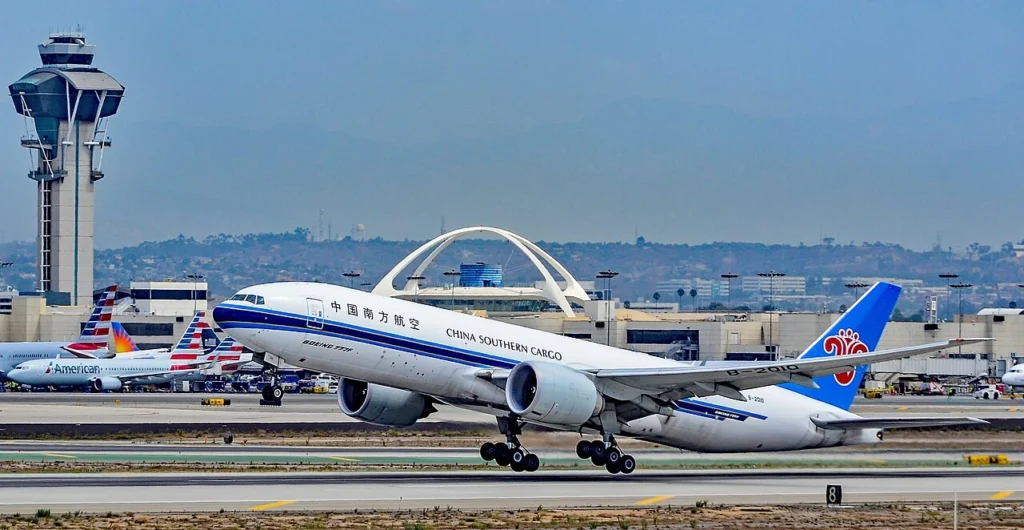
China Southern has continued investing in long-term fleet growth despite the weaker earnings outlook, recently announcing plans to acquire five Boeing 777-8F freighters and two Boeing 777F cargo aircraft, Nikkei Asia reported.
Analysts believe the investment reflects confidence in future cargo demand, even as near-term profitability remains under strain.
Stay tuned with us. Further, follow us on social media for the latest updates.
Join us on Telegram Group for the Latest Aviation Updates. Subsequently, follow us on Google News

.jpg)