

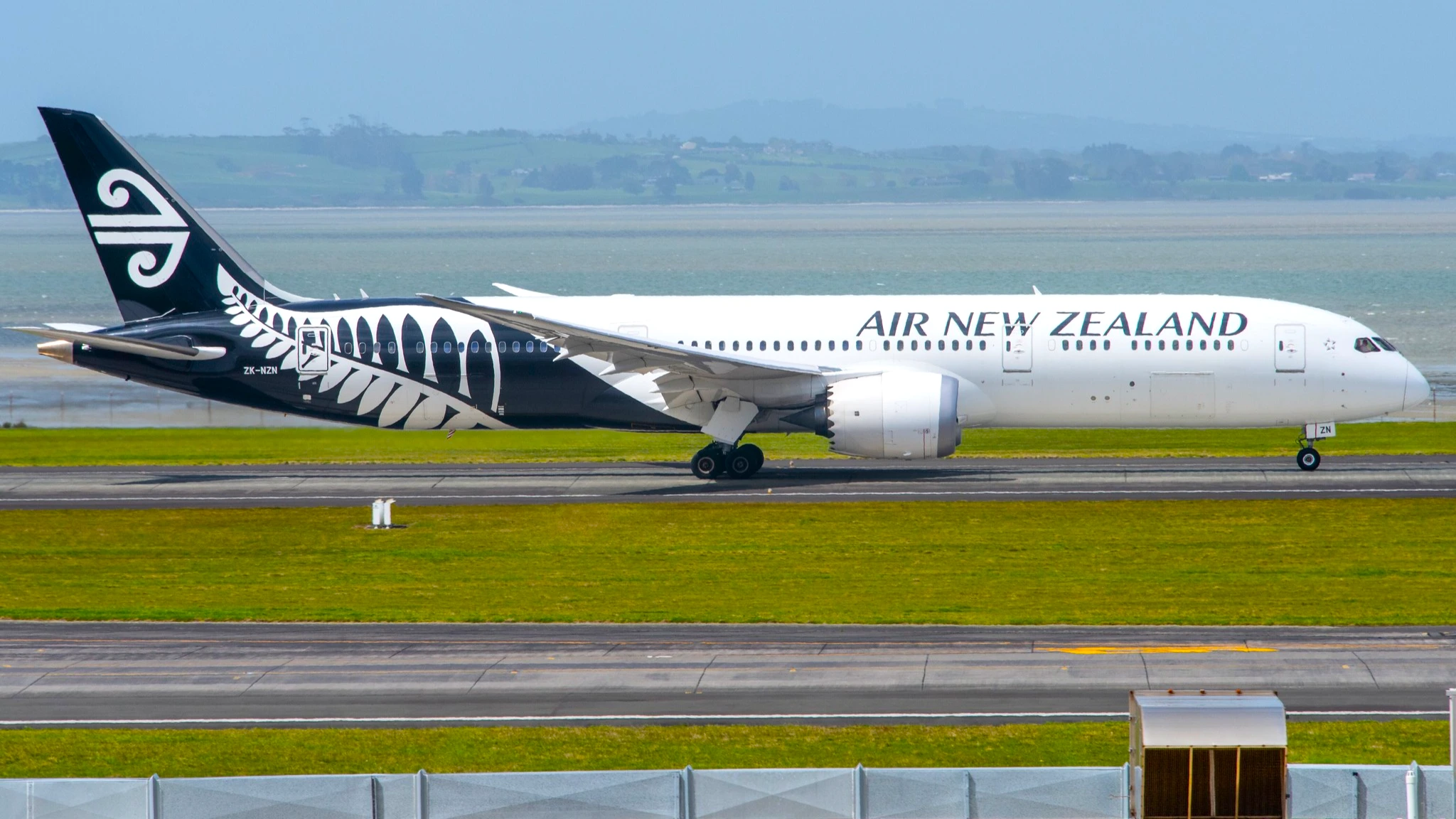
AUCKLAND– Air New Zealand (NZ) is reshaping its long-term business strategy by seeking to delay future Boeing 787 Dreamliner deliveries while introducing major cost-cutting measures aimed at restoring profitability.
The carrier said the changes are part of a broader strategic reset after several years of operational disruptions, rising costs, and weaker market conditions.
The airline confirmed that manufacturing delays affecting two Boeing 787 aircraft have increased its capital expenditure for the financial year beginning July 1, 2026.
As a result, Air New Zealand is working with Boeing to adjust the delivery schedule for additional aircraft while maintaining flexibility across its fleet expansion plans.
Air New Zealand Delays 787 Deliveries
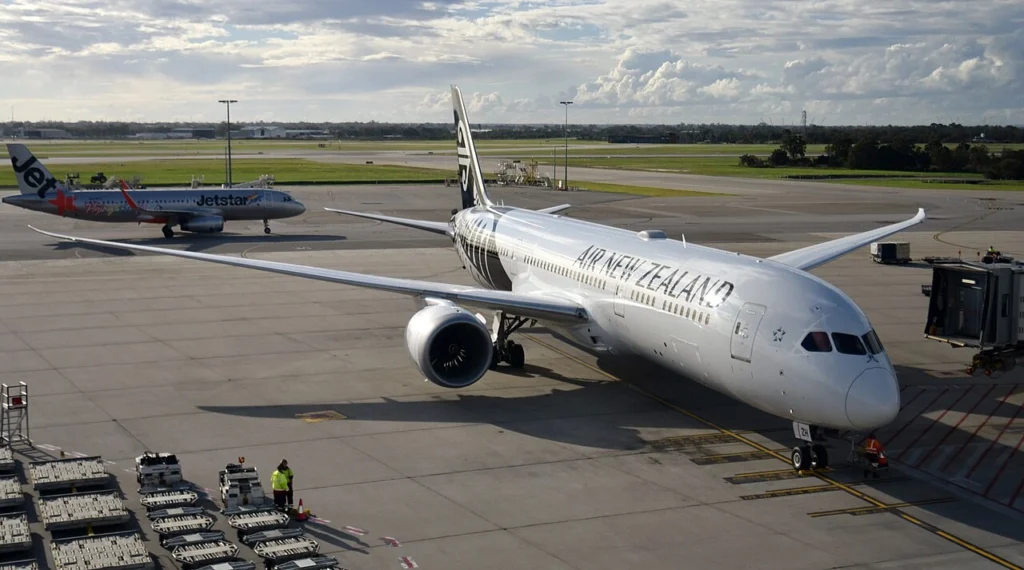
Air New Zealand said two Boeing 787 Dreamliners originally expected before the end of the current financial year will now arrive later because of manufacturing delays.
The postponement has prompted the airline to review its entire aircraft delivery timeline, with discussions underway to defer future Boeing deliveries.
The airline currently has 10 Boeing 787 aircraft on order. By spreading deliveries over a longer period, management expects to ease capital spending while improving financial stability during an uncertain operating environment.
Outgoing Chief Financial Officer Richard Thomson said the delayed aircraft have created an uneven capital investment profile, making delivery adjustments necessary. Boeing declined to comment publicly on the discussions.
The delivery changes come as the airline continues to face aircraft availability challenges, engine constraints, and higher operating expenses that have affected network planning over the past several years.

Cost Reduction Plan Targets Profitability
Alongside fleet adjustments, Air New Zealand plans to reduce costs by NZ$100 million during the 2027 financial year as part of its transformation program.
The carrier maintained its guidance for a pre-tax loss of NZ$340 million to NZ$390 million for FY26, reflecting ongoing financial pressure from elevated fuel prices, higher aviation system costs, and a softer domestic economy.
Company executives acknowledged that FY27 will likely remain a transition period rather than a full return to profitability.
Fuel prices have become an additional challenge following increased geopolitical tensions in the Middle East, which pushed refining margins significantly higher.
To reduce exposure, Air New Zealand has expanded its fuel hedging strategy beyond Brent crude by also hedging refining margins, a move that has been relatively uncommon among airlines.
Industry analysts currently expect the airline to return to pre-tax profitability in FY28 rather than FY27, Market Screener flagged, citing Reuters.
Premium Tourism Focus Expands Strategy
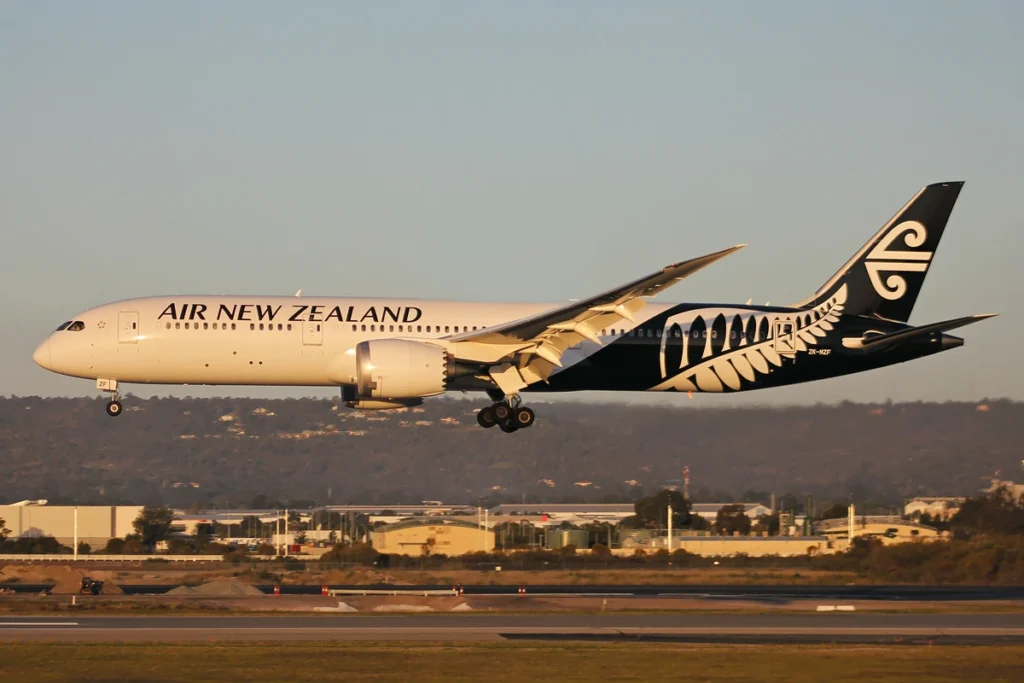
Chief Executive Officer (CEO) Nikhil Ravishankar said the airline will increasingly target premium international leisure travelers who view New Zealand as a destination for high-value travel experiences.
The strategy focuses on attracting long-haul visitors willing to pay for premium services while connecting them through Air New Zealand’s domestic and regional network. Management believes this approach will strengthen revenue quality rather than relying solely on passenger volume.
The airline also announced a leadership change, with Kris Cudmore set to become Chief Financial Officer on August 3, succeeding Richard Thomson after more than five years in the role.
Stay tuned with us. Further, follow us on social media for the latest updates.
Join us on Telegram Group for the Latest Aviation Updates. Subsequently, follow us on Google News

.jpg)