

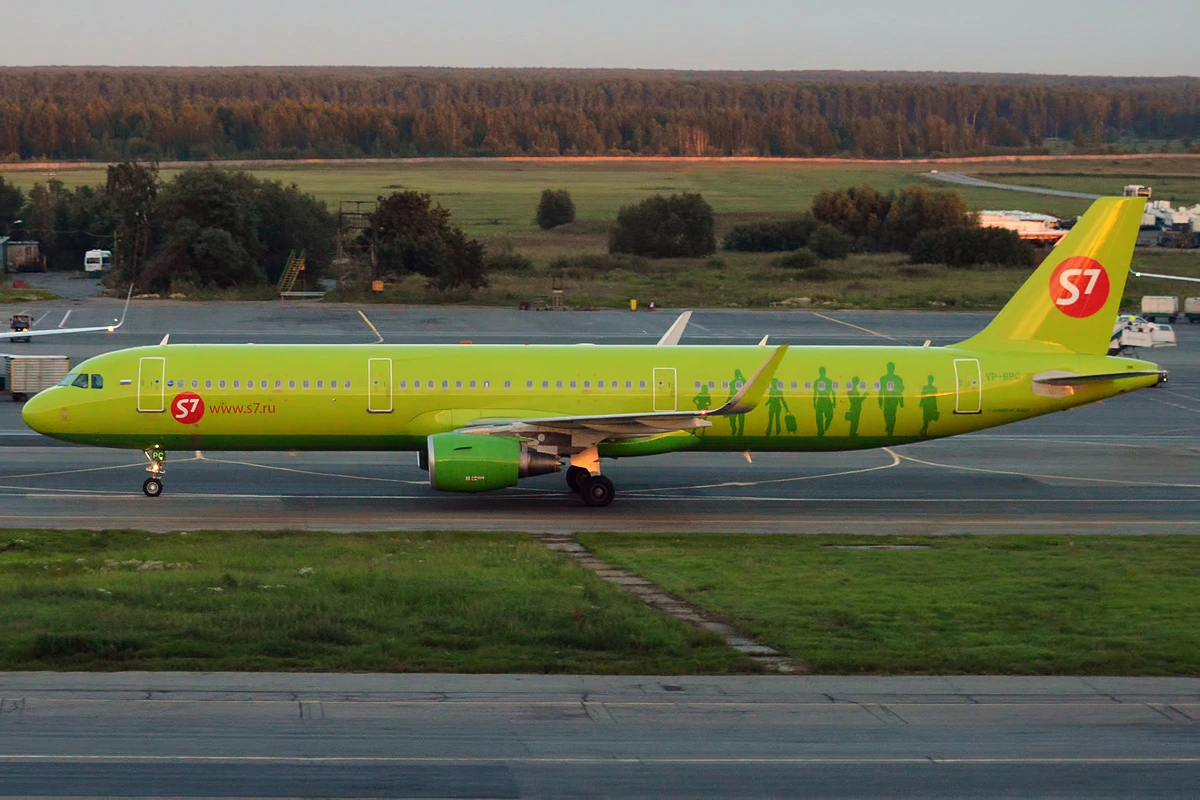
MOSCOW— Russian airline S7 Airlines (S7) has introduced a temporary operational restriction that prevents first officers from landing aircraft at most destinations across its network.
The unusual measure follows a series of hard landing incidents that reportedly caused damage to aircraft, raising concerns about fleet preservation and pilot operations.
The policy affects flights operated by the carrier throughout Russia and remains in force until October 1, 2026.
Under the new rules, first officers may only conduct landings at Irkutsk Airport (IKT), Moscow Domodedovo Airport (DME), Novosibirsk Tolmachevo Airport (OVB), and Vladivostok International Airport (VVO), while captains will handle landings at all other airports.
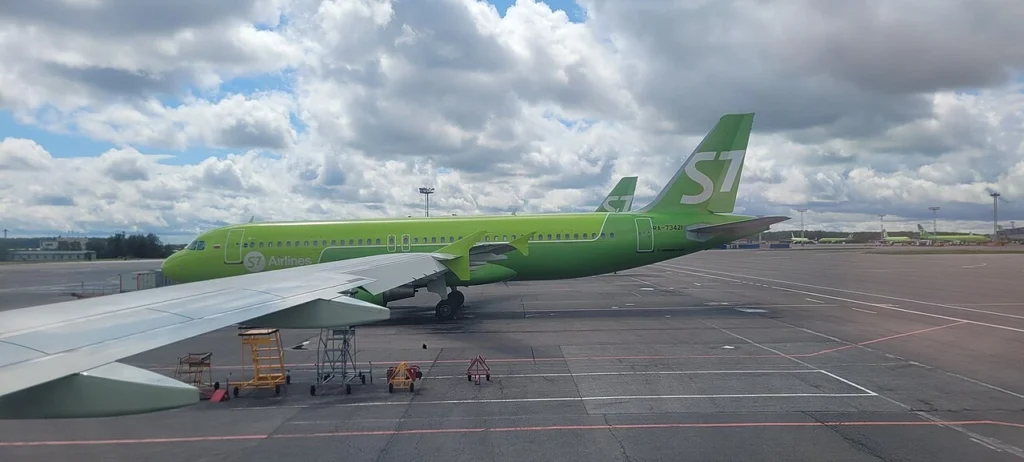
Pilot Landing Restrictions Following Hard Landings
Commercial airline operations typically involve two fully qualified pilots sharing flying duties. While the captain remains responsible for the flight, first officers routinely perform takeoffs and landings as part of standard airline procedures and ongoing experience development.
S7 Airlines has now departed from that practice after recording multiple hard landings that allegedly resulted in aircraft damage. The airline believes limiting landing duties to captains at most airports could reduce operational risks and prevent additional strain on its fleet, OMAAT reported
The restriction is notable because airlines generally reserve “captain-only” landing requirements for a small number of airports known for challenging terrain, weather, or runway conditions. Applying such a policy across an extensive domestic network is highly uncommon.
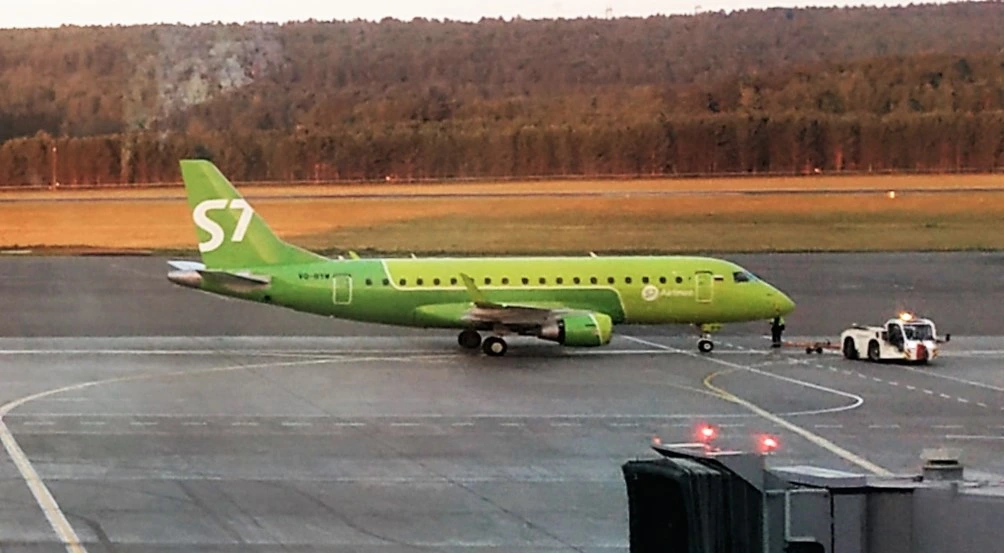
Fleet Maintenance Challenges After Sanctions
The decision comes as Russian airlines continue to face significant maintenance difficulties following international sanctions imposed after the Russia-Ukraine conflict.
Carriers that traditionally relied on Airbus and Boeing aircraft have struggled to obtain new aircraft and original replacement components.
As a result, many airlines have focused on extending the service life of existing fleets while carefully managing available resources. Industry reports indicate that approximately one-third of S7 Airlines’ fleet is currently grounded, highlighting the operational pressures facing the carrier.
Aircraft damage resulting from hard landings can require extensive inspections and repairs. For airlines operating with limited access to spare parts, even relatively minor structural concerns can create significant operational disruptions.
The new restriction appears designed to reduce the likelihood of further maintenance-related challenges while maximizing aircraft availability across the network.
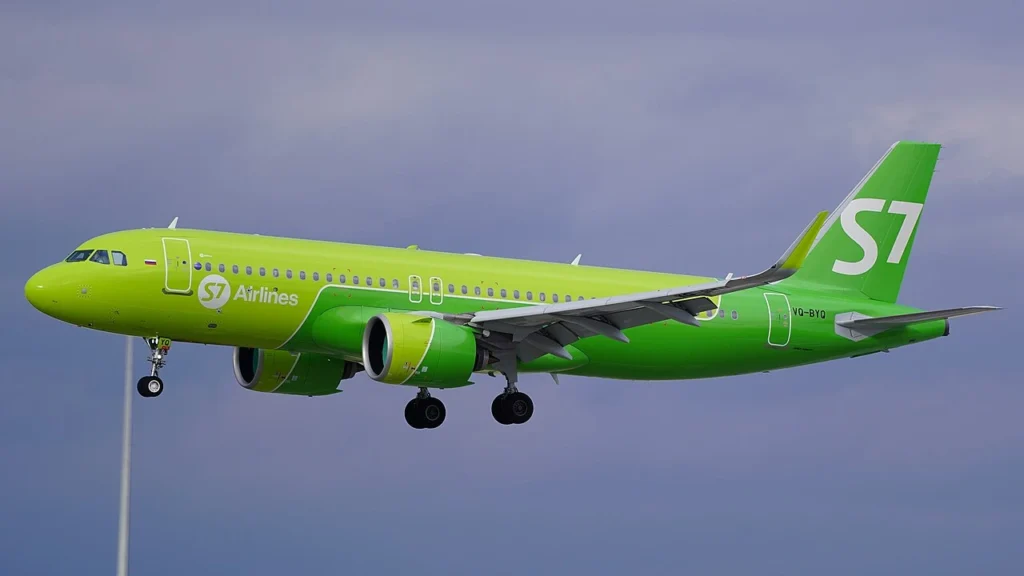
Safety And Training Impact On Pilots
The policy has also sparked discussion about its potential effect on pilot training and long-term operational readiness. First officers gain critical experience by performing landings in different environments, weather conditions, and airport settings.
While pilots at S7 Airlines will continue landing aircraft at the carrier’s four largest hubs, the restriction limits exposure to a broader range of operational scenarios.
Aviation experts generally consider varied landing experience essential for developing decision-making skills and aircraft handling proficiency.
At the same time, airline management may view the measure as a temporary safeguard during a period of fleet constraints. By assigning landings primarily to captains, the carrier aims to reduce operational risks while preserving aircraft that remain available for service.
Stay tuned with us. Further, follow us on social media for the latest updates.
Join us on Telegram Group for the Latest Aviation Updates. Subsequently, follow us on Google News


.jpg)
.jpg)