


SYDNEY— The Royal Australian Air Force (RAAF) has completed a landmark weapons testing milestone on the F-35A Lightning II, conducting the first joint Weapon Fill Measurement Vehicle (WFMV) flight test in partnership with the United States Air Force (USAF).
The achievement marks a significant step toward accelerating weapons integration and strengthening allied combat capability.
Conducted in late April, the test brought together Australian and American defense agencies to gather critical flight data from an F-35A equipped with a test weapon.
Defense officials say the results will help reduce the time required to certify future weapons for operational use, improving readiness across allied F-35 fleets.
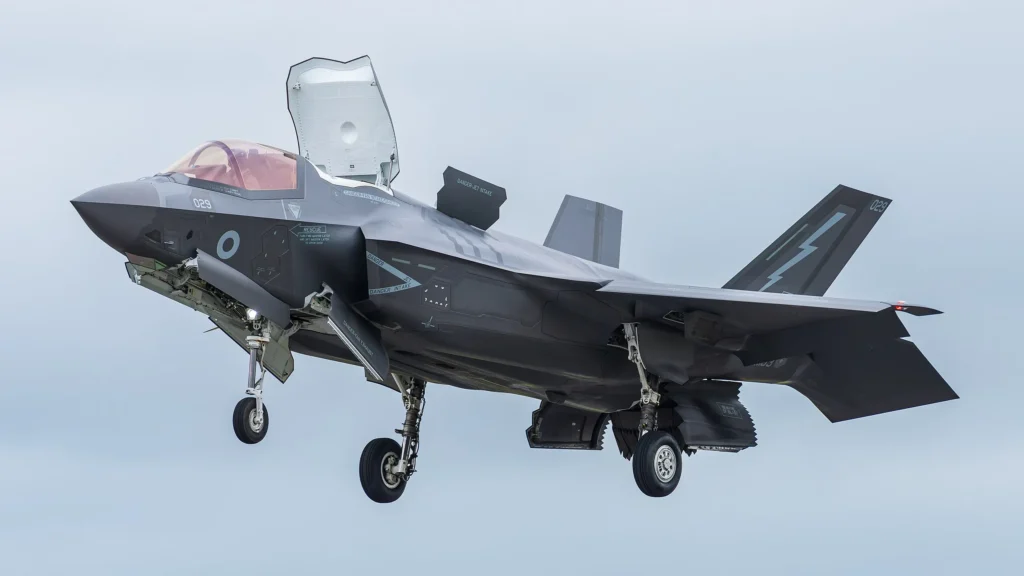
US Air Force F-35A Weapons Testing
The WFMV flight test focused on collecting engineering data that helps analysts understand how weapons behave while attached to an aircraft during flight.
This information is essential for determining whether new weapons can be safely and effectively integrated onto combat aircraft.
Although the testing process remains largely behind the scenes, it plays a vital role in modern military aviation.
Faster certification timelines enable frontline squadrons to receive new capabilities sooner, allowing air forces to adapt more quickly to changing operational requirements.
The test also demonstrated Australia’s growing ability to contribute to advanced defense research programs.
By participating in complex certification activities, the RAAF continues to expand its expertise in fifth-generation fighter operations and weapons integration.
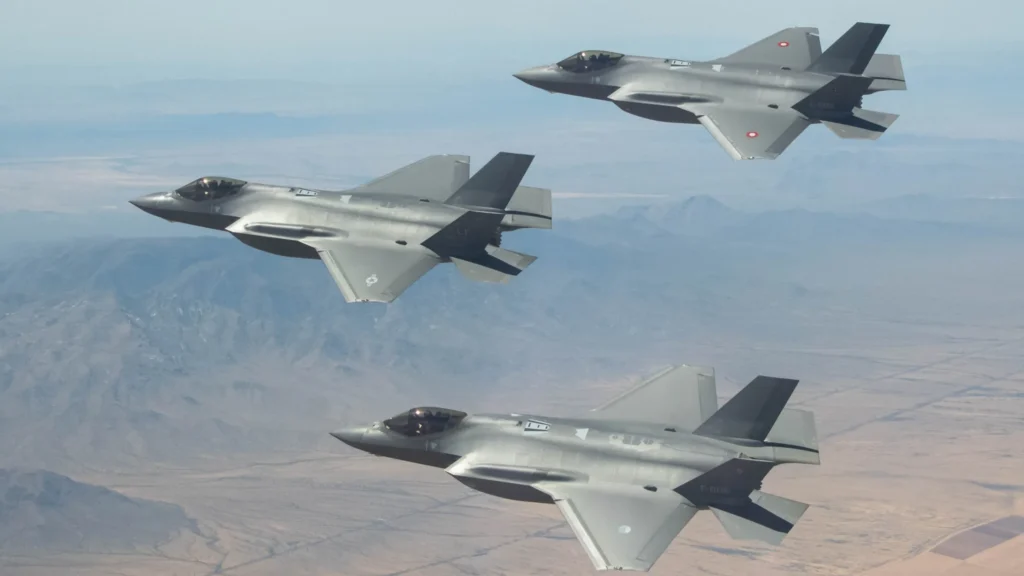
Australia-US Partnership
The activity was conducted under the Aircraft Stores Compatibility Project Arrangement (ASC PA), a long-standing cooperative framework between Australia and the United States.
The agreement allows both nations to share testing data, reduce duplication of effort, and improve efficiency in aircraft weapons certification programs.
Organizations involved in the mission included the Air Warfare Engineering Squadron, Aircraft Research and Development Unit, 75 Squadron, Air Combat Systems Program Office, the US Air Force Seek Eagle Office, and the US 96 Range Support Squadron.
Captain Jae Yu, project manager for the ASC PA initiative, emphasized the value of international collaboration during the program.
He noted that while Australia possesses the capability to conduct such work independently, cooperation with the United States delivers faster results and broader long-term benefits.
The partnership also supports deeper interoperability between the two air forces, ensuring both nations can operate advanced combat systems more effectively during future missions.

Future Capability Gains
Defense officials view the ability to characterize flight environments as a foundation for integrating next-generation weapons onto the F-35A platform.
Engineers use the collected data to evaluate aerodynamic loads, weapon performance, and aircraft compatibility under real-world conditions.
A representative from the US Air Force Seek Eagle Office said the flight test provided critical engineering insights into the F-35A.
The official added that the demonstration strengthens cooperation between the Royal Australian Air Force and the United States Air Force while supporting future weapons development efforts.
Flight Lieutenant Nicholas, who piloted the sortie, described the mission as an important opportunity to contribute to allied combat capability.
He said the collaboration between Australian and American engineers will help improve the survivability and lethality of F-35 operators around the world.
Stay tuned with us. Further, follow us on social media for the latest updates.
Join us on Telegram Group for the Latest Aviation Updates. Subsequently, follow us on Google News
