

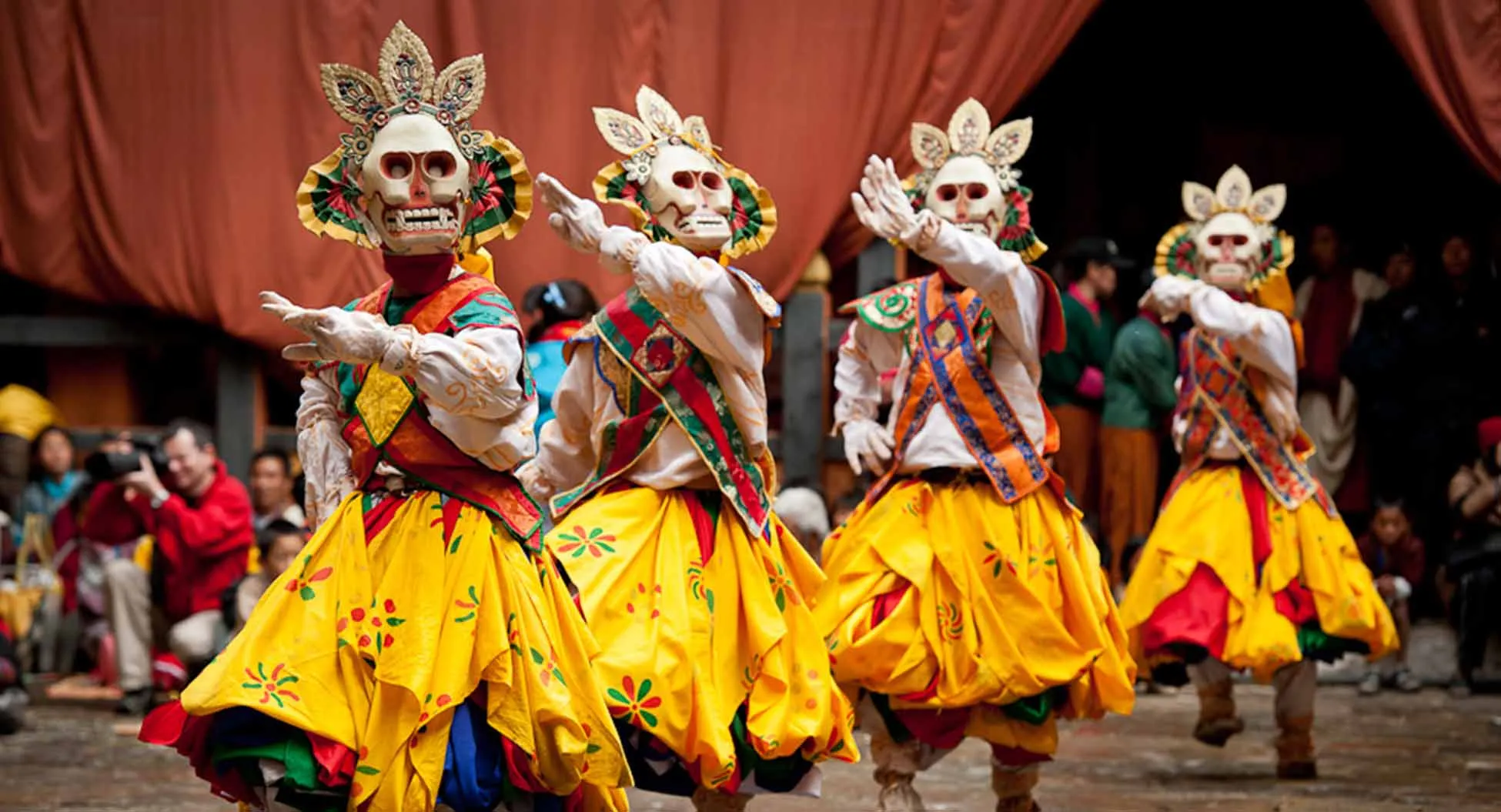
Festivals are more than just events; they are windows into the soul of a place. At the right moment, a city transforms—streets close, music spills into the air, traditions come alive, and strangers become part of something shared.
For travelers, timing a trip around a festival can turn an ordinary visit into something unforgettable.
A recent global ranking by Sweepstakes Table highlights ten of the most extraordinary festival experiences across continents.
The list spans centuries-old cultural traditions, modern music spectacles, and everything in between.
Here’s a closer look at the world’s most compelling festivals, as reported by Travel and Leisure, and why each one earns its place.
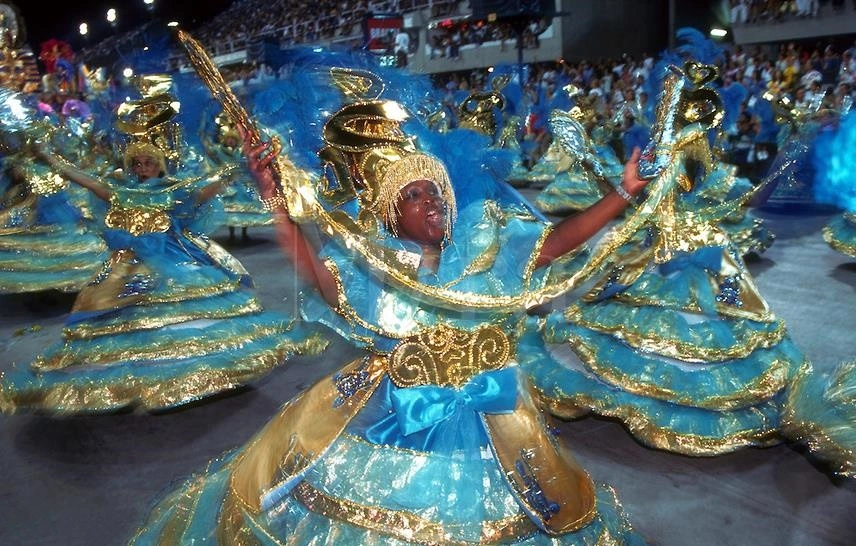
1. Carnival – Rio de Janeiro, Brazil
At the top of the list is Carnival in Rio de Janeiro, a celebration so vast that it reshapes an entire city.
Every February, millions flood Rio de Janeiro, drawn by the energy, color, and rhythm of what many call the largest party on Earth.
The highlight is the Sambadrome parade, where samba schools compete in elaborate performances judged on choreography, music, and costume design.
Beyond the stadium, thousands of street parties—known as blocos—spread across neighborhoods, ensuring there’s no quiet corner in the city.
Carnival is not just a spectacle; it is identity. Rooted in Brazilian culture and history, it blends African, Portuguese, and Indigenous influences into a celebration that feels both deeply traditional and wildly modern.
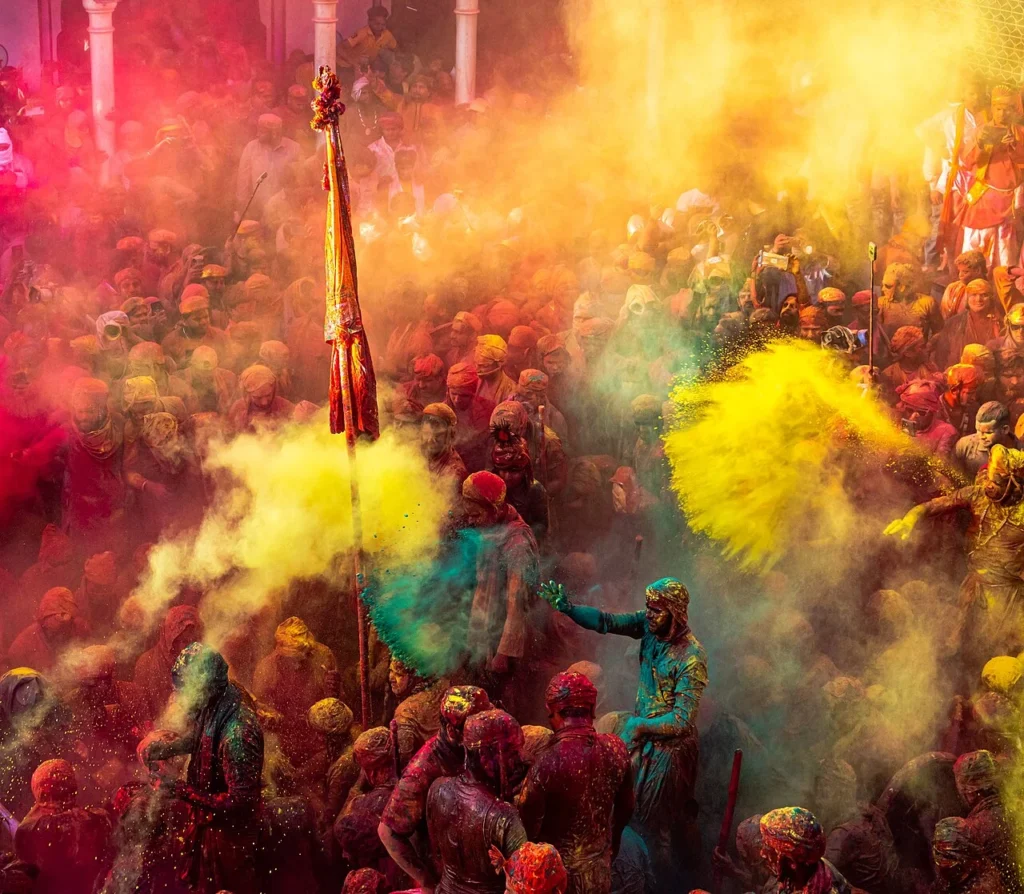
2. Holi – Mathura, India
Few festivals are as visually striking as Holi, the Hindu Festival of Colors. While celebrated across India, the experience in Mathura stands apart due to its spiritual significance as the birthplace of Lord Krishna.
Holi marks the arrival of spring and symbolizes the triumph of good over evil. In Mathura, the celebration unfolds over several days, culminating in a vibrant explosion of color as crowds gather to throw powdered pigments and water into the air.
What sets Mathura apart is the emotional intensity. Rituals, temple ceremonies, and devotional songs create a deeper cultural layer beneath the playful chaos, making it both joyful and meaningful.

3. Day of the Dead – Oaxaca, Mexico
Day of the Dead offers a very different kind of celebration. Held from October 31 to November 2, it honors deceased loved ones in a way that blends remembrance with festivity.
In Oaxaca, the tradition takes on a particularly authentic feel. Families build altars adorned with photos, candles, and offerings, while cemeteries glow with candlelight as communities gather through the night.
Despite its theme, the atmosphere is far from somber. Parades, music, and art installations fill the streets, creating a sense of connection between past and present that feels both intimate and communal.
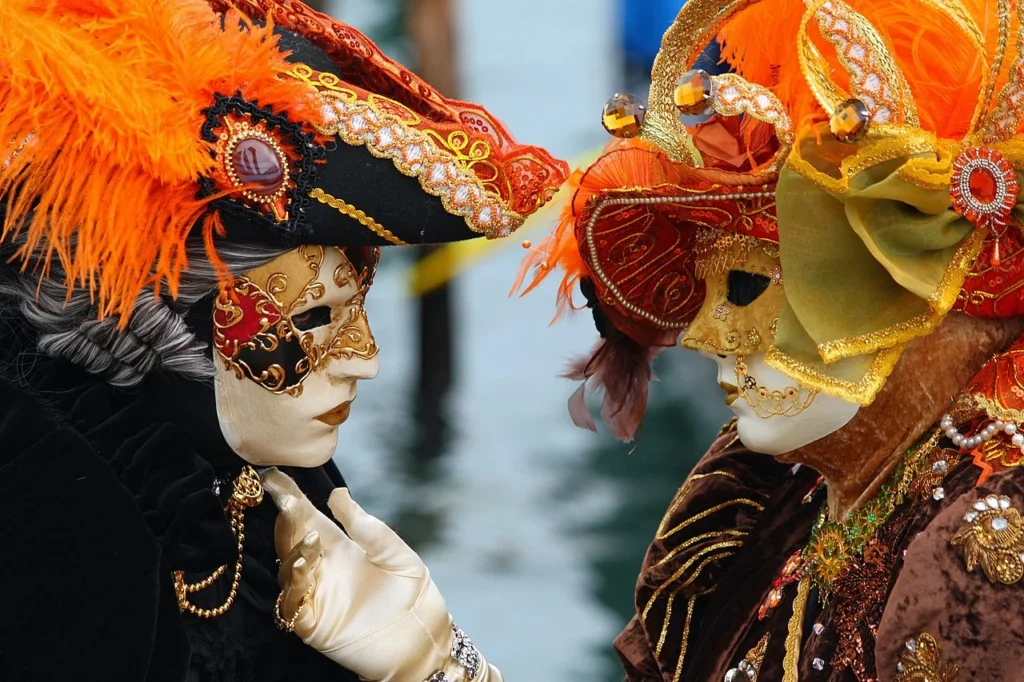
4. Carnevale – Venice, Italy
Elegance defines Venice Carnival, where history and fantasy merge in the canals of Venice. Known for its ornate masks and period costumes, the festival dates back centuries and reflects the city’s aristocratic past.
Visitors can expect grand balls, theatrical performances, and masked processions that transform Venice into a living stage. The anonymity of the masks adds a sense of intrigue, allowing participants to step into another identity, if only for a few days.
Carnevale offers a slower, more refined festival experience compared to others on this list, but its visual beauty and cultural depth are unmatched.
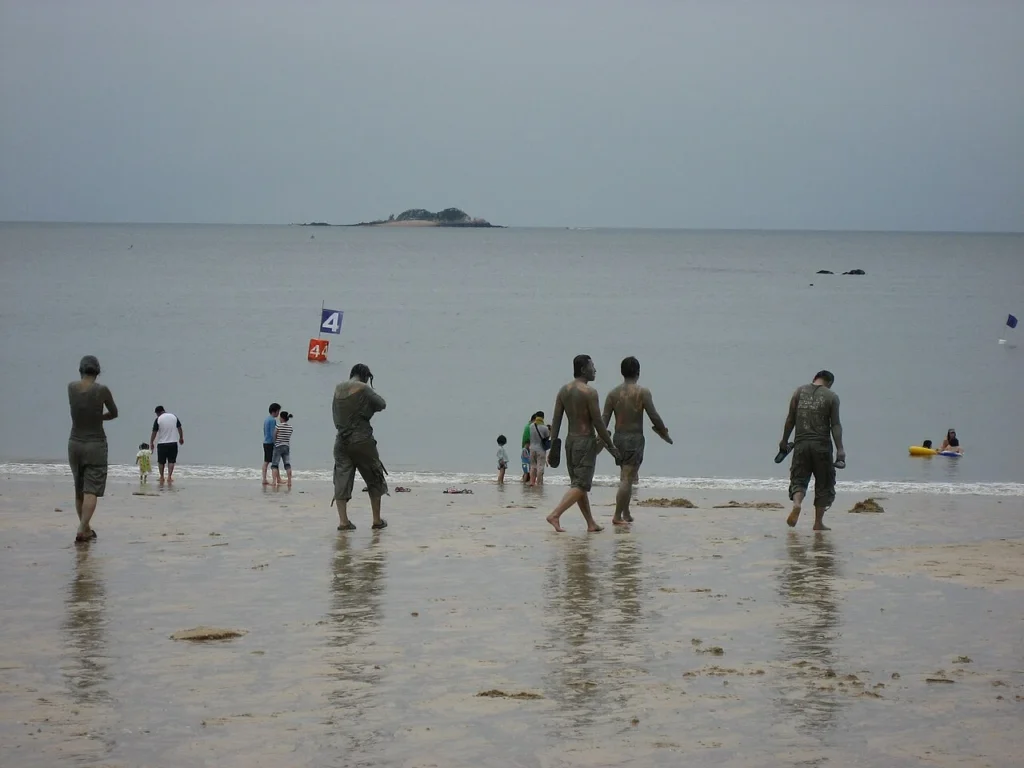
5. Boryeong Mud Festival – South Korea
For something completely different, the Boryeong Mud Festival turns the coastal city of Boryeong into a giant playground.
Originally created to promote local cosmetics, the festival has grown into an international attraction where visitors dive into mud pools, slide down mud ramps, and take part in messy competitions.
The appeal lies in its simplicity. There are no deep rituals or historical layers—just pure, carefree fun. It’s a reminder that festivals don’t always need tradition to create unforgettable experiences.
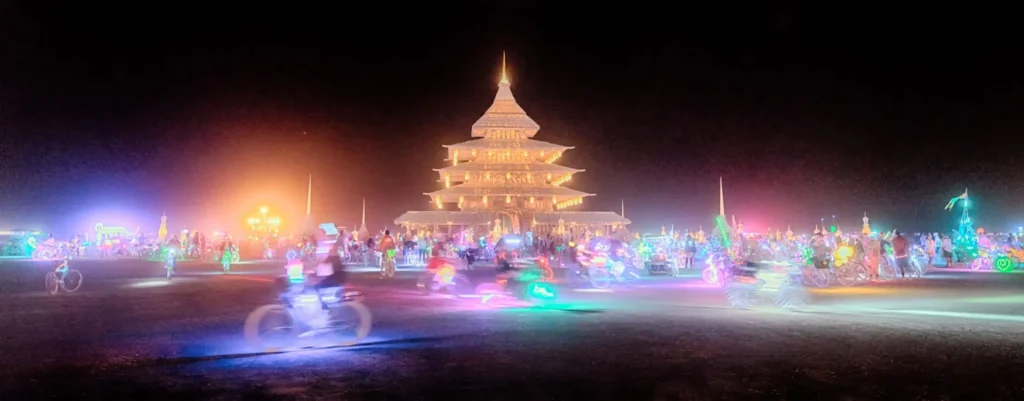
6. Burning Man – Nevada, USA
Held in the Black Rock Desert, Burning Man is less a festival and more a temporary city built on creativity and self-expression.
Each year, tens of thousands gather to create art installations, themed camps, and performances in an environment that encourages radical participation. At its center stands a large wooden effigy, which is ceremonially burned at the festival’s climax.
Burning Man challenges conventional ideas of entertainment. There are no headline acts or fixed schedules, and participants are expected to contribute rather than consume, making it one of the most unique cultural gatherings in the world.
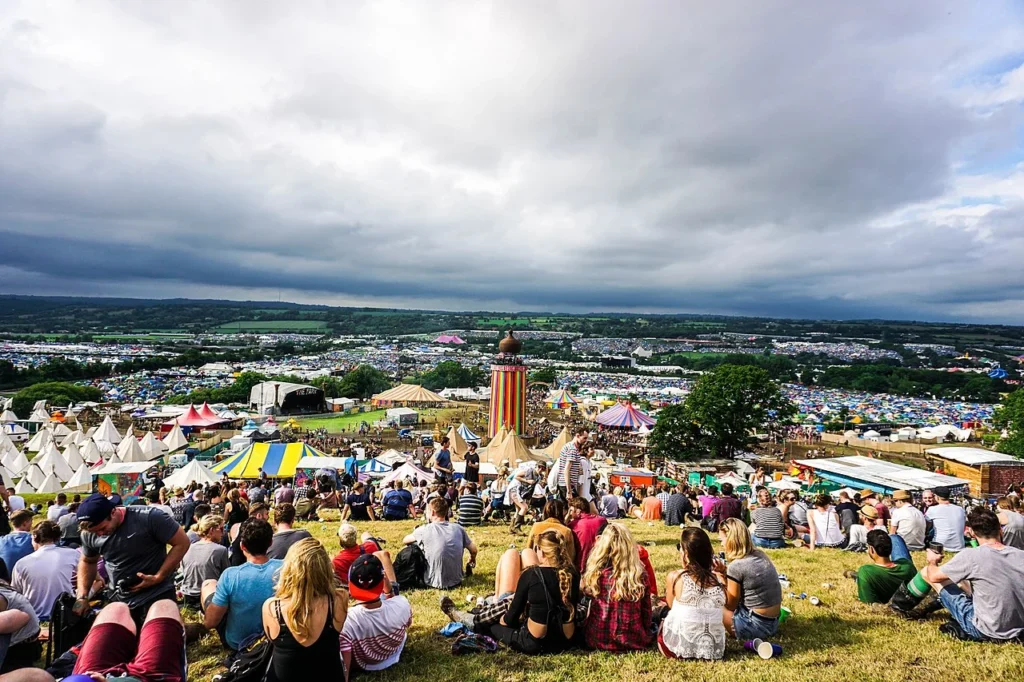
7. Glastonbury – Somerset, United Kingdom
Music takes center stage at Glastonbury Festival, one of the most iconic live music events globally. Set in Somerset, it draws major artists and hundreds of thousands of fans each year.
The festival goes beyond music, featuring theater, comedy, and visual arts across multiple stages and spaces. Its reputation rests not only on its lineup but also on its atmosphere—muddy fields, late-night performances, and a sense of shared experience.
Glastonbury captures the spirit of modern festival culture while maintaining a strong connection to its grassroots origins.

8. Tomorrowland – Boom, Belgium
For electronic music fans, Tomorrowland represents the pinnacle. Held in Boom, it combines world-class DJs with elaborate stage designs that resemble fantasy landscapes.
The festival’s production quality sets it apart. Massive stages, synchronized lighting, and immersive themes create an experience that feels almost cinematic.
Tomorrowland is as much about visual storytelling as it is about music, attracting a global audience that returns year after year.
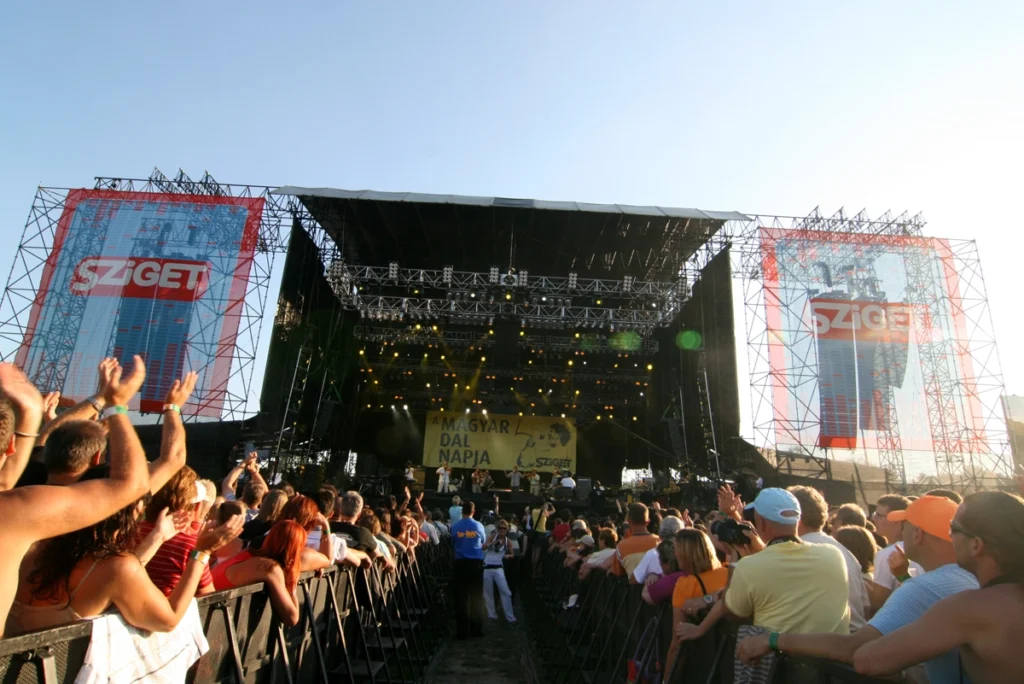
9. Sziget Festival – Budapest, Hungary
Located on an island in the Danube River, Sziget Festival transforms Budapest into a week-long cultural hub.
The event blends music with art, workshops, and international cuisine, creating a diverse and inclusive environment. Visitors often stay on-site, turning the festival into a temporary community.
Sziget stands out for its balance. It offers the scale of a major music festival while maintaining a welcoming, almost intimate atmosphere.
10. Donauinselfest – Vienna, Austria
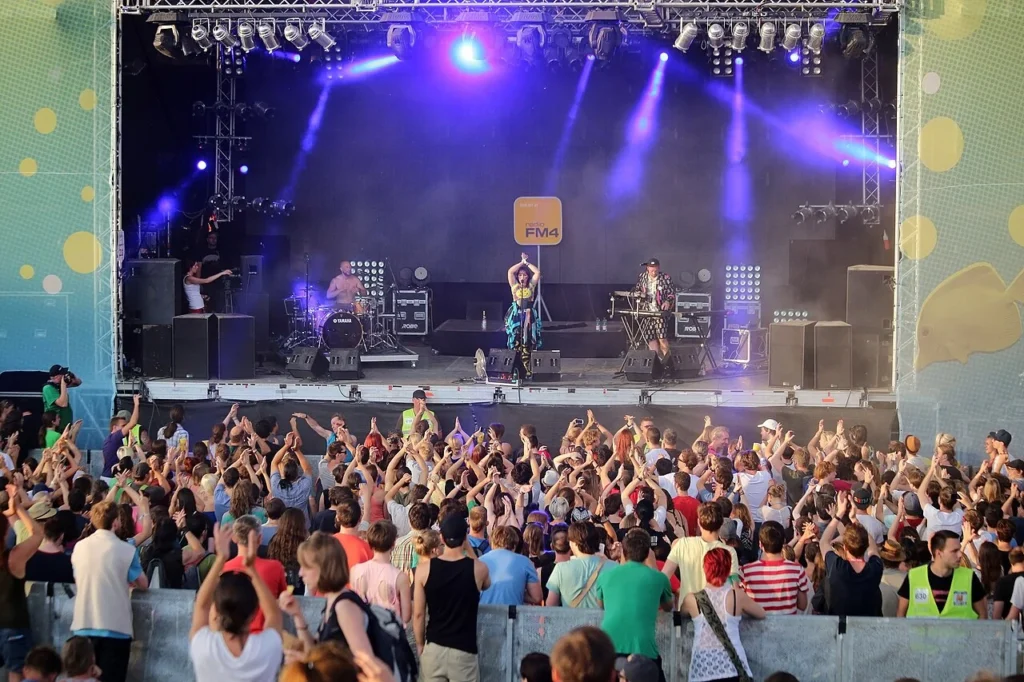
Closing the list is Donauinselfest, one of the largest free open-air festivals in the world. Held in Vienna, it attracts millions without charging an entry fee.
The festival features multiple stages with a mix of music genres, alongside food stalls and cultural activities. Its accessibility makes it unique, allowing people from all backgrounds to take part.
Donauinselfest proves that scale and inclusivity can coexist, offering a vibrant experience without the barriers often associated with major events.
Bottom Line
This list reflects the diversity of festival culture, spanning continents and styles. Europe, Asia, and the Americas dominate the rankings, while regions like Africa and Australia are notably absent.
Despite these gaps, the selected festivals highlight a key idea: the best travel experiences often happen when culture, timing, and place align. Whether rooted in tradition or driven by modern creativity, each festival offers a distinct way to connect with the world.
For travelers, the message is simple—plan around these moments, and destinations reveal themselves in ways that no guidebook can fully capture.
Stay tuned with us. Further, follow us on social media for the latest updates.
Join us on Telegram Group for the Latest Aviation Updates. Subsequently, follow us on Google News
