

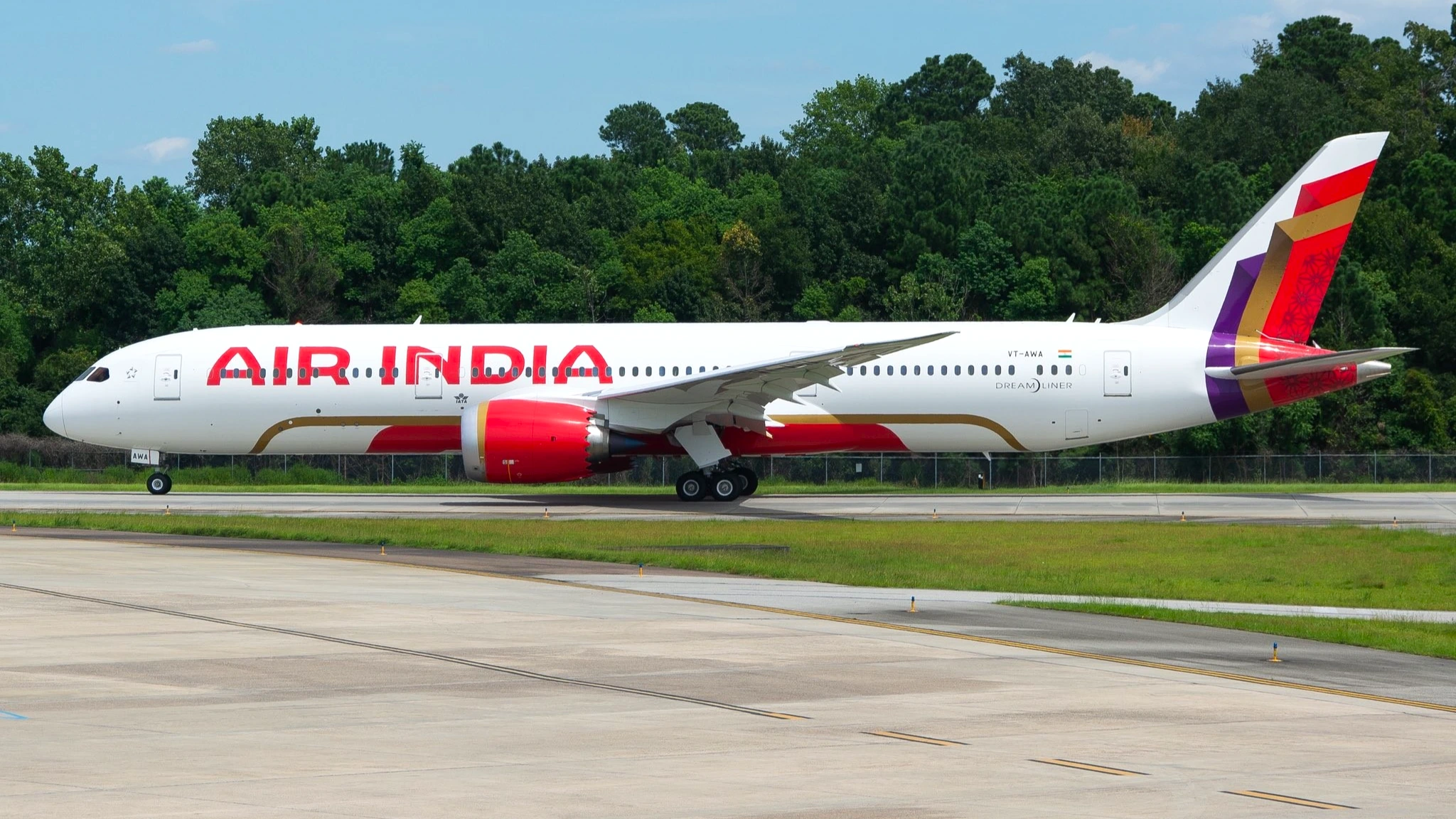
GURUGRAM- Air India (AI) plans to defer aircraft deliveries, cut flights, and slow expansion after majority owner Tata Group instructed the carrier to focus on reducing its record losses.
The move marks an abrupt reversal from the airline’s aggressive growth strategy and reflects a loss of confidence in a carrier that suffered a fatal crash a year ago.
The airline operates its main hub at Indira Gandhi International Airport (DEL) in New Delhi and is reviewing routes tied to airports such as the upcoming Noida International Airport (DXN).
The airline and its low-cost arm Air India Express (IX) have struggled with mounting financial pressure that has pushed the carrier deep into the red.
Air India Expansion Strategy and Flight Cuts
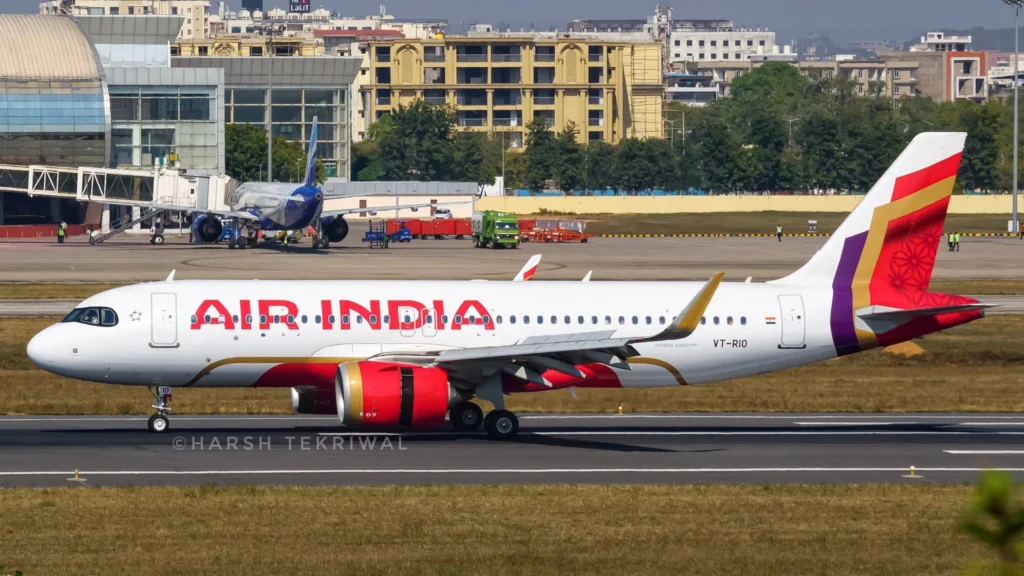
Air India is undertaking a significant review of its growth strategy after the Tata Group directed the airline to prioritise financial stability over rapid expansion.
The shift marks a sharp change from the carrier’s aggressive fleet and network growth plans launched after its return to Tata ownership in 2022.
According to people familiar with the matter, the airline is exploring ways to lower costs and improve cash flow as losses continue to mount.
Air India has accumulated more than 550 billion rupees ($5.8 billion) in losses since 2022, making profitability a growing concern for stakeholders, including the board of Tata Trusts, which controls the Tata Sons holding company that owns the majority of the airline.
Air India is in discussions with Airbus and Boeing to slow deliveries from its large aircraft order book.
The airline ordered a combined 600 aircraft across 2023 and 2024, then placed additional commitments earlier this year as part of one of the aviation industry’s largest fleet expansion programs.
The talks could affect as many as 500 aircraft scheduled for future delivery, with most expected to arrive during 2027 and 2028. Deferring deliveries would let Air India postpone significant capital spending.
Airlines typically spread aircraft payments over several years, but the largest payment, often around 80% of the purchase price, falls due when an aircraft is handed over.
Route Expansion and Airport Launches
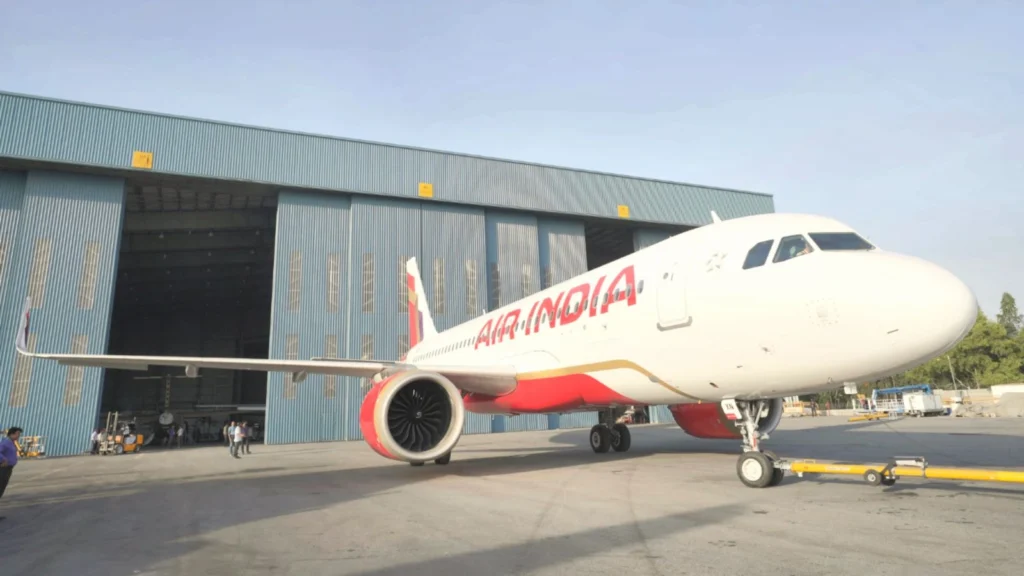
Air India is also reevaluating plans to expand its domestic and international network. The airline is reviewing proposed routes, reducing some services, and postponing launches at selected airports, including planned operations at the new facility near the capital.
The review builds on steps the carrier already took this year.
Reported by Bloomberg, Air India earlier announced flight reductions driven by airspace restrictions and disruptions linked to the Iran war, signalling that the airline was trimming operations before the latest directive from its owner. The new strategy accelerates that trend rather than starting it.
Financial Pressure
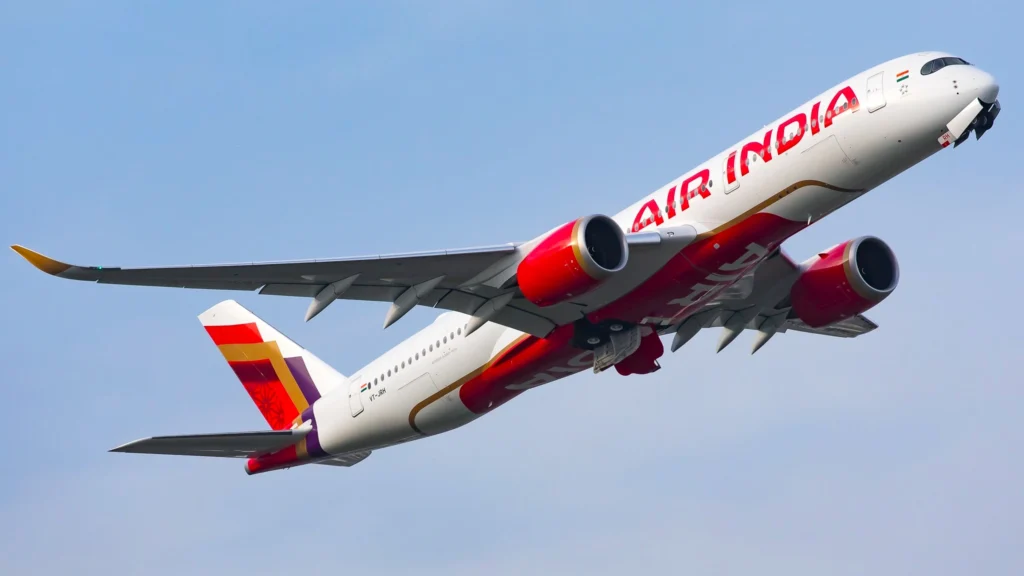
Air India’s changing strategy follows several developments that have added pressure to its operations and finances.
The carrier recorded an annual loss of roughly $3 billion following the fatal crash last June, an event that raised fresh concerns around its recovery and long-term transformation efforts.
The closure of Pakistan’s airspace to Indian airlines forced longer routes on several international services, increasing fuel consumption and operating costs.
Regional conflict involving Iran also disrupted operations and added rerouting expenses. These challenges coincided with a weaker Indian rupee, which raised costs because much of the airline’s cost base is denominated in US dollars.
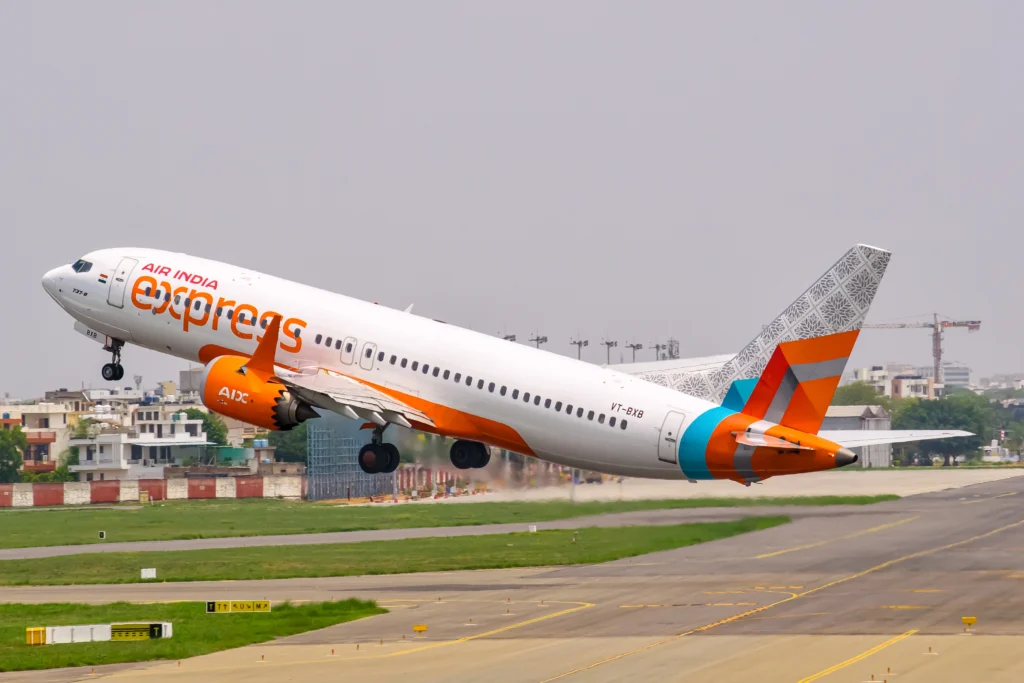
Tata Group Prioritises Stability
Since taking control of Air India in 2022, the Tata Group has invested heavily in rebuilding the airline through fleet modernisation, network expansion, and service upgrades.
Revenue and passenger traffic have grown alongside India’s strong economic growth and rising travel demand.
Despite those gains, the airline continues to face financial challenges. Air India and Air India Express have remained loss-making for more than a decade, even as operations expanded.
The shift in strategy suggests Tata Group now wants the airline to strengthen existing operations, improve efficiency, and reduce losses before accelerating future growth.
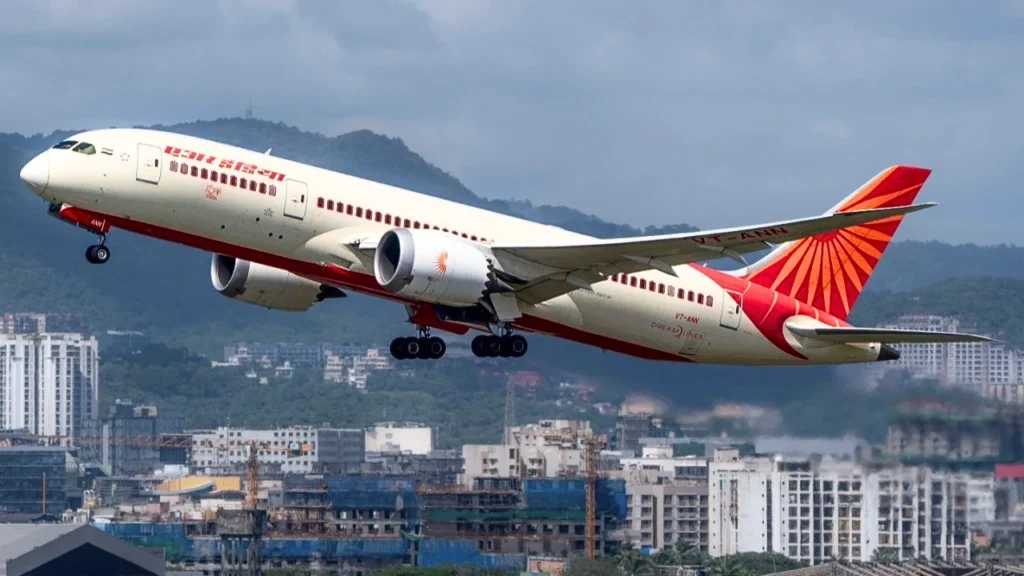
Long-Term Transformation Plans
Air India has disputed the report’s claims. A spokesperson described the queries as highly speculative and said the airline remains committed to modernising its fleet and executing its long-term transformation strategy.
Tata Group and Airbus did not respond to requests for comment, while Boeing declined to comment.
The carrier’s ownership structure also includes Singapore Airlines, which acquired a 25.1% stake in 2024.
While the airline continues to pursue modernisation goals, any decision to defer aircraft deliveries or slow expansion would mark a significant adjustment to the pace of its transformation program.
Stay tuned with us. Further, follow us on social media for the latest updates.
Join us on Telegram Group for the Latest Aviation Updates. Subsequently, follow us on Google News
