

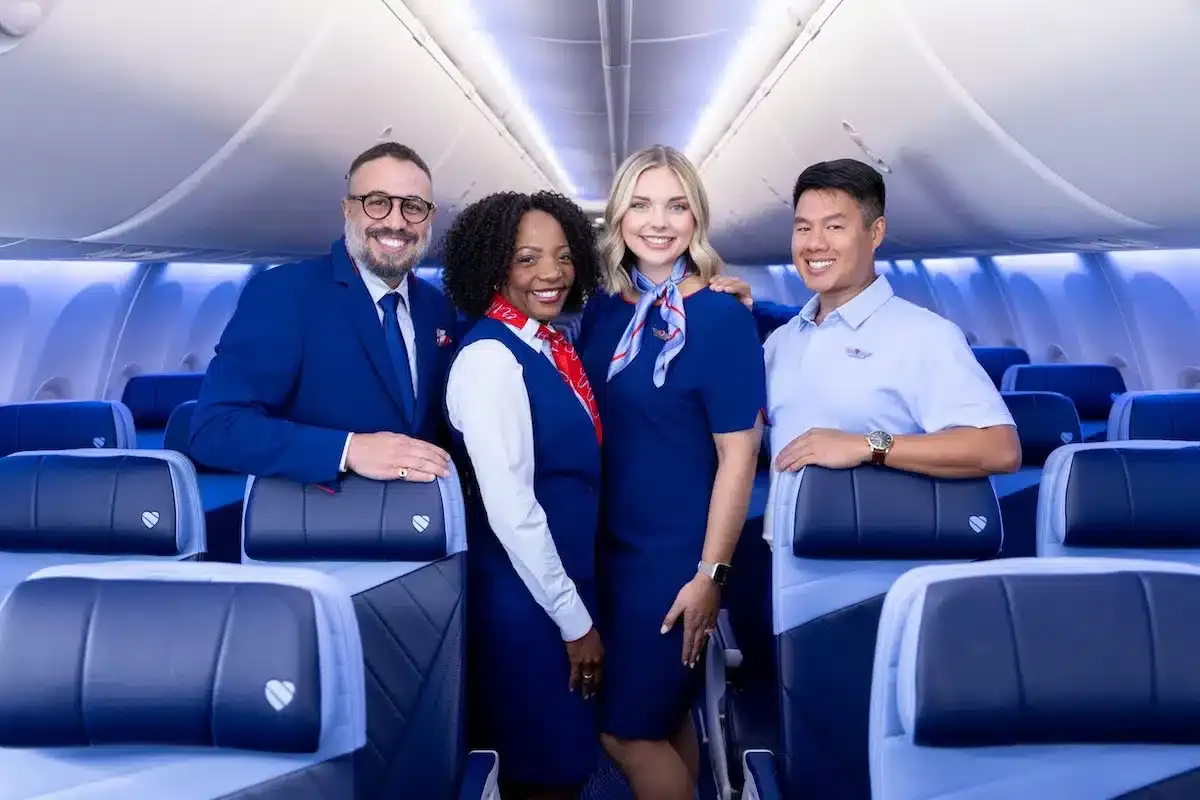
DALLAS, TEXAS— Southwest Airlines (WN) has reversed a controversial policy that reserved spare cabin jumpseats only for flight attendants and pilots, reopening access to employees across the company. The decision arrived just before a scheduled arbitration hearing brought by the airline’s mechanics union.
The carrier, based at Dallas Love Field (DAL), was restricted in March after a long campaign by the flight attendant union. As reported by PYOK, the airline scrapped the rule for every employee group while introducing new mandatory training for anyone who wants to occupy a jumpseat.
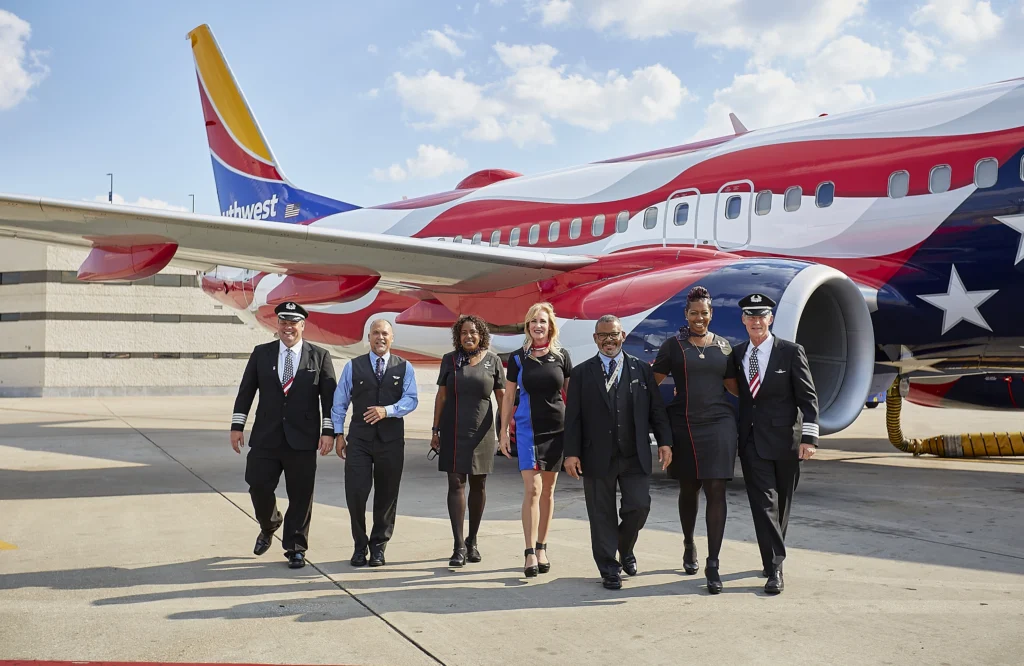
Why Southwest Walked Back Its Jumpseat Restriction
Free or discounted travel is one of the strongest perks of working for an airline, but the practice known as non-revving runs strictly on a space-available basis.
When a flight sells out, non-rev employees wait at the gate in the hope that a booked passenger fails to show. If every passenger boards, one final option remains: a spare flight attendant jumpseat near one of the cabin doors.
Southwest had long permitted employees from across the company to use those spare jumpseats. The TWU 556 union, which represents flight attendants at the airline, spent several years pushing to end that arrangement.
The union argued that non-crew jumpseaters disrupt the in-flight duties of flight attendants and could compromise safety, particularly during an evacuation. The airline agreed and introduced the flight-attendant-only policy in March.
The Mechanics Union Challenge
The AMFA 18 union, which represents Southwest mechanics, challenged the restriction by pointing to a specific clause in its contract.
The clause states that employees covered by the agreement must be treated no less favorably than other employee groups when prioritizing space-available access to jumpseats.
The mechanics union was set to take the dispute to arbitration this week. Before the hearing could proceed, Southwest reversed the policy. The reversal applied not only to AMFA 18 members but to every employee group at the carrier.
New Training Requirement For Jumpseat Access
To address flight attendant concerns about the reversal, Southwest is rolling out a mandatory Computer-Based Training module for any employee who wants to be considered for a jumpseat while non-revving.
The short module covers how the harness on a flight attendant jumpseat operates, best practices for conduct around flight attendants, and the correct response during an emergency evacuation.

Flight Attendants Remain Unhappy
The training requirement has done little to satisfy the flight attendant union, which has made clear it opposes opening jumpseats to all non-revving employees.
The union insists its stance is not about securing jumpseats for its own members ahead of others, noting that nearly a third of Southwest flight attendants commute to work by air.
Instead, the union frames its position around safety for everyone on board. It describes flight attendants as aviation’s first responders in the cabin, trained and recurrently qualified in emergency procedures, evacuations, and cabin safety.
The union maintains that an aircraft is safest when every person occupying a jumpseat holds the same level of training and operational familiarity that flight attendants carry.
Jumpseat Rules Vary Across The Industry
Jumpseat policies differ sharply from one airline to the next. Some carriers allow even non-employee non-rev passengers to occupy a spare jumpseat when no other seat is available.
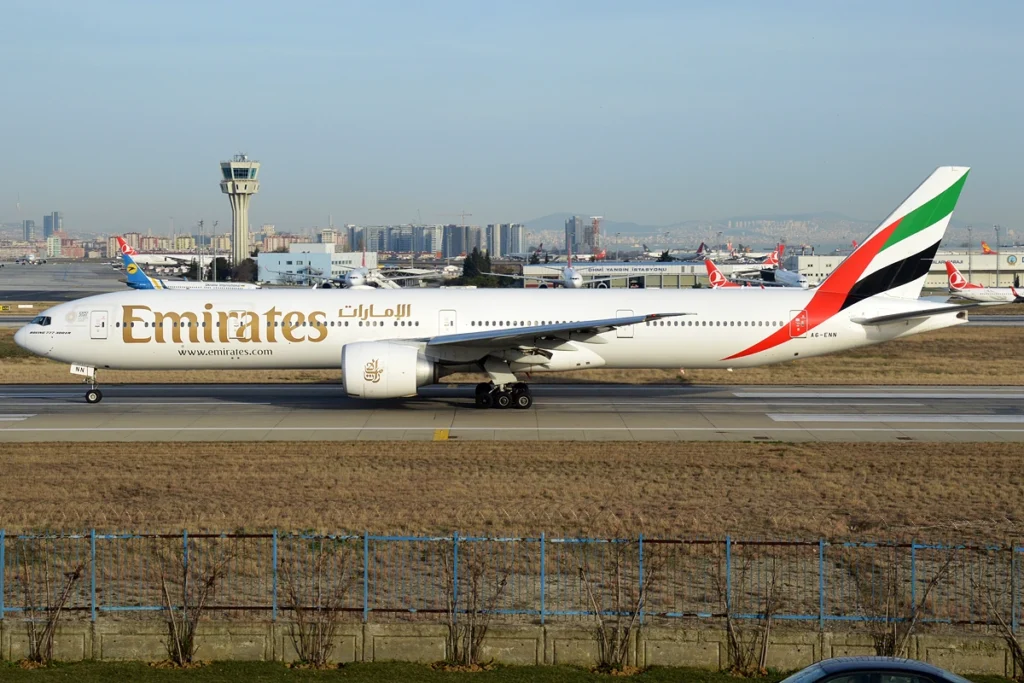
At Persian Gulf carriers such as Emirates (EK), based in Dubai (DXB), opening a spare jumpseat to a non-rev employee is not permitted at all.
Stay tuned with us. Further, follow us on social media for the latest updates.
Join us on Telegram Group for the Latest Aviation Updates. Subsequently, follow us on Google News
