

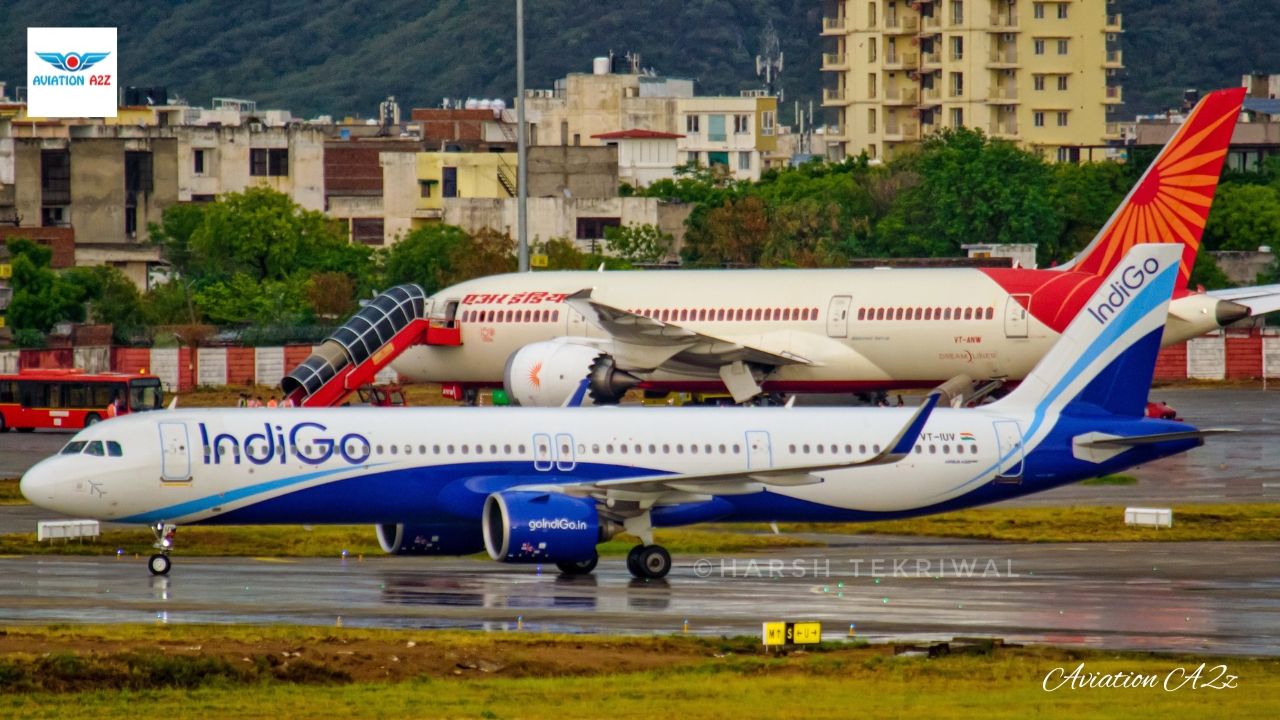
NEW DELHI— IndiGo (6E) has once again overtaken Air India in international passenger traffic, reinforcing its position as India’s largest airline by market share even as the ongoing West Asia crisis continues to disrupt global aviation.
Fresh data from the Directorate General of Civil Aviation (DGCA) showed that IndiGo carried approximately 870,000 international passengers in April, slightly ahead of the Air India group, which transported around 850,000 travelers.
The latest figures come at a time when airlines across the region are facing higher fuel costs, longer flight paths, and operational challenges caused by geopolitical tensions in West Asia.
Delhi (DEL), Mumbai (BOM), and several other major Indian gateways have experienced changes in international traffic patterns as carriers adjust networks and schedules to manage rising costs.
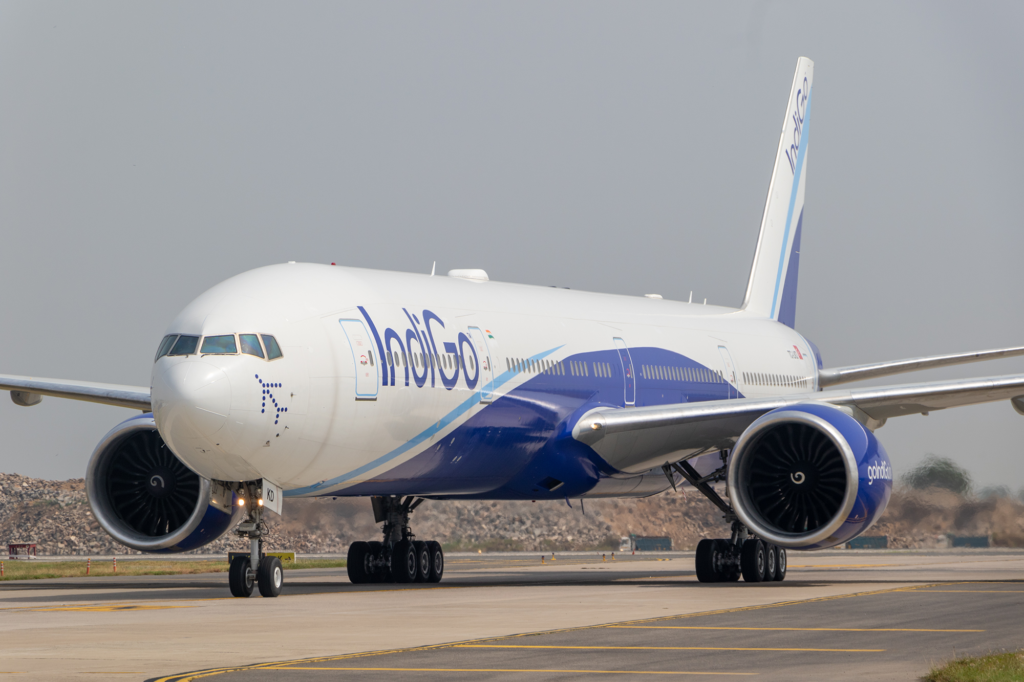
IndiGo’s International Traffic Growth
IndiGo’s lead in overseas passenger traffic highlights the carrier’s steady expansion in international markets over the past few years.
The airline has added new destinations, increased frequencies on key routes, and expanded partnerships to strengthen its presence beyond India.
While Air India continues its large-scale transformation program, the airline has faced operational challenges linked to rising fuel prices and airspace restrictions, LiveMint flagged.
Several long-haul and international routes have been adjusted in recent months as carriers attempt to balance demand with increasing operating expenses.
The competition between the two airline groups has intensified as India’s outbound travel market continues to grow. International traffic remains a major focus area because overseas routes often generate higher revenue opportunities than domestic operations.
West Asia Conflict Impacts Aviation Operations
The ongoing conflict in West Asia has created significant pressure on airlines worldwide. Carriers have been forced to reroute flights around restricted airspace, increasing flight times and fuel consumption.
Higher aviation turbine fuel prices have further complicated operations. Industry analysts note that fuel remains one of the largest expenses for airlines, making route profitability more difficult to maintain during periods of geopolitical uncertainty.
Indian airlines have responded by reviewing schedules, reducing frequencies on selected routes, and implementing operational adjustments.
These measures aim to protect margins while maintaining essential connectivity for passengers.

Competitive Outlook for Indian Airlines
Despite industry challenges, IndiGo continues to strengthen its international network strategy.
The carrier has expanded its overseas footprint and is pursuing additional partnerships that could improve connectivity across Asia, Europe, and other global markets.
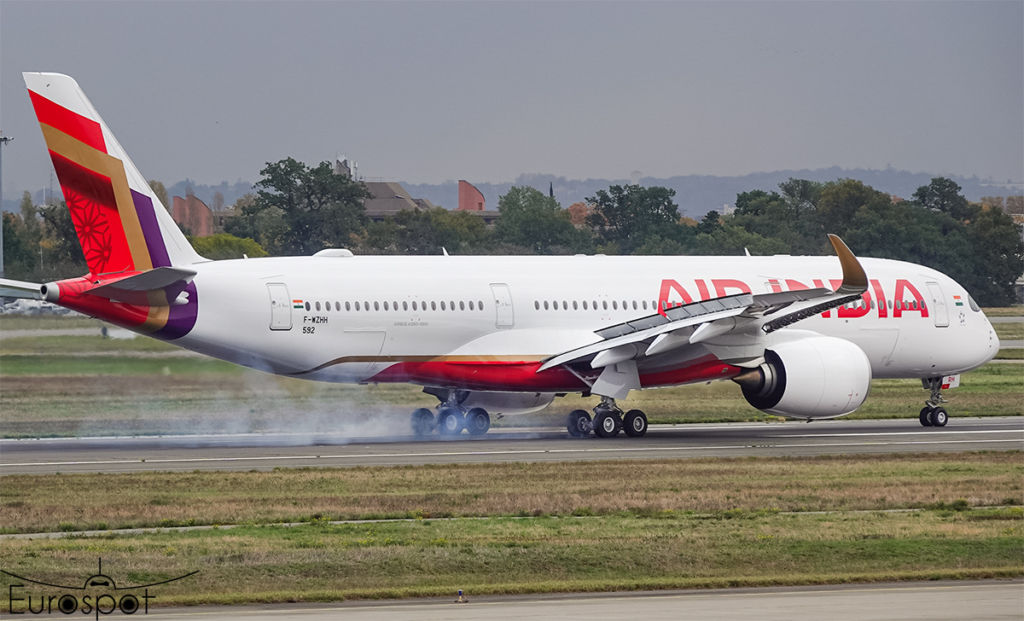
Air India remains focused on fleet modernization and network development as part of its long-term growth plans. The airline group continues to receive new aircraft while upgrading passenger experience across its operations.
The latest passenger figures suggest that competition in India’s international aviation market will remain intense throughout 2026.
As travel demand stays strong, both carriers are expected to focus on network optimization, cost management, and strategic expansion to capture a larger share of international traffic.
Stay tuned with us. Further, follow us on social media for the latest updates.
Join us on Telegram Group for the Latest Aviation Updates. Subsequently, follow us on Google News
