

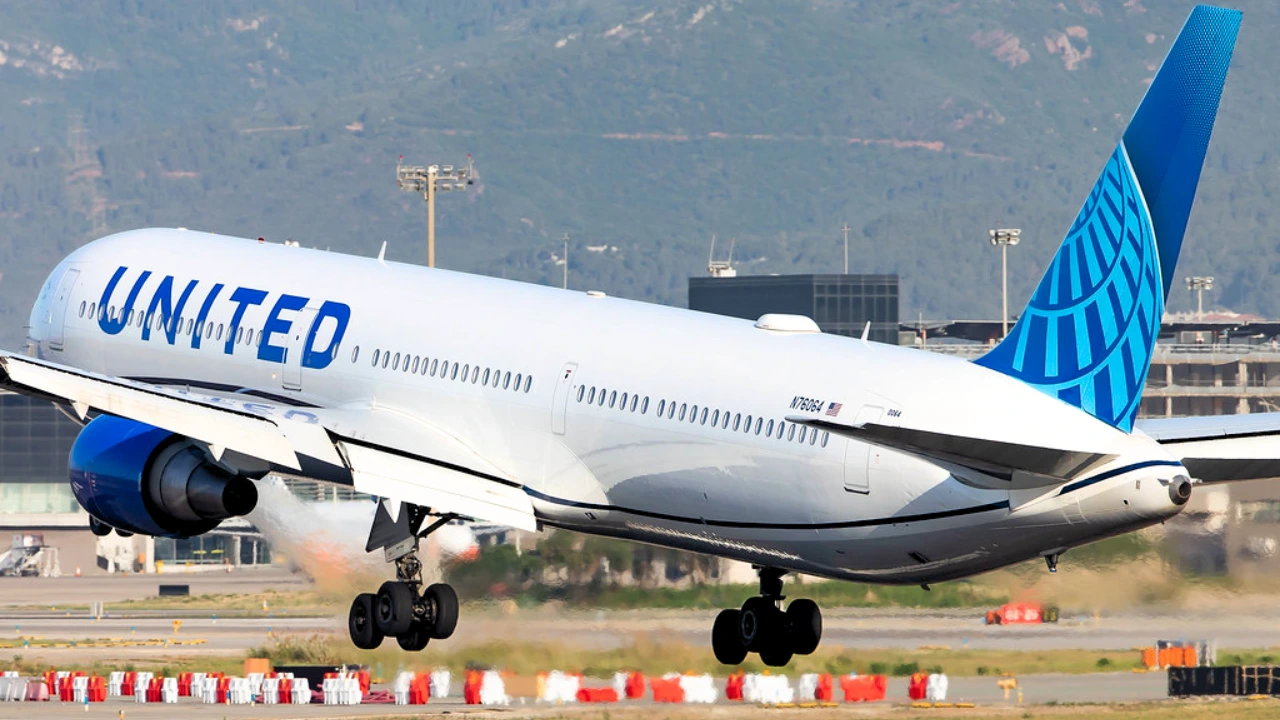
NEW YORK— United Airlines (UA) flight UA-236 from Newark Liberty International Airport (EWR) to Palma de Mallorca Airport (PMI) was forced to turn around over the Atlantic Ocean on Saturday night after a Bluetooth device on board was found to be named ‘BOMB’. The Boeing 767 had already departed nearly two hours late due to a technical issue before the in-flight scare unfolded.
The aircraft, carrying a full load of passengers bound for the Balearic Island of Mallorca, was nearing the coast of Nova Scotia when the pilots executed a 180-degree turn back to Newark (EWR). The diversion was ordered after a passenger alerted the crew to the suspicious device name, prompting United’s operations team in Chicago to act.
How the Bluetooth ‘BOMB’ Scare Unfolded Mid-Flight
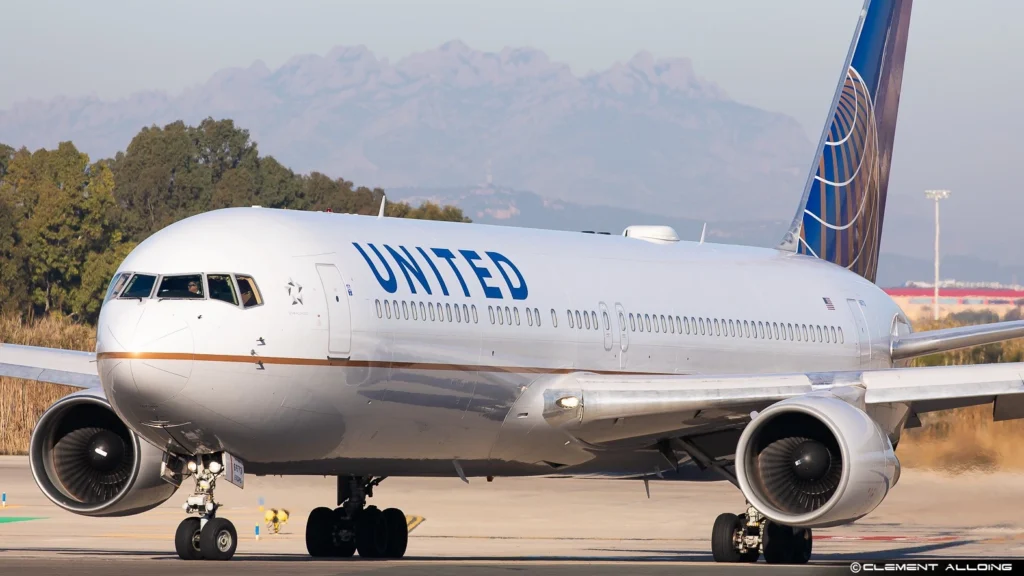
According to data from Flight Radar 24, United flight UA236 lifted off from Newark at around 6:08 pm on May 30 and climbed out in a north-easterly direction over the Atlantic.
The 767 had passed the Nova Scotia coastline when the cockpit crew abruptly reversed course and pointed the aircraft back toward New York.
Passengers first noticed something was wrong when cabin crew began making repeated public address announcements ordering all Bluetooth devices to be switched off. Most travelers complied, but a few devices remained visible on scans.
The crew then issued a final warning that the flight would return to Newark if the remaining devices were not disabled. When two devices stayed active, the pilots initiated the turnback.
The trigger for the alert was an observant passenger who spotted a Bluetooth device listed with the name ‘BOMB’ and notified the flight attendants. The crew then contacted United’s operations center in Chicago, which provided specific instructions on managing the potential threat.
Decision to Divert Came From United’s Chicago Operations Center
As reported by PYOK, the final call to divert the transatlantic flight back to Newark was made by the airline’s operations team in Chicago rather than by the pilots themselves.
The same team coordinated with local law enforcement to ensure responders were ready on the ground when the Boeing 767 landed.
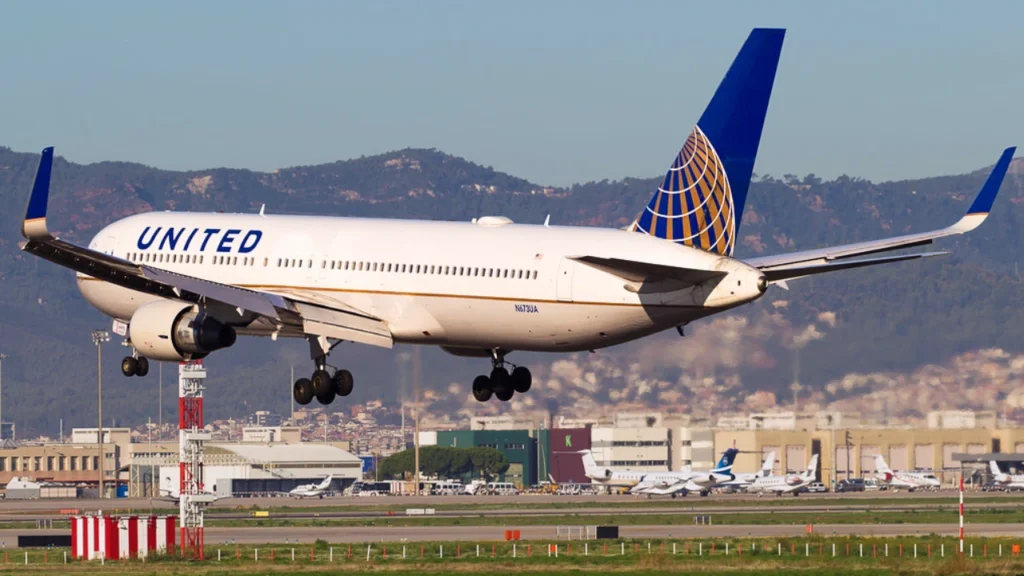
After touchdown, the pilots taxied the aircraft to a remote stand at Newark Liberty International Airport (EWR). Passengers were deplaned using mobile airstairs and transported by bus back to the main terminal, where every traveler was put through TSA rescreening before being allowed to reboard.
Teenage Passenger Linked to the Bluetooth Device
Investigators later determined that the Bluetooth device flagged as ‘BOMB’ belonged to a teenage passenger on board. It remains unclear whether the device was named that way as a deliberate prank or simply a poor choice of label. The teen reportedly admitted ownership during questioning.
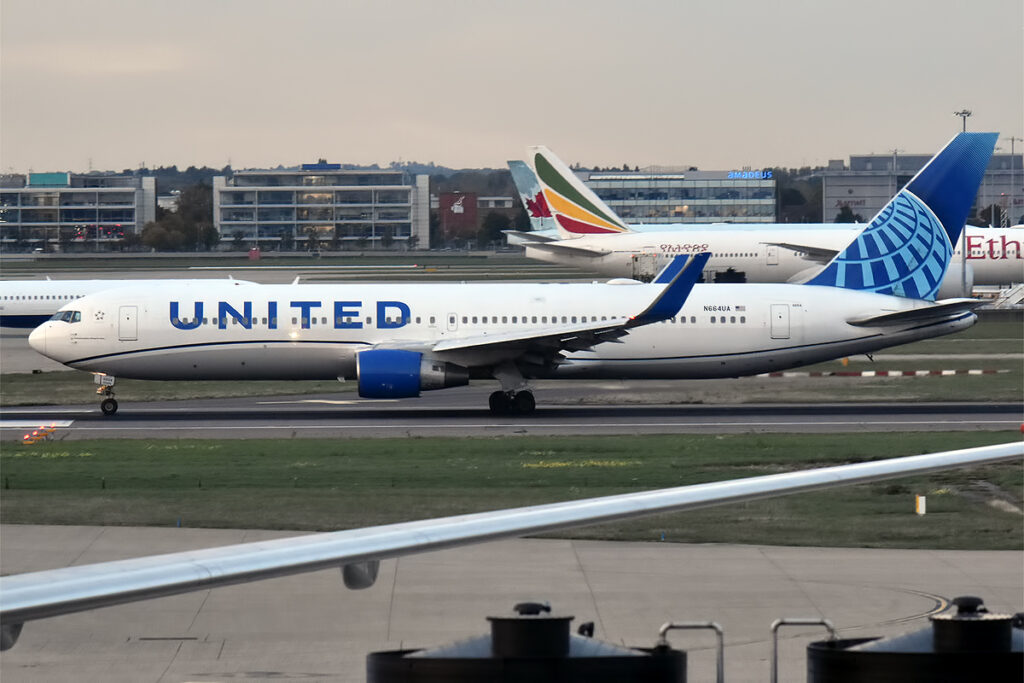
After a thorough police search of the aircraft, the Boeing 767 was returned to United’s control and cleared to continue its journey.
Passengers reboarded for the second attempt to reach Mallorca, with the flight now expected to land approximately nine and a half hours behind schedule at around 3:50 pm on May 31.
Similar Incidents
This is not the first incident in which device names have triggered serious security responses on commercial flights. Just days earlier, a United Airlines pilot threatened to call the FBI and have passenger phones searched after an antisemitic Wi-Fi hotspot named ‘Free Palestine, F Zionists’ appeared on a flight.
The pilot gave the culprit 30 seconds to switch off the hotspot before threatening a diversion.
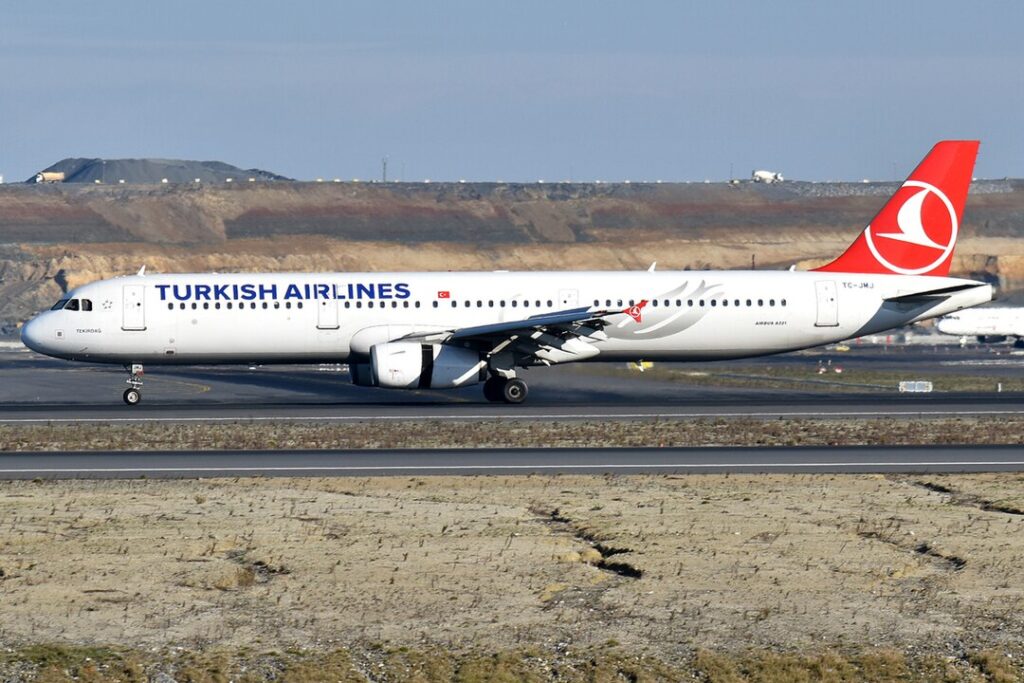
In January, Turkish Airlines (TK) flight TK1853 to Barcelona–El Prat Airport (BCN) was intercepted by fighter jets during its descent after a passenger spotted a Wi-Fi hotspot named “I HAVE A BOMB. EVERYONE WILL DIE.”
The pilots declared an emergency, were held in a pattern off the Spanish coast, and were then directed to a remote stand where Spain’s Guardia Civil searched the aircraft. No actual threat was found, but the airline pledged to track down the person responsible.
These incidents highlight how visible device and network names can rapidly escalate into full security responses, regardless of intent.
Stay tuned with us. Further, follow us on social media for the latest updates.
Join us on Telegram Group for the Latest Aviation Updates. Subsequently, follow us on Google News
