

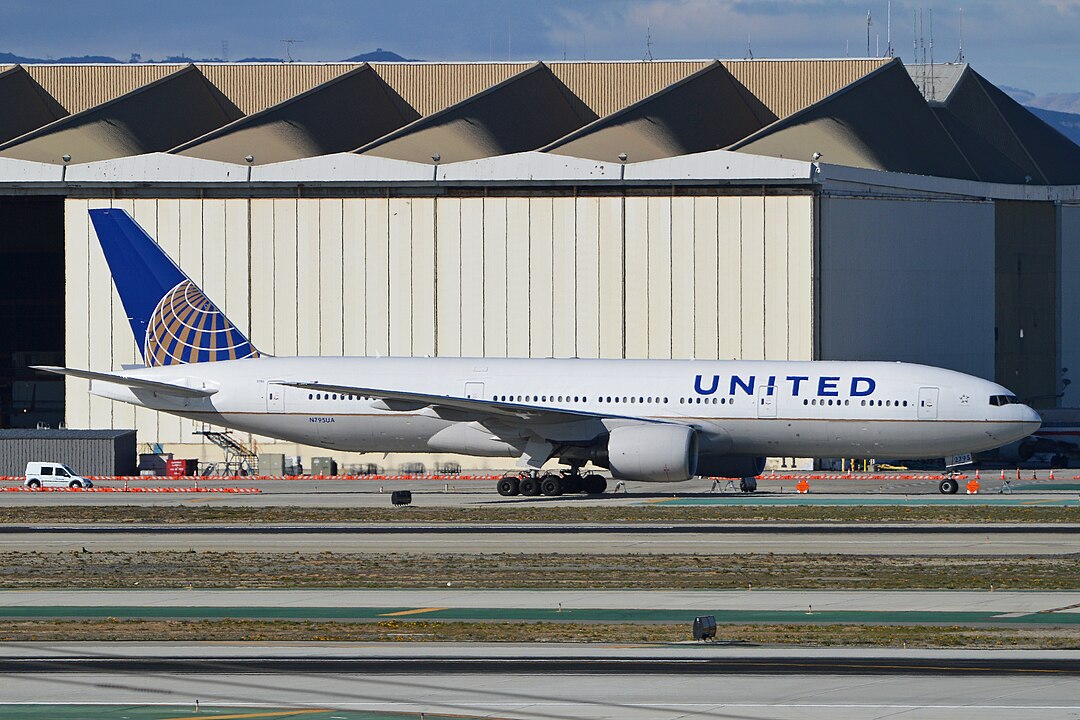
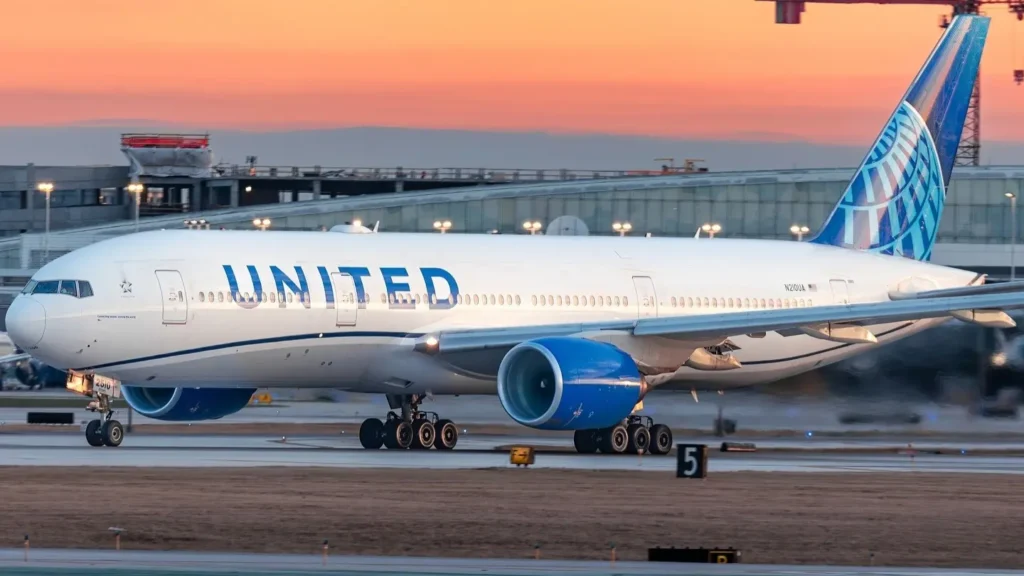
NEW YORK– United Airlines (UA) kept passengers on several flights stuck on the tarmac at Newark Liberty International Airport (EWR) for up to eight hours on May 20, as severe weather moved across the Northeast.
One flight bound for San Francisco (SFO) sat for 7.5 hours before being scrubbed, while others headed to Chicago (ORD) and Denver (DEN) faced similar waits, likely breaching federal tarmac delay rules.
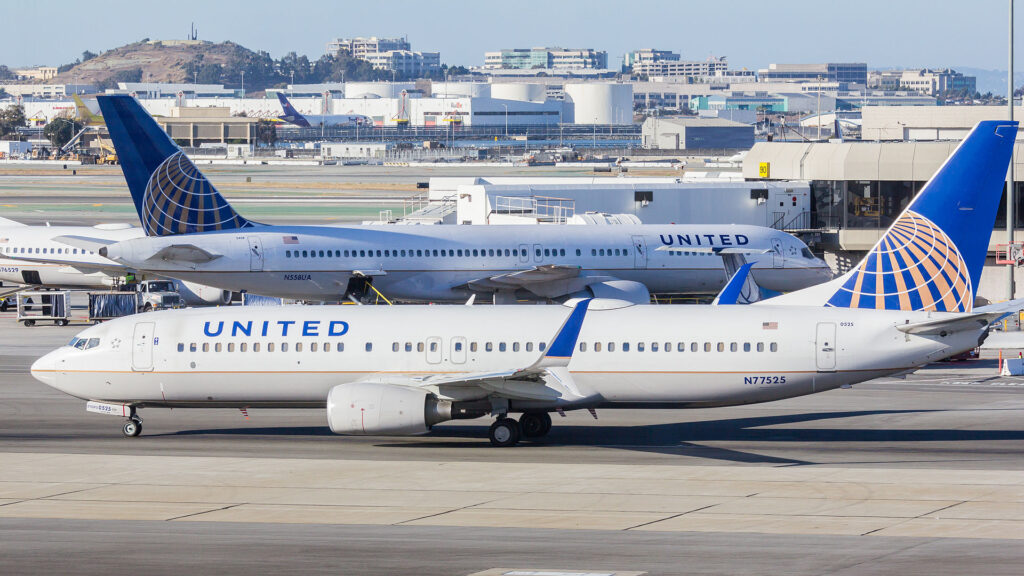
Three United Flights Trapped Passengers at Newark
A passenger on United flight 1340 from Newark to San Francisco described sitting 7.5 hours on the tarmac on Wednesday, May 20, 2026. The airline eventually canceled the flight for the night and operated it the next day. As compensation for the disruption, United offered a $200 voucher.
The flight was not the only United aircraft left waiting for hours. Flight 661 from Newark to Chicago pushed back at 6:23 p.m. and parked on a non-active runway. It was canceled and returned to a gate around 12:45 a.m.
A passenger said that during eight hours on board, the crew served only Biscoff cookies and small cups of water. The passenger reported that travelers were crying and hyperventilating, and that United gave little help once they finally left the plane.
Flight 1197 from Newark to Denver remained on the ground for seven hours as well. Despite these incidents, United publicly praised its own performance over the Memorial Day weekend, View from the Wing reported.
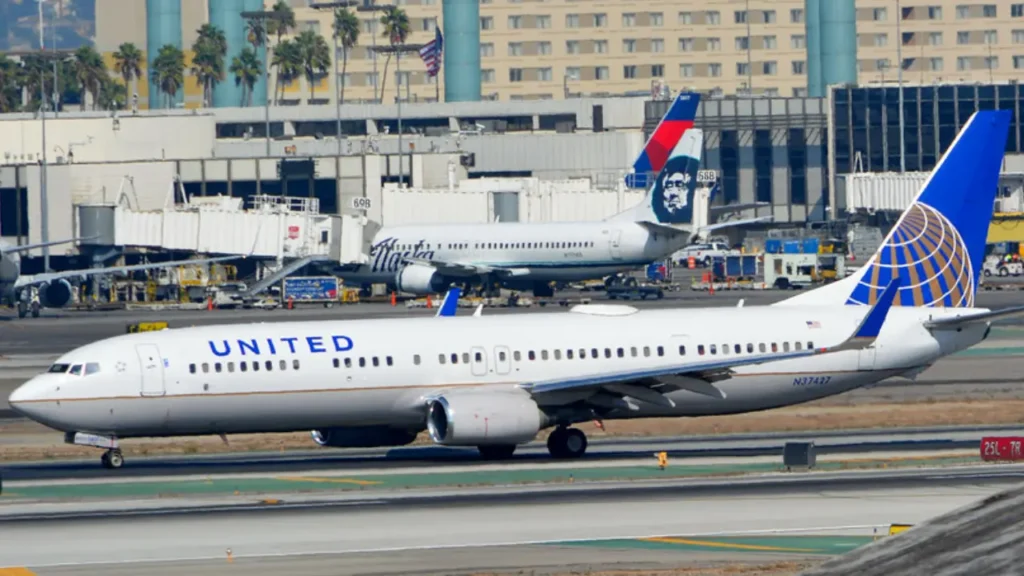
What the Federal Tarmac Delay Rule Requires
These were domestic flights, so the federal tarmac delay rule applies. When aircraft doors close, a three-hour clock begins. The clock only resets if passengers receive a real opportunity to deplane. Sitting on the ground longer than three hours likely violates the rule.
The rule allows limited exceptions. The captain may keep passengers on board if safety or security prevents deplaning, or if air traffic control advises that returning to a gate would significantly disrupt airport operations.
Even with those exceptions, an airline must provide adequate food and water no later than two hours into the delay, unless safety or security prevents it. The airline must also keep lavatories working, maintain comfortable cabin temperatures, and give passengers delay updates every 30 minutes.
The safety exemption does not mean weather automatically excuses a long delay. United would need to specifically show that the aircraft could not return, that passengers could not be removed by other means, or that air traffic control actually told the airline a return would materially disrupt operations.
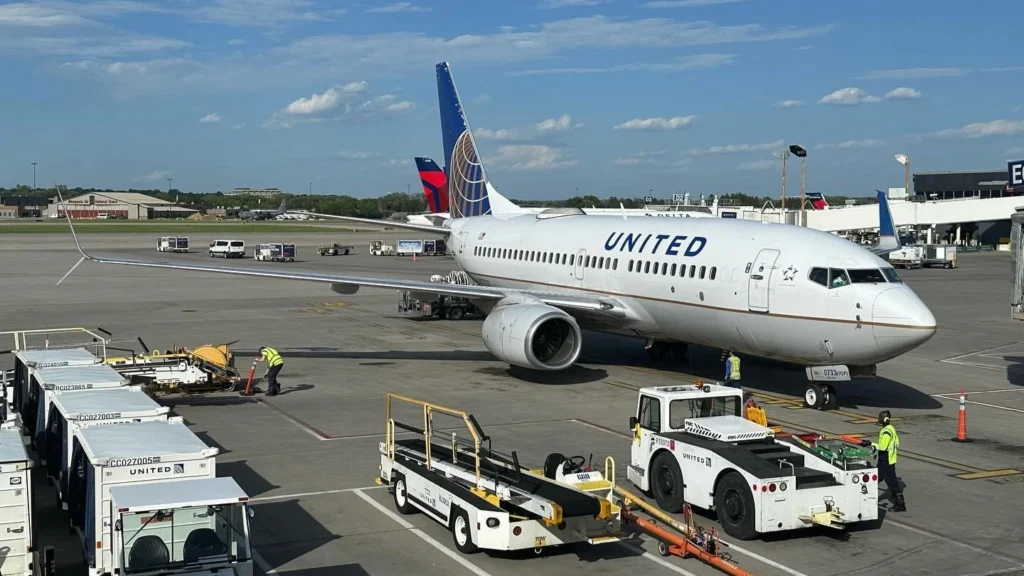
Penalties Remain Unclear and Rarely Enforced
The financial penalties for long tarmac delays are not clearly settled. The 2024 FAA Reauthorization raised the maximum civil penalty to $75,000. How that figure is applied remains disputed.
The Department of Transportation has previously argued that the fine applies per passenger. Airlines counter that the statutory language supports a fine per flight. These disputes usually settle rather than reaching a final ruling. No fine for a long tarmac delay has been issued in the past two years, and the Trump administration has not imposed one.
Under 49 U.S.C. § 46301(a)(1), the civil penalty is not more than $75,000 for covered violations. Section 46301(a)(2) states that a separate violation occurs “for each day” the violation continues or “for each flight involving the violation.”
DOT generally treats a separate violation as occurring for each passenger held on board beyond the permitted time without a chance to deplane, though this interpretation has not been clearly tested in court.
What Passengers Can and Cannot Claim
Federal regulations provide no cash compensation for passengers trapped on a plane for seven hours. Passengers are entitled to a refund if the flight is canceled or significantly changed and they decline rebooking. They are also entitled to food, water, and working lavatories during the tarmac delay.
Meals, hotels, and ground transportation apply only to controllable delays and cancellations. When an airline cancels a flight after a long tarmac delay caused by weather, it is not required to cover hotels, and no cash compensation is owed for long delays or cancellations.
There is one notable incentive. When DOT fines an airline for a long tarmac delay, part of that fine has usually been credited back for compensation and reimbursements the airline already paid to passengers. That credit has encouraged airlines to treat customers fairly after major failures.

A Problem the Rules Were Meant to Fix
Long tarmac delays drove the creation of these rules. In 1999, Northwest Airlines (NW) flight 225 sat on the tarmac in Detroit (DTW) for over seven hours during a snowstorm, without food, water, or working toilets.
A passenger found the airline CEO’s name in the inflight magazine, tracked down his home phone number, and handed it to the captain, demanding he call. The captain did, and that call helped free the passengers.
In 2007, JetBlue (B6) flight 751 sat on the ground at New York JFK for around 11 hours. That incident, along with other high-profile cases, prompted DOT to create the tarmac delay rule. The rule gives passengers the right to leave the aircraft after three hours on a domestic flight and four hours on an international one.
Airlines warned the rule would cause more cancellations and longer delays for some travelers. That prediction has proven partly correct. The rule has also sharply reduced the number of times passengers are trapped on board with no recourse.
Problems still occur. Last year, a Delta (DL) flight landed at 10:30 p.m. and kept passengers on board until 5 a.m.
In 2023, American Airlines (AA) faced a potential $166 million fine for violating the tarmac delay rule, then negotiated it down to $4 million and received credit for half based on payments already made to passengers. In 2024, an American Airlines passenger called 911 to be freed from a plane after a three-hour tarmac delay.
United Airlines Bets on AI to Explain Flight Delays
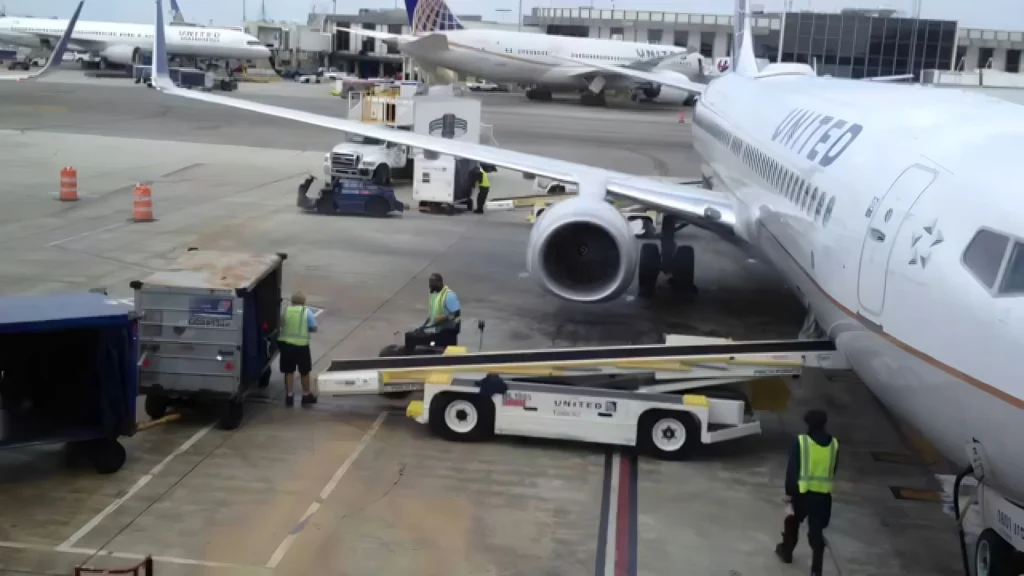
United Airlines is investing in artificial intelligence to tell passengers exactly why their flights are delayed, using plain language and, soon, maintenance videos. CEO Scott Kirby outlined the plan at an investor presentation on Wednesday, describing a new system the airline calls “Every Flight Story.”
The move comes as Delta Air Lines (DL) tests AI to set personalized ticket prices and American Airlines (AA) begins its own delay-communication efforts. United, which operates a major hub at Chicago O’Hare International Airport (ORD), says it already leads the industry in explaining delays clearly.

Plain Language Updates for Delayed Flights
United wants to remove the uncertainty passengers feel when a flight runs late. Kirby said the goal is to send customers clear text messages the moment a delay happens, telling them in simple terms what is going on with their aircraft.
He pointed to a common frustration: a gate screen shows a flight as on time and ready to board, yet no airplane is parked at the gate. United aims to avoid that confusion by answering one question for every passenger, which Kirby framed as, “Pretend I’m on the flight and I’ve asked what’s going on. What would you tell me?”
The airline has already sent passengers specific, readable explanations. Examples include messages about a plane departing late because cleaning needed to finish, a connecting flight canceled due to a lack of FAA staff, and a short wait for a few more passengers before takeoff.
“Every Flight Story” Runs on Native AI
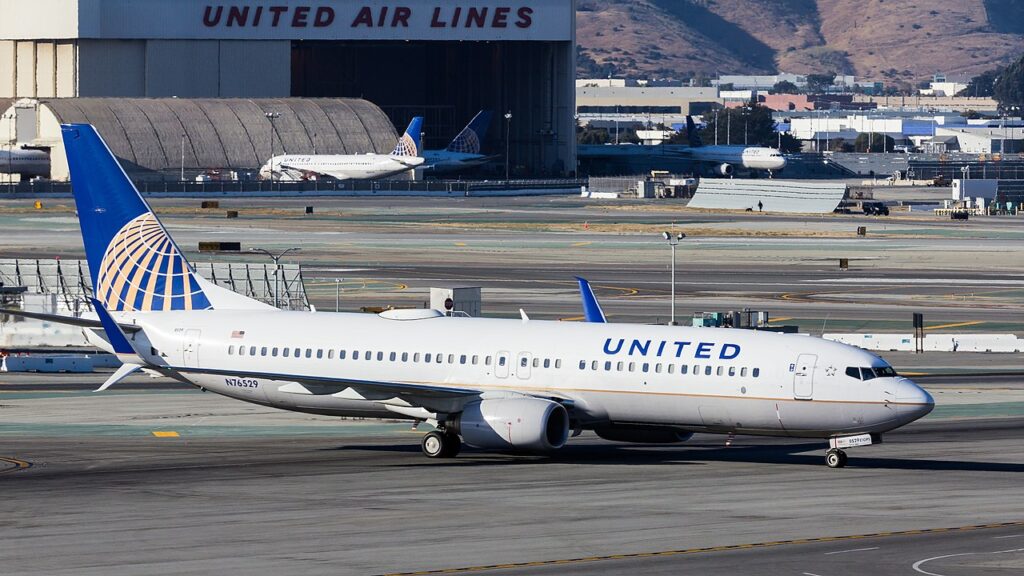
Kirby said United decided its current system would never reach the standard the company wants. So the airline started a new work path built on native AI and structured data that requires no human intervention.
The system is designed to explain the status of every flight on its own, drawing from all the data United collects across its operation. Kirby believes this will build brand loyalty and make the airline feel different from competitors.
He also expects operational gains. Once the data infrastructure for “Every Flight Story” is in place, Kirby said United will be able to run the airline far more efficiently than before. Doing this well is difficult at scale, especially across roughly 6,000 flights a day and during uncertain weather such as thunderstorms or possible airport closures.
AI Reshapes United’s Workforce
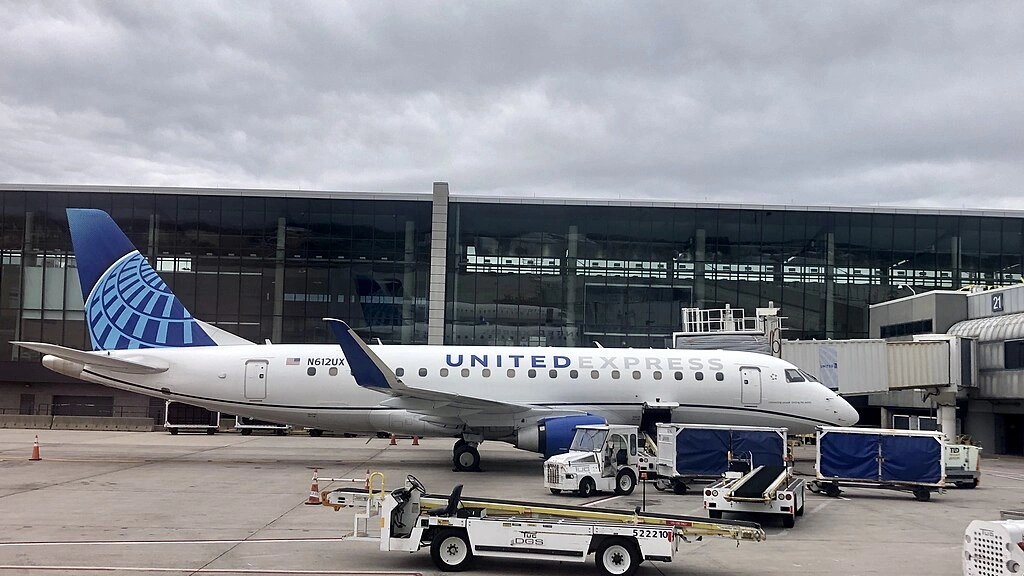
AI is changing more than customer messaging. Over two years, the company plans to replace 8% of its jobs at United through AI-driven efficiency.
Some parts of the airline business remain heavily regulated, which makes fast AI progress on performance and safety harder to achieve. United’s near-term AI focus sits in communication and operational data rather than in those tightly controlled areas.
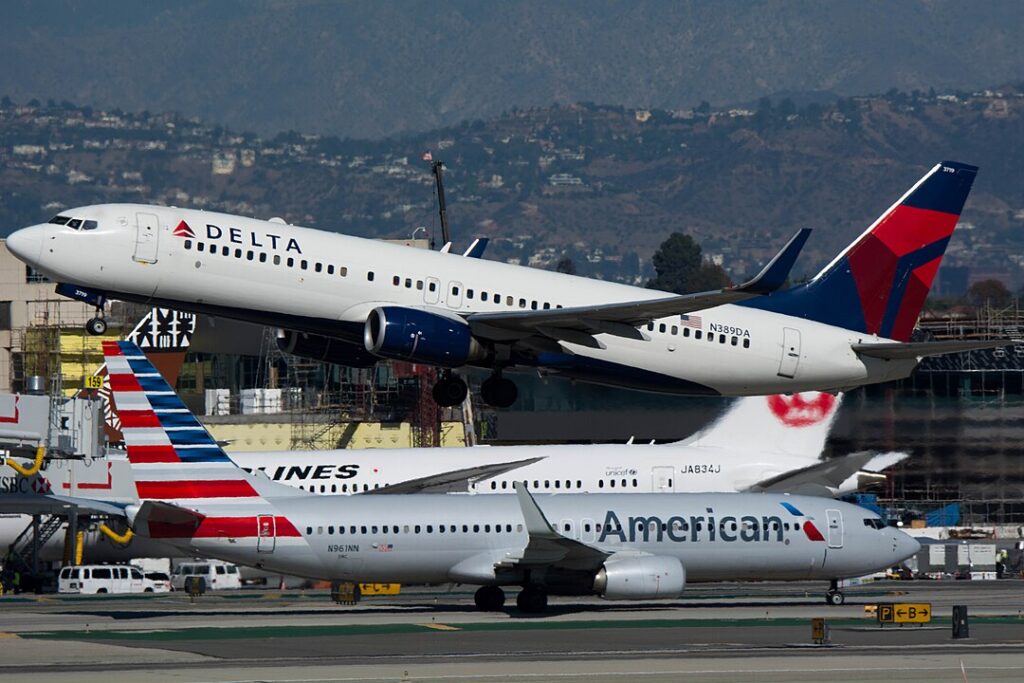
Delta and American Airlines Take Their Own Routes
Delta Air Lines is applying AI to ticket pricing, aiming to create what it describes as “a fare just for you.” The concept offers a specific price for a specific flight to an individual customer at the moment of purchase. Many airlines are working toward this with mixed results.
American Airlines has only recently begun communicating the reasons behind delays in accessible language. United claims it is two to three times better at this than any other airline in the world, crediting its early and sustained focus on the problem.
Starlink Lifts Customer Satisfaction
The biggest current driver of customer satisfaction at United is its Starlink internet rollout. Kirby said the airline records a net promoter score above 90 when Starlink is available on an aircraft.
Airlines often isolate scores from on-time flights to measure the value of product investments, since delayed flights tend to score poorly. Clear AI-driven delay updates could ease some of that frustration, even though better communication cannot replace getting passengers to their destination on schedule.
Stay tuned with us. Further, follow us on social media for the latest updates.
Join us on Telegram Group for the Latest Aviation Updates. Subsequently, follow us on Google News
