

TOKYO— Japan Airlines (JL) has banned its entire workforce of more than 6,000 flight attendants from drinking alcohol during all work layovers. The decision follows a fresh scandal in which a senior crew member failed a breathalyzer test minutes before she was due to start work on a flight from Hiroshima (HIJ) to Tokyo (HND).
The chief flight attendant returned a positive alcohol reading on May 23, 2026, forcing the carrier to delay the service while it found a replacement crew. Japan Airlines held a press conference on May 28 to apologize publicly, adding to mounting pressure from an ongoing transport ministry audit linked to repeated alcohol-related incidents, Aviation Wire reported.
What Happened on the Hiroshima Layover
The chief flight attendant, often called the purser, was scheduled to operate an early morning return flight to Tokyo after spending the night in Hiroshima. She had worked for Japan Airlines since 1992 and had only recently been promoted to the senior cabin role.
According to PYOK, she met a colleague she had trained with for drinks in the hotel bar after the outbound flight. The pair began drinking at around 5:30 pm on May 22, roughly an hour before the airline’s strict 12-hour no-drinking policy was due to start. Instead of stopping, they kept drinking.
The chief flight attendant consumed two beers and two small glasses of white wine, with her final drink served at about 7:15 pm. The pair returned to their rooms around 9:25 pm, ahead of a 6:20 am pickup the next morning.
How the Breathalyzer Tests Played Out
Japan Airlines requires pilots and flight attendants to take a self-test breathalyzer before reporting for duty. The result must show zero alcohol for the crew member to be cleared to fly.
When the chief flight attendant took her self-test at 5:45 am, the device showed a reading of 0.23 milligrams of alcohol. She believed the level would clear by the time she reached the airport.
The crew arrived at the airport about 20 minutes later, where flight attendants face a second breathalyzer test. The chief flight attendant registered 0.11 milligrams. The airline allowed her to re-test, but the result stayed the same across several attempts, and she was removed from duty as unfit to fly.
Her colleague had already reported being unfit for the same flight. With two crew members short, Japan Airlines scrambled to find replacements, and the service eventually departed 40 minutes late.
An Attempt to Bypass the System
The chief flight attendant appears to have tried to avoid the self-test process by not logging her result in the company’s internal app.
Other crew members reportedly urged her to register the reading before the bus left for the airport, but they deferred to her senior position when she failed to complete the paperwork.
This pattern echoes earlier cases. The catalyst for regulatory scrutiny came in 2018, when a Japan Airlines First Officer was jailed in the United Kingdom after failing a police breathalyzer at London Heathrow (LHR).
He had cheated a pre-flight company test before boarding the Tokyo-bound aircraft, but suspicious staff alerted police. After his arrest, he admitted to drinking two bottles of wine and more than a litre and a half of beer the night before, and he received a 10-month prison sentence.
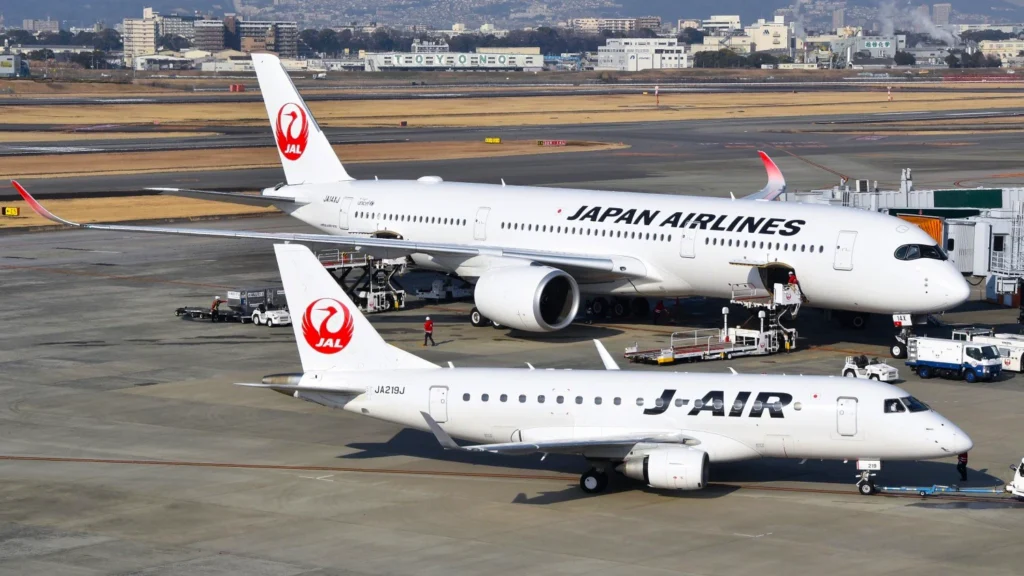
A Pattern of Alcohol Incidents at Japan Airlines
Japan Airlines is already under audit by the country’s transport ministry due to several recent alcohol cases. In April 2024, a flight from Dallas Fort Worth (DFW) to Tokyo Haneda (HND) was cancelled after the Captain became drunk and disruptive in the crew’s layover hotel.
In response to the 2018 Heathrow case, the airline previously asked its full workforce of more than 32,000 employees to abstain from alcohol for the rest of that year. The new layover ban applies specifically to flight attendants and will remain in place for the foreseeable future.
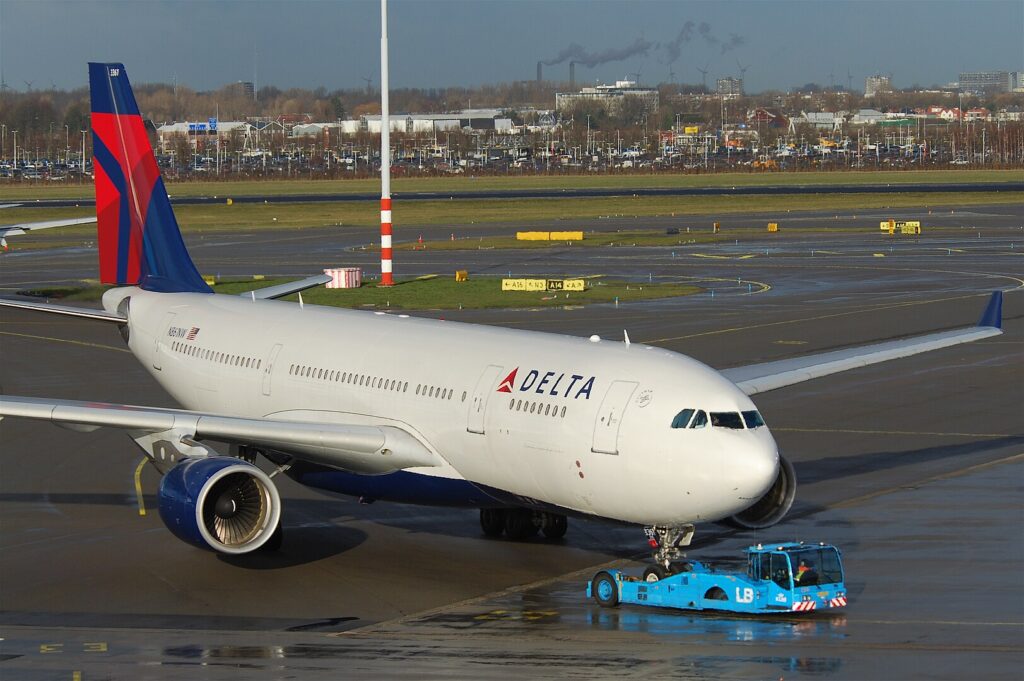
How Alcohol Rules Compare Across Countries
Alcohol limits for aircrew are usually set by each country’s aviation authority rather than by individual airlines. Foreign crews on a layover follow the rules of the country they are in, not those of their home nation.
In the United States, crew members cannot drink within eight hours of reporting for duty under the “bottle to throttle” rule, and a reading of 0.04 or higher is deemed unfit.
The United Kingdom also applies an eight-hour limit, with 9 micrograms per 100 millilitres of breath treated as unfit. Australia sets the unfit threshold at 0.04. The Netherlands uses a stricter standard, banning alcohol within 10 hours of duty and treating 0.02 or higher as unfit.
Dutch authorities regularly test foreign crews leaving Amsterdam (AMS), and flight attendants are often caught. For minor breaches, crew members are removed from the flight and issued an on-the-spot fine rather than arrested.
Stay tuned with us. Further, follow us on social media for the latest updates.
Join us on Telegram Group for the Latest Aviation Updates. Subsequently, follow us on Google News
