


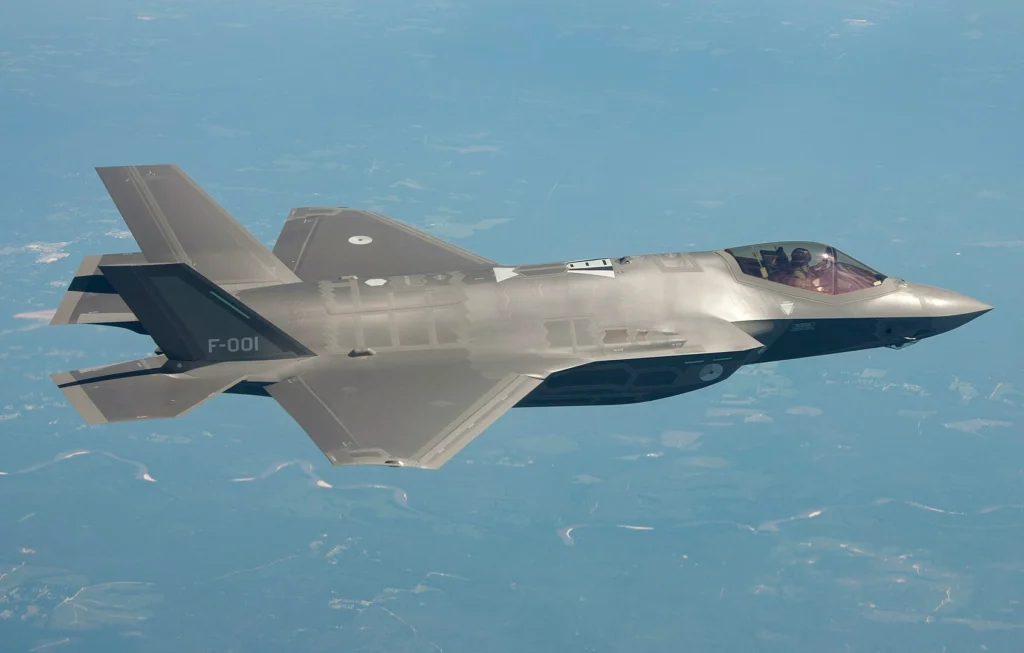
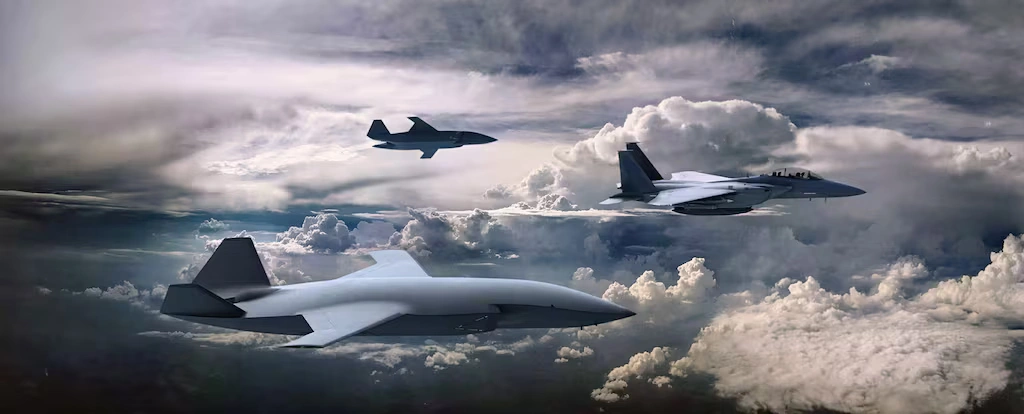
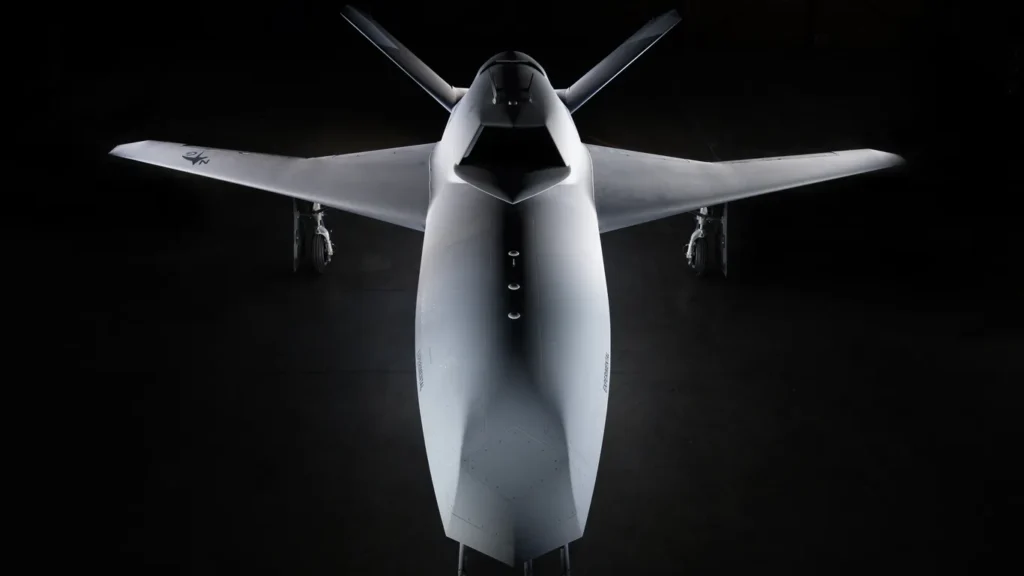
SAN DIEGO- General Atomics, headquartered in San Diego (SAN), completed a major manned-unmanned teaming test in which an F-35 Joint Strike Fighter directed an airborne MQ-20 Avenger drone.
The company announced the milestone on May 27, calling it a step toward operational readiness for the Air Force’s Collaborative Combat Aircraft (CCA) program.
The exercise involved Lockheed Martin, the F-35 Joint Program Office, and several Air Force units, building on earlier F-22 and MQ-20 tests at the Nevada Test and Training Range and Edwards Air Force Base (EDW).
Lawmakers in Washington also moved to expand CCA development in the latest draft of the National Defense Authorization Act, released May 26.
How the F-35 Controlled the Avenger Drone
During the demonstration, the F-35 stayed on the ground while the MQ-20 Avenger flew overhead. The pilot inside the F-35 cockpit used a tablet to send tactical autonomy commands to the drone through a beyond-line-of-sight link.
These commands, which included tactical maneuvers and coordinate adjustments, were transmitted to the MQ-20 via a satellite in low Earth orbit. The drone responded with mission updates and shared its location, altitude, and velocity data with the pilot in real time.
The Avenger ran General Atomics’ Tactical Autonomy Ecosystem software, built on the government’s most recent autonomous software standard. According to the company, the test confirmed that the drone’s hardware, software, and network systems can carry out CCA missions.
Partners Involved in the Demonstration
The flight test brought together several technical and military groups. Autonodyne supported the autonomy software side of the exercise.
The Air Force units that joined the test were the 309th Software Engineering Group, the 461st Flight Test Squadron, and the 370th Flight Test Squadron. Each contributed to the integration work needed to link the F-35 with the unmanned aircraft, Air and Space Forces reported.
Building on Earlier F-22 and MQ-20 Tests
General Atomics has used the MQ-20 Avenger as a surrogate CCA test aircraft for more than five years. The company’s official CCA contender for the Air Force program is the YFQ-42A.
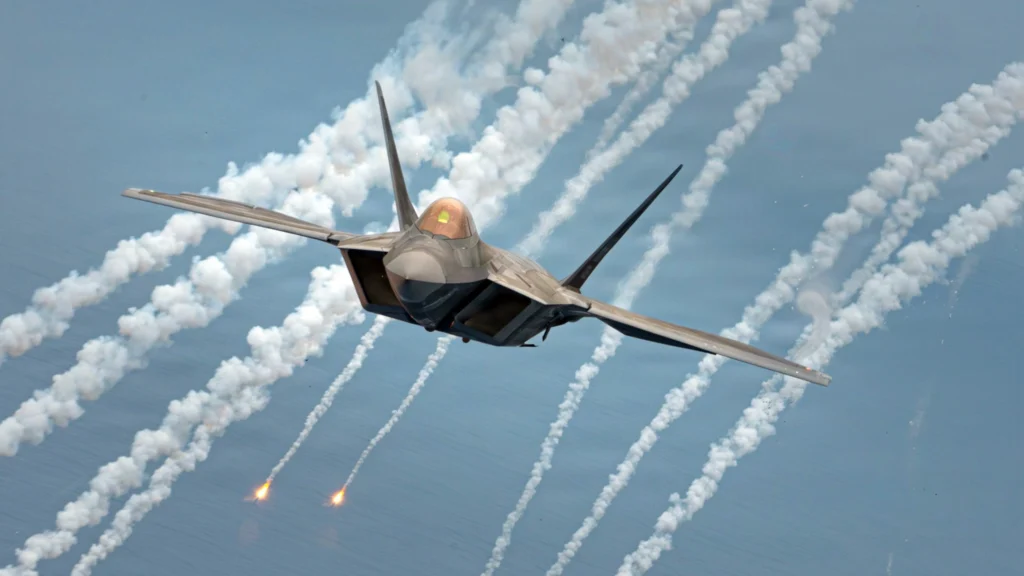
In October 2025, an F-22 pilot controlled an MQ-20 at the Nevada Test and Training Range. A follow-up F-22 and MQ-20 flight took place in February at Edwards Air Force Base. The latest F-35 test extends this work to a different platform and a new operational concept.
Michael Atwood, vice president of advanced programs for General Atomics Aeronautical Systems, said the event marks the start of operational readiness for CCAs and shows near-term opportunities for force integration.
Air Force Plans and Fiscal 2027 Goals
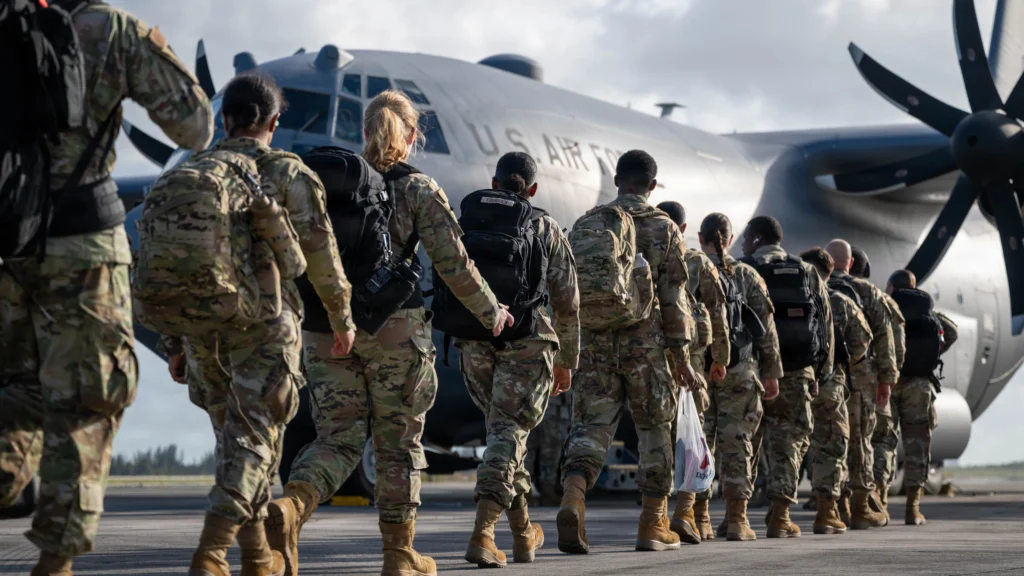
The Air Force has placed the CCA program among its top priorities. The service plans to buy its first CCA drones in fiscal 2027.
Officials view these semi-autonomous “loyal wingmen” as a way to expand strike, electronic warfare, reconnaissance, and other missions at lower cost and reduced risk to pilots. CCAs are expected to pair with crewed fighters to extend the reach of the Air Force.
Congressional Support and NDAA Provisions
Congress is backing the CCA effort for the Air Force, Navy, and Marine Corps. The House Armed Services Committee (HASC) added several CCA-related provisions to its proposed National Defense Authorization bill, released May 26.
The HASC subcommittee on tactical air and land forces asked the secretaries of the Air Force and Navy to submit a report on cost impacts as they shape CCA requirements. The report is due January 15, 2027, and is meant to show how cost-cutting steps could affect CCA attributes and overall fleet operational costs.
Lawmakers also want the report to detail how commercial and modified off-the-shelf technology could help reduce program costs.
Range, Speed, and the First Island Chain Concern
In notes attached to the bill, lawmakers said the Air Force and Navy may need CCAs with enough range, speed, and power to deploy from the continental United States. This requirement is tied to concerns over a potential conflict with China.
Committee members wrote that Chinese long-range weapons could make it risky to launch CCAs from bases in the “first island chain” archipelagos in the Pacific.
They added that forward-deployed combat airpower must be reliable, capable across many missions, and able to operate over long ranges while keeping life-cycle costs low.
Praise for Industry Collaboration
The committee praised the Air Force and industry partnership on the first increment of the CCA program. It highlighted that General Atomics and Anduril, makers of the first two CCA variants, completed flight demonstrations in 18 months.
Lawmakers called this faster than any major tactical fighter-like aircraft program in recent history. They expressed support for the Air Force’s plan to move the first CCA increment to production quickly.

Navy Direction and Acquisition Strategy
The subcommittee urged the Navy and Marine Corps to follow the Air Force’s path. Lawmakers want the sea services to use the mature technologies and collaboration models developed under Air Force CCA Increment 1.
This approach, the committee said, would speed up development, raise capability, and lower cost and schedule risks.
The NDAA draft would also require the Navy secretary to brief HASC by December 15 on the department’s CCA acquisition strategy, including how it will adopt strategies and technologies created by the Air Force CCA program.
Stay tuned with us. Further, follow us on social media for the latest updates.
Join us on Telegram Group for the Latest Aviation Updates. Subsequently, follow us on Google News
