

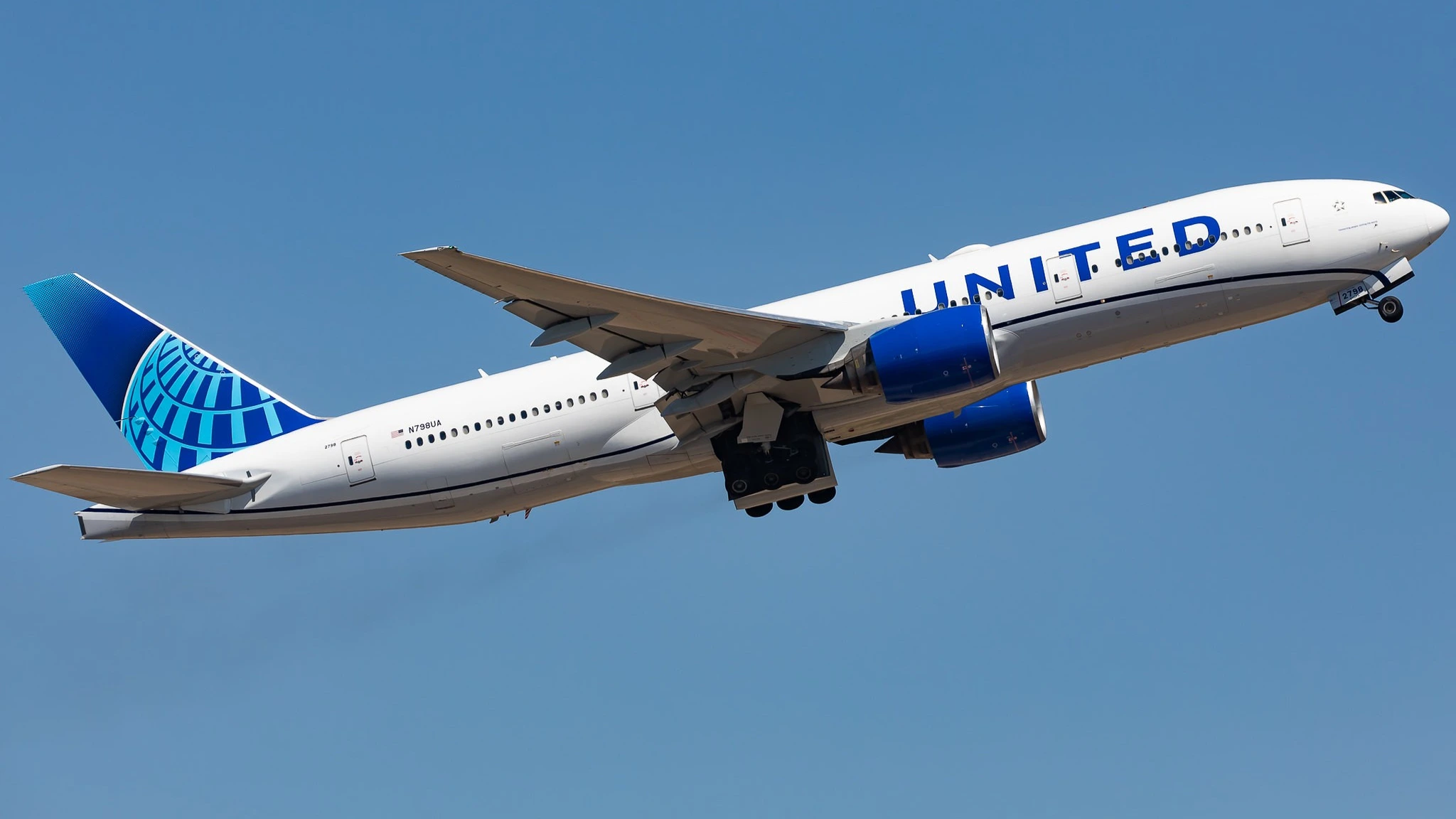
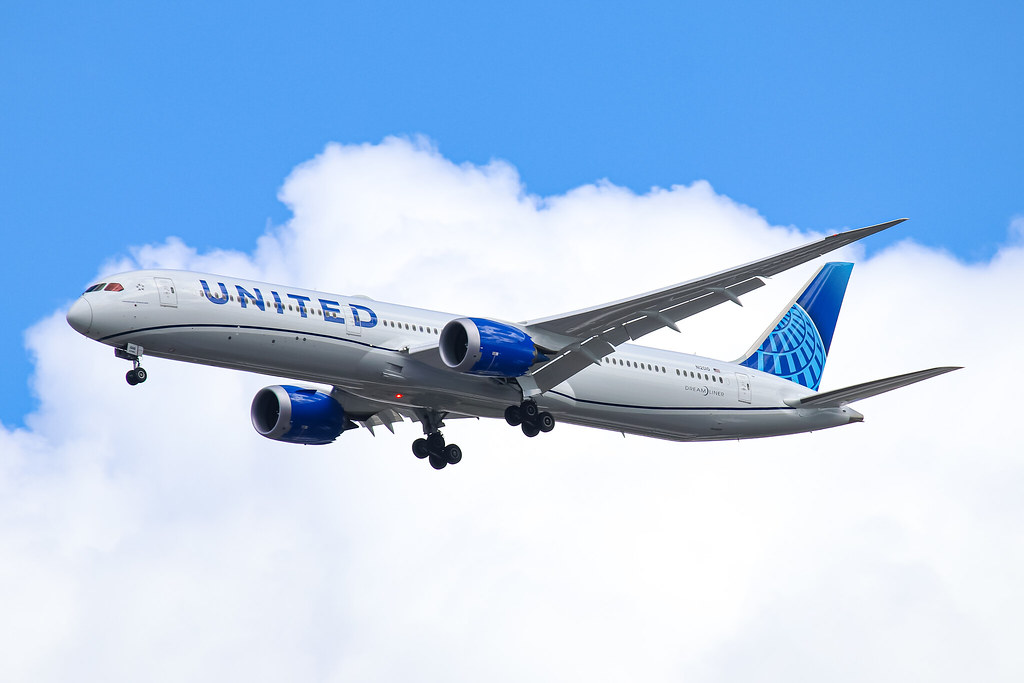
CHICAGO- A United Airlines (UA) pilot warned passengers that the FBI would meet the aircraft on arrival after a traveler displayed an antisemitic Wi-Fi hotspot name visible to other guests onboard.
The captain treated the message as a potential security threat and demanded its removal within 30 seconds.
The incident, shared through a passenger account on social media, follows a rising trend of similar mid-air alerts involving Turkish Airlines (TK) flights to Barcelona (BCN) and Wizz Air (W6) flights from London Luton (LTN) to Tel Aviv Ben Gurion Airport (TLV) earlier this year. The visible hotspot name onboard read “Free Palestine, F Zionists.”
United Airlines Pilot Threatens FBI Action
The passenger who shared the account described the captain’s tone as extremely serious during the public address.
The pilot informed the cabin that the visible network name was being interpreted as a potential security issue and gave the responsible person a short window to disable it.
He further warned that law enforcement would meet the aircraft on arrival if the hotspot remained visible.
According to the passenger, the entire cabin fell dead silent as travelers looked around to identify the source. Some appeared nervous, others looked annoyed, and a few were laughing because they thought the situation was absurd.
The hotspot disappeared quickly after the warning, and no law enforcement action followed at the gate.
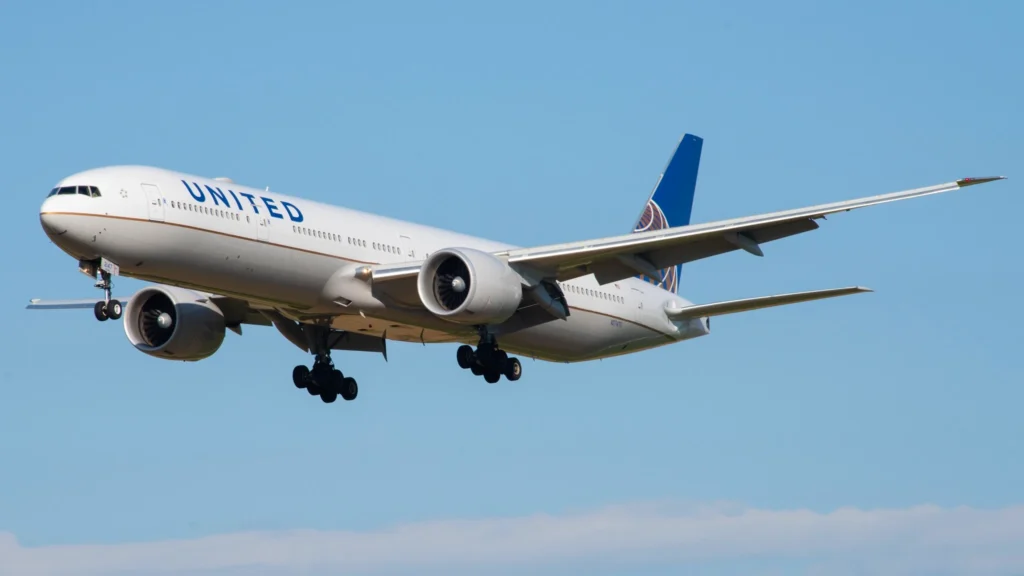
Passenger Questions Crew’s Escalation
The passenger acknowledged that crews must take threats seriously but questioned whether the response was proportionate.
As the traveler noted, the hotspot name itself contained no direct threat. It was political and provocative and obviously designed to get attention, but calling it threatening felt like a stretch.
What made the situation more striking was the speed of escalation. There was no request from a flight attendant first, no quiet conversation, and no private inquiry.
The captain went straight to a public announcement warning of FBI involvement, instantly turning an edgy hotspot name into a full-blown security event.
The traveler also reflected on the broader environment, stating that the incident felt like a perfect example of how tense and hyper-polarized everything has become.
People bring political messaging into nearly every environment now, and institutions react at maximum intensity because no one wants to be the person who ignored a warning sign.
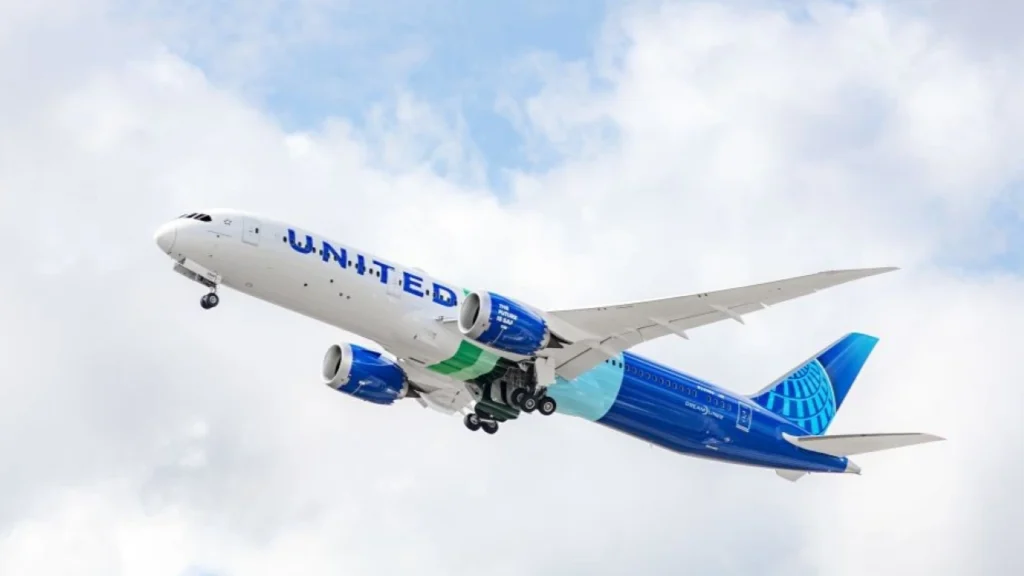
Pilot Threatened Aircraft Sequestration
In a follow-up account reported by PYOK, the passenger noted that the captain also warned that the aircraft would be sequestered upon landing.
Federal agents would then interrogate passenger phones to identify the individual responsible for the hotspot label.
That escalation did not occur. The threat appeared designed to pressure the passenger into removing the offensive name immediately, rather than to trigger an actual federal investigation on arrival.
Free Speech Limits Onboard Aircraft
Speech rules differ significantly on private aircraft compared to public spaces. While passengers retain broad free speech leeway in most settings, the rules change when offensive or potentially threatening speech surfaces onboard a private plane.
Airlines maintain authority to act on such material regardless of the medium used.
If a passenger attempted to board with a t-shirt bearing the same slogan, United or any other airline would likely pull them out of the boarding line, cover up the offensive speech, and potentially question their suitability for travel. The same standard applies to hotspot names visible across the cabin.
Similar Incidents
Using Wi-Fi hotspots to share threatening messages on flights has become a noticeable trend over the past year.
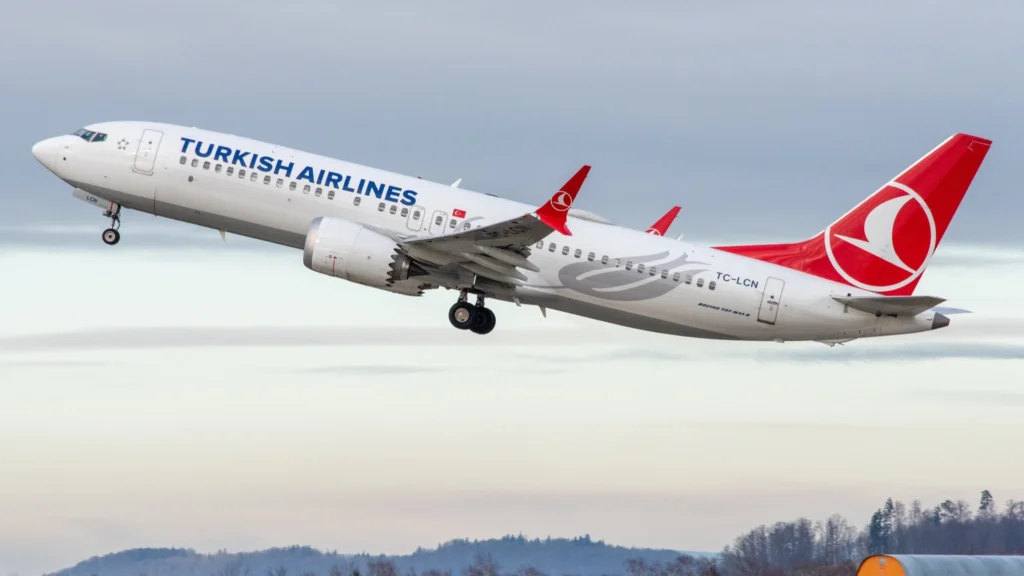
In January, Turkish Airlines flight TK1853 was intercepted by fighter jets after a passenger spotted a hotspot labeled “I HAVE A BOMB. EVERYONE WILL DIE.”
The aircraft was in its initial descent to land in Barcelona when the network name was noticed. The flight crew was immediately alerted, and the pilots declared an emergency.
After being ordered into a holding pattern off the coast of Barcelona, the flight was cleared to land and directed to a remote part of the airfield, where Spain’s Guardia Civil police service swarmed the aircraft.
A thorough search detected no threat, but Turkish Airlines vowed to try to find the culprit.
Less than a month later, a packed Wizz Air (W6) Airbus A321 flying from London Luton to Tel Aviv was involved in a mid-air security alert when a passenger created a hotspot labeled “terrorist.”
A full-scale alert was declared, and after being intercepted by the Israeli Air Force, the Wizz Air flight was directed to land at Ben Gurion Airport, where security forces were waiting to meet the plane.
According to Israel’s N12 news station, preliminary reports suggested the phone transmitting the “terrorist” label belonged to an ultra-orthodox couple.
The couple claimed their son had given them the phone before they boarded the plane and they did not realise it had a private Wi-Fi network running.
Visible Network Names
Crews are trained to treat any visible threat indicator with maximum seriousness, given the risks involved in airborne emergencies.
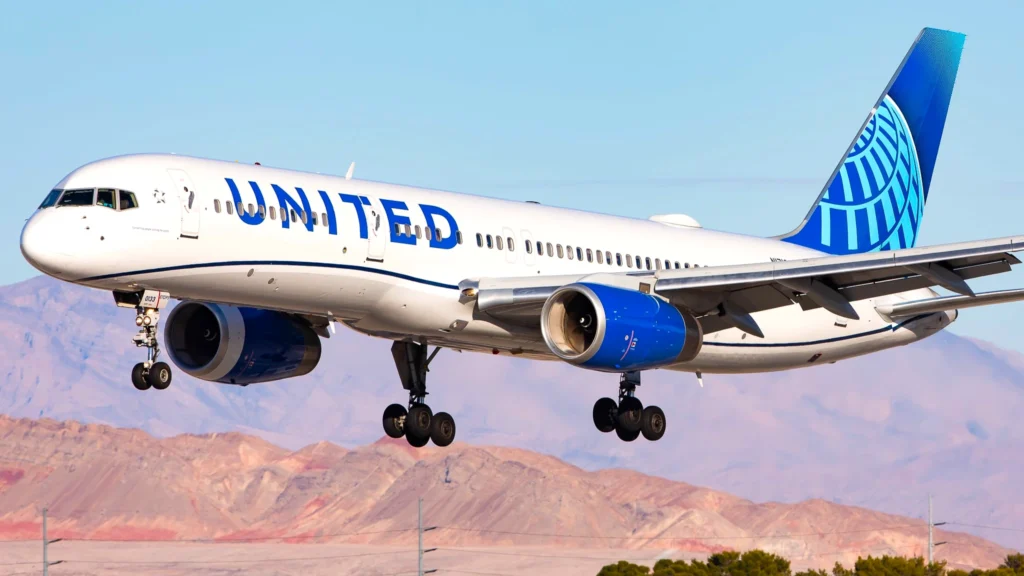
Visible Wi-Fi names appear on every passenger device scanning for connections, instantly broadcasting messages across the cabin.
This visibility magnifies the impact of provocative content and forces flight crews to respond quickly, even when intent remains unclear.
Stay tuned with us. Further, follow us on social media for the latest updates.
Join us on Telegram Group for the Latest Aviation Updates. Subsequently, follow us on Google News
